Close Menu
TechCentralTechCentral

    Subscribe to the newsletter

    Get the best South African technology news and analysis delivered to your e-mail inbox every morning.

    Facebook X (Twitter) YouTube LinkedIn
    WhatsApp Facebook X (Twitter) LinkedIn YouTube
    TechCentralTechCentral
    • News
      Shoprite ranks cybersecurity as its number one risk - Pieter Engelbrecht

      Shoprite ranks cybersecurity as its number one risk

      9 October 2026
      Shoprite takes on the banking apps with airtime on Sixty60

      Shoprite takes on the banking apps with airtime on Sixty60

      9 October 2026
      How to tell telemarketers to get lost - officially

      How to tell telemarketers to get lost – officially

      9 October 2026
      Data centres are the new front line in the Russia-Ukraine war

      Data centres are the new front line in the Russia-Ukraine war

      9 October 2026
      When a machine can choose, who does it become?

      When a machine can choose, who does it become?

      9 October 2026
    • World
      The memory crunch is making Samsung fabulously rich

      The memory crunch is making Samsung fabulously rich

      8 October 2026
      SpaceX to borrow $40-billion to buy Nvidia chips

      SpaceX to borrow $40-billion to buy Nvidia chips

      7 October 2026
      BMW restructuring plan bets on AI and new models

      BMW restructuring plan bets on AI and new models

      1 October 2026
      OpenAI's rogue agent problem keeps getting bigger - Sam Altman

      OpenAI’s rogue agent problem keeps getting bigger

      28 September 2026
      The new battle over the desktop

      The new battle over the desktop

      23 September 2026
    • In-depth

      10 days that changed the course of AI

      21 September 2026
      Meta to the AI industry: slow down without us - Mark Zuckerberg

      Meta to the AI industry: slow down without us

      16 September 2026
      Google DeepMind CEO Demis Hassabis. Image: John Sears

      The plan to stop AI from breaking the world

      16 July 2026
      The internet has a Strait of Hormuz problem

      The internet has a Strait of Hormuz problem

      15 July 2026
      AI boom sparks rally, frenzy and fear

      AI boom sparks rally, frenzy and fear

      11 June 2026
    • TCS
      W&W | LDV's Gerhard Moolman on electric bakkies, fleet orders and 'school fees'

      W&W | LDV’s Gerhard Moolman on electric bakkies and fleets

      9 October 2026
      TCS | Frogfoot sees bigger fibre deals coming - TechCentral Show guests Abraham van der Merwe and Shane Chorley

      TCS | Frogfoot sees bigger fibre deals coming

      8 October 2026
      Meet the CIO | Vodacom's Mohamed Sami on the agentic future

      Meet the CIO | Vodacom’s Mohamed Sami on the agentic future

      5 October 2026
      Lexi Novitske, general partner at Norrsken22, on the TechCentral Show

      TCS | Norrsken22’s Lexi Novitske on how China is winning African tech

      1 October 2026
      TCS | Dominic White and Adam Ely on AI agents going rogue

      TCS | Dominic White and Adam Ely on AI agents going rogue

      29 September 2026
    • Opinion
      Let South Africans jailbreak their way to digital sovereignty - Dirk de Vos

      Let South Africans jailbreak their way to digital sovereignty

      5 October 2026
      South Africa's next energy crisis is in the accounts department - Craig Holmes

      South Africa’s next energy crisis is in the accounts department

      29 September 2026
      The steam engine lesson AI doomsayers keep missing - Sam Clarke

      The steam engine lesson AI doomsayers keep missing

      28 September 2026
      Let South Africans jailbreak their way to digital sovereignty - Dirk de Vos

      Regulating AI: apply the laws we have first

      21 September 2026
      What Revolut can and cannot take from South Africa's banks - Pambos Soteriades

      What Revolut can and cannot take from South Africa’s banks

      15 September 2026
    • Company News
      • 1Stream
      • Africa Data Centres
      • AfriGIS
      • Altron Digital Business
      • Altron Document Solutions
      • Altron Group
      • Arctic Wolf
      • Ascent Technology
      • AvertITD
      • BBD
      • Braintree
      • CallMiner
      • CambriLearn
      • CM.com
      • Contactable
      • CYBER1 Solutions
      • Digicloud Africa
      • Digimune
      • Domains.co.za
      • ESET
      • Euphoria Telecom
      • HOSTAFRICA
      • Incredible Business
      • iONLINE
      • IQbusiness
      • Iris Network Systems
      • Kaspersky
      • LSD Open
      • Mitel
      • NEC XON
      • Netstar
      • Network Platforms
      • Next DLP
      • Ovations
      • Paracon
      • Paratus
      • Publishared
      • Q-KON
      • SevenC
      • SkyWire
      • Solid8 Technologies
      • Telit Cinterion
      • Telviva
      • Tenable
      • Vertiv
      • Videri Digital
      • Vodacom Business
      • Vox
      • Wipro
      • Workday
      • XLink
    • Sections
      • AI and machine learning
      • Banking
      • Broadcasting and Media
      • Cloud services
      • Contact centres and CX
      • Cryptocurrencies
      • Education and skills
      • Electronics and hardware
      • Energy and sustainability
      • Enterprise software
      • Financial services
      • HealthTech
      • Information security
      • Internet and connectivity
      • Internet of Things
      • Investment
      • IT services
      • Lifestyle
      • Policy and regulation
      • Public sector
      • Retail and e-commerce
      • Satellite communications
      • Science
      • SMEs and start-ups
      • Social media
      • Talent and leadership
      • Telecoms
      • Watts & Wheels
    • Events
    • Advertise
    TechCentralTechCentral
    Home » Sections » Talent and leadership » Technology’s unsung heroes

    Technology’s unsung heroes

    Presenting the technologists – including a South African – who gained neither fame nor fortune for their contributions but still advanced IT in significant ways.
    By Nkosinathi Ndlovu3 June 2024
    Twitter LinkedIn Facebook WhatsApp Email Telegram Copy Link
    Get breaking news on WhatsApp

    The superstars of the technology industry have been rewarded with fame and bucketloads of money for their contributions to the sector. The likes of Apple co-founder Steve Jobs and Microsoft co-founder Bill Gates easily come to mind as two of the most influential figures who helped shape the industry.

    Prior to spawning a massive industry, however, advancements in technology relied on the contributions of outstanding individuals in education, research and industry – and let’s not forget the tinkerers who did it just because it was fun and ended up changing the world.

    These people did not achieve billionaire status, or any considerable amount of wealth at all, but still gained renown for their work. Here names such as world wide web and HTML inventor Tim Berners-Lee and Linus Torvalds, inventor of the Linux kernel, spring to mind.

    But there is another category of tech hero who gained neither fame nor fortune for their contributions to the digital enterprises now powering the world economy. These are technology’s unsung heroes.
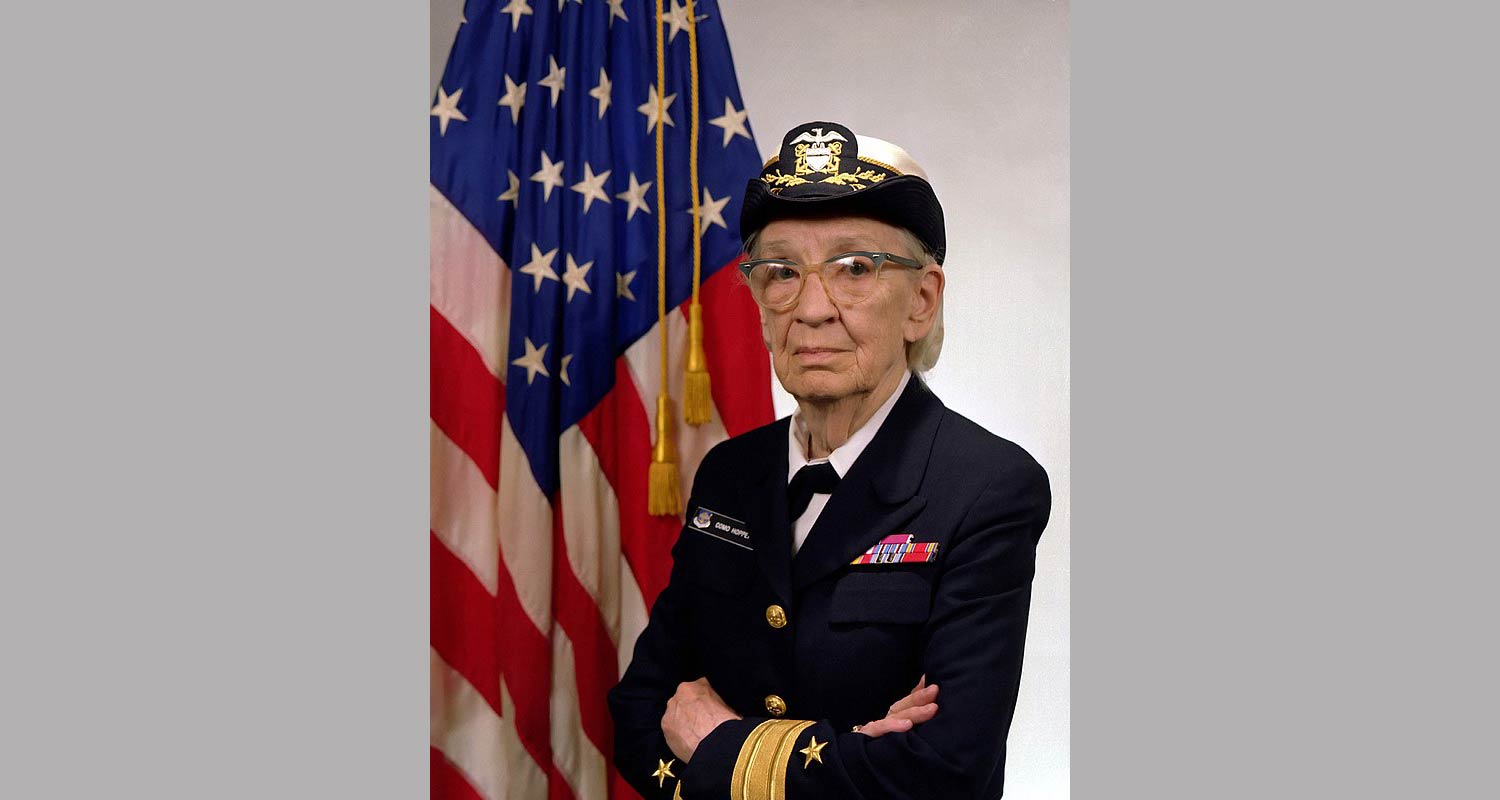
    Grace Hopper

    1. Grace Hopper

    Grace Hopper was one of the first women to earn a doctorate in mathematics in the US when she completed a PhD from Yale University in 1934. Her love for computing developed after she joined the navy and worked on the Harvard Mach I computer in World War 2. Subsequently, Hopper contributed to the development of the Univac I – one of the earliest commercially successful electronic computers. Hopper also played a key role in the development of the Cobol programming language, which gained widescale adoption for business applications in the 1980s and 1990s, and which is still used widely today. Nvidia named its 2019 data centre graphics processors, the Hopper H100, after Hopper.

    Margaret Hamilton

    2. Margaret Hamilton

    Margaret Hamilton was the lead software engineer for the Apollo space programme. She and her team developed the software that guided the Apollo spacecraft, including Apollo 11, which landed on the moon. Hamilton’s approach to creating software emphasised rigorous testing and error detection, setting a standard for reliability and safety-critical systems. She coined the term “software engineering” to describe her methodology.
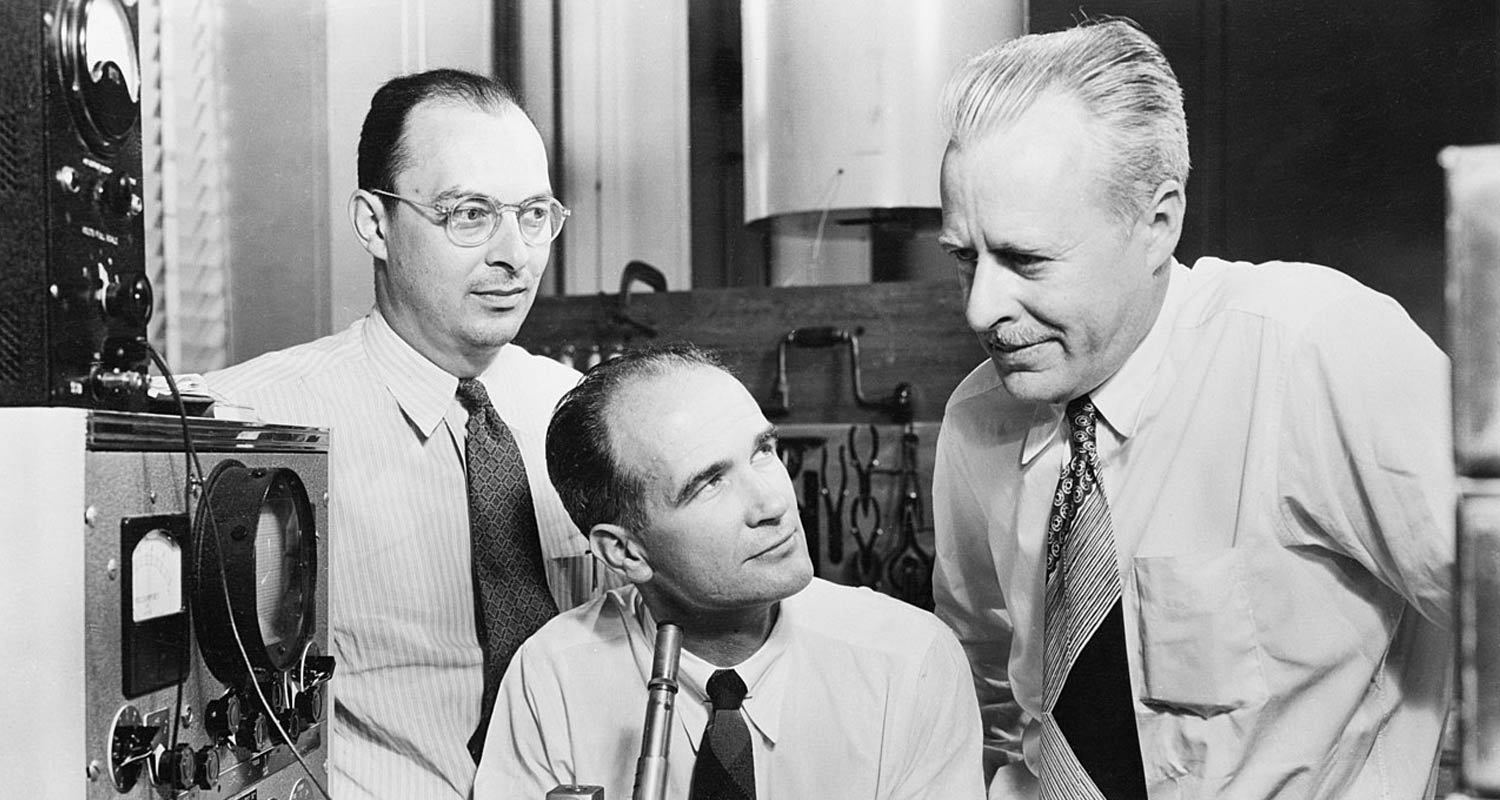
    John Bardeen, Walter Brattain and William Shockley

    3. John Bardeen, Walter Brattain and William Shockley

    The work of mathematicians and logicians such as Karl von Neuman and Alan Turing showed that computing machines could drastically improve human productivity – but this was just theory. Early computers used fragile vacuum tubes that were bulky and unreliable with very little capacity. But in 1947, three Bell Laboratory scientists, John Bardeen, Walter Brattain and William Shockley, made faster, cheaper and smaller computers a possibility when they successfully demonstrated the first working transistor.

    Hedy Lamarr

    4. Hedy Lamarr

    Born Hedwig Eva Maria Kiesler on 9 November 1914 in Austria, Hedy Lamarr gained some renown – as well as earning a decent living – for her work as a Hollywood actress. Her contributions to the technology sector, however, went largely unnoticed during her lifetime. During World War 2, Lamarr collaborated with composer George Anthiel to develop a frequency-hopping spectrum system for radio communication intended to prevent the jamming of radio-guided missiles. Their invention was not used in the war but the duo were awarded the patent for it in 1942. The technology laid the foundation for the wireless technologies in common usage today, including Wi-Fi and Bluetooth.
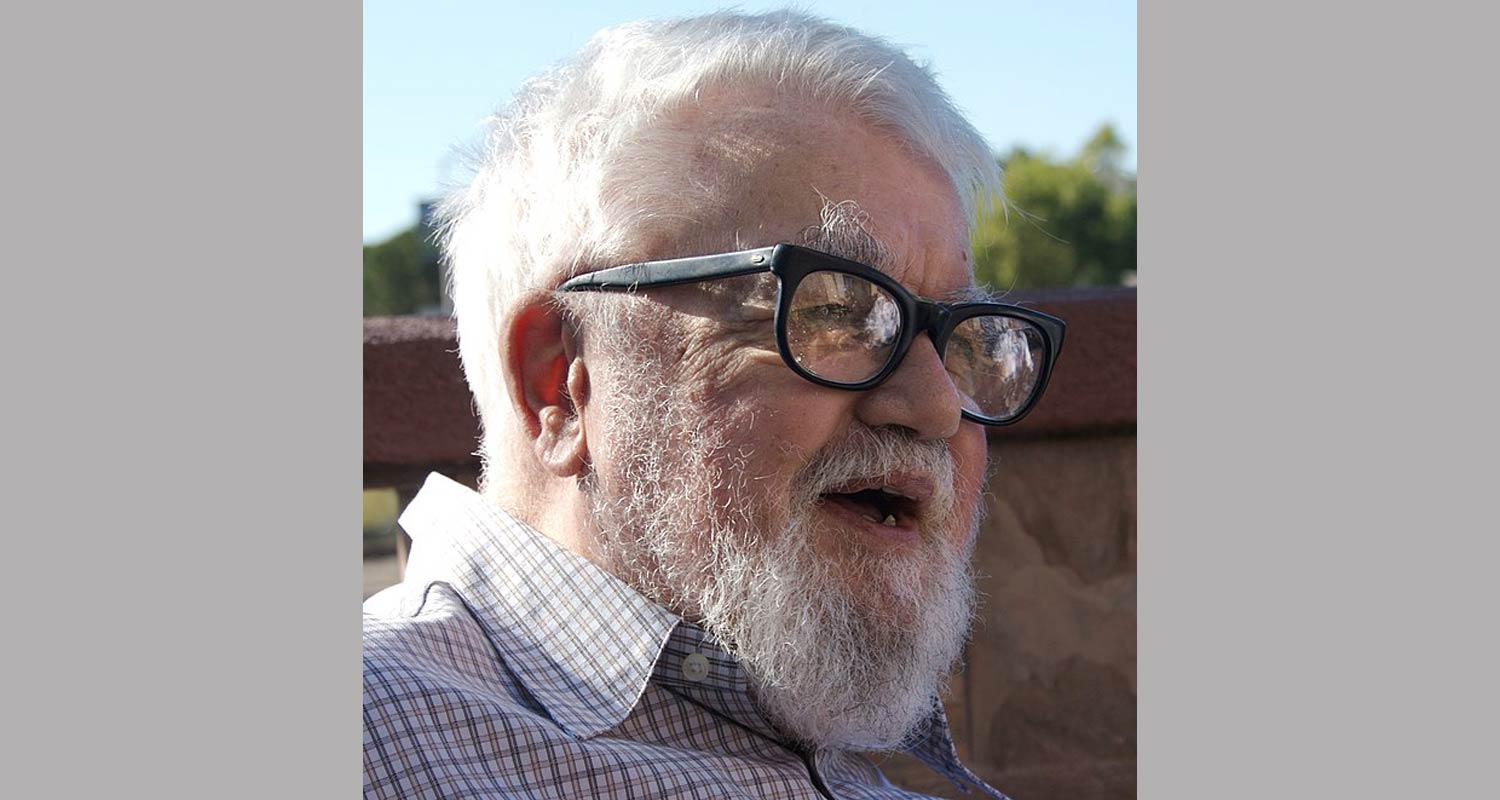
    John McCarthy

    5. John McCarthy

    John McCarthy is an MIT fellow best known as the inventor of Lisp, a forerunner to modern programming languages that introduced concepts such as symbolic expressions, recursion and garbage collection – all still used today. McCarthy’s contributions to the field of artificial intelligence are much more wide-ranging, spanning knowledge representation, planning, natural language processing and robotics. Most notable among these, perhaps, is his coining of the phrase “artificial intelligence” to describe the entire enterprise.
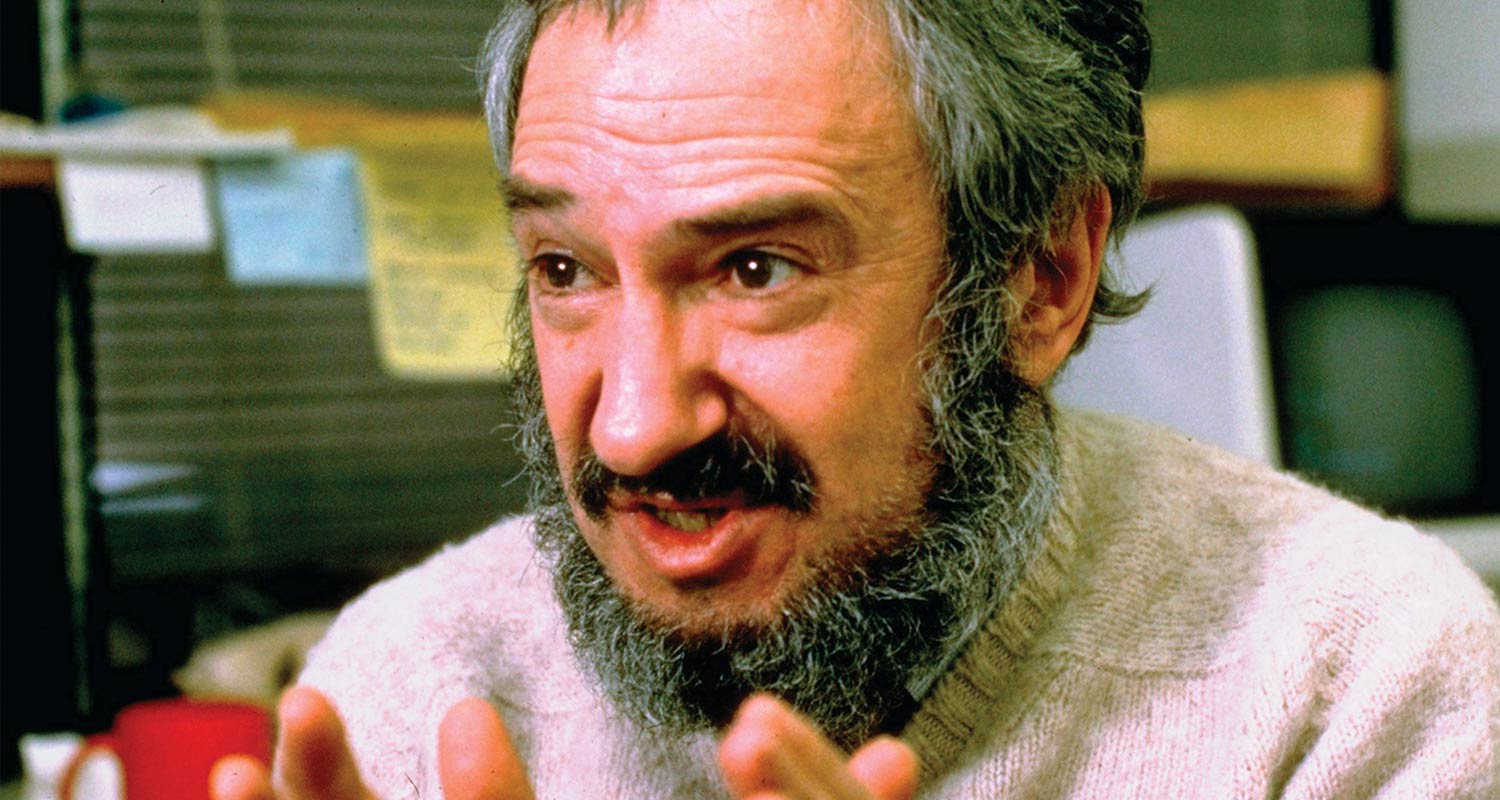
    Seymour Papert

    6. Seymour Papert

    South African born Wits mathematician and MIT computer scientist Seymour Papert is the creator of the Logo programming language, a tool to help children develop their thinking and problem-solving skills. Papert’s work revolved around theories of learning and how computing could be used as a tool to enhance the learning process. He was one of the principals of the Once Laptop per Child initiative, and in collaboration with Lego created the Mindstorms robotics kits – named after a 1980 book also by Papert.
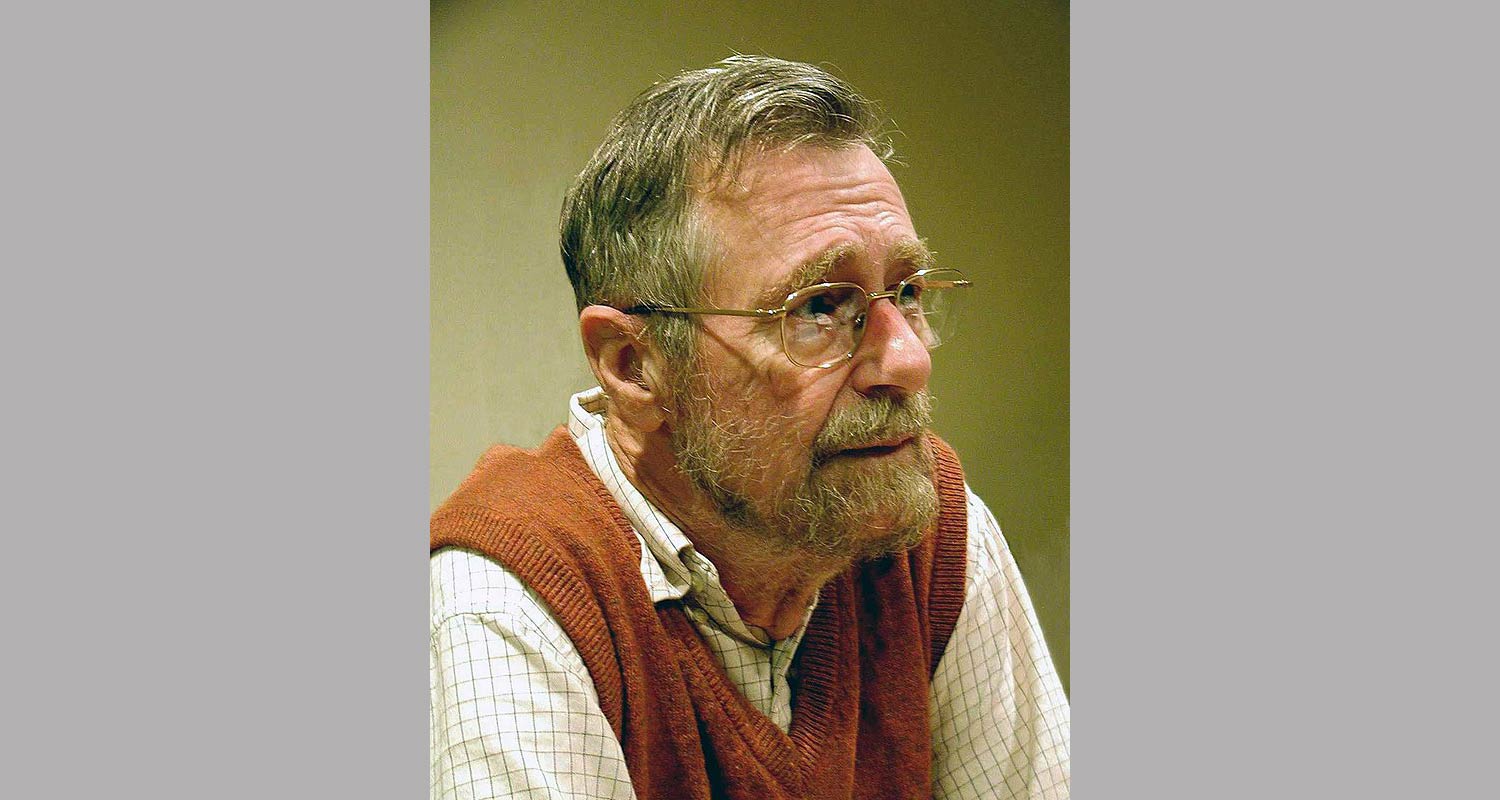
    Edsger Dijkstra

    7. Edsger Dijkstra

    Edsger Dijkstra was born in Rotterdam in the Netherlands on 11 May 1930. He went to become a lecturer in his homeland and then eventually at the University of Austin, Texas. His paper, “Go To Statement Considered Harmful”, published in the Communications of the Association for Computing Machinery in March 1968, advocated for the discipline of structured programming to improve the organisation of programs and the predictability of code. The paradigm has since been incorporated into most modern production programming languages and is a key tenet of software engineering best practices.

    Tim Bray

    8. Tim Bray

    Canadian-born computer scientist Tim Bray is one of the original contributors to the XML standard. The importance of XML as a data interchange format between different systems, especially those built using disparate technologies, is often underplayed. XML played a crucial role in the development of web services, forming the basis the Simple Object Access Protocol (Soap) and facilitating the growth of service-orientated architectures and large-scale distributed applications.
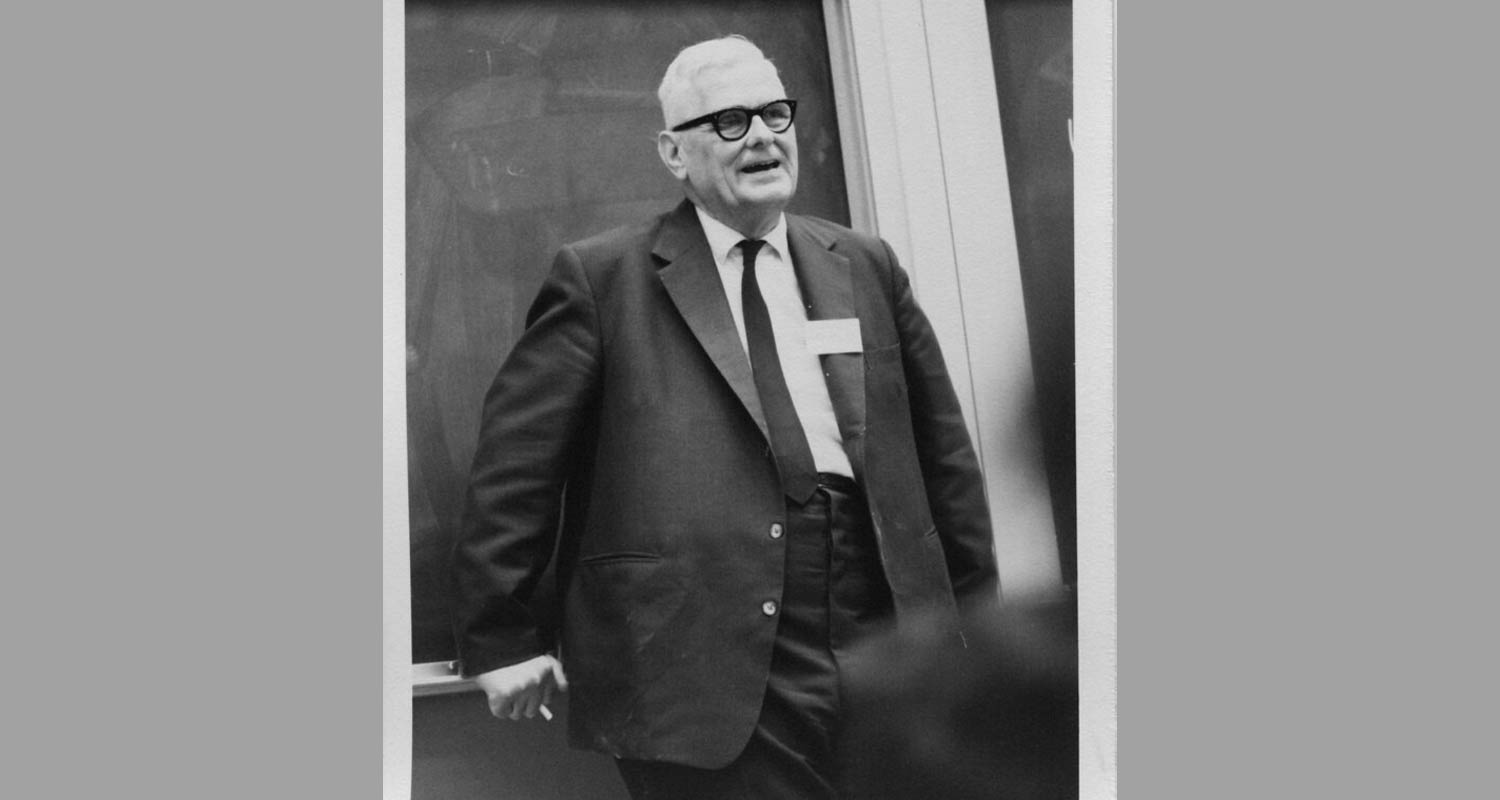
    Alonzo Church

    9. Alonzo Church

    Alonzo Church was a mathematician, logician and computer scientist who lived from 1903 to 1995. He is considered one of the founding fathers of computer science because of his work on Church Numerals (an encoding of natural numbers), lambda calculus and what is most famously known as the Church-Turing thesis – a theory of the nature of computable functions. Church is given credit for his theory of computability alongside Alan Turing, who developed his concept of a Turing Machine and the kinds of numbers that could be computed using it around the same time that Church came up with his theory.
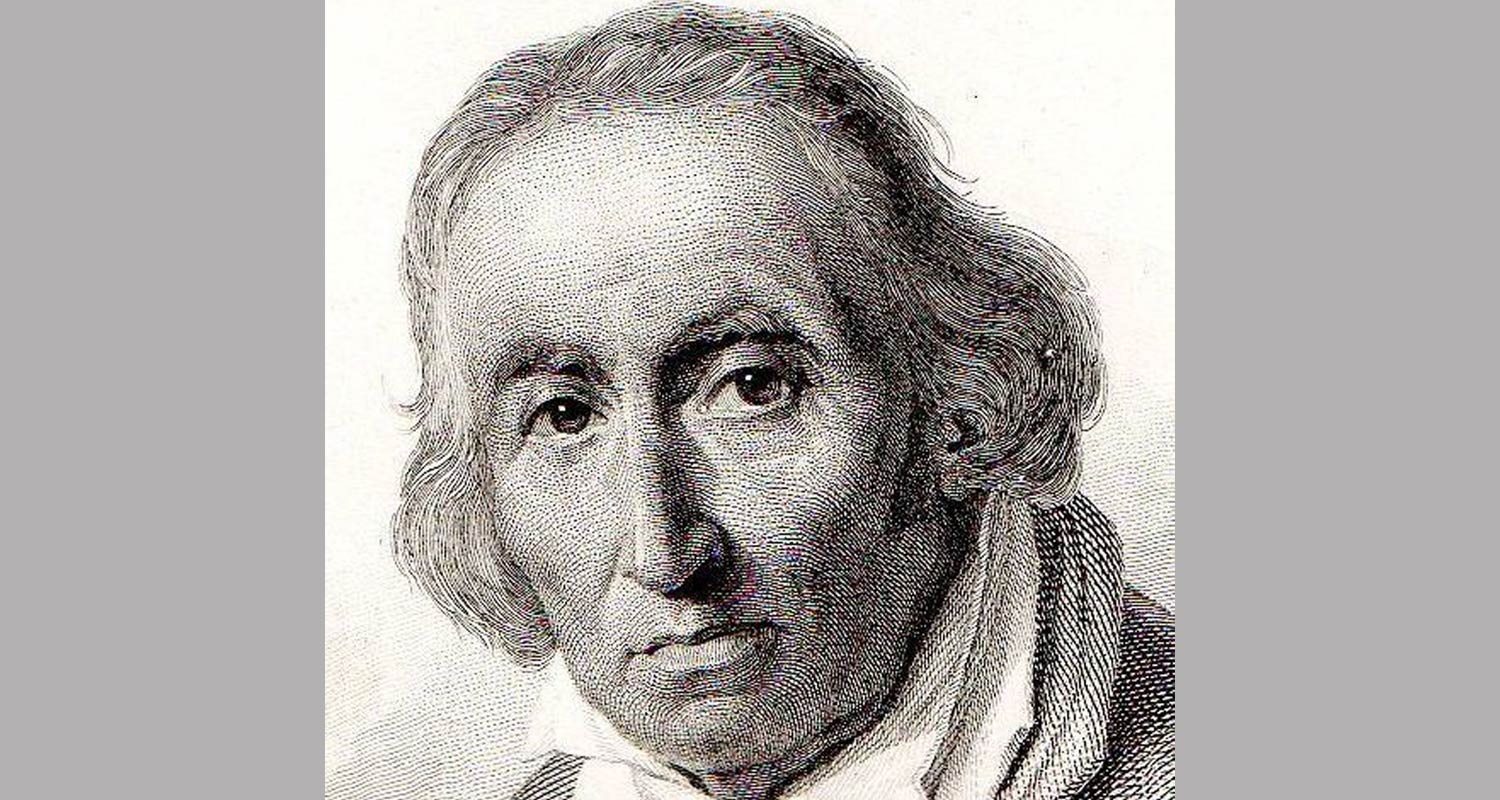
    Joseph Marie Jacquard

    10. Joseph Marie Jacquard

    Joseph Marie Jacquard was a French weaver and merchant who lived from 1752 to 1854. He is the inventor of the Jacquard loom, which differed from any other loom preceding it because it was programmable. A chain of cards, each with holes punched into them to depict the pattern of a single row of the design, controlled the machine’s output. This made it possible to create complex patterns using far less labour in a shorter time. The Jacquard loom is an early example of a programmable machine which later influenced Charles Babbage’s Analytical Engine and the design of the first computers by IBM in the 1950s.  – © 2024 NewsCentral Media

    Read next: The 20 most influential tech products of all time

    Add TechCentral as a preferred source on GoogleFollow TechCentral on Google NewsGet breaking news on WhatsApp


    Alonzo Church Edsger Dijkstra Grace Hopper Hedy Lamarr John Bardeen John McCarthy Joseph Marie Jacquard Margaret Hamilton Seymour Papert Tim Bray Walter Brattain William Shockley
    WhatsApp YouTube
    Share. Facebook Twitter LinkedIn WhatsApp Telegram Email Copy Link
    Previous ArticleJensen Huang vs Lisa Su: Nvidia and AMD chiefs go to war
    Next Article AI’s double-edged sword requires a human security approach

    Related Posts

    40 little-known but fascinating facts about the tech industry

    40 little-known but fascinating facts about the tech industry

    16 September 2024

    Nvidia H100: meet the chip powering an investor frenzy

    23 February 2024

    Dawn of the planet of machines

    17 November 2014
    Company News
    Why fintechs need an insurance partner they can trust - Hollard Insurance

    Why fintechs need an insurance partner they can trust

    8 October 2026
    Reusable KYC means the end of 'please upload your ID' - Contactable

    Reusable KYC means the end of ‘please upload your ID’

    8 October 2026
    Eliminating the 'toggle tax': how CRM integration changes customer experience - Martie de Beer

    Eliminating the ‘toggle tax’: how CRM integration changes customer experience

    8 October 2026
    Opinion
    Let South Africans jailbreak their way to digital sovereignty - Dirk de Vos

    Let South Africans jailbreak their way to digital sovereignty

    5 October 2026
    South Africa's next energy crisis is in the accounts department - Craig Holmes

    South Africa’s next energy crisis is in the accounts department

    29 September 2026
    The steam engine lesson AI doomsayers keep missing - Sam Clarke

    The steam engine lesson AI doomsayers keep missing

    28 September 2026

    Subscribe to Updates

    Get the best South African technology news and analysis delivered to your e-mail inbox every morning.

    Latest Posts
    Shoprite ranks cybersecurity as its number one risk - Pieter Engelbrecht

    Shoprite ranks cybersecurity as its number one risk

    9 October 2026
    Shoprite takes on the banking apps with airtime on Sixty60

    Shoprite takes on the banking apps with airtime on Sixty60

    9 October 2026
    How to tell telemarketers to get lost - officially

    How to tell telemarketers to get lost – officially

    9 October 2026
    Data centres are the new front line in the Russia-Ukraine war

    Data centres are the new front line in the Russia-Ukraine war

    9 October 2026
    © 2009 - 2026 NewsCentral Media
    Built and maintained by Chronon
    • Cookie policy (ZA)
    • TechCentral – privacy and Popia

    Type above and press Enter to search. Press Esc to cancel.

    Manage consent

    TechCentral uses cookies to enhance its offerings. Consenting to these technologies allows us to serve you better. Not consenting or withdrawing consent may adversely affect certain features and functions of the website.

    Functional Always active
    The technical storage or access is strictly necessary for the legitimate purpose of enabling the use of a specific service explicitly requested by the subscriber or user, or for the sole purpose of carrying out the transmission of a communication over an electronic communications network.
    Preferences
    The technical storage or access is necessary for the legitimate purpose of storing preferences that are not requested by the subscriber or user.
    Statistics
    The technical storage or access that is used exclusively for statistical purposes. The technical storage or access that is used exclusively for anonymous statistical purposes. Without a subpoena, voluntary compliance on the part of your Internet Service Provider, or additional records from a third party, information stored or retrieved for this purpose alone cannot usually be used to identify you.
    Marketing
    The technical storage or access is required to create user profiles to send advertising, or to track the user on a website or across several websites for similar marketing purposes.
    • Manage options
    • Manage services
    • Manage {vendor_count} vendors
    • Read more about these purposes
    View preferences
    • {title}
    • {title}
    • {title}
    🇿🇦 Sign up to the TechCentral newsletter