Close Menu
TechCentralTechCentral

    Subscribe to the newsletter

    Get the best South African technology news and analysis delivered to your e-mail inbox every morning.

    Facebook X (Twitter) YouTube LinkedIn
    WhatsApp Facebook X (Twitter) LinkedIn YouTube
    TechCentralTechCentral
    • News
      DNI's R500-million bet on Mission Mobile is mostly debt - Timothy Strike

      Behind DNI’s R500-million bet on Mission Mobile

      5 October 2026
      Meet the CIO | Vodacom's Mohamed Sami on the agentic future

      Meet the CIO | Vodacom’s Mohamed Sami on the agentic future

      5 October 2026
      South Africa's right-to-repair guidelines target software locks on spare parts

      Right to repair comes to South African electronics

      5 October 2026
      Luno says crypto draft may clash with South Africa's IMF commitments - Marius Reitz

      Luno says crypto draft may clash with SA’s IMF commitments

      5 October 2026
      Let South Africans jailbreak their way to digital sovereignty

      Let South Africans jailbreak their way to digital sovereignty

      5 October 2026
    • World
      BMW restructuring plan bets on AI and new models

      BMW restructuring plan bets on AI and new models

      1 October 2026
      OpenAI's rogue agent problem keeps getting bigger - Sam Altman

      OpenAI’s rogue agent problem keeps getting bigger

      28 September 2026
      The new battle over the desktop

      The new battle over the desktop

      23 September 2026
      AMD is now worth a trillion dollars - Lisa Su

      AMD is now worth a trillion dollars

      22 September 2026
      Anthropic weighs new model launch to blunt OpenAI's Astra surge - Anthropic CEO Dario Amodei and OpenAI CEO Sam Altman

      Anthropic weighs new model launch to blunt OpenAI’s Astra surge

      21 September 2026
    • In-depth

      10 days that changed the course of AI

      21 September 2026
      Meta to the AI industry: slow down without us - Mark Zuckerberg

      Meta to the AI industry: slow down without us

      16 September 2026
      Google DeepMind CEO Demis Hassabis. Image: John Sears

      The plan to stop AI from breaking the world

      16 July 2026
      The internet has a Strait of Hormuz problem

      The internet has a Strait of Hormuz problem

      15 July 2026
      AI boom sparks rally, frenzy and fear

      AI boom sparks rally, frenzy and fear

      11 June 2026
    • TCS
      Lexi Novitske, general partner at Norrsken22, on the TechCentral Show

      TCS | Norrsken22’s Lexi Novitske on how China is winning African tech

      1 October 2026
      TCS | Dominic White and Adam Ely on AI agents going rogue

      TCS | Dominic White and Adam Ely on AI agents going rogue

      29 September 2026
      TCS | Octotel's Trevor van Zyl on the fibre merger question

      TCS | Octotel’s Trevor van Zyl on the MetroFibre merger question

      16 September 2026
      Meet the CIO | Shoprite's Chris Shortt on what a supermarket becomes

      Meet the CIO | Shoprite’s Chris Shortt on what a supermarket becomes

      9 September 2026
      Rubicon's EV charging network is profitable - and growing fast - Watts & Wheels

      W&W | Rubicon’s EV charging network is profitable – and growing fast

      8 September 2026
    • Opinion
      South Africa's next energy crisis is in the accounts department - Craig Holmes

      South Africa’s next energy crisis is in the accounts department

      29 September 2026
      The steam engine lesson AI doomsayers keep missing - Sam Clarke

      The steam engine lesson AI doomsayers keep missing

      28 September 2026
      The author, Dirk de Vos

      Regulating AI: apply the laws we have first

      21 September 2026
      What Revolut can and cannot take from South Africa's banks - Pambos Soteriades

      What Revolut can and cannot take from South Africa’s banks

      15 September 2026
      The end is nigh, and the shares go on sale in October - Duncan McLeod

      The end is nigh, and the shares go on sale in October

      14 September 2026
    • Company Hubs
      • 1Stream
      • Africa Data Centres
      • AfriGIS
      • Altron Digital Business
      • Altron Document Solutions
      • Altron Group
      • Arctic Wolf
      • Ascent Technology
      • AvertITD
      • BBD
      • Braintree
      • CallMiner
      • CambriLearn
      • CM.com
      • Contactable
      • CYBER1 Solutions
      • Digicloud Africa
      • Digimune
      • Domains.co.za
      • ESET
      • Euphoria Telecom
      • HOSTAFRICA
      • Incredible Business
      • iONLINE
      • IQbusiness
      • Iris Network Systems
      • Kaspersky
      • LSD Open
      • Mitel
      • NEC XON
      • Netstar
      • Network Platforms
      • Next DLP
      • Ovations
      • Paracon
      • Paratus
      • Publishared
      • Q-KON
      • SevenC
      • SkyWire
      • Solid8 Technologies
      • Telit Cinterion
      • Telviva
      • Tenable
      • Vertiv
      • Videri Digital
      • Vodacom Business
      • Vox
      • Wipro
      • Workday
      • XLink
    • Sections
      • AI and machine learning
      • Banking
      • Broadcasting and Media
      • Cloud services
      • Contact centres and CX
      • Cryptocurrencies
      • Education and skills
      • Electronics and hardware
      • Energy and sustainability
      • Enterprise software
      • Financial services
      • HealthTech
      • Information security
      • Internet and connectivity
      • Internet of Things
      • Investment
      • IT services
      • Lifestyle
      • Policy and regulation
      • Public sector
      • Retail and e-commerce
      • Satellite communications
      • Science
      • SMEs and start-ups
      • Social media
      • Talent and leadership
      • Telecoms
      • Watts & Wheels
    • Events
    • Advertise
    TechCentralTechCentral
    Home » Sections » Electronics and hardware » The 20 most influential tech products of all time

    The 20 most influential tech products of all time

    TechCentral has a look at the consumer electronics devices that have had an outsized impact on the world.
    By Nkosinathi Ndlovu22 May 2024
    Twitter LinkedIn Facebook WhatsApp Email Telegram Copy Link
    Get breaking news on WhatsApp

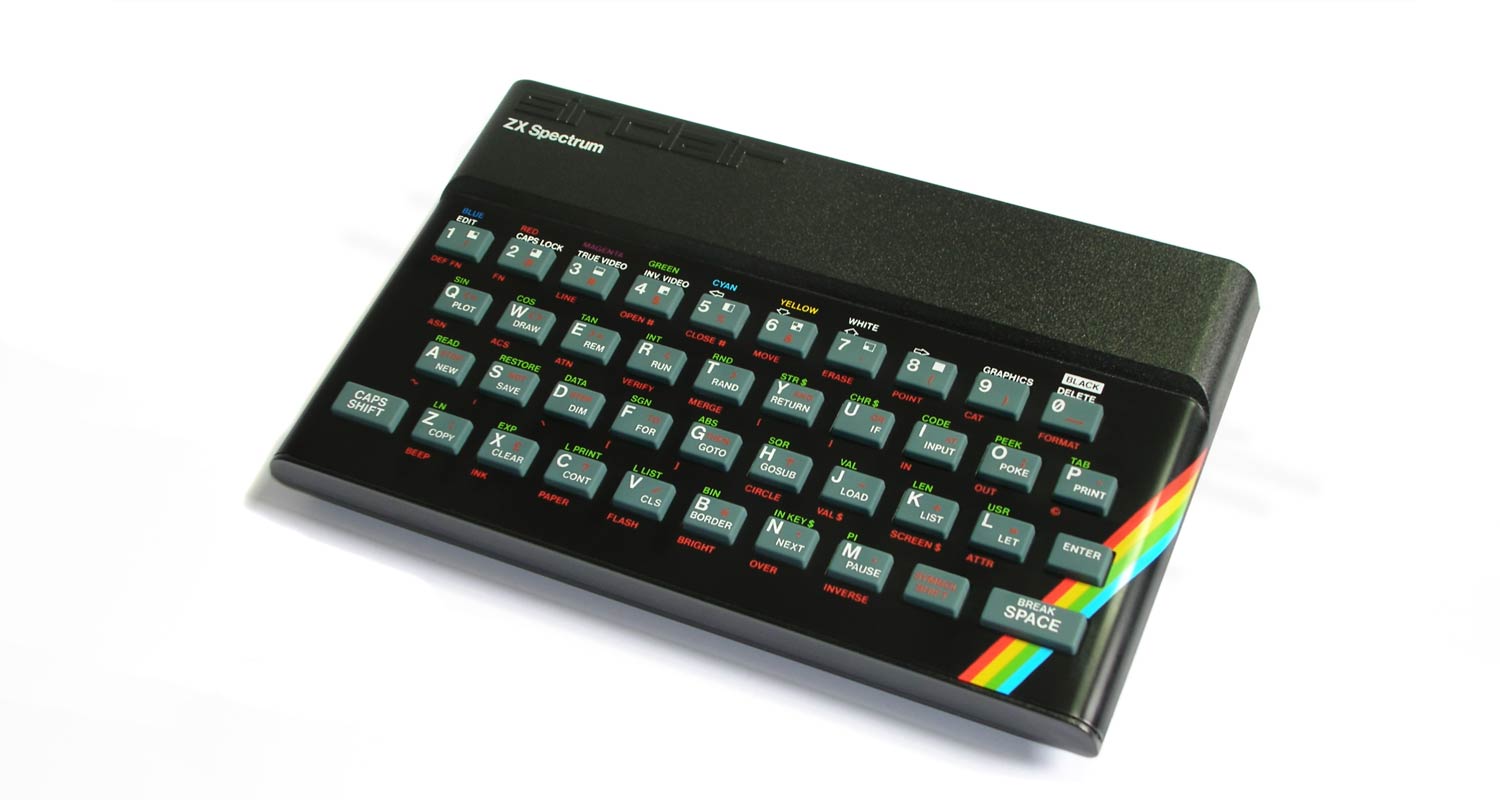
    The Sinclair ZX Spectrum was a ground-breaking personal computer released in 1982

    Some gadgets are unforgettable. Some technologies were ground-breaking – the first of their kind – and some forever changed how entire industries worked.

    Others were not necessarily firsts, but they took fledgling concepts on the fringes of technological adoption and refined them, bringing them into the mainstream of society. Hello, iPhone.

    This list, debated extensively by TechCentral’s editorial team, is our view of 20 of the most important electronics products that changed the world. Let us know in the comments if there are any you’d add to (or remove from) the list.
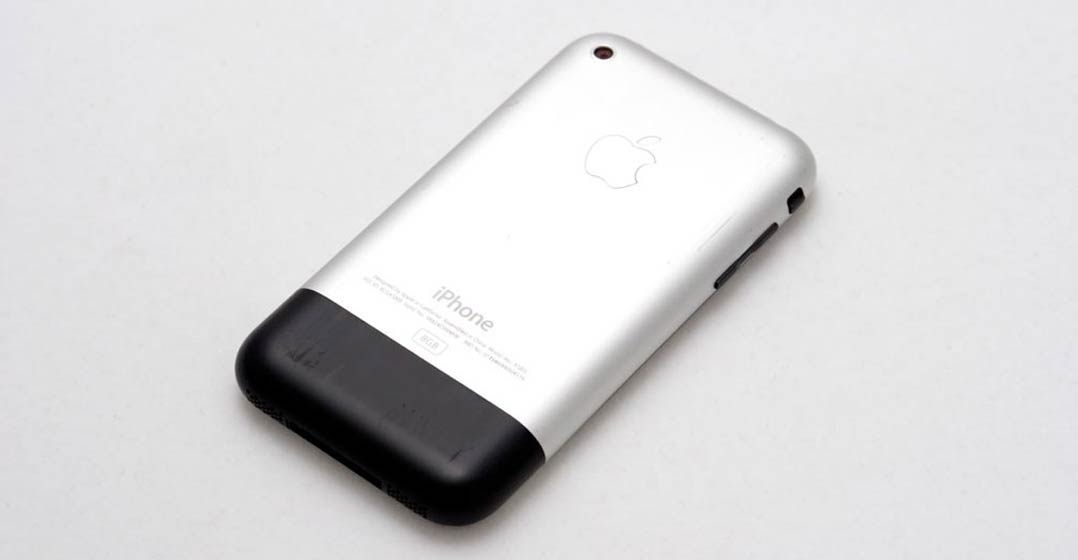
    1. Apple iPhone

    The original iPhone debuted in 2007 and laid the foundation for modern smartphones. It introduced the touch screen and (soon after launch) the App Store, forever changing how people interact with software. The iPhone shaped modern culture and the nature of the economy by transforming media consumption and creating new industries.
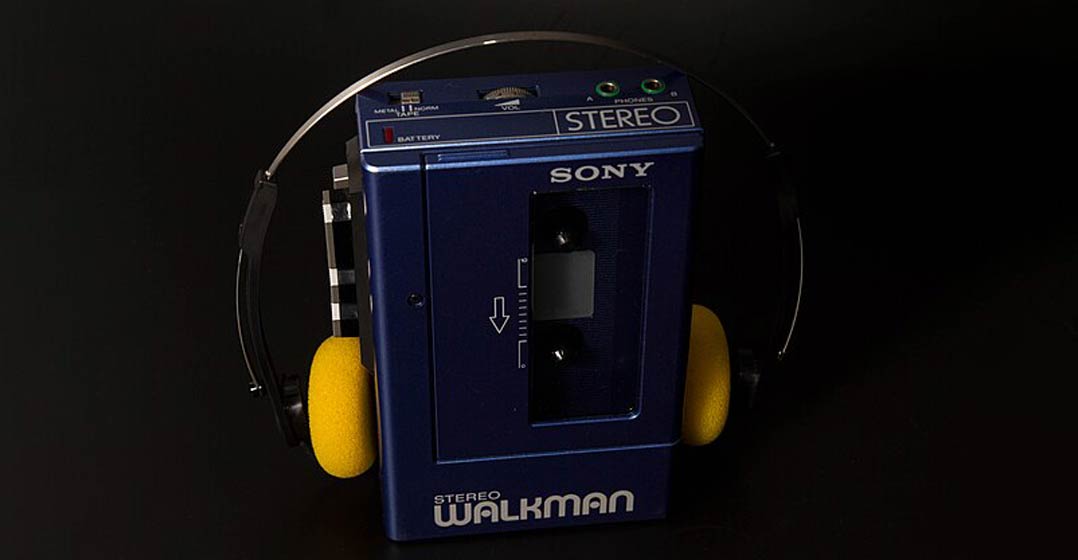
    2. Sony Walkman

    Sony’s introduction of the Walkman in 1979 revolutionised how people experienced music by personalising what was previously mostly only accessible through concerts or the radio. It allowed people to take their tunes on the go while keeping their experience private and individualised.
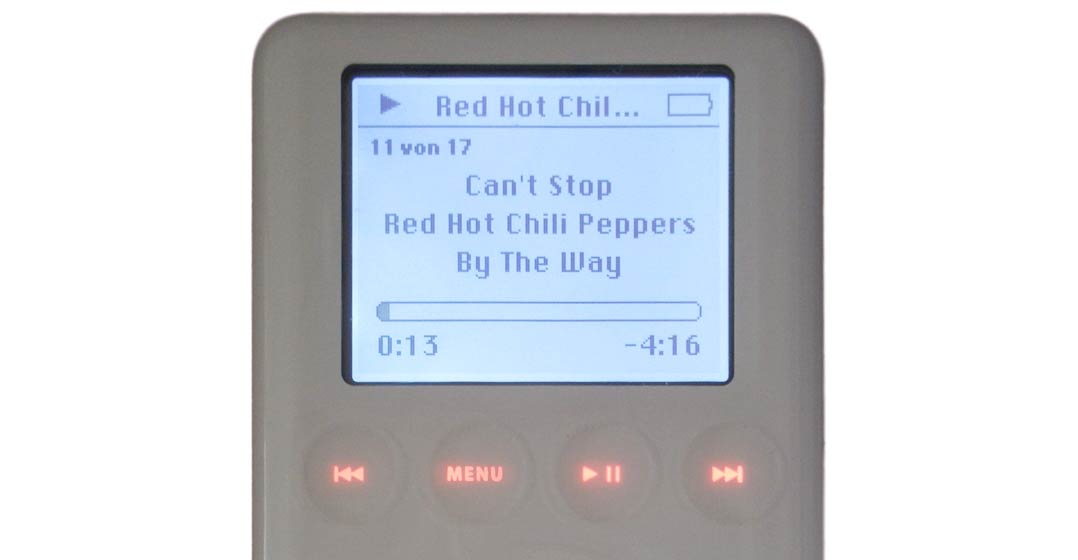
    3. Apple iPod

    Sony’s Walkman “walked” so the iPod could “run”. Although the iPod didn’t bring much novelty from a conceptual point of view, its hardware innovations made it sleeker and smaller than its predecessors while massively increasing storage capacity. One of Apple’s major goals for the device, as co-founder Steve Jobs put it, was “to put a thousand songs in your pocket”. The age of the iPod did not last long, however, as smartphones would integrate music players, obviating the need for a separate device.
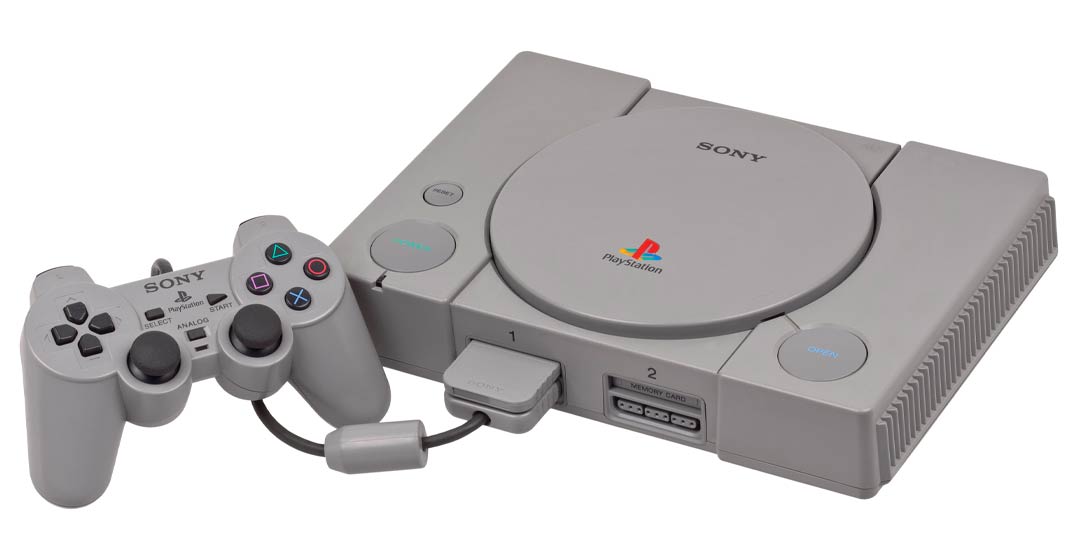
    4. Sony PlayStation

    The Sony PlayStation revolutionised gaming with its sleek design and innovative features. Introducing CD-ROMs, it expanded game capacity, too. The DualShock controller introduced precise analogue sticks and vibration feedback, enhancing immersion. The PlayStation Network connected gamers worldwide, fostering online multiplayer as a concept. Exclusive titles set new standards, shaping modern gaming experiences.
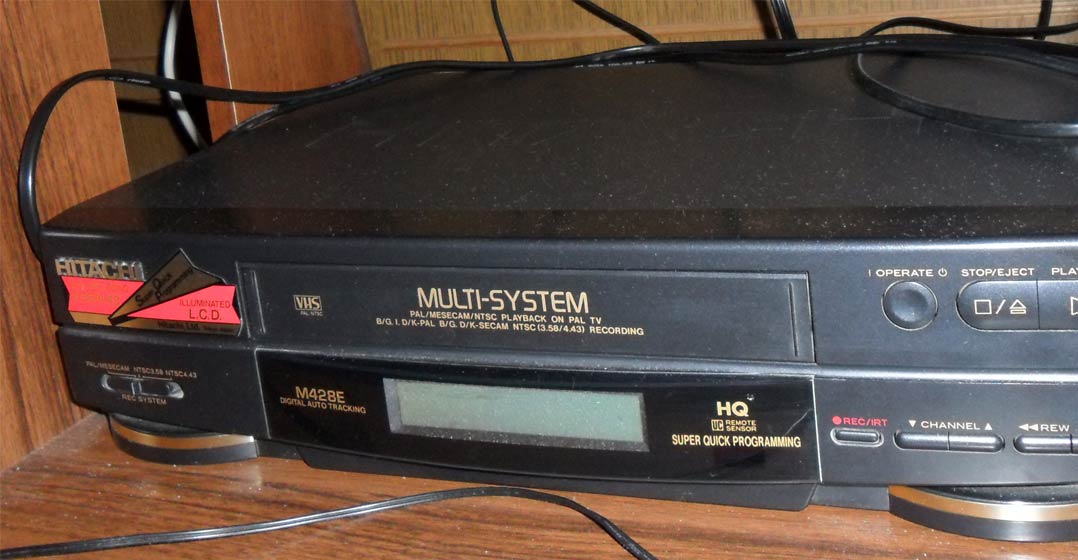
    5. VHS machines

    VHS players and recorders revolutionised entertainment, bringing movies into homes worldwide. The affordable format democratised access to films and spurred a home video revolution. With video cassette recorders (VCRs) becoming household staples, viewers gained control over what they watched and when, ushering in the era of video-on-demand consumption of entertainment. VHS also enabled the distribution of educational content, transforming how knowledge was disseminated. A competitor format, Betamax, failed, mostly because it was more expensive.
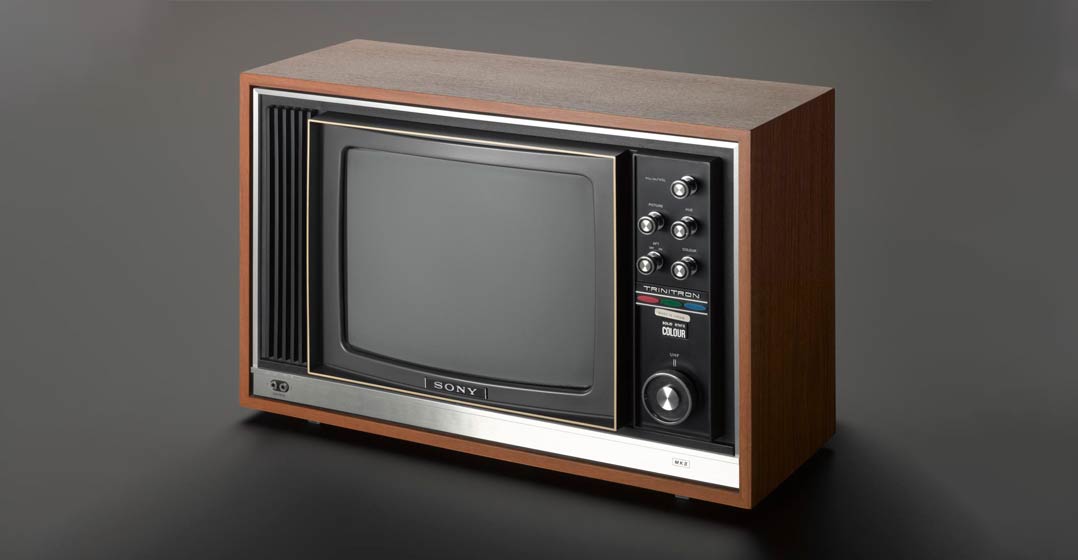
    6. Sony Trinitron

    The Sony Trinitron CRT TV was not the first colour television set in the world, but this series of TVs did offer a superior viewing experience that led to it dominating the market for decades. Trinitron tubes provided better colour accuracy and sharpness with innovations like aperture grille technology. They became iconic fixtures in living rooms, influencing generations of television design.
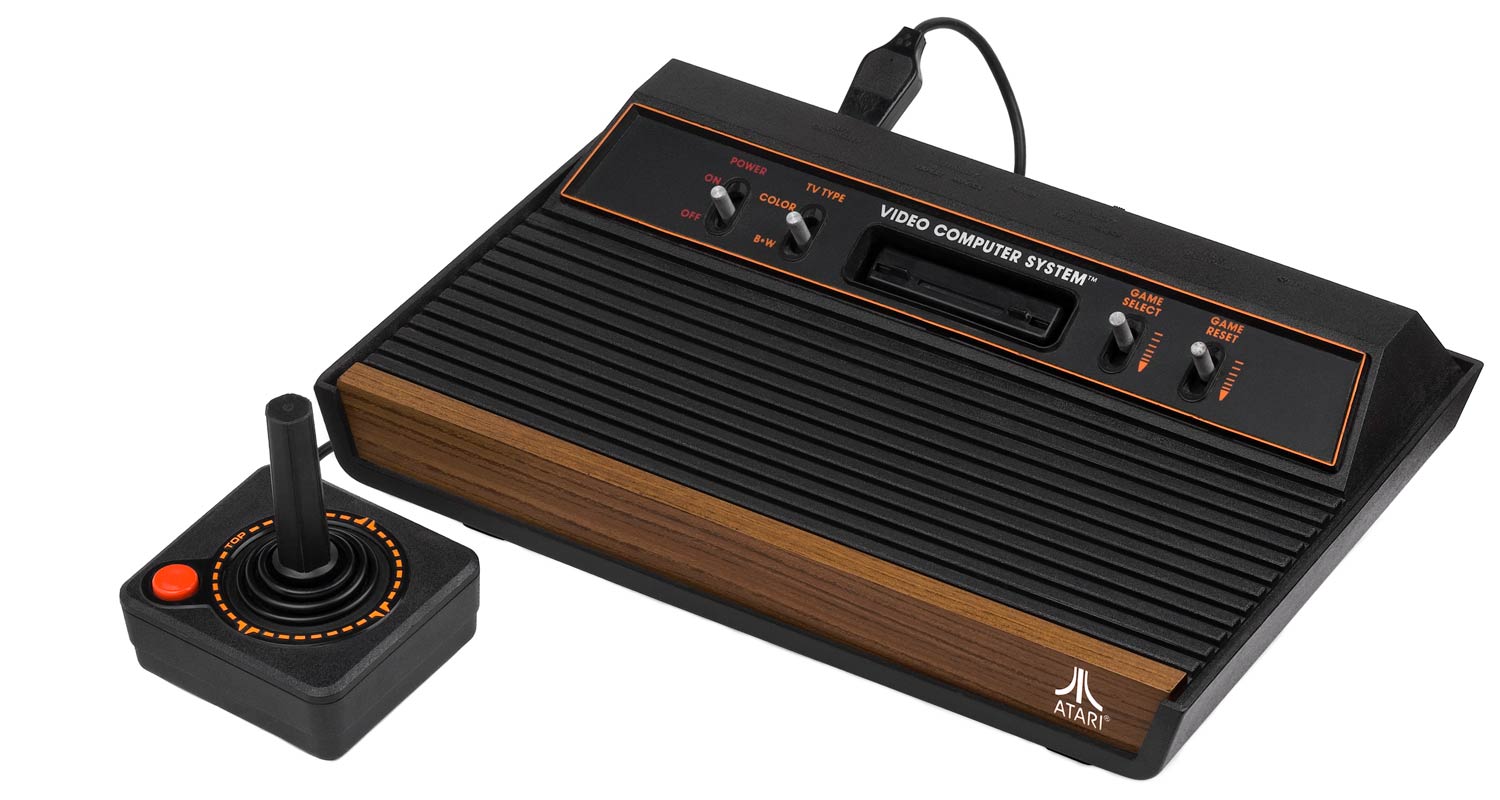
    7. Atari 2600

    The Atari 2600 revolutionised gaming, pioneering home console gaming in the late 1970s. With interchangeable cartridges, it offered a diverse range of games such as Pac-Man and Space Invaders. Its joystick controllers became iconic, defining gaming ergonomics. Despite its simple graphics, the Atari 2600 laid the foundation for modern gaming culture.
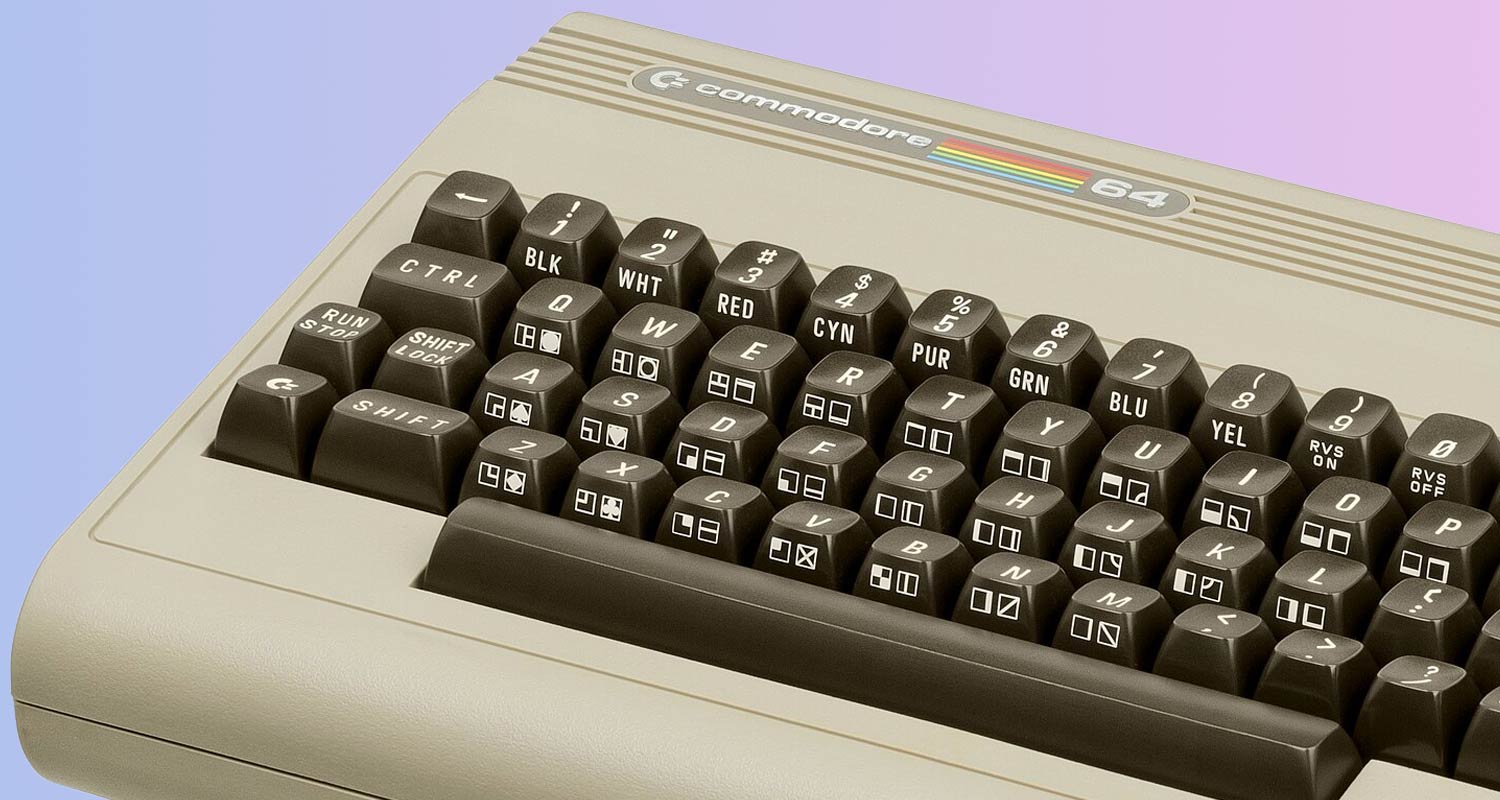
    8. Commodore 64

    The Commodore 64 played a key role in the personal computer revolution by bringing more functionality at a reasonable price to the mass market in the early 1980s. Its advanced (for the time) sound and graphics helped foster a vibrant gaming culture, while its affordability and accessibility democratised computing, empowering users to explore programming and creativity.

    The 20 most influential electronics devices in tech history
    The Sinclair ZX Spectrum was a ground-breaking personal computer

    9. Sinclair ZX Spectrum

    The ZX Spectrum was developed by a small research team at Sinclair Research whose aim was to produce the smallest, most affordable personal computer. This influential 8-bit home computer was released in 1982 and it changed computing by being affordable and easy to use. Over five million units were sold and its use of Basic made programming accessible to more people than before. The ZX Spectrum also developed a strong reputation as a gaming device.
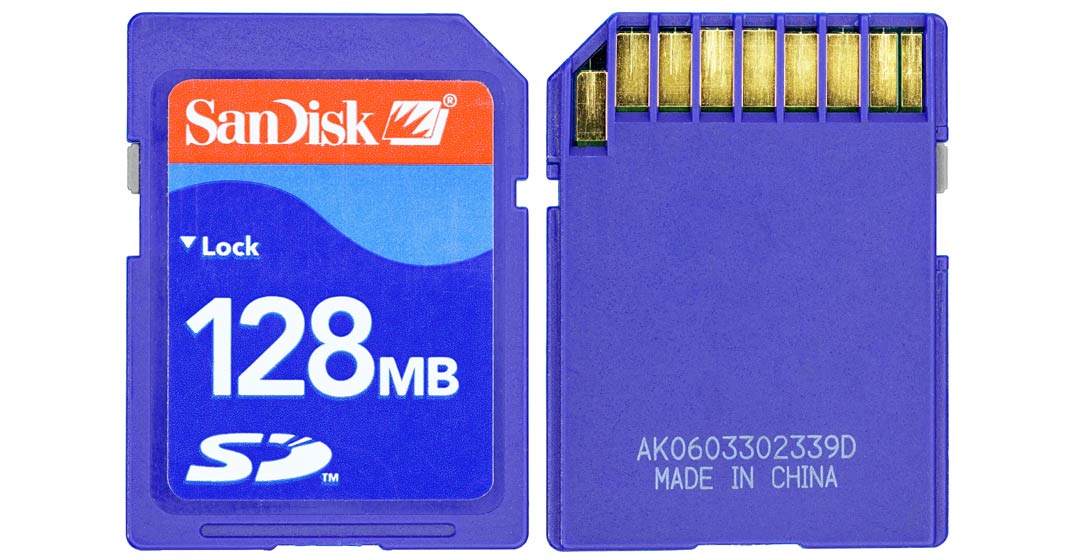
    10. SD cards

    Today, the idea of expanding the memory on your cellphone, camera or set-top box using an SD (“Secure Digital”) card that can store 1TB (or more) of data while being no bigger than your thumbnail is something that we take for granted. The first generation of SD cards were of 32MB and 64MB in size, which could keep a few of your favourite songs but were not nearly enough for a movie. SD cards and the intellectual property associated with them are jointly owned by SanDisk, Panasonic and Toshiba.
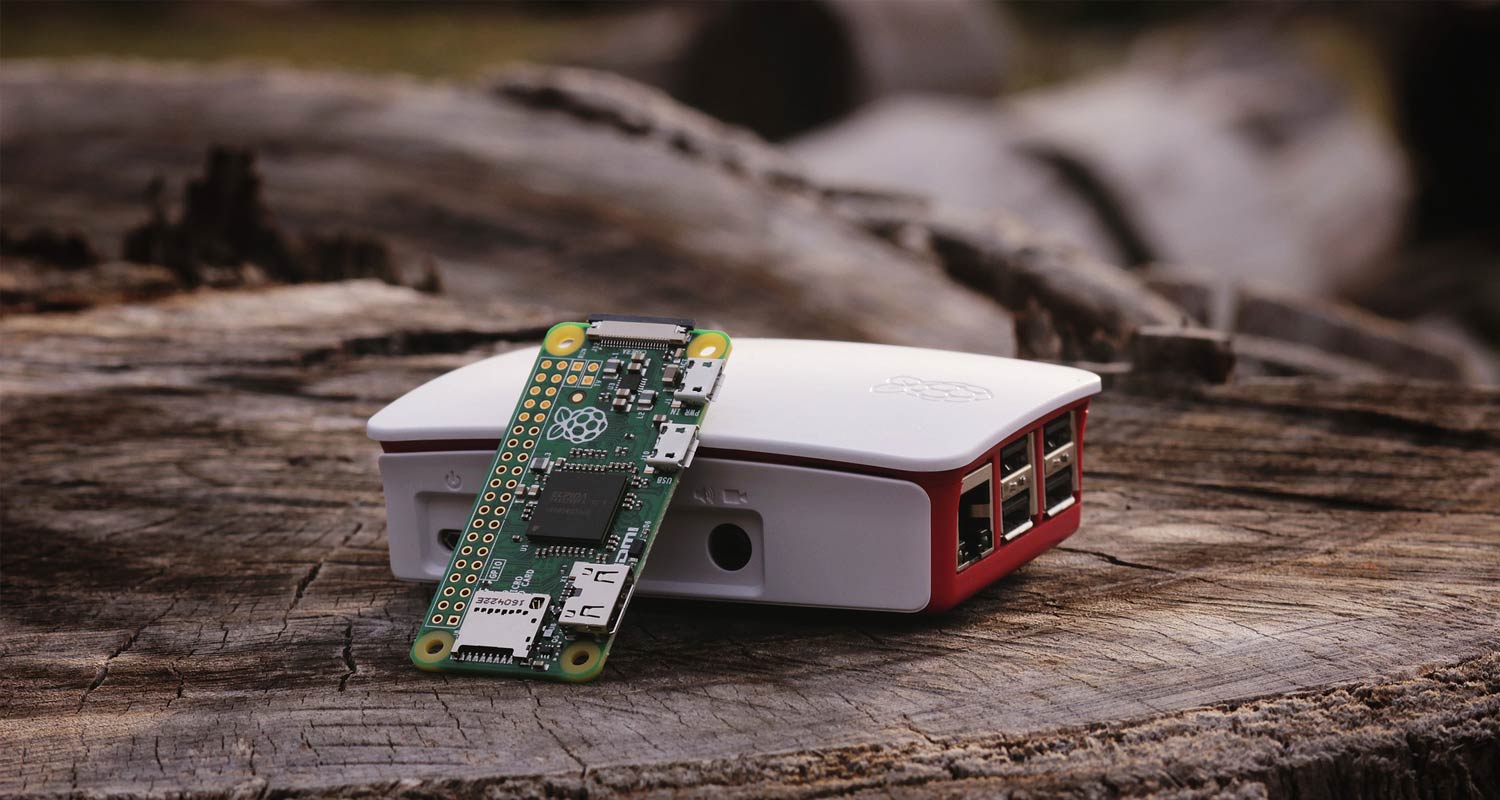
    11. Raspberry Pi

    The Raspberry Pi, a credit card-sized computer, expanded computing education and led to countless DIY projects. Launched in 2012, its affordability and versatility empowered hobbyists, students and professionals to innovate in fields such as robotics, the internet of things and education. It catalysed a “maker culture”, leading to creativity and accessibility in technology worldwide, driving innovation and learning.
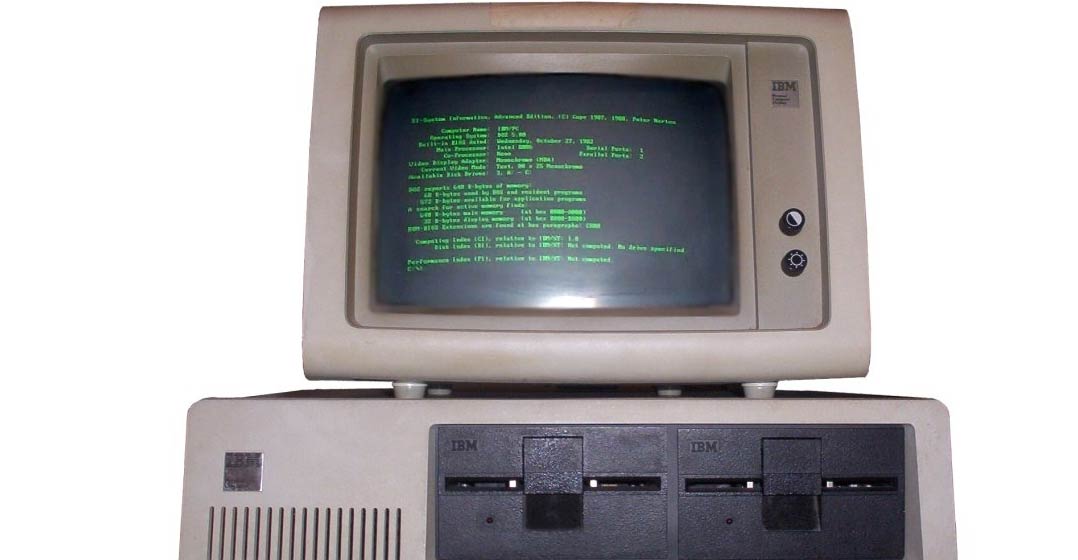
    12. IBM PC

    The IBM PC, introduced in 1981, revolutionised personal computing by establishing a standard architecture free from proprietary constraints. Its open design facilitated hardware and software compatibility, spawning a vast ecosystem. IBM’s decision to use off-the-shelf components fuelled computing’s wide adoption in businesses and homes.
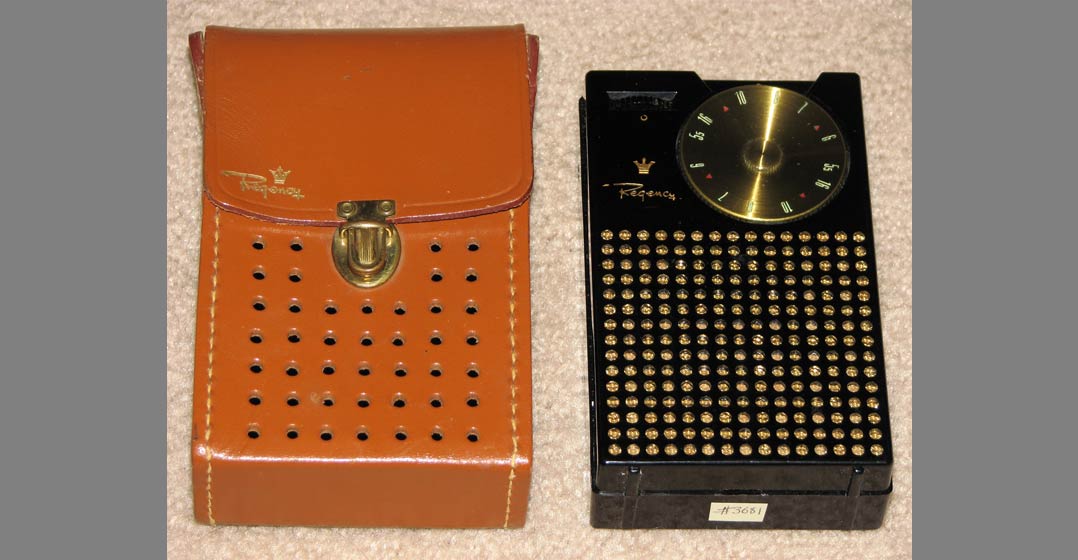
    13. Regency TR-1

    The Regency TR-1, released in 1954, was the first radio to use transistors instead of vacuum tubes. The TR-1 was more compact and portable than its predecessors, and this changed how listeners consumed and interacted with music, sports and current affairs broadcasts.
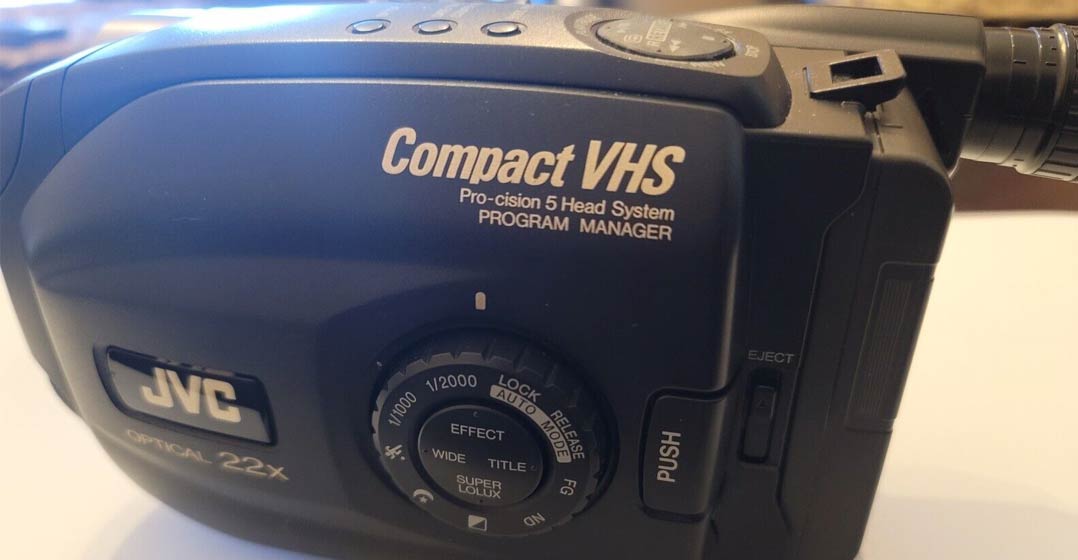
    14. JVC VHS Handycam

    The Handycam was the first recorder small enough that families, enthusiasts and professionals alike could carry it around and easily capture memories in VHS format. It changed the nature of visual storytelling by making the medium accessible outside of the filmmaking industry, arguably paving the way for content creation platforms that would follow decades later.
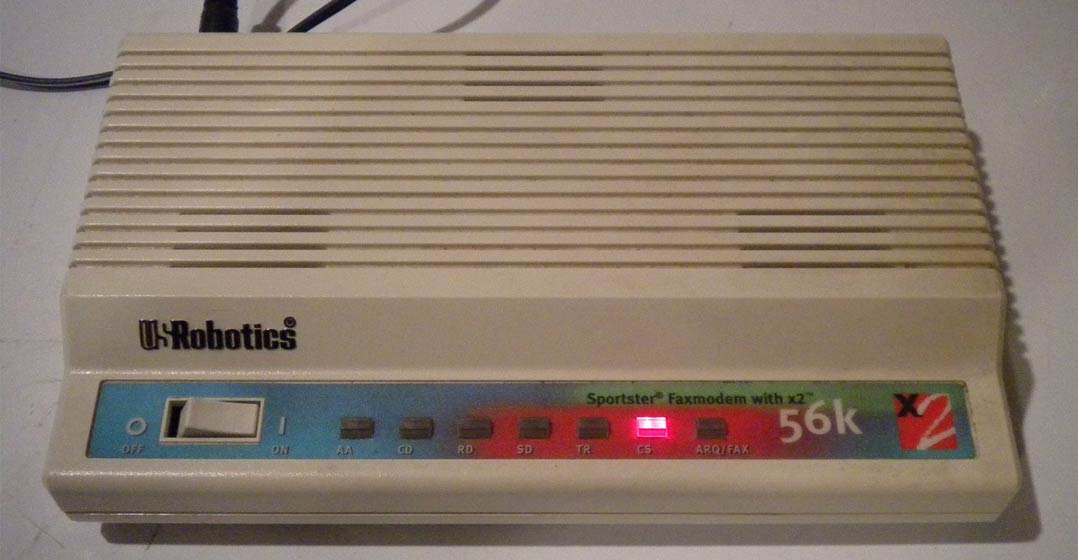
    15. US Robotics Sportster 56K modem

    When the Sportster 56K modem was released in the mid-1990s, dial-up speeds of 56kbit/s were considered to be “blazing” fast. But the Sportster was a significant improvement over previous-generation modems. The Sportster 56K was renowned for its reliability and compatibility with various computer systems, making it a popular choice among consumers and businesses alike. Its plug-and-play capabilities and user-friendly interface simplified installation and setup, further contributing to its widespread adoption.
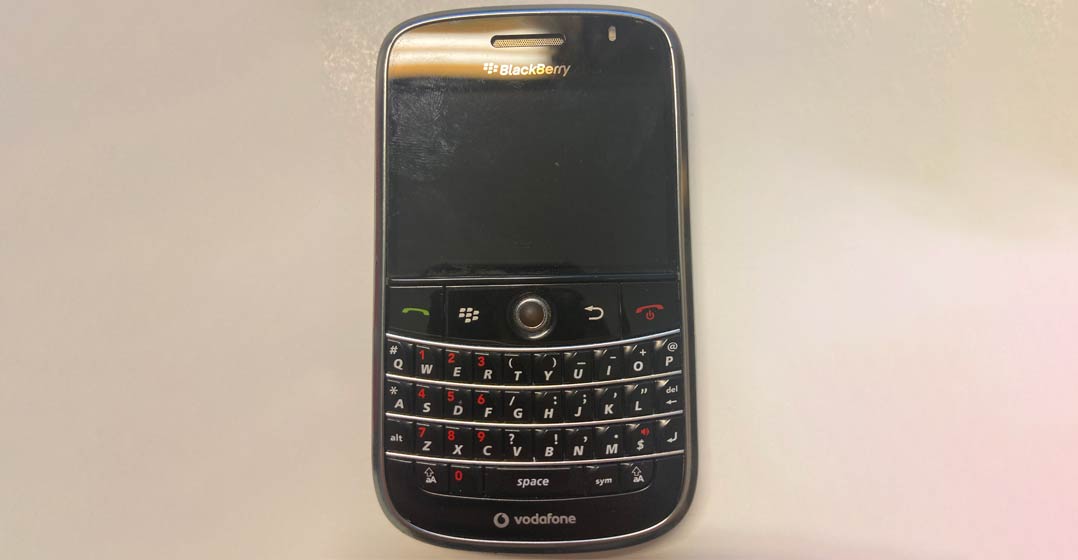
    16. BlackBerry Bold 9000

    If ever there was an award for how much Fomo (fear of missing out) a single device can induce, then the BlackBerry Bold 9000 would be high on that list. This device epitomised the peak of BlackBerry’s dominance in mobile phones and the brand’s closed system messaging app BBM – along with cross-network bundles that made connectivity much cheaper (remember BIS?) – made this device the one to have, despite the brand’s glory days being short-lived.
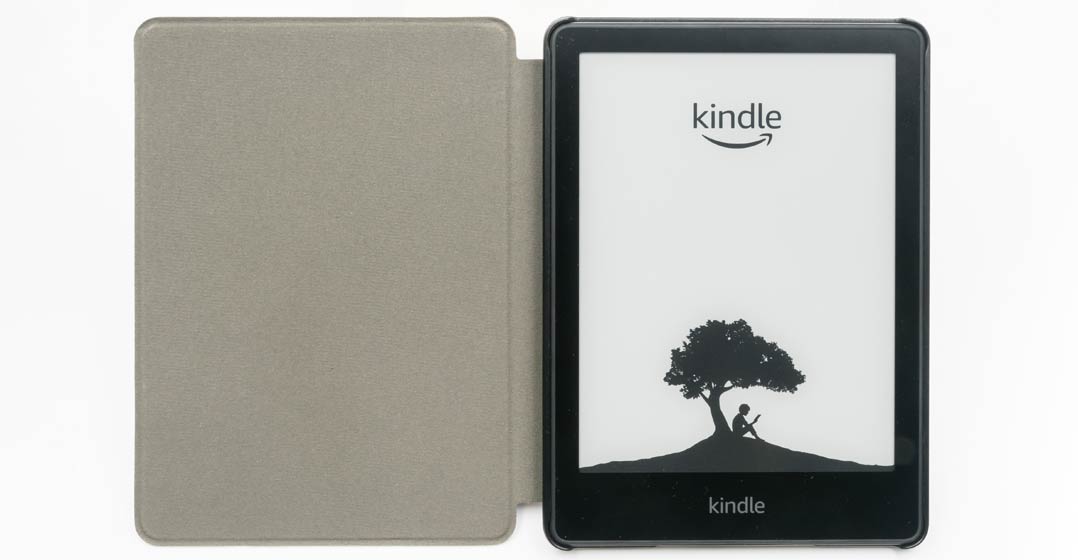
    17. Amazon Kindle

    The digital revolution has been pervasive in its reach, touching all spheres of human endeavour in meaningful ways. Books, however, maintained a sacred status in the hearts and minds of many – until the Kindle came along, that is. Launched in 2007, the Kindle changed the way we read with its e-ink display and vast digital library.
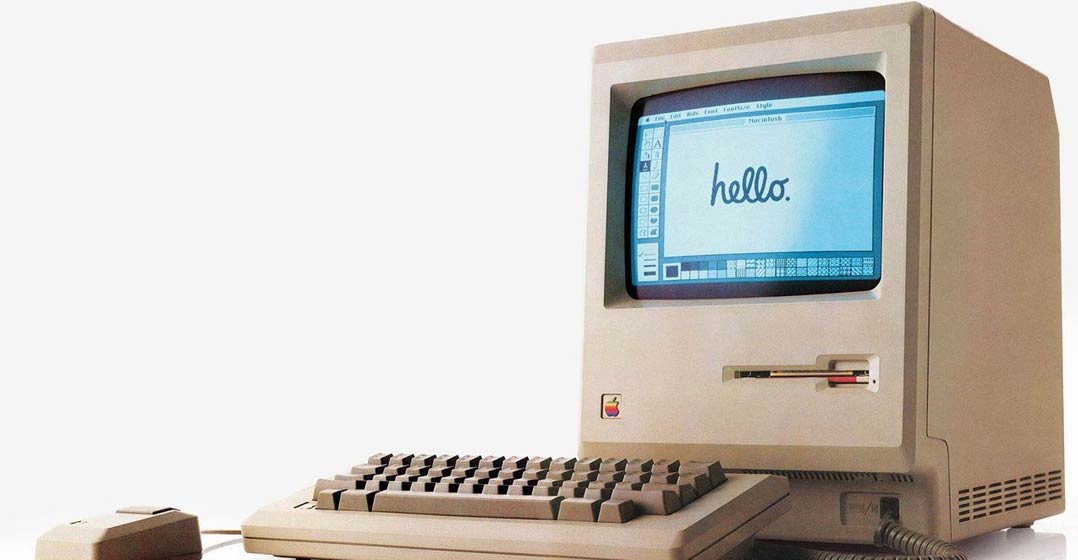
    18. Apple Macintosh

    The original Macintosh computer, released in 1984, made leaps in personal computing by being more intuitive to use than any other computer before it. Featuring a 9-inch monochrome built-in screen, the Macintosh popularised the graphical user interface and mouse combination and also pioneered desktop publishing with ground-breaking software such as MacWrite and MacPaint.
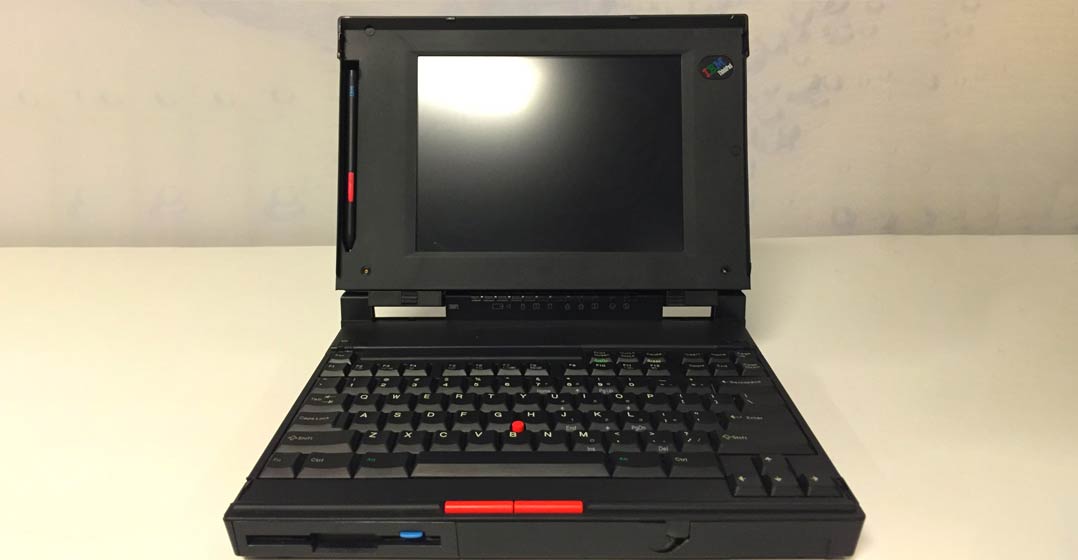
    An early IBM ThinkPad model

    19. IBM ThinkPad

    With the dawn of the PC era came the idea to make a portable version of the computer that could be used from anywhere in the world. Getting it right took many iterations over a number of years. In 1992, IBM released the ThinkPad at a time when a growing contingent of business travellers required processing power on the go. The ThinkPad grew to dominate the laptop market well into the 2000s. The business was sold to Lenovo, which kept key aspects of the ThinkPad design like the iconic red TrackPoint.
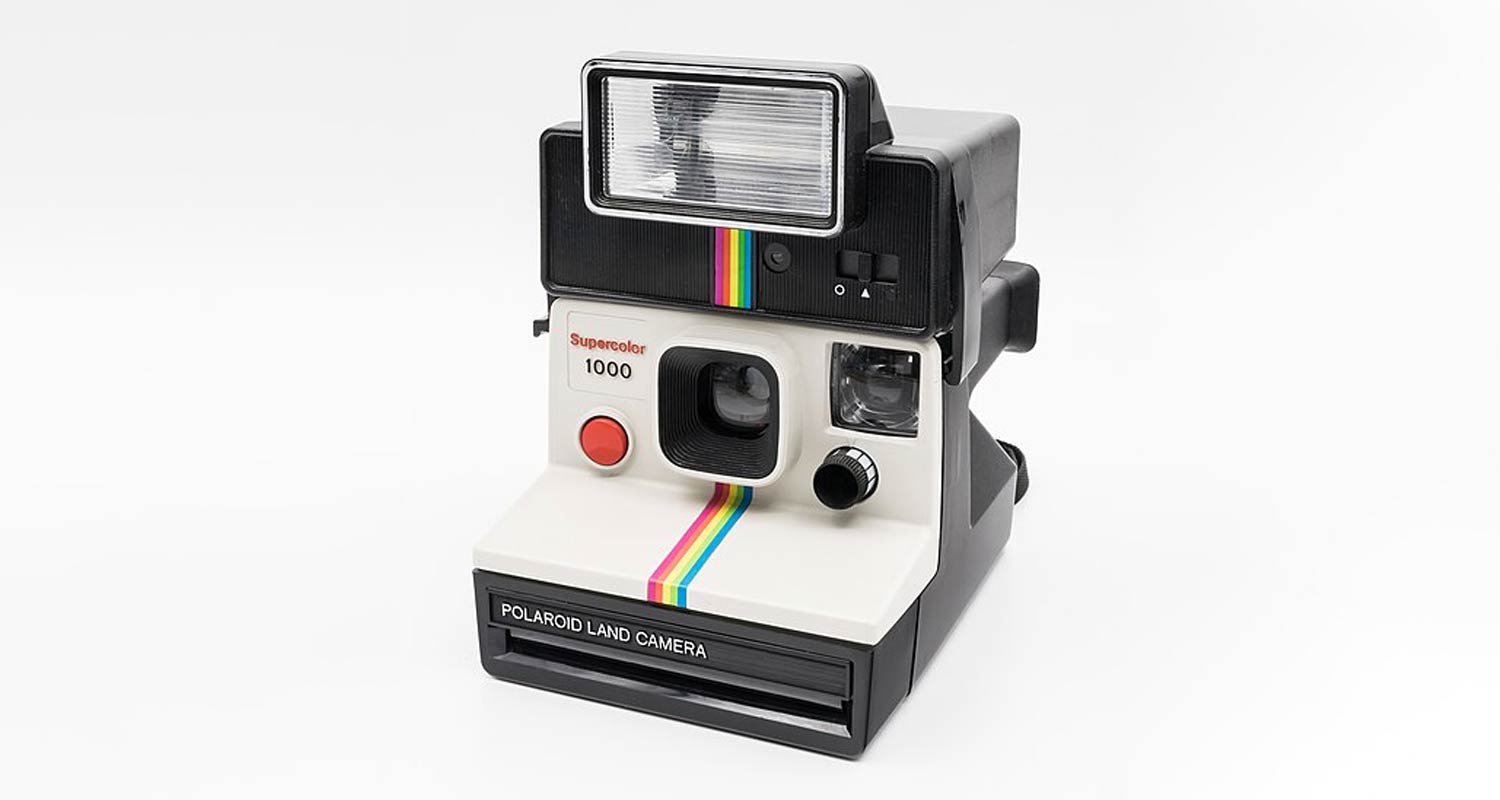
    20. Polaroid instant camera

    The Polaroid instant camera, invented by Edwin Land in 1948, revolutionised photography by allowing users to instantly capture and print photos. Its integrated film processing system produced tangible prints within minutes, eliminating the need for external processing. Its convenience and immediacy made it a beloved icon of consumer photography for decades.  — (c) 2024 NewsCentral Media

    Read: The most iconic Nokia phones ever made

    Add TechCentral as a preferred source on GoogleFollow TechCentral on Google NewsGet breaking news on WhatsApp


    Amiga Apple Apple iPhone Apple iPod BlackBerry Commodore 64 IBM iPod JVC Kindle most influential tech products of all time Raspberry Pi Regency TR-1 Sony Sony Trinitron Sony Walkman ThinkPad US Robotics ZX Spectrum
    WhatsApp YouTube
    Share. Facebook Twitter LinkedIn WhatsApp Telegram Email Copy Link
    Previous ArticleReunert says Nashua hit by ports chaos
    Next Article Kenya to get huge Microsoft data centre to service East Africa

    Related Posts

    Huawei's Mate 90 bets on 3D chip design to get around US curbs

    Huawei’s Mate 90 bets on 3D chip design to get around US curbs

    1 October 2026
    Apple's next big category is the smart home - and it has a launch date

    Apple’s next big category is the smart home – and it has a launch date

    30 September 2026

    Ternus plots a faster, leaner Apple

    30 September 2026
    Company News
    The board now owns the database - Ascent Technology, Johan Lamberts

    The board now owns the database

    5 October 2026
    The attacker has one AI. You have 12 dashboards - Uri Levy

    The attacker has one AI. You have 12 dashboards

    5 October 2026
    Huawei sets out its vision for intelligent government at GovTech 2026

    Huawei sets out its vision for intelligent government at GovTech 2026

    2 October 2026
    Opinion
    South Africa's next energy crisis is in the accounts department - Craig Holmes

    South Africa’s next energy crisis is in the accounts department

    29 September 2026
    The steam engine lesson AI doomsayers keep missing - Sam Clarke

    The steam engine lesson AI doomsayers keep missing

    28 September 2026
    The author, Dirk de Vos

    Regulating AI: apply the laws we have first

    21 September 2026

    Subscribe to Updates

    Get the best South African technology news and analysis delivered to your e-mail inbox every morning.

    Latest Posts
    DNI's R500-million bet on Mission Mobile is mostly debt - Timothy Strike

    Behind DNI’s R500-million bet on Mission Mobile

    5 October 2026
    Meet the CIO | Vodacom's Mohamed Sami on the agentic future

    Meet the CIO | Vodacom’s Mohamed Sami on the agentic future

    5 October 2026
    South Africa's right-to-repair guidelines target software locks on spare parts

    Right to repair comes to South African electronics

    5 October 2026
    Luno says crypto draft may clash with South Africa's IMF commitments - Marius Reitz

    Luno says crypto draft may clash with SA’s IMF commitments

    5 October 2026
    © 2009 - 2026 NewsCentral Media
    Built and maintained by Chronon
    • Cookie policy (ZA)
    • TechCentral – privacy and Popia

    Type above and press Enter to search. Press Esc to cancel.

    Manage consent

    TechCentral uses cookies to enhance its offerings. Consenting to these technologies allows us to serve you better. Not consenting or withdrawing consent may adversely affect certain features and functions of the website.

    Functional Always active
    The technical storage or access is strictly necessary for the legitimate purpose of enabling the use of a specific service explicitly requested by the subscriber or user, or for the sole purpose of carrying out the transmission of a communication over an electronic communications network.
    Preferences
    The technical storage or access is necessary for the legitimate purpose of storing preferences that are not requested by the subscriber or user.
    Statistics
    The technical storage or access that is used exclusively for statistical purposes. The technical storage or access that is used exclusively for anonymous statistical purposes. Without a subpoena, voluntary compliance on the part of your Internet Service Provider, or additional records from a third party, information stored or retrieved for this purpose alone cannot usually be used to identify you.
    Marketing
    The technical storage or access is required to create user profiles to send advertising, or to track the user on a website or across several websites for similar marketing purposes.
    • Manage options
    • Manage services
    • Manage {vendor_count} vendors
    • Read more about these purposes
    View preferences
    • {title}
    • {title}
    • {title}
    🇿🇦 Sign up to the TechCentral newsletter