Close Menu
TechCentralTechCentral

    Subscribe to the newsletter

    Get the best South African technology news and analysis delivered to your e-mail inbox every morning.

    Facebook X (Twitter) YouTube LinkedIn
    WhatsApp Facebook X (Twitter) LinkedIn YouTube
    TechCentralTechCentral
    • News
      Gaping holes in South African government cyber defences

      Gaping holes in South African government cyber defences

      2 April 2026
      EV charging start-up Charge bypasses JSE for token-based raise - Joubert Roux

      EV charging start-up Charge bypasses JSE for token-based raise

      2 April 2026
      Ring, reject, repeat: South Africa's spam call crisis

      Ring, reject, repeat: South Africa’s spam call crisis

      2 April 2026
      Four astronauts begin humanity's return to the moon - Artemis II

      Four astronauts begin humanity’s return to the moon

      2 April 2026
      Sars to give every taxpayer a digital identity in sweeping tech overhaul

      Sars to give every taxpayer a digital identity in sweeping tech overhaul

      1 April 2026
    • World
      Amazon in talks to buy satellite operator Globalstar

      Amazon in talks to buy satellite operator Globalstar

      2 April 2026

      Apple plans to open Siri to rival AI services

      27 March 2026
      It's official: ads are coming to ChatGPT

      It’s official: ads are coming to ChatGPT

      23 March 2026
      Mystery Chinese AI model revealed to be Xiaomi's

      Mystery Chinese AI model revealed to be Xiaomi’s

      19 March 2026
      A mystery AI model has developers buzzing

      A mystery AI model has developers buzzing

      18 March 2026
    • In-depth
      The R18-billion tech giant hiding in plain sight - Jens Montanana

      The R16-billion tech giant hiding in plain sight

      26 March 2026
      The last generation of coders

      The last generation of coders

      18 February 2026
      Sentech is in dire straits

      Sentech is in dire straits

      10 February 2026
      How liberalisation is rewiring South Africa's power sector

      How liberalisation is rewiring South Africa’s power sector

      21 January 2026
      The top-performing South African tech shares of 2025

      The top-performing South African tech shares of 2025

      12 January 2026
    • TCS
      TCS | MTN's Divysh Joshi on the strategy behind Pi - Divyesh Joshi

      TCS | MTN’s Divyesh Joshi on the strategy behind Pi

      1 April 2026
      Anoosh Rooplal

      TCS | Anoosh Rooplal on the Post Office’s last stand

      27 March 2026
      Meet the CIO | HealthBridge CTO Anton Fatti on the future of digital health

      Meet the CIO | Healthbridge CTO Anton Fatti on the future of digital health

      23 March 2026
      TCS+ | Arctic Wolf unpacks the evolving threat landscape for SA businesses - Clare Loveridge and Jason Oehley

      TCS+ | Arctic Wolf unpacks the evolving threat landscape for SA businesses

      19 March 2026
      TCS+ | Vox Kiwi: a wireless solution promising a fibre-like experience - Theo van Zyl

      TCS+ | Vox Kiwi: a wireless solution promising a fibre-like experience

      13 March 2026
    • Opinion
      The conflict of interest at the heart of PayShap's slow adoption - Cheslyn Jacobs

      The conflict of interest at the heart of PayShap’s slow adoption

      26 March 2026
      South Africa's energy future hinges on getting wheeling right - Aishah Gire

      South Africa’s energy future hinges on getting wheeling right

      10 March 2026
      Hold the doom: the case for a South African comeback - Duncan McLeod

      Apple just dropped a bomb on the Windows world

      5 March 2026
      VC's centre of gravity is shifting - and South Africa is in the frame - Alison Collier

      VC’s centre of gravity is shifting – and South Africa is in the frame

      3 March 2026
      Hold the doom: the case for a South African comeback - Duncan McLeod

      Hold the doom: the case for a South African comeback

      26 February 2026
    • Company Hubs
      • 1Stream
      • Africa Data Centres
      • AfriGIS
      • Altron Digital Business
      • Altron Document Solutions
      • Altron Group
      • Arctic Wolf
      • Ascent Technology
      • AvertITD
      • BBD
      • Braintree
      • CallMiner
      • CambriLearn
      • CYBER1 Solutions
      • Digicloud Africa
      • Digimune
      • Domains.co.za
      • ESET
      • Euphoria Telecom
      • HOSTAFRICA
      • Incredible Business
      • iONLINE
      • IQbusiness
      • Iris Network Systems
      • Kaspersky
      • LSD Open
      • Mitel
      • NEC XON
      • Netstar
      • Network Platforms
      • Next DLP
      • Ovations
      • Paracon
      • Paratus
      • Q-KON
      • SevenC
      • SkyWire
      • Solid8 Technologies
      • Telit Cinterion
      • Telviva
      • Tenable
      • Vertiv
      • Videri Digital
      • Vodacom Business
      • Wipro
      • Workday
      • XLink
    • Sections
      • AI and machine learning
      • Banking
      • Broadcasting and Media
      • Cloud services
      • Contact centres and CX
      • Cryptocurrencies
      • Education and skills
      • Electronics and hardware
      • Energy and sustainability
      • Enterprise software
      • Financial services
      • HealthTech
      • Information security
      • Internet and connectivity
      • Internet of Things
      • Investment
      • IT services
      • Lifestyle
      • Motoring
      • Policy and regulation
      • Public sector
      • Retail and e-commerce
      • Satellite communications
      • Science
      • SMEs and start-ups
      • Social media
      • Talent and leadership
      • Telecoms
    • Events
    • Advertise
    TechCentralTechCentral
    Home » Sections » Energy and sustainability » The cost of coal in South Africa: Dirty skies and sick children

    The cost of coal in South Africa: Dirty skies and sick children

    By Tim Cocks4 November 2021
    Twitter LinkedIn Facebook WhatsApp Email Telegram Copy Link
    News Alerts
    WhatsApp

    In 2019, scientists working for South Africa’s government completed a study on the health impacts of pollution from the country’s sprawling coal industry.

    The researchers for the CSIR had been assured by government authorities that their years-long study would be published, according to three people familiar with the matter.

    So far, it has not seen the light of day.

    The study, a copy of which was reviewed by Reuters, showed more than 5 000 South Africans die annually in the nation’s coal belt because the government has failed to fully enforce its own air quality standards. It also revealed that nearly a quarter of households in the region, where 3.6 million people live, have children with persistent asthma. That’s double the national rate.

    Governments, businesses and local residents often see coal as an economic lifeline

    South Africa’s government has since 2015 granted waivers from emissions limits to its indebted state power and fuel companies, Eskom and Sasol, allowing them to save money.

    That kind of continuing government support highlights an issue in many coal-dependent nations, from Australia to Indonesia, that is hobbling the transition to cleaner energy. In producing countries, governments, businesses and local residents often see coal as an economic lifeline.

    South Africa’s coal industry, the world’s fifth largest, employs 90 000 miners, generates 80% of the country’s electricity, and supplies the feedstock for about a quarter of the country’s liquid fuel for vehicles, all at a time of soaring unemployment and frequent blackouts.

    Smog and ash

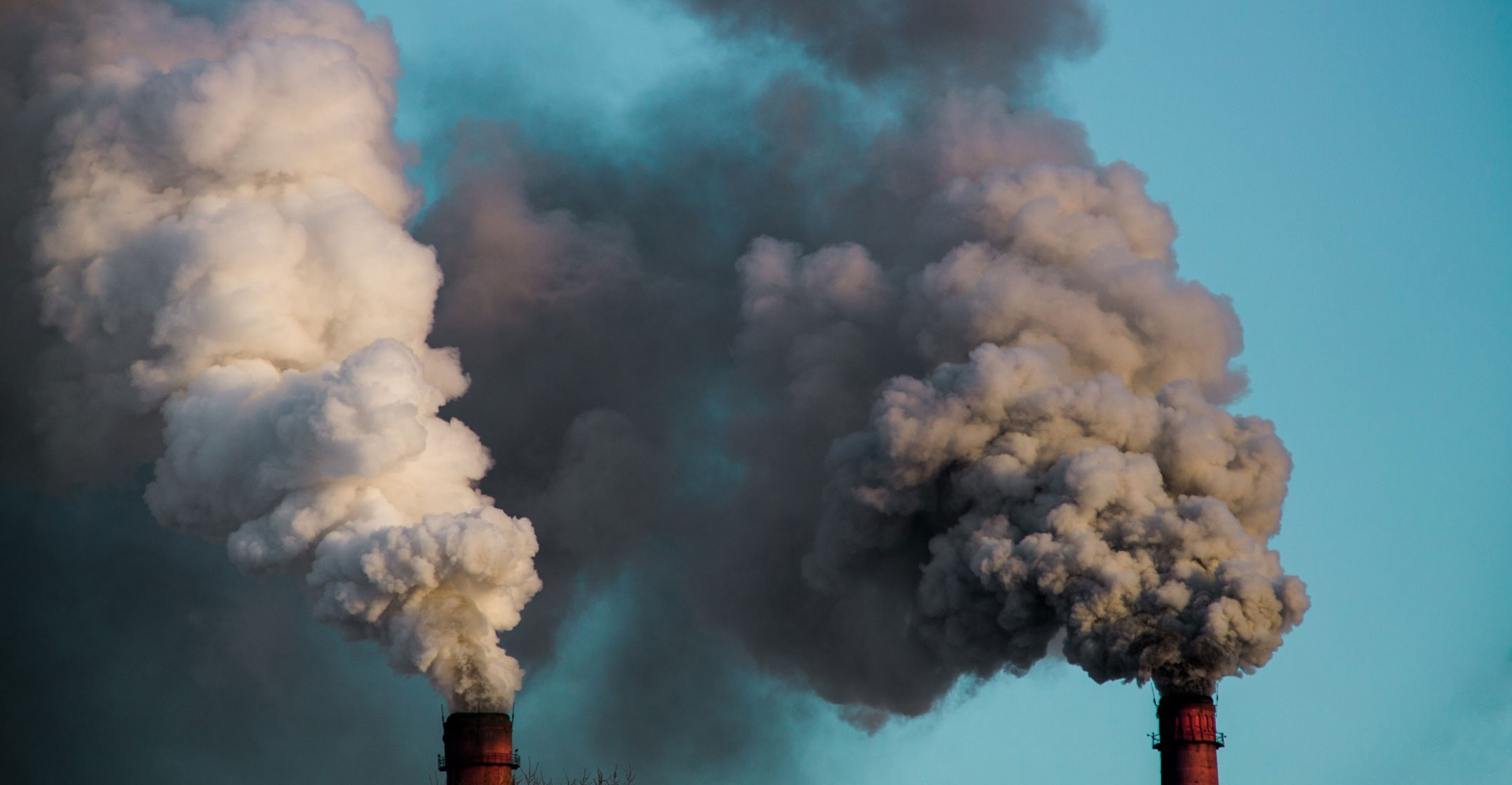
    The costs of a mammoth coal industry are also high, and not just for the climate. South Africa’s coal belt is blanketed in smog and coal ash; the stink of sulphur pervades. The area east of Johannesburg is among the world’s most polluted, experts say, rivalling Beijing and New Delhi.

    In 2017, British air pollution expert Mike Holland calculated that the health impacts from Eskom’s emissions alone cost South Africa US$2.37-billion every year.

    Environment minister Barbara Creecy, whose department commissioned the 2019 coal health study, declined to say why it remains unpublished. She said the government still intends to release it at some point.

    “We understand that there are serious health challenges facing communities,” she said, adding that the government considers improving air quality “absolutely imperative”.

    Temperatures in Southern Africa are rising twice as fast as the global average, according to the International Panel on Climate Change

    But Creecy’s department of fisheries, forestry & the environment has publicly defended its lax enforcement of pollution regulations as an economic necessity in court battles with activists. In a recent filing, it said its main challenge is addressing pollution without hurting “the poor, who are desperate for job opportunities”.

    As the United Nations’ climate conference, Cop26, in Glasgow gets under way this month, coal is in the crosshairs of a global push to replace it with cleaner fuels.

    South Africa is the world’s 12th largest greenhouse gas emitter, according to the non-profit Global Carbon Atlas. This water-stressed country also stands to be one of the big losers from climate change. Temperatures in Southern Africa are rising twice as fast as the global average, according to the International Panel on Climate Change, pushing the region’s north-western deserts south.

    In an effort to secure foreign investment, Eskom is pitching a $10-billion plan to shut most of its coal-fired plants by 2050 and embrace renewables like wind and solar, with financing from wealthy nations. The US, Britain, France, Germany and the European Union on Tuesday provided that effort a big boost, offering $8.5-billion to help South Africa transition off coal.

    ‘Economic suicide’

    Eskom’s green push, however, has put the company in conflict with energy minister Gwede Mantashe, who has called ditching coal “economic suicide”.

    Mantashe represents a powerful constituency within the ruling ANC that includes workers’ unions on whose support the party depends to win elections. Those unions, like Mantashe, are concerned about job losses.

    “We should not collapse our economy because they are greedy for green funding,” Matashe told a South African mining conference in October. He has previously said switching off the nation’s coal plants would allow South Africans to “breathe fresh air in the darkness”.

    Mantashe declined to comment for this story.

    Darkness is already a familiar experience in the coal belt. Power cuts are a daily reality for the shanties threaded between the mine shafts and cooling towers of towns like Emalahleni — “The Place of Coal” in isiZulu.
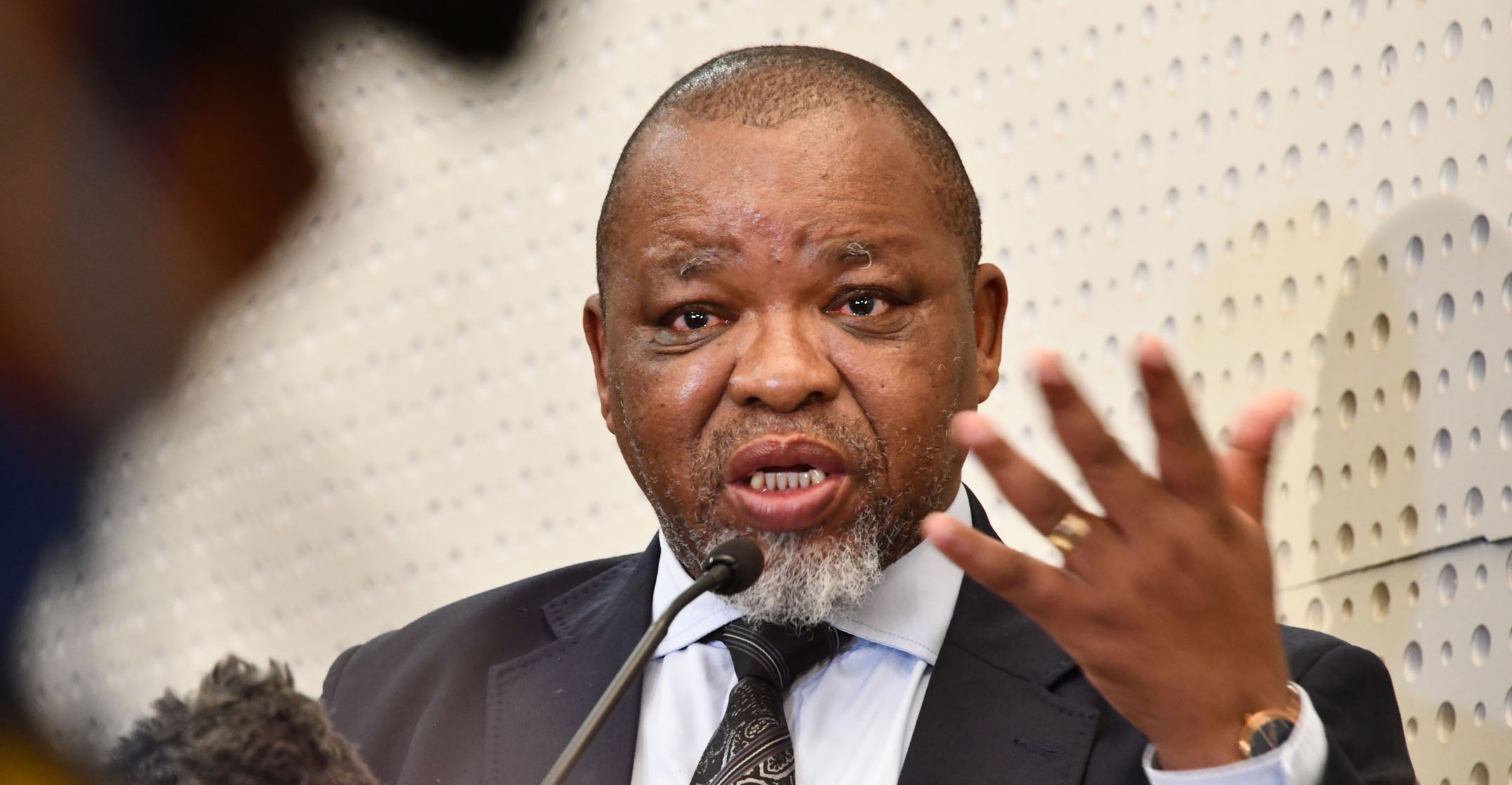
    “Mr Coal” … energy minister Gwede Mantashe. Image: GCIS

    If people stay, it is for the chance of a job.

    Mbali Matabule and her partner were high school students when they swapped phone numbers on a dirt track in Vosman, a township outside Emalahleni. After graduation, her partner found work in Sasol’s Secunda plant, which transforms coal into liquid fuel for cars. The following year, Matabule bore their first child, Princess.

    His salary allowed them to feed and clothe their daughter and buy trappings of middle-class life: a TV, microwave, fridge and electric cooker to put in their shack at her parents’ compound.

    Then, in May 2018, as she approached her fourth birthday, Princess started struggling to breathe. They rushed her to the hospital, where a doctor put a mask on Princess’s face attached to a nebuliser.

    “They said she had asthma,” Matabule said. “I was thinking: Why? She was not born with asthma.”

    We know air pollution from coal causes lung problems, cardiac diseases

    Towards the end of that year, they had a second child, Asemahle, who soon also developed breathing problems. “Her chest was rasping,” Matabule said.

    Hospital visits became routine, and the medical costs started to mount. Without health insurance, the couple was spending R2 500/month on medical bills for their kids, nearly half Mbali’s partner’s salary.

    Smog released from burning coal is laced with chemicals like sulphur and nitrogen oxides, mercury and lead, and radioactive elements like uranium and thorium.

    “We know air pollution from coal causes lung problems, cardiac diseases. It impairs cognitive development of children,” said Mohammed Tayob, a doctor in Middelburg, one of the worst affected towns in the coal belt.

    Choking to death

    The 2019 CSIR study obtained by Reuters concluded that 5 125 lives could be saved every year in the coal belt by enforcing national air quality standards on soot.

    The air in Emalahleni, it said, contains around 20% more particulate matter than the nation’s limit of 40 micrograms per cubic metre, and more than three times more than recommended by the World Health Organisation.

    The region’s sulphur dioxide levels, meanwhile, are off the charts. The non-profit Centre for Research on Energy and Clean Air this month found Eskom alone emits more SO2 than the entire power sector of the US and China combined.

    Clearing up the air would require a crackdown on polluting industries.
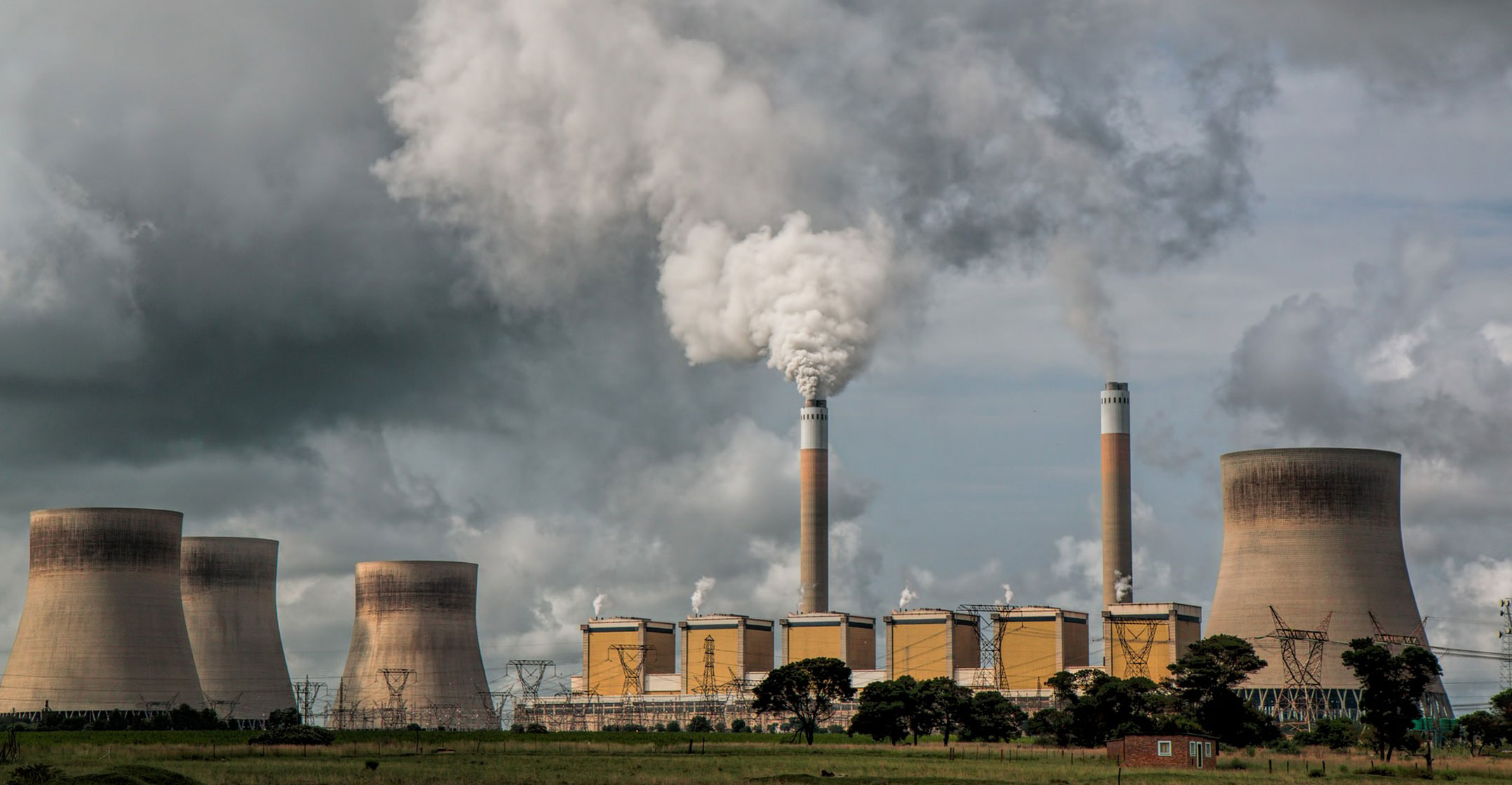
    Eskom environmental manager Deidre Herbst said the government waivers allowing his company to exceed pollution limits were an economic necessity: It would cost R300-billion and take 10-15 years to fully meet national SO2 standards, leading to prolonged outages in the meantime.

    “It’s impossible for us to become immediately compliant,” she said, and South Africa can’t simply switch off all its coal plants.

    Sasol spokeswoman Matebelo Motloung said the company’s emissions were permitted under its operating licences and that the company hoped to embrace cleaner technologies in the future.

    Matabule had not imagined the haze in her neighborhood was behind her childrens’ illness until she attended a local meeting about air pollution and heard the stories of neighbours.

    I became so angry because nobody was doing anything, and people were sick and dying

    “I became so angry because nobody was doing anything, and people were sick and dying,” Matabule said.

    But, like her husband who relies on coal for a pay cheque, many in her community are wary of a transition to cleaner energy.

    Vosman resident Valentia Msiza, 33, said her family has done well since her husband got his job in the coal mines. They worry a transition could leave them behind.

    They, too, have a child with respiratory problems – and they can’t pay for his care without the husband’s salary and health insurance. The family is seeking a medical specialist to treat their toddler’s lung disease.

    “That’s our last hope now,” Valentia said.  — Reported by Tim Cocks, (c) 2021 Reuters
    Follow TechCentral on Google News Add TechCentral as your preferred source on Google


    Barbara Creecy CSIR Eskom Gwede Mantashe Sasol
    WhatsApp YouTube
    Share. Facebook Twitter LinkedIn WhatsApp Telegram Email Copy Link
    Previous ArticleMicrosoft downplays metaverse ‘hype’
    Next Article RUT950 routers offer top-class reliability and security – use cases unpacked

    Related Posts

    Setback for South Africa's electricity market reform

    Setback for South Africa’s electricity market reform

    26 March 2026
    Eskom must build renewables or face extinction: Mteto Nyati

    Eskom must build renewables or face extinction: Mteto Nyati

    19 March 2026
    Setback for South Africa's electricity market reform

    Eskom marks 300 days without load shedding

    16 March 2026
    Company News
    Synthesis helps financial enterprises transform with new Gemini Enterprise - Digicloud Africa

    Synthesis helps financial enterprises transform with new Gemini Enterprise

    2 April 2026
    The next churn wave is already in your contact centre conversations - CallMiner

    The next churn wave is already in your contact centre conversations

    2 April 2026
    Mining's problem isn't output, it's execution - Workday

    Mining’s problem isn’t output, it’s execution – Workday

    1 April 2026
    Opinion
    The conflict of interest at the heart of PayShap's slow adoption - Cheslyn Jacobs

    The conflict of interest at the heart of PayShap’s slow adoption

    26 March 2026
    South Africa's energy future hinges on getting wheeling right - Aishah Gire

    South Africa’s energy future hinges on getting wheeling right

    10 March 2026
    Hold the doom: the case for a South African comeback - Duncan McLeod

    Apple just dropped a bomb on the Windows world

    5 March 2026

    Subscribe to Updates

    Get the best South African technology news and analysis delivered to your e-mail inbox every morning.

    Latest Posts
    Gaping holes in South African government cyber defences

    Gaping holes in South African government cyber defences

    2 April 2026
    EV charging start-up Charge bypasses JSE for token-based raise - Joubert Roux

    EV charging start-up Charge bypasses JSE for token-based raise

    2 April 2026
    Ring, reject, repeat: South Africa's spam call crisis

    Ring, reject, repeat: South Africa’s spam call crisis

    2 April 2026
    Amazon in talks to buy satellite operator Globalstar

    Amazon in talks to buy satellite operator Globalstar

    2 April 2026
    © 2009 - 2026 NewsCentral Media
    • Cookie policy (ZA)
    • TechCentral – privacy and Popia

    Type above and press Enter to search. Press Esc to cancel.

    Manage consent

    TechCentral uses cookies to enhance its offerings. Consenting to these technologies allows us to serve you better. Not consenting or withdrawing consent may adversely affect certain features and functions of the website.

    Functional Always active
    The technical storage or access is strictly necessary for the legitimate purpose of enabling the use of a specific service explicitly requested by the subscriber or user, or for the sole purpose of carrying out the transmission of a communication over an electronic communications network.
    Preferences
    The technical storage or access is necessary for the legitimate purpose of storing preferences that are not requested by the subscriber or user.
    Statistics
    The technical storage or access that is used exclusively for statistical purposes. The technical storage or access that is used exclusively for anonymous statistical purposes. Without a subpoena, voluntary compliance on the part of your Internet Service Provider, or additional records from a third party, information stored or retrieved for this purpose alone cannot usually be used to identify you.
    Marketing
    The technical storage or access is required to create user profiles to send advertising, or to track the user on a website or across several websites for similar marketing purposes.
    • Manage options
    • Manage services
    • Manage {vendor_count} vendors
    • Read more about these purposes
    View preferences
    • {title}
    • {title}
    • {title}