

Close Menu
TechCentralTechCentral

    Subscribe to the newsletter

    Get the best South African technology news and analysis delivered to your e-mail inbox every morning.

    Facebook X (Twitter) YouTube LinkedIn
    WhatsApp Facebook X (Twitter) LinkedIn YouTube
    TechCentralTechCentral
    • News
      Big Microsoft 365 price increases coming next year

      Big Microsoft price increases coming next year

      5 December 2025
      Vodacom to take control of Safaricom in R36-billion deal - Shameel Joosub

      Vodacom to take control of Safaricom in R36-billion deal

      4 December 2025
      Black Friday goes digital in South Africa as online spending surges to record high

      Black Friday goes digital in South Africa as online spending surges to record high

      4 December 2025
      BYD takes direct aim at Toyota with launch of sub-R500 000 Sealion 5 PHEV

      BYD takes direct aim at Toyota with launch of sub-R500 000 Sealion 5 PHEV

      4 December 2025
      'Get it now': Takealot in new instant deliveries pilot

      ‘Get it now’: Takealot in new instant deliveries pilot

      4 December 2025
    • World
      Amazon and Google launch multi-cloud service for faster connectivity

      Amazon and Google launch multi-cloud service for faster connectivity

      1 December 2025
      Google makes final court plea to stop US breakup

      Google makes final court plea to stop US breakup

      21 November 2025
      Bezos unveils monster rocket: New Glenn 9x4 set to dwarf Saturn V

      Bezos unveils monster rocket: New Glenn 9×4 set to dwarf Saturn V

      21 November 2025
      Tech shares turbocharged by Nvidia's stellar earnings

      Tech shares turbocharged by stellar Nvidia earnings

      20 November 2025
      Config file blamed for Cloudflare meltdown that disrupted the web

      Config file blamed for Cloudflare meltdown that disrupted the web

      19 November 2025
    • In-depth
      Jensen Huang Nvidia

      So, will China really win the AI race?

      14 November 2025
      Valve's Linux console takes aim at Microsoft's gaming empire

      Valve’s Linux console takes aim at Microsoft’s gaming empire

      13 November 2025
      iOCO's extraordinary comeback plan - Rhys Summerton

      iOCO’s extraordinary comeback plan

      28 October 2025
      Why smart glasses keep failing - no, it's not the tech - Mark Zuckerberg

      Why smart glasses keep failing – it’s not the tech

      19 October 2025
      BYD to blanket South Africa with megawatt-scale EV charging network - Stella Li

      BYD to blanket South Africa with megawatt-scale EV charging network

      16 October 2025
    • TCS
      TCS+ | How Cloud on Demand helps partners thrive in the AWS ecosystem - Odwa Ndyaluvane and Xenia Rhode

      TCS+ | How Cloud On Demand helps partners thrive in the AWS ecosystem

      4 December 2025
      TCS | MTN Group CEO Ralph Mupita on competition, AI and the future of mobile

      TCS | Ralph Mupita on competition, AI and the future of mobile

      28 November 2025
      TCS | Dominic Cull on fixing South Africa's ICT policy bottlenecks

      TCS | Dominic Cull on fixing South Africa’s ICT policy bottlenecks

      21 November 2025
      TCS | BMW CEO Peter van Binsbergen on the future of South Africa's automotive industry

      TCS | BMW CEO Peter van Binsbergen on the future of South Africa’s automotive industry

      6 November 2025
      TCS | Why Altron is building an AI factory - Bongani Andy Mabaso

      TCS | Why Altron is building an AI factory in Johannesburg

      28 October 2025
    • Opinion
      Your data, your hardware: the DIY AI revolution is coming - Duncan McLeod

      Your data, your hardware: the DIY AI revolution is coming

      20 November 2025
      Zero Carbon Charge founder Joubert Roux

      The energy revolution South Africa can’t afford to miss

      20 November 2025
      It's time for a new approach to government IT spend in South Africa - Richard Firth

      It’s time for a new approach to government IT spend in South Africa

      19 November 2025
      How South Africa's broken Rica system fuels murder and mayhem - Farhad Khan

      How South Africa’s broken Rica system fuels murder and mayhem

      10 November 2025
      South Africa's AI data centre boom risks overloading a fragile grid - Paul Colmer

      South Africa’s AI data centre boom risks overloading a fragile grid

      30 October 2025
    • Company Hubs
      • Africa Data Centres
      • AfriGIS
      • Altron Digital Business
      • Altron Document Solutions
      • Altron Group
      • Arctic Wolf
      • AvertITD
      • Braintree
      • CallMiner
      • CambriLearn
      • CYBER1 Solutions
      • Digicloud Africa
      • Digimune
      • Domains.co.za
      • ESET
      • Euphoria Telecom
      • Incredible Business
      • iONLINE
      • IQbusiness
      • Iris Network Systems
      • LSD Open
      • NEC XON
      • Netstar
      • Network Platforms
      • Next DLP
      • Ovations
      • Paracon
      • Paratus
      • Q-KON
      • SevenC
      • SkyWire
      • Solid8 Technologies
      • Telit Cinterion
      • Tenable
      • Vertiv
      • Videri Digital
      • Vodacom Business
      • Wipro
      • Workday
      • XLink
    • Sections
      • AI and machine learning
      • Banking
      • Broadcasting and Media
      • Cloud services
      • Contact centres and CX
      • Cryptocurrencies
      • Education and skills
      • Electronics and hardware
      • Energy and sustainability
      • Enterprise software
      • Financial services
      • Information security
      • Internet and connectivity
      • Internet of Things
      • Investment
      • IT services
      • Lifestyle
      • Motoring
      • Public sector
      • Retail and e-commerce
      • Satellite communications
      • Science
      • SMEs and start-ups
      • Social media
      • Talent and leadership
      • Telecoms
    • Events
    • Advertise
    TechCentralTechCentral
    Home » Sections » Science » What do storm chasers really do? Inside the hunt

    What do storm chasers really do? Inside the hunt

    Storm-chasing for science can be exciting and stressful – we know, because we do it.
    By The Conversation13 July 2024
    Twitter LinkedIn Facebook WhatsApp Email Telegram Copy Link
    News Alerts
    WhatsApp

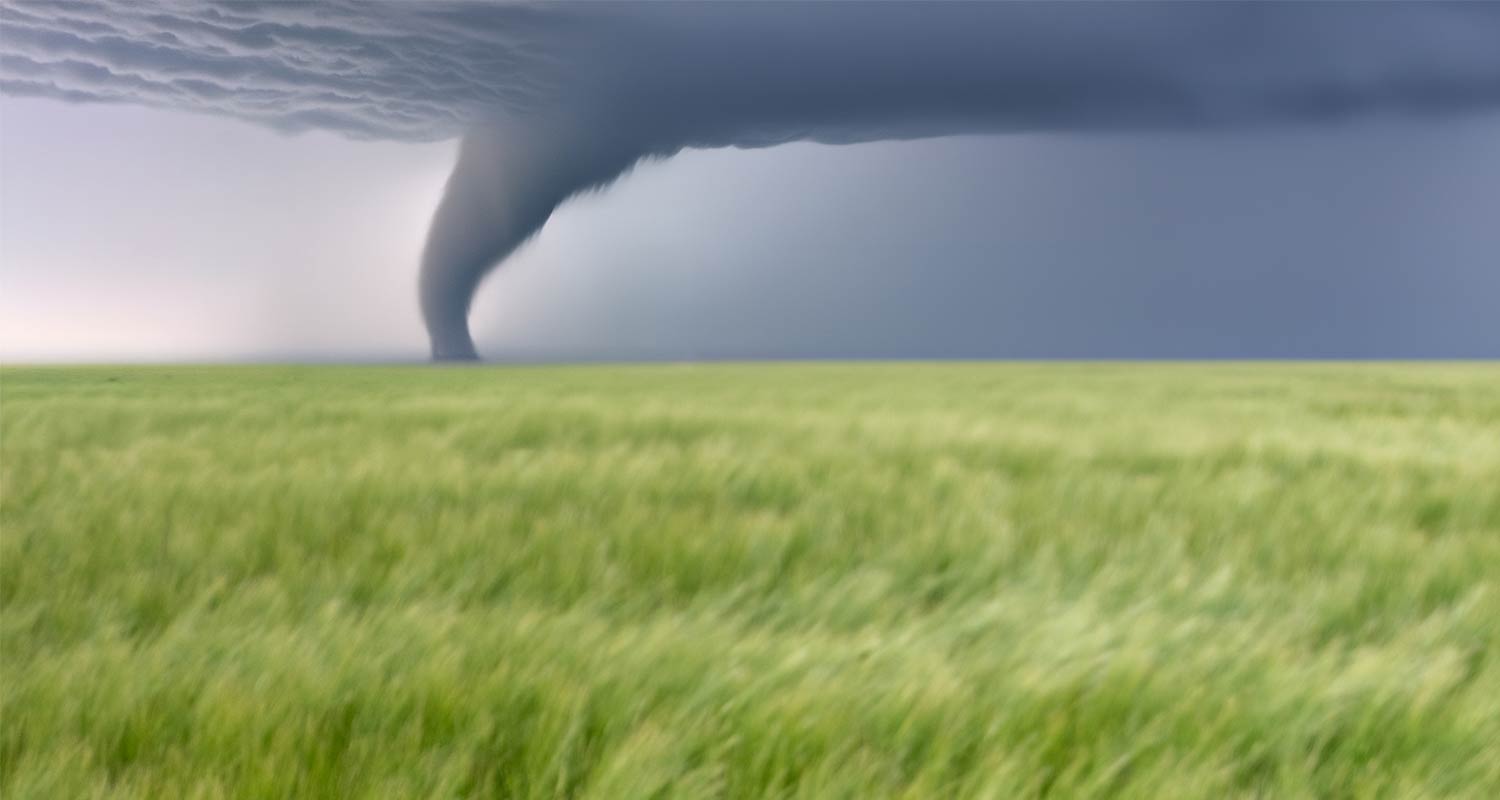
    What do storm chasers really do? Inside the huntStorm-chasing for science can be exciting and stressful – we know, because we do it. It has also been essential for developing today’s understanding of how tornadoes form and how they behave.

    In 1996 the movie “Twister” brought storm-chasing into the public imagination as scientists played by Helen Hunt and Bill Paxton raced ahead of tornadoes to deploy their sensors and occasionally got too close. That movie inspired a generation of atmospheric scientists.

    With the new movie “Twisters” coming out this month, we’ve been getting questions about storm-chasing – or storm intercepts, as we call them.

    Here are some answers about what scientists who do this kind of fieldwork are up to when they race off after storms.

    What does a day of storm-chasing really look like?

    The morning of a chase day starts with a good breakfast, because there might not be any chance to eat a good meal later in the day.

    Before heading out, the team looks at the weather conditions, the National Weather Service computer forecast models and outlooks from the National Oceanic and Atmospheric Administration’s Storm Prediction Centre to determine the target.

    Our goal is to figure out where tornadoes are most likely to occur that day. Temperature, moisture and winds, and how these change with height above the ground, all provide clues.

    Once the mission scientist declares a deployment, everyone scrambles to get into position

    There is a “hurry up and wait” cadence to a storm-chase day. We want to get into position quickly, but then we’re often waiting for storms to develop.

    Storms often take time to develop before they’re capable of producing tornadoes. So we watch the storm carefully on radar and with our eyes, if possible, staying well ahead of it until it matures. Often, we’ll watch multiple storms and look for signs that one might be more likely to generate tornadoes.

    Once the mission scientist declares a deployment, everyone scrambles to get into position.

    We use a lot of different instruments to track and measure tornadoes, and there is an art to determining when to deploy them. Too early, and the tornado might not form where the instruments are. Too late, and we’ve missed it. Each instrument needs to be in a specific location relative to the tornado. Some need to be deployed well ahead of the storm and then stay stationary. Others are car-mounted and are driven back and forth within the storm.

    Observing stations

    If all goes well, team members will be concentrating on the data coming in. Some will be launching weather balloons at various distances from the tornado, while others will be placing “pods” containing weather instruments directly in the path of the tornado.

    A whole network of observing stations will have been set up across the storm, with radars collecting data from multiple angles, photographers capturing the storm from multiple angles, and instrumented vehicles transecting key areas of the storm.

    Not all our work is focused on the tornado itself. We often target areas around the tornado or within other parts of the storm to understand how the rotation forms. Theories suggest that this rotation can be generated by temperature variations within the storm’s precipitation region, potentially many kilometres from where the tornado forms.

    Through all of this, the teams stay in contact using text messages and software that allows us to see everyone’s position relative to the latest radar images. We’re also watching the forecast for the next day so we can plan where to go next and find hotel rooms and, hopefully, a late dinner.

    What do all those instruments tell you about the storm?

    One of the most important tools of storm-chasing is weather radar. It captures what’s happening with precipitation and winds above the ground.

    We use several types of radars, typically attached to trucks so we can move fast. Some transmit with a longer wavelength that helps us see farther into a storm, but at the cost of a broader width to their beam, resulting in a fuzzier picture. They are good for collecting data across the entire storm.

    Smaller-wavelength radars cannot penetrate as far into the precipitation, but they do offer the high-resolution view necessary to capture small-scale phenomena like tornadoes. We put these radars closer to the developing tornado.
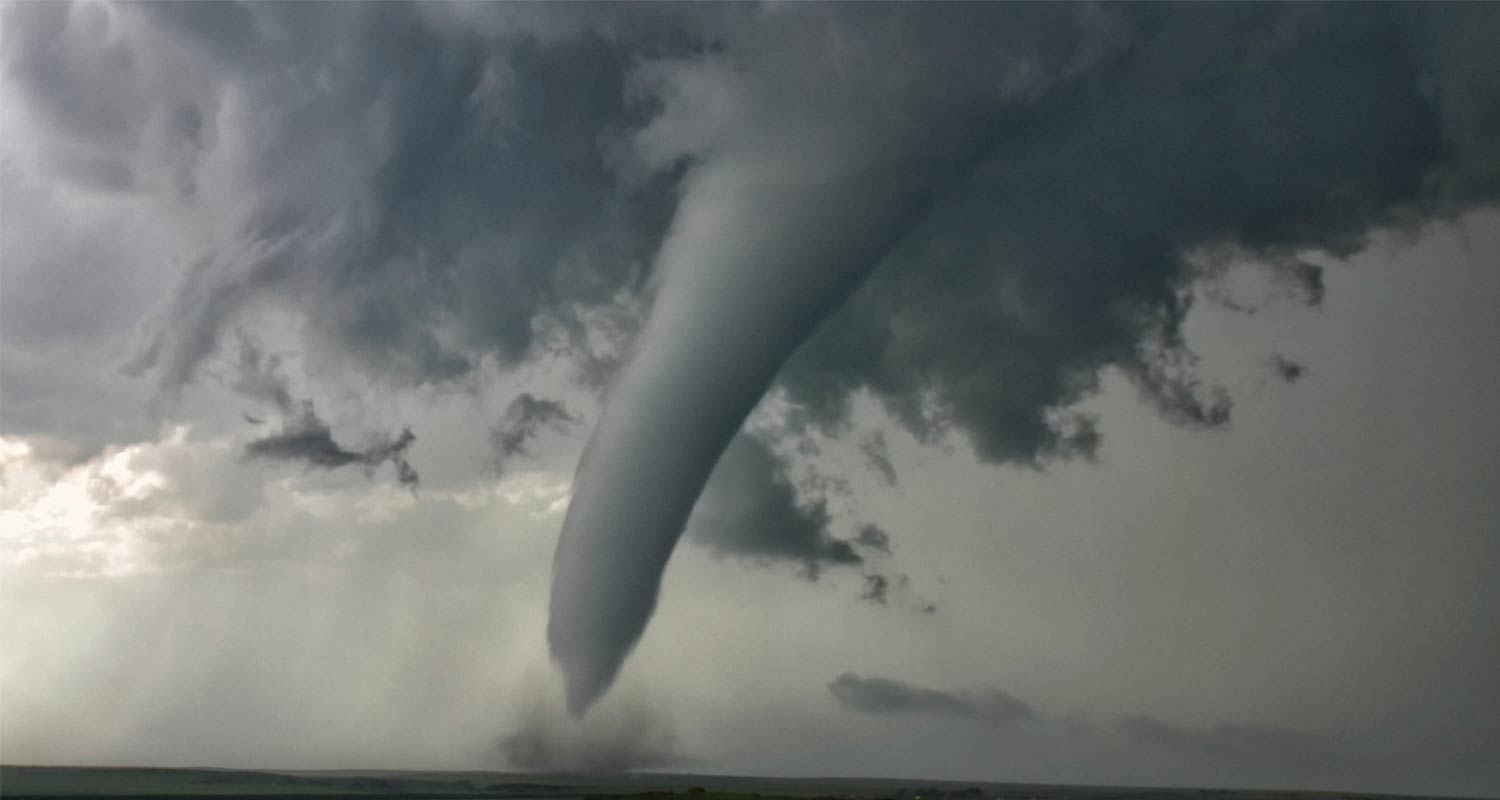
    We also monitor wind, air pressure, temperature and humidity along the ground using various instruments attached to moving vehicles, or by temporarily deploying stationary arrays of these instruments ahead of the approaching storm. Some of these are meant to be hit by the tornado.

    Weather balloons provide crucial data, too. Some are designed to ascend through the atmosphere and capture the conditions outside the storm. Others travel through the storm itself, measuring the important temperature variations in the rain-cooled air beneath the storm. Scientists are now using drones in the same way in parts of the storm.

    All of this gives scientists insight into the processes happening throughout the storm before and during tornado development and throughout the tornado’s lifetime.

    How do you stay safe while chasing tornadoes?

    Storms can be very dangerous and unpredictable, so it’s important to always stay on top of the radar and watch the storm.

    A storm can cycle, developing a new tornado downstream of the previous one. Tornadoes can change direction, particularly as they are dying or when they have a complex structure with multiple funnels. Storm chasers know to look at the entire storm, not just the tornado, and to be on alert for other storms that might sneak up. An escape plan based on the storm’s expected motion and the road network is essential.

    Scientists take calculated risks when they’re storm-chasing – enough to collect crucial data, but never putting their teams in too much danger.

    It turns out that driving is actually the most dangerous part of storm-chasing, particularly when roads are wet and visibility is poor – as is often the case at the end of the day. During the chase, the driving danger can be compounded by erratic driving of other storm chasers and traffic jams around storms.

    What happens to all the data you collect while storm-chasing?

    It would be nice to have immediate eureka moments, but the results take time.

    After we collect the data, we spend years analysing it. Combining data from all the instruments to get a complete picture of the storm and how it evolved takes time and patience. But having data on the wind, temperature, relative humidity and pressure from many different angles and instruments allows us to test theories about how tornadoes develop.

    Although the analysis process is slow, the discoveries are often as exciting as the tornado itself.The Conversation

    • The authors are Yvette Richardson, professor of meteorology, senior associate dean for undergraduate education, Penn State, and Paul Markowski, distinguished professor of meteorology, Penn State
    • This article is republished from The Conversation under a Creative Commons licence

    Read next: Nasa releases stunning Webb images of a galactic merger


    Paul Markowski storm chasers Yvette Richardson
    Subscribe to TechCentral Subscribe to TechCentral
    Share. Facebook Twitter LinkedIn WhatsApp Telegram Email Copy Link
    Previous ArticleSpaceX in rare failure as Starlink launch goes awry
    Next Article South African census mess
    Company News
    AI is not a technology problem - iqbusiness

    AI is not a technology problem – iqbusiness

    5 December 2025
    Telcos are sitting on a data gold mine - but few know what do with it - Phillip du Plessis

    Telcos are sitting on a data gold mine – but few know what do with it

    4 December 2025
    Unlock smarter computing with your surface Copilot+ PC

    Unlock smarter computing with your Surface Copilot+ PC

    4 December 2025
    Opinion
    Your data, your hardware: the DIY AI revolution is coming - Duncan McLeod

    Your data, your hardware: the DIY AI revolution is coming

    20 November 2025
    Zero Carbon Charge founder Joubert Roux

    The energy revolution South Africa can’t afford to miss

    20 November 2025
    It's time for a new approach to government IT spend in South Africa - Richard Firth

    It’s time for a new approach to government IT spend in South Africa

    19 November 2025

    Subscribe to Updates

    Get the best South African technology news and analysis delivered to your e-mail inbox every morning.

    Latest Posts
    Big Microsoft 365 price increases coming next year

    Big Microsoft price increases coming next year

    5 December 2025
    AI is not a technology problem - iqbusiness

    AI is not a technology problem – iqbusiness

    5 December 2025
    Vodacom to take control of Safaricom in R36-billion deal - Shameel Joosub

    Vodacom to take control of Safaricom in R36-billion deal

    4 December 2025
    Black Friday goes digital in South Africa as online spending surges to record high

    Black Friday goes digital in South Africa as online spending surges to record high

    4 December 2025
    © 2009 - 2025 NewsCentral Media
    • Cookie policy (ZA)
    • TechCentral – privacy and Popia

    Type above and press Enter to search. Press Esc to cancel.

    Manage consent

    TechCentral uses cookies to enhance its offerings. Consenting to these technologies allows us to serve you better. Not consenting or withdrawing consent may adversely affect certain features and functions of the website.

    Functional Always active
    The technical storage or access is strictly necessary for the legitimate purpose of enabling the use of a specific service explicitly requested by the subscriber or user, or for the sole purpose of carrying out the transmission of a communication over an electronic communications network.
    Preferences
    The technical storage or access is necessary for the legitimate purpose of storing preferences that are not requested by the subscriber or user.
    Statistics
    The technical storage or access that is used exclusively for statistical purposes. The technical storage or access that is used exclusively for anonymous statistical purposes. Without a subpoena, voluntary compliance on the part of your Internet Service Provider, or additional records from a third party, information stored or retrieved for this purpose alone cannot usually be used to identify you.
    Marketing
    The technical storage or access is required to create user profiles to send advertising, or to track the user on a website or across several websites for similar marketing purposes.
    • Manage options
    • Manage services
    • Manage {vendor_count} vendors
    • Read more about these purposes
    View preferences
    • {title}
    • {title}
    • {title}