Close Menu
TechCentralTechCentral

    Subscribe to the newsletter

    Get the best South African technology news and analysis delivered to your e-mail inbox every morning.

    Facebook X (Twitter) YouTube LinkedIn
    WhatsApp Facebook X (Twitter) LinkedIn YouTube
    TechCentralTechCentral
    • News
      Netflix, Warner Bros talks raise fresh headaches for MultiChoice

      Netflix, Warner Bros talks raise fresh headaches for MultiChoice

      5 December 2025
      Big Microsoft 365 price increases coming next year

      Big Microsoft price increases coming next year

      5 December 2025
      Vodacom to take control of Safaricom in R36-billion deal - Shameel Joosub

      Vodacom to take control of Safaricom in R36-billion deal

      4 December 2025
      Black Friday goes digital in South Africa as online spending surges to record high

      Black Friday goes digital in South Africa as online spending surges to record high

      4 December 2025
      BYD takes direct aim at Toyota with launch of sub-R500 000 Sealion 5 PHEV

      BYD takes direct aim at Toyota with launch of sub-R500 000 Sealion 5 PHEV

      4 December 2025
    • World
      Amazon and Google launch multi-cloud service for faster connectivity

      Amazon and Google launch multi-cloud service for faster connectivity

      1 December 2025
      Google makes final court plea to stop US breakup

      Google makes final court plea to stop US breakup

      21 November 2025
      Bezos unveils monster rocket: New Glenn 9x4 set to dwarf Saturn V

      Bezos unveils monster rocket: New Glenn 9×4 set to dwarf Saturn V

      21 November 2025
      Tech shares turbocharged by Nvidia's stellar earnings

      Tech shares turbocharged by stellar Nvidia earnings

      20 November 2025
      Config file blamed for Cloudflare meltdown that disrupted the web

      Config file blamed for Cloudflare meltdown that disrupted the web

      19 November 2025
    • In-depth
      Jensen Huang Nvidia

      So, will China really win the AI race?

      14 November 2025
      Valve's Linux console takes aim at Microsoft's gaming empire

      Valve’s Linux console takes aim at Microsoft’s gaming empire

      13 November 2025
      iOCO's extraordinary comeback plan - Rhys Summerton

      iOCO’s extraordinary comeback plan

      28 October 2025
      Why smart glasses keep failing - no, it's not the tech - Mark Zuckerberg

      Why smart glasses keep failing – it’s not the tech

      19 October 2025
      BYD to blanket South Africa with megawatt-scale EV charging network - Stella Li

      BYD to blanket South Africa with megawatt-scale EV charging network

      16 October 2025
    • TCS
      TCS+ | How Cloud on Demand helps partners thrive in the AWS ecosystem - Odwa Ndyaluvane and Xenia Rhode

      TCS+ | How Cloud On Demand helps partners thrive in the AWS ecosystem

      4 December 2025
      TCS | MTN Group CEO Ralph Mupita on competition, AI and the future of mobile

      TCS | Ralph Mupita on competition, AI and the future of mobile

      28 November 2025
      TCS | Dominic Cull on fixing South Africa's ICT policy bottlenecks

      TCS | Dominic Cull on fixing South Africa’s ICT policy bottlenecks

      21 November 2025
      TCS | BMW CEO Peter van Binsbergen on the future of South Africa's automotive industry

      TCS | BMW CEO Peter van Binsbergen on the future of South Africa’s automotive industry

      6 November 2025
      TCS | Why Altron is building an AI factory - Bongani Andy Mabaso

      TCS | Why Altron is building an AI factory in Johannesburg

      28 October 2025
    • Opinion
      Your data, your hardware: the DIY AI revolution is coming - Duncan McLeod

      Your data, your hardware: the DIY AI revolution is coming

      20 November 2025
      Zero Carbon Charge founder Joubert Roux

      The energy revolution South Africa can’t afford to miss

      20 November 2025
      It's time for a new approach to government IT spend in South Africa - Richard Firth

      It’s time for a new approach to government IT spend in South Africa

      19 November 2025
      How South Africa's broken Rica system fuels murder and mayhem - Farhad Khan

      How South Africa’s broken Rica system fuels murder and mayhem

      10 November 2025
      South Africa's AI data centre boom risks overloading a fragile grid - Paul Colmer

      South Africa’s AI data centre boom risks overloading a fragile grid

      30 October 2025
    • Company Hubs
      • Africa Data Centres
      • AfriGIS
      • Altron Digital Business
      • Altron Document Solutions
      • Altron Group
      • Arctic Wolf
      • AvertITD
      • Braintree
      • CallMiner
      • CambriLearn
      • CYBER1 Solutions
      • Digicloud Africa
      • Digimune
      • Domains.co.za
      • ESET
      • Euphoria Telecom
      • Incredible Business
      • iONLINE
      • IQbusiness
      • Iris Network Systems
      • LSD Open
      • NEC XON
      • Netstar
      • Network Platforms
      • Next DLP
      • Ovations
      • Paracon
      • Paratus
      • Q-KON
      • SevenC
      • SkyWire
      • Solid8 Technologies
      • Telit Cinterion
      • Tenable
      • Vertiv
      • Videri Digital
      • Vodacom Business
      • Wipro
      • Workday
      • XLink
    • Sections
      • AI and machine learning
      • Banking
      • Broadcasting and Media
      • Cloud services
      • Contact centres and CX
      • Cryptocurrencies
      • Education and skills
      • Electronics and hardware
      • Energy and sustainability
      • Enterprise software
      • Financial services
      • Information security
      • Internet and connectivity
      • Internet of Things
      • Investment
      • IT services
      • Lifestyle
      • Motoring
      • Public sector
      • Retail and e-commerce
      • Satellite communications
      • Science
      • SMEs and start-ups
      • Social media
      • Talent and leadership
      • Telecoms
    • Events
    • Advertise
    TechCentralTechCentral
    Home » News » Which is the best Covid vaccine to get? It’s complicated

    Which is the best Covid vaccine to get? It’s complicated

    By Agency Staff15 March 2021
    Twitter LinkedIn Facebook WhatsApp Email Telegram Copy Link
    News Alerts
    WhatsApp
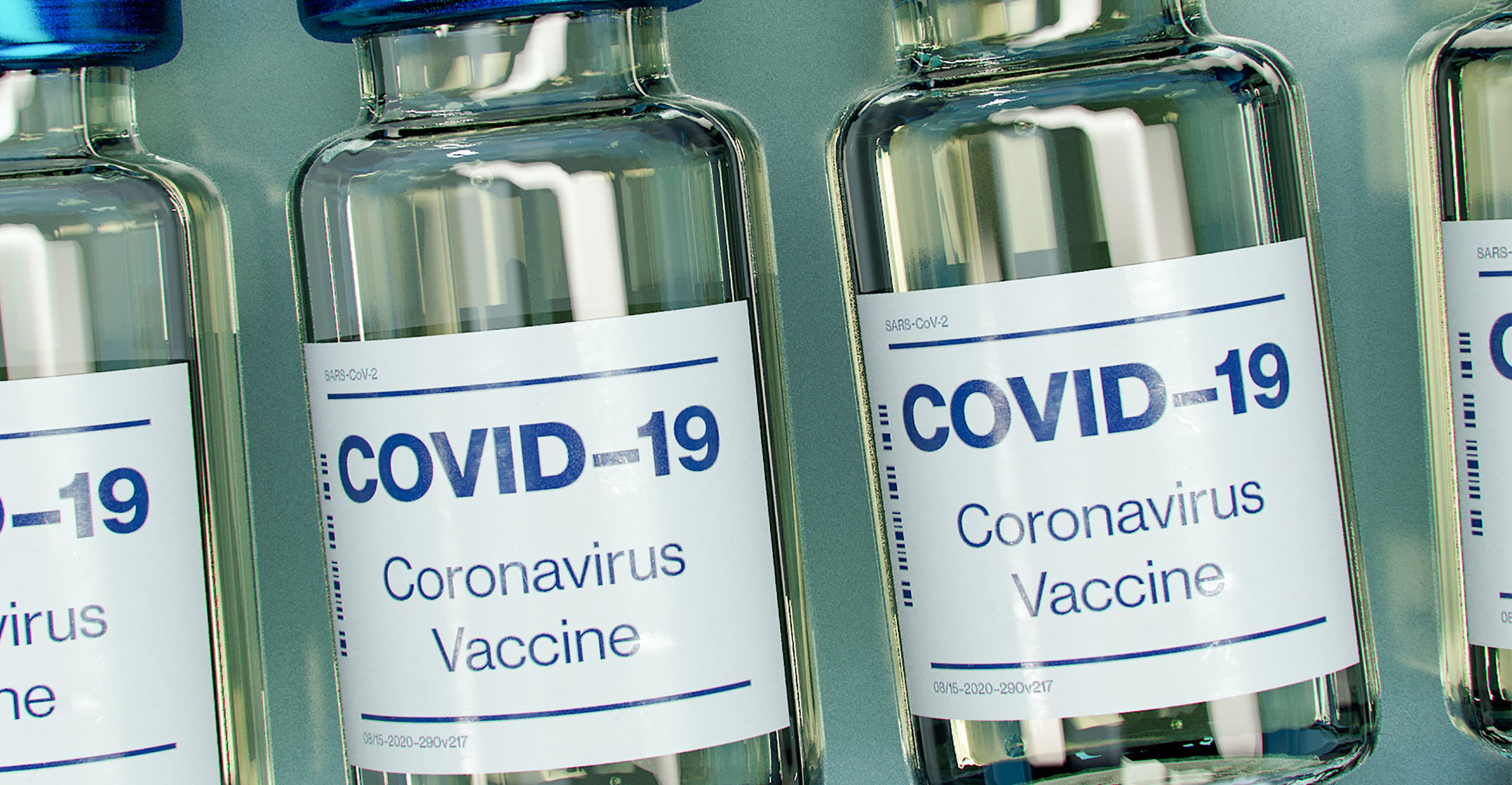
    Image: Daniel Schludi

    As scientists raced to develop Covid-19 vaccines, public health specialists were hoping that more than one group would succeed. Having multiple companies producing vaccines would make it easier to inoculate a lot of people fast. Be careful what you wish for. A range of vaccines with different efficacy results now has given rise to worries that some people may refuse the shot on offer in hopes of getting a “better” one later. In reality, comparing efficacy numbers isn’t necessarily the best way to measure a vaccine’s value. And as suppliers struggle to meet global demand, experts say the best vaccine for you is probably whichever one you can get now.

    1. What does efficacy mean?

    On a basic level, vaccine efficacy of 50%, for example, roughly means that an immunised person has a 50% reduced risk of becoming ill compared to an otherwise similar non-immunised person. However, the measurement can be applied to different questions about a vaccine’s effect. For example, several Covid-19 vaccines appear to successfully — 100% — avert hospitalisation and death. But since relatively few people infected with Sars-CoV-2 become critically ill, it’s hard to measure such a rare outcome reliably in clinical trials involving only tens of thousands of participants — a relatively small pool. Instead, the primary aim of most late-stage patient trials has been to measure broader efficacy against lab-confirmed Covid cases with any symptoms, including mild ones.

    2. What efficacies are being reported?

    The first two Western vaccines to prove effective — one from Pfizer and BioNTech, and another from Moderna — set a high bar, with efficacy estimated at 95% and 94%, respectively. That means that Covid cases among trial participants who received the vaccine were reduced by that much compared to those who got a placebo. Efficacy was estimated at 66.7% for AstraZeneca’s and 89.3% for Novavax’s two-shot regimens; and 66.9% for Johnson & Johnson’s single-shot vaccine. Four vaccines from China and one each from India and Russia are reported to have efficacies ranging from 50% to 91%, summarised below.

    3. Are the numbers reliable?

    It’s hard to say. Data from the clinical trials have been reported in various ways and subject to varying degrees of scientific scrutiny. Although publication in a peer-reviewed, scientific journal is considered the gold standard for ensuring the accuracy, integrity and credibility of clinical data, only a handful of Covid vaccine studies have undergone that rigorous vetting process so far. Vaccine efficacy data from other studies have been reported in press releases, articles in state-owned media and in papers released on so-called pre-print servers and, therefore, weren’t reviewed by scientists not involved in the research.
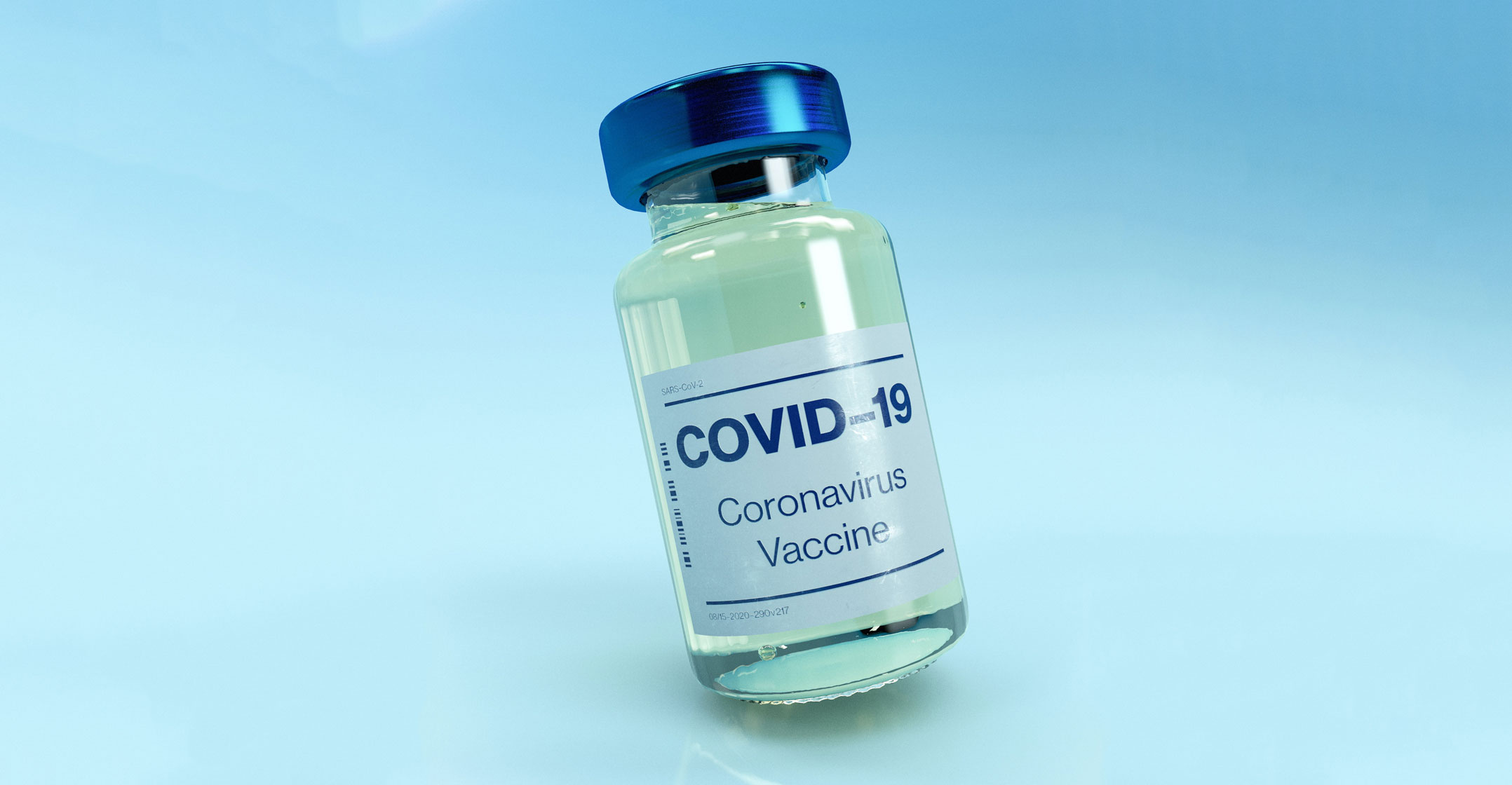
    Image: Daniel Schludi

    4. Why isn’t efficacy all that counts?

    For one thing, the figures aren’t directly comparable. That’s in part because the vaccines weren’t tested using the same criteria or groups of people. Also:

    • The vaccines were tested at different times and in different places. The intensity of the epidemic and measures to mitigate it, such as mask-wearing, may contribute to differences in efficacy estimates between countries.
    • Sars-CoV-2 has mutated over time, generating variants that appear to be more dangerous. So, in general, the first vaccines to prove effective likely faced fewer of these viral strains than subsequent ones have.
    • Vaccines take time to work, and the time periods during which efficacy was measured in clinical trials differ across studies.
    • Some trials may exclude participants with pre-existing conditions that could affect their response, while another trial might include such people. For example, Novavax reported a modest decline in efficacy in South Africa when HIV-infected individuals were included in the analysis.
    • While most of the trials were designed to evaluate how well vaccines prevented any symptomatic case of Covid, the J&J vaccine was tested for its ability to protect against moderate and severe Covid, which entails having at least two lesser symptoms or one or more serious one, such as an elevated respiratory rate.

    5. So numbers may be misleading?

    Yes, especially without understanding the clinical trial data on which they’re based. Although efficacy is given as a single figure, it’s actually a point estimate based on a range, or “confidence interval”, that scientists are 95% certain contains the true number. For the Moderna vaccine, in which 30 420 volunteers were randomly assigned to receive either vaccine or placebo, the range is 89.3% to 96.8%. That compares to a significantly wider range of 57.4% to 74% for the AstraZeneca jab, which studied its effects in a smaller group overall — 17 178 participants — and under varied conditions. In any case, research on all vaccines is incomplete because there hasn’t been sufficient time or follow-up to understand their efficacy longer-term. The best way to determine with a high degree of certainty how one vaccine stacks up against another is to compare the two under the same conditions. Such studies are likely to be carried out eventually.

    6. What matters beyond the efficacy number?

    Several things:

    Match to local variants
    Mutations mean that some vaccines may work better or worse in certain regions than in others, depending on which viral strains are present. The J&J results included data from dozens of testing sites in South Africa and Brazil, where two especially worrying variants are circulating. The vaccine achieved efficacies of 64% in South Africa and 61% in Latin America — less than the 72% seen in the US, but still respectable outcomes. (The 66.9% result is the global figure.)

    An interim analysis of trial results in February found that AstraZeneca’s vaccine didn’t protect recipients in South Africa against mild-to-moderate Covid-19 caused by the variant identified there, prompting the government to halt its roll-out of the shot.

    Match to recipients
    The safety and efficacy of a vaccine can vary among individuals depending on characteristics such as age, gender, genetic background and pre-existing conditions, including allergies. The European Union’s drug regulator said in January that it was unclear how well the AstraZeneca vaccine worked in people over 55 because it hadn’t been sufficiently tested in them. The agency authorised the inoculation for all adults anyway, but a number of European governments blocked or restricted its use in older people. Those policies are changing now that real-world data have started showing the shot works for all age groups.

    Separately, the Pfizer-BioNTech and Moderna vaccines, which use a novel technology called messenger RNA, have been linked to a small number of cases of anaphylaxis, a serious allergic reaction that requires medical attention. It’s possible the trigger is an ingredient used just in these shots, in which case people prone to anaphylaxis might be better off with an alternative vaccine.

    Dosing
    All the authorised Covid vaccines so far require two doses except for J&J’s and CanSino’s, which are single shot — a big plus. A one-dose vaccine reduces the burden on the health-care system, which is substantial in a mass-vaccination campaign. It eliminates the challenge of getting people to return on time for a second dose; a US study found one in four senior citizens failed to do so after getting an initial injection of the shingles vaccine. And it means people get the vaccine’s full protection sooner, without having to wait for a booster shot to kick in.
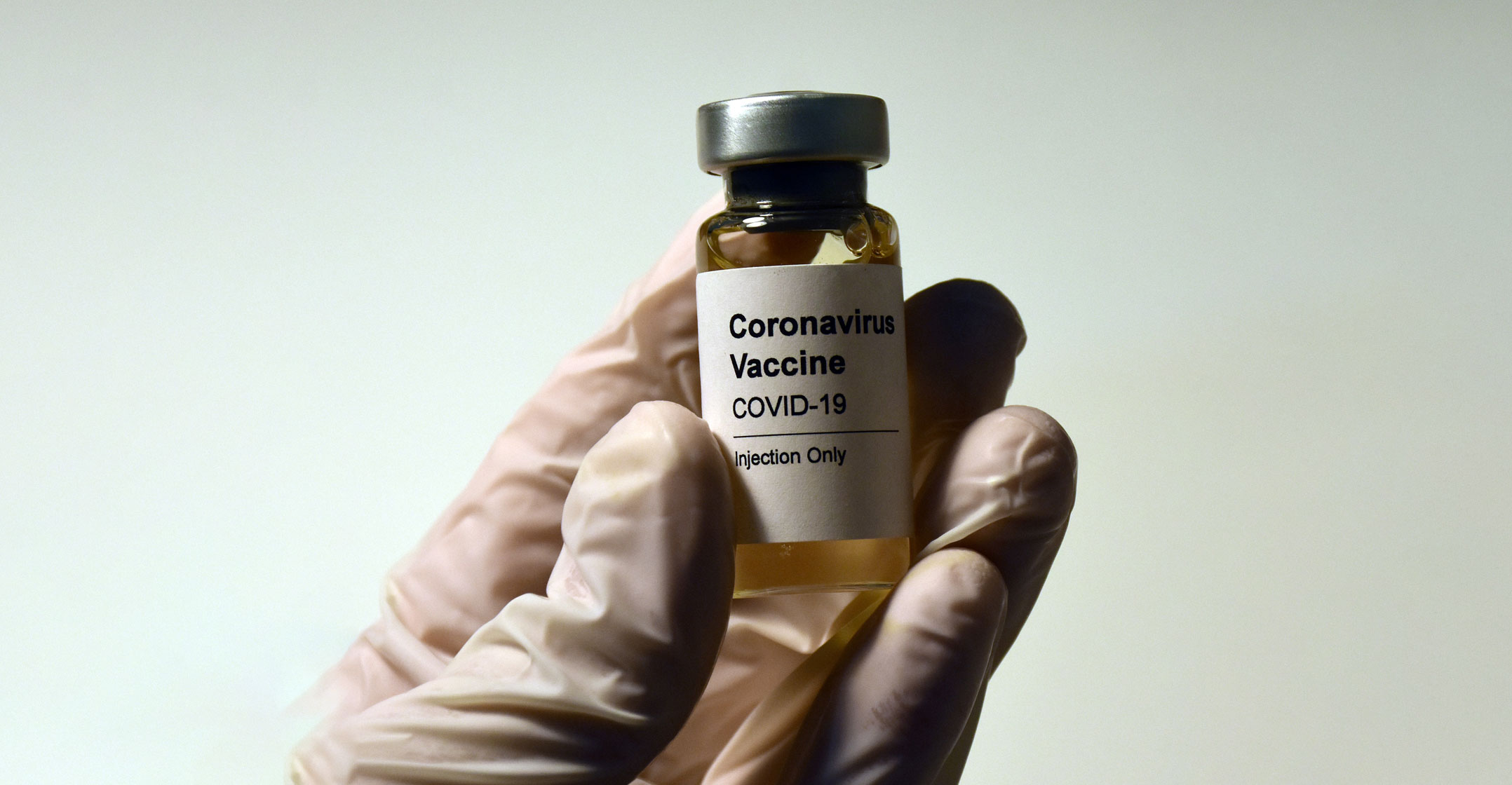
    Hakan Nural/Unsplash

    Refrigeration needs
    Vaccines have to be kept cold while they’re transported and stored, but the complexity of the so-called cold chain varies. The Pfizer-BioNTech vaccine needs to be shipped and stored at temperatures so low that special pharmacy freezers are required; after thawing, the doses must be used within five days. Moderna’s vials can be transported in regular freezers and stored for 30 days in a regular refrigerator. J&J’s ship frozen but keep for up to three months in a fridge.

    AstraZeneca’s are even easier to handle: They can be transported and stored at normal refrigerator temperatures for at least six months. The Sinovac, Sinopharm and Covaxin vaccines can be stored in refrigerators for up to three years. That makes all those varieties better candidates for places that don’t have large freezer capacity.

    Price
    The companies making Covid vaccines are getting different prices from different buyers and many of the figures aren’t public. Still it’s clear that some are significantly more expensive than others.

    Moderna’s is the priciest. Its CEO has given a range of $25 to $37 per dose. Next comes Pfizer-BioNTech: The EU is paying about $14.70 a dose, the US $19.50 and Israel $30.

    The J&J and AstraZeneca vaccines are considerably more affordable. J&J’s formulation costs the EU $8.50 — and only one dose is needed. The EU has paid $2.15 per AstraZeneca dose while South Africa shelled out $5.25.

    7. What’s the bottom line?

    Public health officials say that, at least initially, the best vaccine is whichever one is available at the time of eligibility. However, as supplies become less of a limitation, it’s likely some vaccines will offer advantages for different groups, such as a single shot for those for whom returning is difficult. Also, the uptake of vaccines across the world and the resulting effects on populations will inform the effectiveness of each vaccine at preventing Sars-CoV-2 infections, Covid-19 symptoms and establishing herd immunity under “real-world”, as opposed to clinical trial, conditions.  — Reported by Jason Gale, (c) 2021 Bloomberg LP



    BioNTech Covax Johnson & Johnson Moderna Pfizer top
    Subscribe to TechCentral Subscribe to TechCentral
    Share. Facebook Twitter LinkedIn WhatsApp Telegram Email Copy Link
    Previous ArticleStripe is now Silicon Valley’s most valuable-ever unlisted start-up
    Next Article VW’s future hinges on a $30-billion tech reboot

    Related Posts

    Founders Factory Africa CEO Bongani Sithole

    Founders Factory secures R2.1-billion to fund start-ups

    14 August 2023
    Scientists win Nobel Prize for Covid-19 vaccine discoveries

    SA may have to destroy 100 000 Covid vaccine doses

    4 March 2022

    New Covid vaccination rules in South Africa – what you need to know

    21 February 2022
    Company News
    Beat the summer heat with Samsung's WindFree air conditioners

    Beat the summer heat with Samsung’s WindFree air conditioners

    5 December 2025
    AI is not a technology problem - iqbusiness

    AI is not a technology problem – iqbusiness

    5 December 2025
    Telcos are sitting on a data gold mine - but few know what do with it - Phillip du Plessis

    Telcos are sitting on a data gold mine – but few know what do with it

    4 December 2025
    Opinion
    Your data, your hardware: the DIY AI revolution is coming - Duncan McLeod

    Your data, your hardware: the DIY AI revolution is coming

    20 November 2025
    Zero Carbon Charge founder Joubert Roux

    The energy revolution South Africa can’t afford to miss

    20 November 2025
    It's time for a new approach to government IT spend in South Africa - Richard Firth

    It’s time for a new approach to government IT spend in South Africa

    19 November 2025

    Subscribe to Updates

    Get the best South African technology news and analysis delivered to your e-mail inbox every morning.

    Latest Posts
    Beat the summer heat with Samsung's WindFree air conditioners

    Beat the summer heat with Samsung’s WindFree air conditioners

    5 December 2025
    Netflix, Warner Bros talks raise fresh headaches for MultiChoice

    Netflix, Warner Bros talks raise fresh headaches for MultiChoice

    5 December 2025
    Big Microsoft 365 price increases coming next year

    Big Microsoft price increases coming next year

    5 December 2025
    AI is not a technology problem - iqbusiness

    AI is not a technology problem – iqbusiness

    5 December 2025
    © 2009 - 2025 NewsCentral Media
    • Cookie policy (ZA)
    • TechCentral – privacy and Popia

    Type above and press Enter to search. Press Esc to cancel.

    Manage consent

    TechCentral uses cookies to enhance its offerings. Consenting to these technologies allows us to serve you better. Not consenting or withdrawing consent may adversely affect certain features and functions of the website.

    Functional Always active
    The technical storage or access is strictly necessary for the legitimate purpose of enabling the use of a specific service explicitly requested by the subscriber or user, or for the sole purpose of carrying out the transmission of a communication over an electronic communications network.
    Preferences
    The technical storage or access is necessary for the legitimate purpose of storing preferences that are not requested by the subscriber or user.
    Statistics
    The technical storage or access that is used exclusively for statistical purposes. The technical storage or access that is used exclusively for anonymous statistical purposes. Without a subpoena, voluntary compliance on the part of your Internet Service Provider, or additional records from a third party, information stored or retrieved for this purpose alone cannot usually be used to identify you.
    Marketing
    The technical storage or access is required to create user profiles to send advertising, or to track the user on a website or across several websites for similar marketing purposes.
    • Manage options
    • Manage services
    • Manage {vendor_count} vendors
    • Read more about these purposes
    View preferences
    • {title}
    • {title}
    • {title}