
Close Menu
TechCentralTechCentral

    Subscribe to the newsletter

    Get the best South African technology news and analysis delivered to your e-mail inbox every morning.

    Facebook X (Twitter) YouTube LinkedIn
    WhatsApp Facebook X (Twitter) LinkedIn YouTube
    TechCentralTechCentral
    • News
      Gaping holes in South African government cyber defences

      Gaping holes in South African government cyber defences

      2 April 2026
      EV charging start-up Charge bypasses JSE for token-based raise - Joubert Roux

      EV charging start-up Charge bypasses JSE for token-based raise

      2 April 2026
      Ring, reject, repeat: South Africa's spam call crisis

      Ring, reject, repeat: South Africa’s spam call crisis

      2 April 2026
      Four astronauts begin humanity's return to the moon - Artemis II

      Four astronauts begin humanity’s return to the moon

      2 April 2026
      Sars to give every taxpayer a digital identity in sweeping tech overhaul

      Sars to give every taxpayer a digital identity in sweeping tech overhaul

      1 April 2026
    • World
      Amazon in talks to buy satellite operator Globalstar

      Amazon in talks to buy satellite operator Globalstar

      2 April 2026

      Apple plans to open Siri to rival AI services

      27 March 2026
      It's official: ads are coming to ChatGPT

      It’s official: ads are coming to ChatGPT

      23 March 2026
      Mystery Chinese AI model revealed to be Xiaomi's

      Mystery Chinese AI model revealed to be Xiaomi’s

      19 March 2026
      A mystery AI model has developers buzzing

      A mystery AI model has developers buzzing

      18 March 2026
    • In-depth
      The R18-billion tech giant hiding in plain sight - Jens Montanana

      The R16-billion tech giant hiding in plain sight

      26 March 2026
      The last generation of coders

      The last generation of coders

      18 February 2026
      Sentech is in dire straits

      Sentech is in dire straits

      10 February 2026
      How liberalisation is rewiring South Africa's power sector

      How liberalisation is rewiring South Africa’s power sector

      21 January 2026
      The top-performing South African tech shares of 2025

      The top-performing South African tech shares of 2025

      12 January 2026
    • TCS
      TCS | MTN's Divysh Joshi on the strategy behind Pi - Divyesh Joshi

      TCS | MTN’s Divyesh Joshi on the strategy behind Pi

      1 April 2026
      Anoosh Rooplal

      TCS | Anoosh Rooplal on the Post Office’s last stand

      27 March 2026
      Meet the CIO | HealthBridge CTO Anton Fatti on the future of digital health

      Meet the CIO | Healthbridge CTO Anton Fatti on the future of digital health

      23 March 2026
      TCS+ | Arctic Wolf unpacks the evolving threat landscape for SA businesses - Clare Loveridge and Jason Oehley

      TCS+ | Arctic Wolf unpacks the evolving threat landscape for SA businesses

      19 March 2026
      TCS+ | Vox Kiwi: a wireless solution promising a fibre-like experience - Theo van Zyl

      TCS+ | Vox Kiwi: a wireless solution promising a fibre-like experience

      13 March 2026
    • Opinion
      The conflict of interest at the heart of PayShap's slow adoption - Cheslyn Jacobs

      The conflict of interest at the heart of PayShap’s slow adoption

      26 March 2026
      South Africa's energy future hinges on getting wheeling right - Aishah Gire

      South Africa’s energy future hinges on getting wheeling right

      10 March 2026
      Hold the doom: the case for a South African comeback - Duncan McLeod

      Apple just dropped a bomb on the Windows world

      5 March 2026
      VC's centre of gravity is shifting - and South Africa is in the frame - Alison Collier

      VC’s centre of gravity is shifting – and South Africa is in the frame

      3 March 2026
      Hold the doom: the case for a South African comeback - Duncan McLeod

      Hold the doom: the case for a South African comeback

      26 February 2026
    • Company Hubs
      • 1Stream
      • Africa Data Centres
      • AfriGIS
      • Altron Digital Business
      • Altron Document Solutions
      • Altron Group
      • Arctic Wolf
      • Ascent Technology
      • AvertITD
      • BBD
      • Braintree
      • CallMiner
      • CambriLearn
      • CYBER1 Solutions
      • Digicloud Africa
      • Digimune
      • Domains.co.za
      • ESET
      • Euphoria Telecom
      • HOSTAFRICA
      • Incredible Business
      • iONLINE
      • IQbusiness
      • Iris Network Systems
      • Kaspersky
      • LSD Open
      • Mitel
      • NEC XON
      • Netstar
      • Network Platforms
      • Next DLP
      • Ovations
      • Paracon
      • Paratus
      • Q-KON
      • SevenC
      • SkyWire
      • Solid8 Technologies
      • Telit Cinterion
      • Telviva
      • Tenable
      • Vertiv
      • Videri Digital
      • Vodacom Business
      • Wipro
      • Workday
      • XLink
    • Sections
      • AI and machine learning
      • Banking
      • Broadcasting and Media
      • Cloud services
      • Contact centres and CX
      • Cryptocurrencies
      • Education and skills
      • Electronics and hardware
      • Energy and sustainability
      • Enterprise software
      • Financial services
      • HealthTech
      • Information security
      • Internet and connectivity
      • Internet of Things
      • Investment
      • IT services
      • Lifestyle
      • Motoring
      • Policy and regulation
      • Public sector
      • Retail and e-commerce
      • Satellite communications
      • Science
      • SMEs and start-ups
      • Social media
      • Talent and leadership
      • Telecoms
    • Events
    • Advertise
    TechCentralTechCentral
    Home » Sections » Cryptocurrencies » Who let the doge out?

    Who let the doge out?

    Rockets aren’t the only thing Elon Musk is sending into the stratosphere.
    By The Conversation24 November 2024
    Twitter LinkedIn Facebook WhatsApp Email Telegram Copy Link
    News Alerts
    WhatsApp

    Who let the doge out?After a three-year plummet, dogecoin is blasting off again, jumping 250% since the election of Donald Trump – part of a broader wave of optimism in the industry, due to Trump’s courting of crypto advocates during his campaign.

    Trump’s informal appointment of Musk to what he calls the department of government efficiency – Doge for short – also helped pump the dog-themed memecoin.

    This isn’t the first time Musk, who styles himself as “the Dogefather,” has fuelled interest in dogecoin.

    Behind every memecoin is a collective of strangers on a communal mission to make more money

    In May 2021, its price shot up in anticipation of Musk’s guest appearance on Saturday Night Live. During one skit, Musk played a financial analyst in conversation with a Weekend Update host, who repeatedly asked him, “What is dogecoin?” After some obfuscation, Musk’s character finally admitted that it was a hustle. The price of the coin went into freefall. Just over a year later, it had shed over 90% of its peak value.

    The losses hit small investors hard. In 2022, one of them filed a class-action lawsuit against Musk for market manipulation and insider trading, though the case was dismissed in August 2024.

    Why has dogecoin – a memecoin that was never meant to be taken seriously as an investment – seen such extreme swings in value?

    We’re all in this together

    Dogecoin was launched in 2013 to spoof bitcoin and a slew of other cryptocurrencies that were claiming to disrupt the traditional world of finance. Two strangers from across the globe met online, copied the code of an existing coin, and branded it with the already popular Doge internet meme – a picture of a Shiba Inu dog surrounded by fragments of broken English: “Wow much coin.”

    Although their main goal was to make the coin pointless and undesirable, it became one of the most popular and enduring cryptocurrencies on the market.

    Following dogecoin’s previous surge in 2021, I studied how its fervent network of influencers and everyday investors worked together to draw tremendous attention – and capital – to the joke currency.

    To understand the appeal of these absurd investments, you have to look at the time and energy that users invest into these networks and the rewards, both financial and social, they get in return.
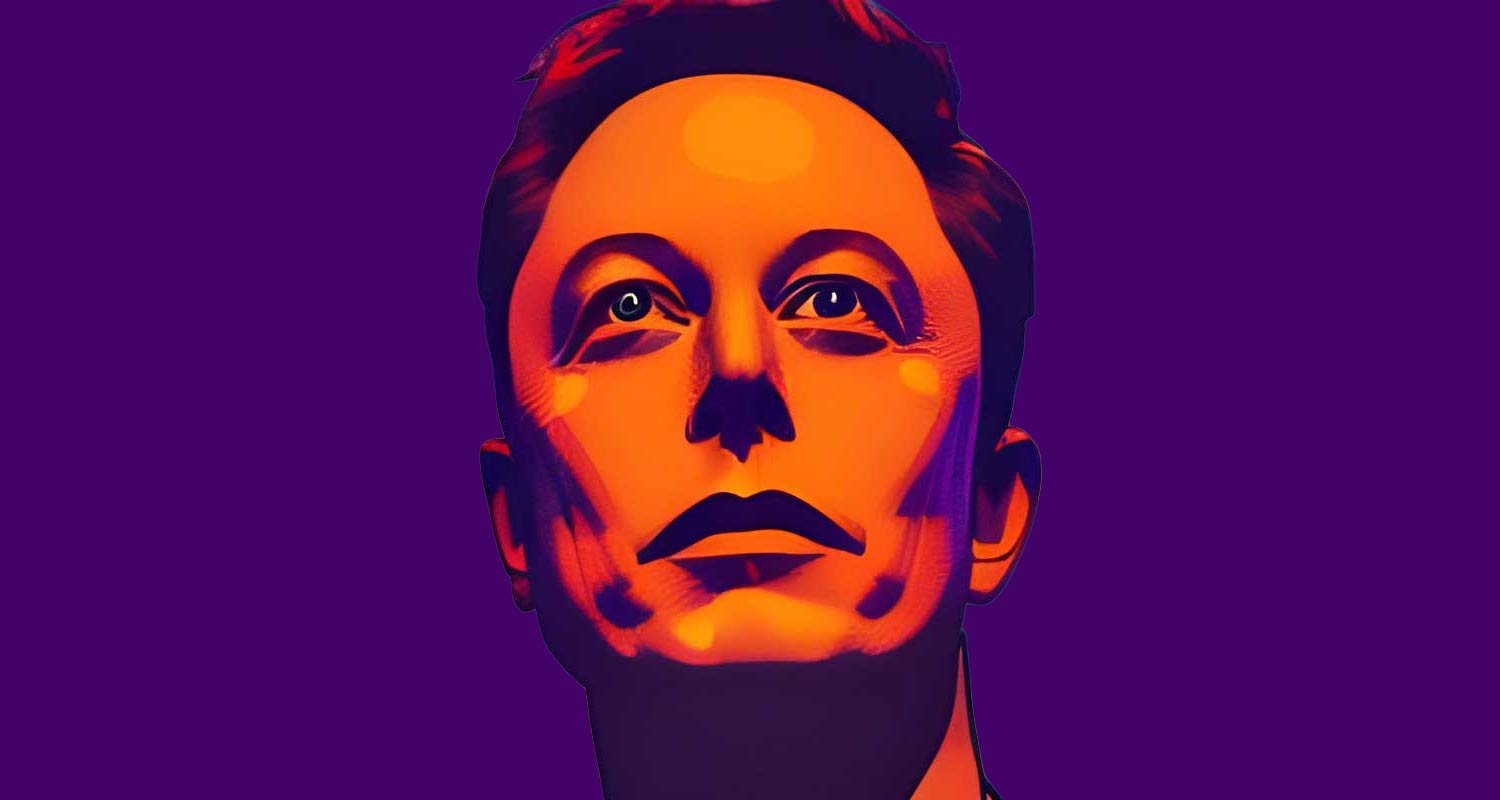
    The Dogefather

    Memecoins are collaborative enterprises. Members of these online communities have an economic incentive to become outspoken boosters: the more the value of dogecoin rises, the more their investments grow. But they also receive social validation from other memecoin investors when they pump up the coin.

    In other words, behind every memecoin is a collective of strangers on a communal mission to make more money.

    Dogecoin and its imitators have been described by their leadership as crypto movements, shared journeys and community-owned projects. Beyond branding the assets with culturally resonant images, whether it’s a Shiba Inu dog or Pepe the Frog, successful crypto ventures are characterised by complex webs of trust. Trust in the technology. Trust in its potential for future appreciation. And trust that those holding power in the networks won’t exploit the rest.

    The real value of meme coins cannot be understood in the same way as traditional assets

    This loyalty is woven among a global network of users who collaborate around the clock to promote their coin and demonstrate their unwavering commitment to its success.

    In times of price appreciation, the collective buzzes with elation.

    During price dips, community members mutually reinforce their comrades’ – and their own – beliefs that this is just a bump in the road and that their collective efforts will eventually lead to a handsome payoff. Even in the coldest of crypto winters, this ritualistic behaviour helps these speculative communities endure. Community serves as a substitute for financial loss.

    The investment strategies in these communities – and the conviction in their payoff – involve repeating and reposting what others have said, like any traditional internet meme.

    Trolling traditional valuation

    The real value of meme coins cannot be understood in the same way as traditional assets, such as stocks and physical commodities. These types of assets have fundamentals, such as a company’s financial statements, or public demand for basic goods, from coffee to oil.

    Conversely, the fundamentals of memecoins are reflected in their network activity, such as daily active users, and less concrete metrics, such as social sentiment and mindshare – how much public awareness a coin has generated compared with its rivals.

    Of course, the valuations of traditional assets are also affected by these social factors. The difference is that memecoins offer little by way of productive activity. They add nothing to the economy. Occasionally, their leadership will build financial services around them, but these are generally added as afterthoughts, especially as a way to drum up more speculative excitement.
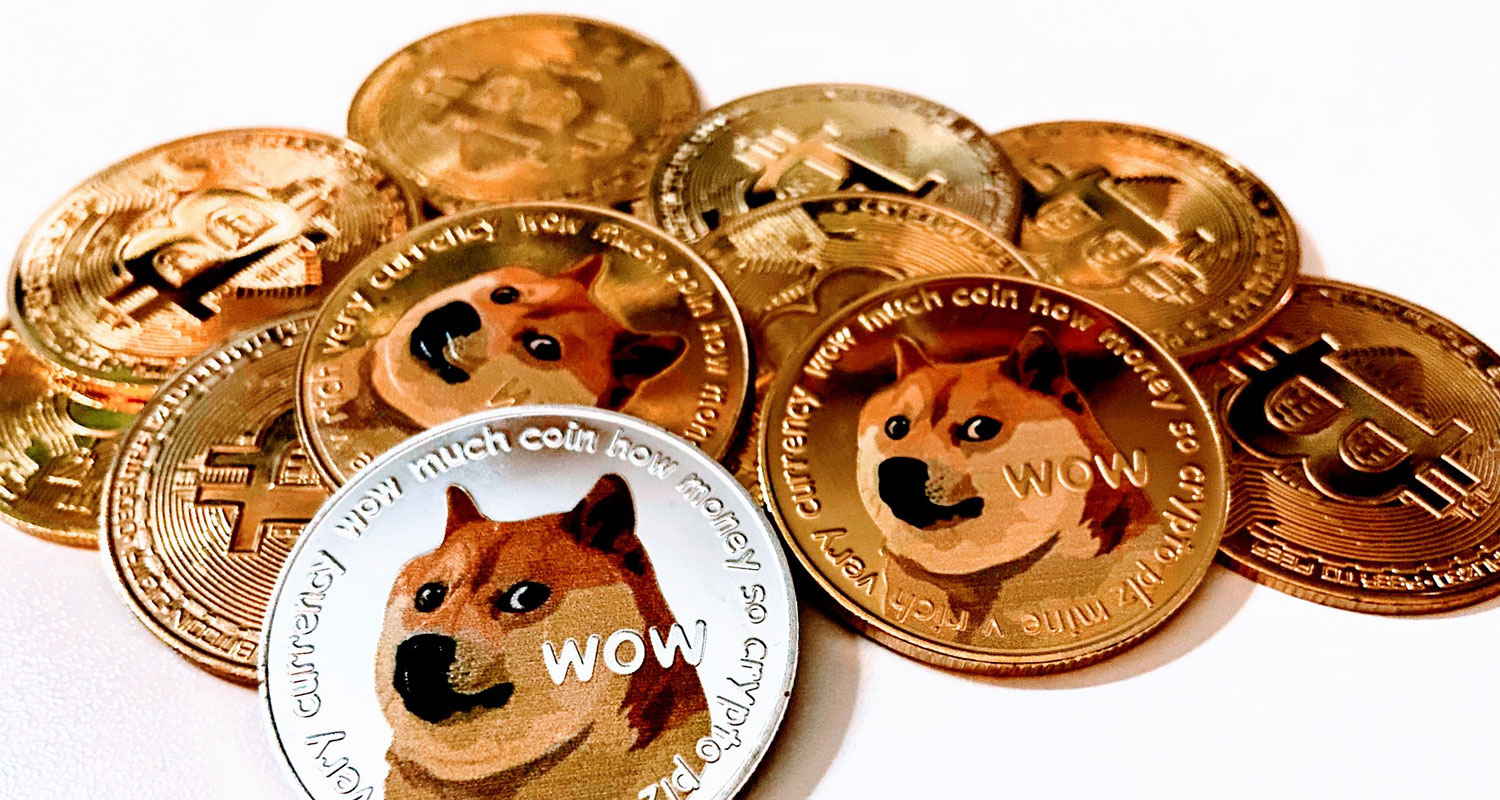
    Memecoins troll the traditional conventions of valuation and mock the edicts and dogmas of mainstream investors.

    And that’s exactly the point.

    Participation in memecoin communities – or any crypto community, for that matter – entails embracing an alternative economic experience. They are speculative sandboxes for playing outside of the conventional rules of investment.

    Who let the doge out?

    Musk is the quintessential meme coininfluencer.

    As the richest man in the world, he’s viewed by many as a paragon of savvy investing. His massive following extends far beyond dogecoin’s social network. And his promotional efforts are playful – so playful that the judge in his class-action case dismissed his dogecoin tweets as mere “puffery” and that “no reasonable investor could rely upon them”.

    Dogecoin previously reached the peak of its memetic momentum when Musk appeared on Saturday Night Live. Now, instead of sitting at the Weekend Update news desk cracking jokes, he’s sitting in Trump’s office advising the president-elect. In other words, dogecoin’s memetic resonance has ascended from pop culture to politics, helping it capture a bigger slice of the public’s mindshare.

    While dogecoin has specifically benefited from Musk’s proximity to Trump, the broader crypto market is leaping with optimism for a crypto-friendly administration. Speaking at the Bitcoin 2024 conference in July, the GOP candidate ensured he’d make the US “the crypto capital of the planet.” After pouring US$131-million into this election cycle, the crypto industry can now claim 274 pro-crypto members of the US house of representatives and 20 pro-crypto US senators.

    Between Musk buddying up with Trump and a shifting regulatory environment, the dog can once again run free.The Conversation

    • The author, Maximilian Brichta, is doctoral student of communication, University of Southern California
    • This article is republished from The Conversation under a Creative Commons license. Read the original article


    Don’t miss:

    Memecoin frenzy returns – does it portend a crypto crash?

    Follow TechCentral on Google News Add TechCentral as your preferred source on Google


    dogecoin Elon Musk
    WhatsApp YouTube
    Share. Facebook Twitter LinkedIn WhatsApp Telegram Email Copy Link
    Previous ArticleThe biggest prime number ever found
    Next Article Surprise as Nigerian economic growth accelerates

    Related Posts

    Starlink fires back after Namibia rejects licence bid

    Starlink fires back after Namibia rejects licence bid

    30 March 2026
    Namibia rejects Starlink

    Namibia rejects Starlink

    24 March 2026
    How Elon Musk's Hyperloop sucked up billions and delivered nothing

    How Elon Musk’s Hyperloop sucked up billions and delivered nothing

    22 March 2026
    Company News
    Synthesis helps financial enterprises transform with new Gemini Enterprise - Digicloud Africa

    Synthesis helps financial enterprises transform with new Gemini Enterprise

    2 April 2026
    The next churn wave is already in your contact centre conversations - CallMiner

    The next churn wave is already in your contact centre conversations

    2 April 2026
    Mining's problem isn't output, it's execution - Workday

    Mining’s problem isn’t output, it’s execution – Workday

    1 April 2026
    Opinion
    The conflict of interest at the heart of PayShap's slow adoption - Cheslyn Jacobs

    The conflict of interest at the heart of PayShap’s slow adoption

    26 March 2026
    South Africa's energy future hinges on getting wheeling right - Aishah Gire

    South Africa’s energy future hinges on getting wheeling right

    10 March 2026
    Hold the doom: the case for a South African comeback - Duncan McLeod

    Apple just dropped a bomb on the Windows world

    5 March 2026

    Subscribe to Updates

    Get the best South African technology news and analysis delivered to your e-mail inbox every morning.

    Latest Posts
    Gaping holes in South African government cyber defences

    Gaping holes in South African government cyber defences

    2 April 2026
    EV charging start-up Charge bypasses JSE for token-based raise - Joubert Roux

    EV charging start-up Charge bypasses JSE for token-based raise

    2 April 2026
    Ring, reject, repeat: South Africa's spam call crisis

    Ring, reject, repeat: South Africa’s spam call crisis

    2 April 2026
    Amazon in talks to buy satellite operator Globalstar

    Amazon in talks to buy satellite operator Globalstar

    2 April 2026
    © 2009 - 2026 NewsCentral Media
    • Cookie policy (ZA)
    • TechCentral – privacy and Popia

    Type above and press Enter to search. Press Esc to cancel.

    Manage consent

    TechCentral uses cookies to enhance its offerings. Consenting to these technologies allows us to serve you better. Not consenting or withdrawing consent may adversely affect certain features and functions of the website.

    Functional Always active
    The technical storage or access is strictly necessary for the legitimate purpose of enabling the use of a specific service explicitly requested by the subscriber or user, or for the sole purpose of carrying out the transmission of a communication over an electronic communications network.
    Preferences
    The technical storage or access is necessary for the legitimate purpose of storing preferences that are not requested by the subscriber or user.
    Statistics
    The technical storage or access that is used exclusively for statistical purposes. The technical storage or access that is used exclusively for anonymous statistical purposes. Without a subpoena, voluntary compliance on the part of your Internet Service Provider, or additional records from a third party, information stored or retrieved for this purpose alone cannot usually be used to identify you.
    Marketing
    The technical storage or access is required to create user profiles to send advertising, or to track the user on a website or across several websites for similar marketing purposes.
    • Manage options
    • Manage services
    • Manage {vendor_count} vendors
    • Read more about these purposes
    View preferences
    • {title}
    • {title}
    • {title}