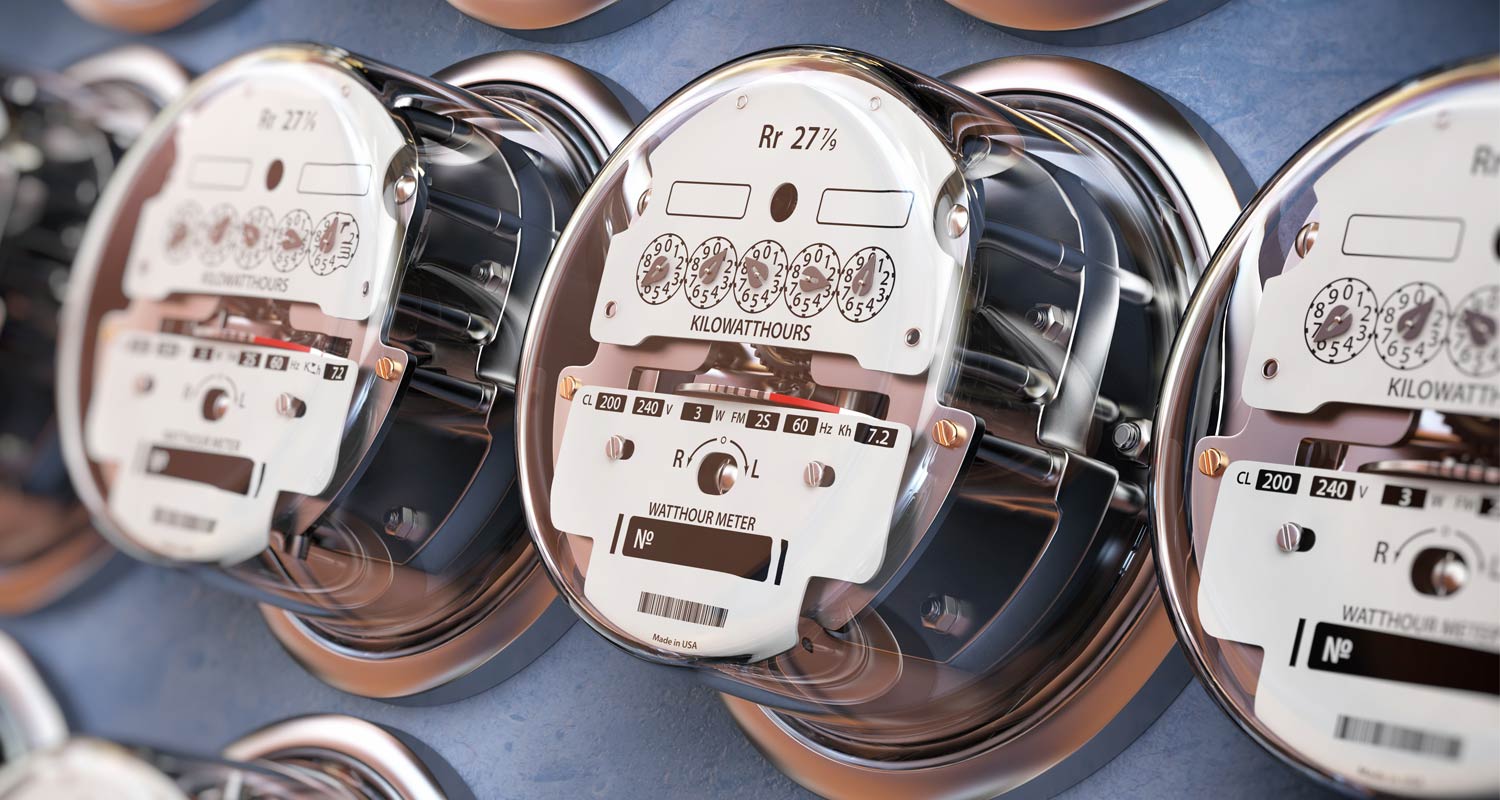
Blu Label Unlimited Group sold R46.2-billion worth of prepaid electricity on behalf of municipalities and utilities in the year to 31 May 2026, up 4%. It earned R279-million in commission for doing so, down 13% from R320-million.
The squeeze tightened as the year went on. In the six months to November, gross electricity revenue was up 11% and commissions were down 10%, as the group reported in February. Full-year growth of 4% against 11% at the halfway mark means the rand value of electricity sold went backwards in the second half, while the commission decline deepened from 10% at the half-year to 13% for the year as a whole.
Blu Label is paid largely per kilowatt-hour, not on the rand value of what it sells, so tariff increases lift the top line without lifting what the group earns. Municipalities have been cutting the margin they pay the distribution channel on top of that.
The tariff pressure is not easing. Nersa approved an 8.76% increase for Eskom’s direct customers from 1 April, in the closing weeks of Blu Label’s financial year, and 9.01% for municipal customers from 1 July, a month into the new one. Both are well ahead of inflation.
“Your turnover would increase, but your percentage earn – because we get paid on kilowatt-hours, not turnover – started to decrease,” co-CEO Mark Levy said in February.
Blu Label’s answer is to sell municipalities more than tokens. In February it set out an energy strategy built on three legs — revenue assurance, smart meters and small-scale generation — anchored in its Cigicell subsidiary and a newer unit, Blu Energy.
Revenue assurance is the near-term earner. Blu Label reckons about 30% of the electricity municipalities distribute is lost, stolen or otherwise unaccounted for. It agrees a collections baseline with a municipality, sends teams out to geo-code properties, replace tampered meters, match them to the right accounts and rebuild billing histories, then keeps an agreed share of what it recovers. If it cannot beat the baseline it is not paid. Municipalities can claim arrears going back 36 months. Blu Label has signed a 10-year contract with the City of Ekurhuleni and a three-year contract with the City of Tshwane.

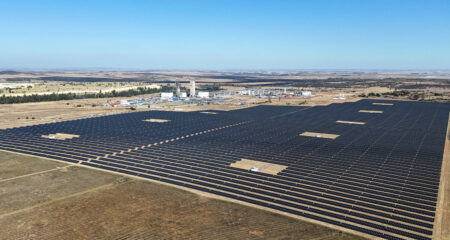
Blu Energy plans 10-40MW solar and battery plants feeding individual municipal substations rather than one large plant, and secured a multi-year trading licence from Nersa during the year, allowing it to buy, sell and trade power. Co-CEO Brett Levy has said the capital will come from infrastructure lenders and green energy funds rather than the group’s own balance sheet.
None of it is earning yet. Blu Label says Blu Energy is “progressing towards first contracted revenues on the back of an expanding municipal/commercial pipeline”.
How people buy airtime has changed
The way South Africans buy airtime has shifted, and Blu Label’s income statement shows it clearly. Reported revenue from prepaid airtime, data and related sales fell 34%, from R8.63-billion to R5.72-billion.
That is an accounting outcome rather than a collapse in demand. When Blu Label sells a voucher with a Pin on it, it takes the full face value into revenue as principal. When a customer tops up a number directly – a Pin-less top-up – Blu Label is the agent and books only its commission.
The gross value of Pin-less top-ups rose 15%, from R21.8-billion to R25.1-billion. The R3.3-billion added there is more than the R2.9-billion that came off the reported airtime line. Much the same volume of airtime is moving through the business. What changed is how people buy it.
A smaller denominator
The margin looks better largely because the revenue it is measured against is smaller. The average Ebitda margin – earnings before interest, tax, depreciation and amortisation – that Blu Label uses to test The Prepaid Company’s goodwill for impairment rose from 4.65% to 8.31%, which the group attributes primarily to “a shift in customer behaviour resulting in the recognition of revenue changing from principal to agent”.
The fastest-growing line is universal vouchers, where gross revenue rose 22% from R15.3-billion to R18.7-billion. Blu Label puts that down to expanding BluVoucher sales through financial institution channels – vouchers bought inside banking apps rather than over a counter.
Read: The trap that stops MTN and Vodacom eating Cell C’s lunch
The float on unredeemed vouchers is growing with it. Deferred revenue on Ringas vouchers, which are Pin-less and can top up a number on any of the four major mobile networks, rose 69% to R163.7-million.
Ticketing went the other way. Gross ticketing revenue fell 13%, or R174-million, cutting commissions by R11-million. Blu Label blames a drop in sales for music festivals and concerts, partly offset by growth in commuter bus tickets.

Across all of it, R99.9-billion passed through the group in the year, up 7% from R93.2-billion, on the imputed gross basis Blu Label uses because only the gross profit on Pin-less top-ups, prepaid electricity, ticketing and universal vouchers reaches its revenue line. Stripped of Cell C and Comm Equipment Company, revenue on the group’s normalised basis was R9.4-billion. The group’s headline earnings fell more than 80% on the accounting consequences of the Cell C listing. – © 2026 NewsCentral Media
- Subscribe to TechCentral’s daily newsletter
- Get breaking news alerts on WhatsApp