 Cryptocurrencies had a blockbuster year in 2021 by almost any measure. Bitcoin, ether and other coins jumped, reaching new highs far beyond their previous peaks. More institutions began offering research and services for the sector, and big-name investors piled in. Along the way, non-fungible tokens (NFTs) and decentralised finance (DeFi) joined the popular lexicon.
There have been big wins and big scams, important upgrades, major crackdowns — and some major themes that will carry into 2022. Central banks are getting serious about their own digital currencies, and regulators are becoming very interested in what had previously been a “Wild West” of an industry.
To help get a sense of the path ahead, here’s a look at some of this year’s top moments in crypto, why they mattered and what they may portend.
Tesla puts bitcoin on its balance sheet
What happened: Elon Musk’s electric-car maker announced to the world on 8 February that it had invested US$1.5-billion in bitcoin and signalled its intent to take payments in the cryptocurrency as well. That boosted bitcoin’s price to a record, while setting off all sorts of discussion about whether other companies might follow suit.
What’s next: Tesla’s bold move ended up being an outlier, although one company — MicroStrategy, led by bitcoin backer Michael Saylor — famously took investing in the cryptocurrency to a whole new level, even issuing debt to buy more. MicroStrategy’s holdings now sit in the billions of dollars. Both Tesla and MicroStrategy have had to take impairment charges on their positions because of price swings and bitcoin remains a volatile asset. Still, as the world’s largest cryptocurrency moves into the mainstream, expect more corporate treasurers to consider it an investment option, and more companies to weigh accepting it as payment.
The $69.3-million NFT sale
What happened: When “Everydays: the First 5000 Days” from digital artist Mike Winkelmann, also known as Beeple, went up for auction at Christie’s, some people were already paying attention. But when the winning price was announced on 11 March — an eye-popping $69.3-million — it sent a shock through the traditional art world. While NFTs (basically, digital certificates of authenticity) had already been gaining traction, this helped catapult the concept to fame and encouraged artists, creatives and celebrities of all types to look into creating them
What’s next: NFTs look like they have staying power, though there are a lot of questions about insider advantages, relative value, odd trading activity and more. Some industry experts say they have potential far beyond what we’ve seen so far. One industry veteran, William Quigley, says NFTs will be everywhere in 10 years, and will be the revenue model for the metaverse, a virtual environment where people can interact with the Internet and other functionalities, supplanting Web browsers and mobile apps. The $69.3-million “Everydays” buyer Vignesh Sundaresan, meanwhile, said he’d be happy if everybody downloaded a copy of the “Everydays”.
Memecoins become a true force
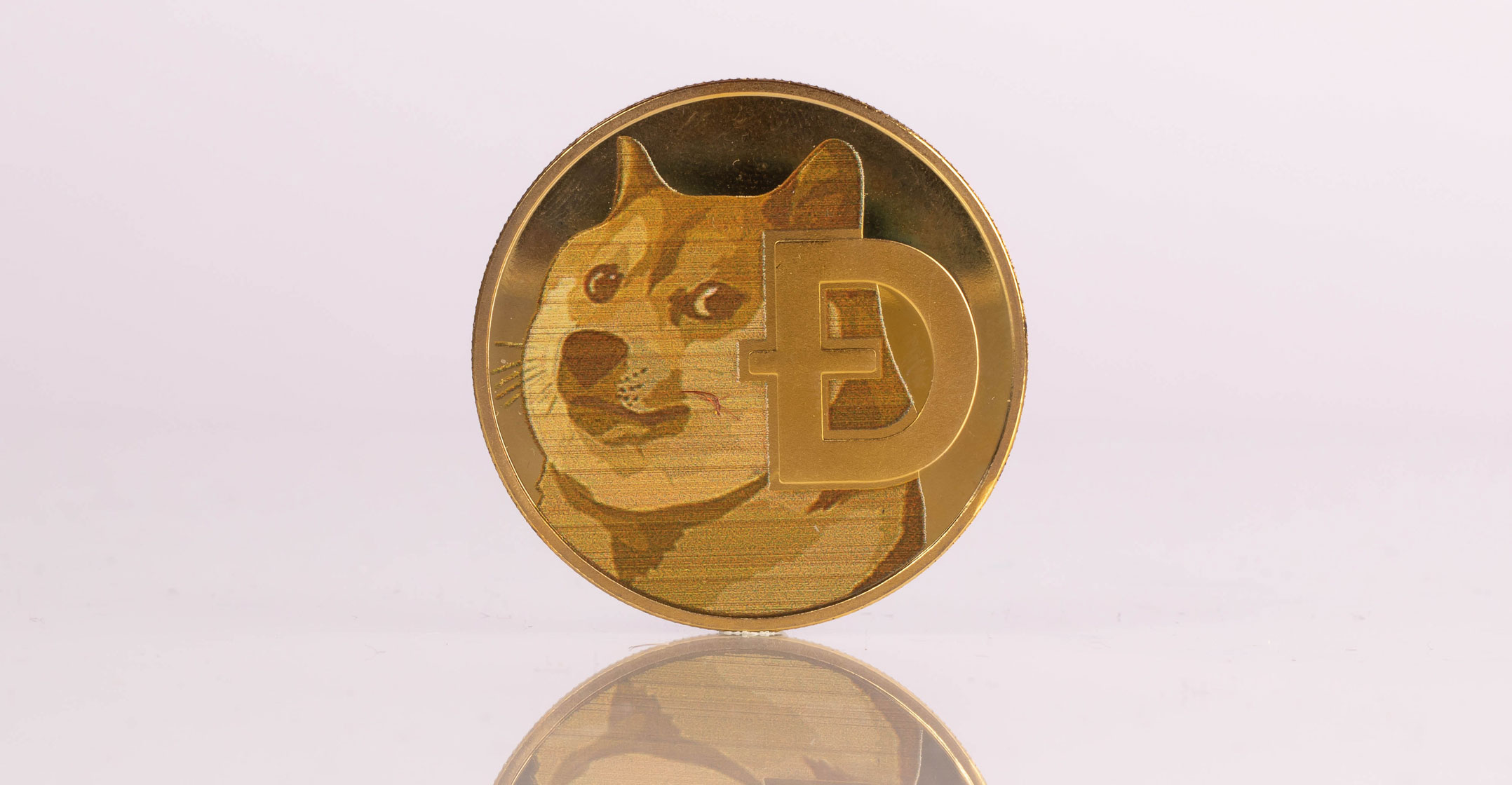
What happened: The crypto token dogecoin was created in 2013 as a joke — hey, it’s a Shiba Inu dog on a coin! — and continued to stick around, largely on the fringes of the market. That is, until this year. Helped in no small part by tweets from Elon Musk, dogecoin soared some 5 000% in the past 12 months, with a lot of swings in between. It wasn’t alone: Memecoins became all the rage in 2021, with dogecoin leading the way and tokens like shiba inu, which briefly topped dogecoin in market value, coming on strong as well.
What’s next: Memecoins — most of which trade at fractions of a penny — have been a source of fascination and debate. They’ve also made an easy mark for those who are sceptical of crypto. And rightly so, as many have been the vehicle for “pump and dump” scams and other schemes. Search for “Floki”, Musk’s dog’s name, on CoinGecko and six options come up. Some memecoins haven’t turned out so well for people who bought in. Witness the squid game token, which wasn’t affiliated with the popular series, restricted withdrawals and eventually plunged from thousands of dollars a token to virtually zero very suddenly. At the same time, some of them — notably dogecoin and shiba inu — have had more formal development, and have actually become payment methods for some things (AMC movie tickets and Houston Rockets merchandise, for instance). The enthusiasm for memecoins shows no signs of dimming for now, but with enforcement scant in this corner of the market and risks aplenty, buyer beware.
 Coinbase listing
What happened: Crypto exchange Coinbase Global’s direct listing on the Nasdaq on 14 April was a milestone for the market in terms of greater legitimacy and acceptance, and it also coincided with what was then a peak in bitcoin’s price. At one point, Coinbase’s valuation soared to $112-billion, though it subsequently fell back in volatile trading.
What’s next: The year ahead promises to be a big one for exchanges. Coinbase has struggled to work with US regulators, occasionally lashing out about what it sees as unfair treatment. Binance, the biggest, appears to be working toward a totally new geographic and regulatory setup. FTX and others are pursuing visible expansion strategies. Will they be able to cope with increasingly interested regulators?
Elon Musk’s SNL appearance
What happened: Such was the excitement in the crypto community about Musk’s 9 May appearance on Saturday Night Live that fans of the billionaire organised watch parties and sent dogecoin to a record $0.73. Only one problem: Expectations were, shall we say, a bit high. While Musk touted the token, he also called it “a hustle”, sending it quickly lower.
What’s next: Musk has proven able to move the prices of cryptocurrencies — maybe not every single time he tweets, but often. The fact that he can do so doesn’t necessarily argue that crypto is a robust asset class. Will he suck up as much of the oxygen in crypto next year as he has in 2021?
Mid-May crypto wipeout
What happened: Down more than 30%, then up more than 30% — that was Bitcoin on the spectacularly wild ride of 19 May. The gyrations were fuelled in part by Musk stunning the crypto community some days earlier when he said Tesla wouldn’t accept bitcoin as a payment method out of concern over its energy usage, as well as concerns about a crackdown in China after the central bank issued a warning about virtual-currency risks on its website. Other cryptocurrencies had similar fates as billions of dollars of crypto longs were liquidated quickly, while exchanges from Coinbase to Binance experienced outages. It took bitcoin about two months to recover.
What’s next: The more crypto works, and the better the systems around it work, the more people might feel comfortable getting in. Can the crypto world cut back on glitches in 2022? Meanwhile, environmental concerns will likely continue to be front and centre. And it will be interesting to see whether China continues its crackdown as the country rolls out its digital yuan. The country has proven to be quite serious about it so far, with multiple edicts from different agencies including late-September declarations that crypto transactions are illegal and mining will be rooted out, making it hard to see how any crypto-related private enterprises can flourish there.
 El Salvador makes bitcoin legal tender
What happened: El Salvador’s young and controversial President Nayib Bukele told an audience at the Bitcoin 2021 conference in Miami in early June that he planned to make the largest cryptocurrency legal tender in his country. Just a few days later, El Salvador’s congress approved a resolution with a supermajority to make it so. Three months later, the plan took effect. Now, Bukele is even floating the possibility of selling tokenised “volcano bonds” tied to bitcoin.
What’s next: The ramifications of El Salvador’s decision are still playing out, with the International Monetary Fund and others concerned about the effect bitcoin’s volatility could have on things such as consumer protection and financial stability. One person who doesn’t appear concerned is Bukele, who’s been posting on Twitter about buying the dip when the price drops. El Salvador’s move has accelerated a conversation about crypto as legal tender for other countries. The crypto faithful have been touting this possibility, and the idea even played into a hack of India Prime Minister Narendra Modi’s Twitter account. But it’s still a new and potentially fraught path. On the other hand, many governments are looking into, and a few even started, central bank digital currencies, or CBDCs.
Upgrades by the heavyweights
What happened: Ethereum’s London upgrade in early August is part of a series of changes to the popular blockchain platform that will significantly change its structure — for instance, changing the type of system that creates and validates a blockchain’s sequential record by moving from proof-of-work to proof-of-stake. The goal is to speed up the network and make it less energy-intensive and less expensive to use. The London upgrade also reduced the supply of the ether token. Bitcoin’s Taproot upgrade in mid-November also offered changes. Together, they’re showing that even the biggest cryptocurrencies are trying to improve and occasionally change their approach.
What’s next: Ethereum’s upgrades aren’t over yet. It remains to be seen exactly what the long-term effects are, and whether they’ll keep the older, more-established cryptos ahead of the younger and hungry newcomers like solana or avalanche, which claim to offer some manner of better, faster or cheaper experiences.
A US bitcoin ETF
What happened: The US Securities and Exchange Commission in October approved the ProShares Bitcoin Strategy exchange-traded fund — which tracks futures of the digital coin — in a debut that was meant with an initial surge in demand. The enthusiasm from the event helped push bitcoin to a record $69 000, with the idea it was making the cryptocurrency more accessible to retail investors and institutions.
What’s next: The mechanisms for investment in digital assets are likely to continue to mature next year, with products like CME Group’s futures offerings and even robo-adviser crypto choices gaining adherents. Still, while some players had hoped for approval of a spot ETF in the US soon, comments from regulators make that seem unlikely anytime soon.
 DeFi, Web3 and the metaverse
What happened: Numerous concepts that had been circulating in more crypto-forward circles made their way into popular culture. Facebook said in late October that it was changing its name to Meta Platforms, showing how much the idea of the metaverse has penetrated the thinking of companies and consumers. DeFi, in which there’s no intermediary and counterparties interact directly through smart contracts, topped $100-billion in market value in October; and Web3, a vaguely defined next-generation Internet where services are supposed to be owned and operated by communities of users, is constantly mentioned by tech companies.
What’s next: All of these areas are likely to evolve significantly next year. One question: Will they be dominated by giant companies the way the current tech and banking landscapes are? Will decentralisation rule the day?
Regulators wake up
What happened: Crypto saw increased regulatory scrutiny this year in the US and elsewhere as prices rose and the asset class became more systemically important — to say nothing of China’s multi-month crackdown. It’s got to the point where governments find themselves less able to ignore digital assets, given their explosion in growth and roles in illicit activity such as ransom payments, as well as the scams and rug pulls that lurk as risks for those entering the space.
What’s next: Regulation is going to be a huge theme for crypto in 2022 globally, as places like the US, India, Thailand, Australia and Brazil ponder how to approach public policy in such a fast-growing, fast-changing area. Governments around the world are looking at crypto phenomena from stablecoins to decentralised finance. They’re worried about retail investors losing money they can’t afford, whether it’s through volatility, snafus or so-called rug pulls, as well as issues like how to tax the asset class. — (c) 2021 Bloomberg LP