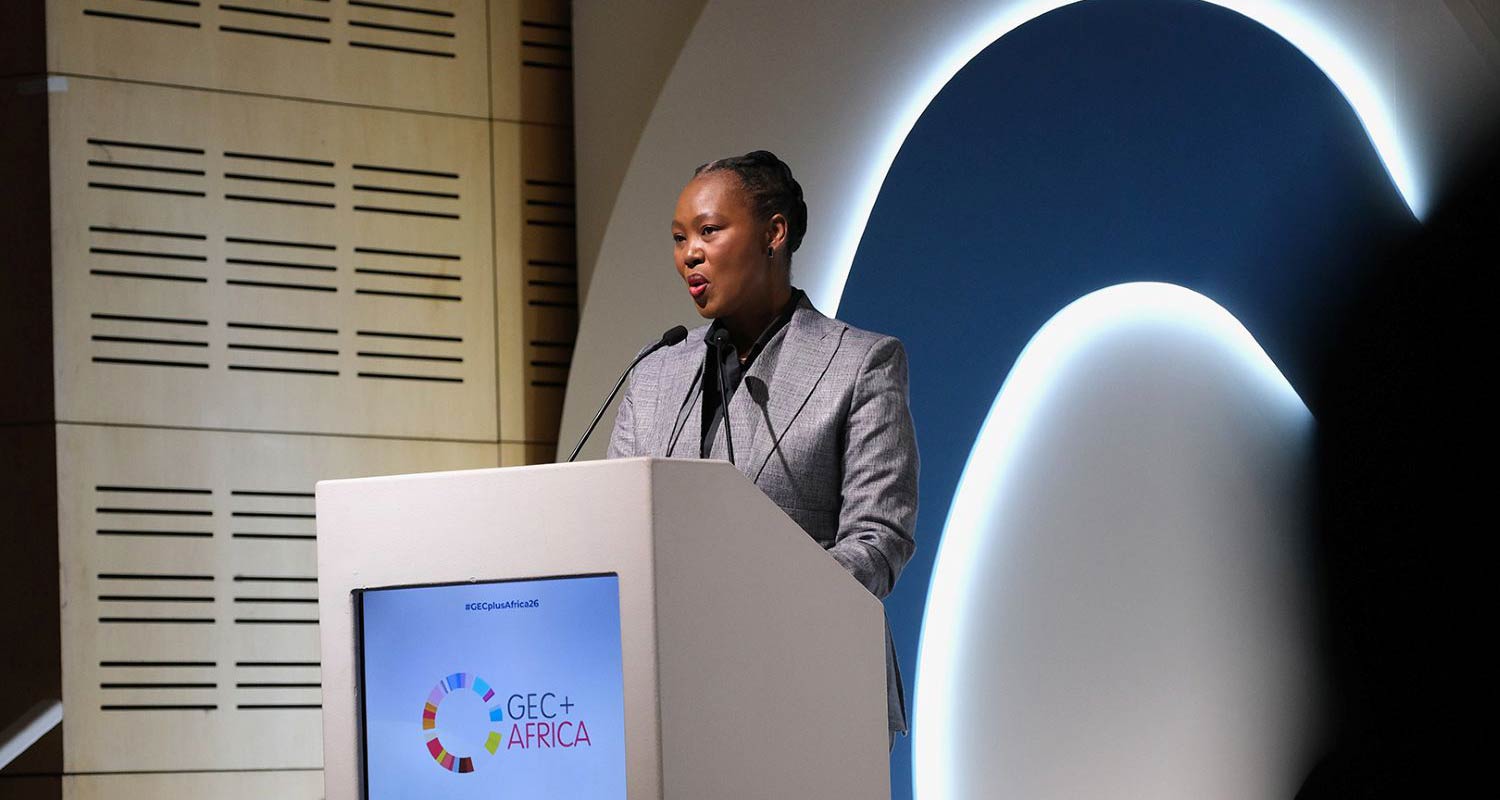
The need to make it easier to start, operate and grow a business in South Africa took centre stage on the second and final day of the 2026 Global Entrepreneurship Congress Africa (GEC+Africa), with small business development minister Stella Tembisa Ndabeni calling for simpler regulation, stronger infrastructure and closer collaboration between government and entrepreneurs.
Delivering the keynote address at GEC+Africa, Ndabeni highlighted the central role of small businesses, township enterprises and innovation in driving South Africa’s economic renewal.
She stressed the importance of ensuring that entrepreneurs have a meaningful role in shaping the policies and legislation that directly affect their businesses.
Her call was echoed by James Vos, the City of Cape Town’s mayoral committee member for economic growth, who highlighted the importance of the ease of doing business and called for practical interventions that enable businesses to operate more efficiently, access services, attract investment and create jobs.
The discussions pointed to a common challenge facing entrepreneurs: the business environment itself can either enable or constrain growth. Reducing red tape, improving licensing processes, strengthening infrastructure and creating conditions that encourage investment emerged as key priorities for unlocking greater economic participation.
AI: from consumers to contributors
The future of work and the impact of artificial intelligence also took centre stage, as Vukani Mngxati, CEO of Microsoft South Africa, and Robert Koen, MD of Amazon in sub-Saharan Africa, examined how AI is reshaping businesses, jobs and the skills required for Africa’s future workforce.
The conversation raised a critical question for the continent: how can Africa move from being a consumer of AI technologies to contributing to their development, application and innovation?
For entrepreneurs, the message was practical – technology presents an opportunity to improve productivity, solve problems and accelerate growth, but it must be underpinned by strong business fundamentals.
Women at the centre of Africa’s entrepreneurial growth
Women’s economic participation was another prominent theme, with leading women from across the entrepreneurship ecosystem exploring what it will take to build more resilient, scalable and investable businesses.
The discussions focused on creating greater opportunities for women to start, grow and scale businesses across Africa, while recognising their role as drivers of entrepreneurship, job creation and economic participation.
Phuthi Mahanyele-Dabengwa, group executive director at Naspers and Prosus, also used the platform to speak candidly about gender-based violence in South Africa, calling for action and a refusal to normalise the violence women continue to face.
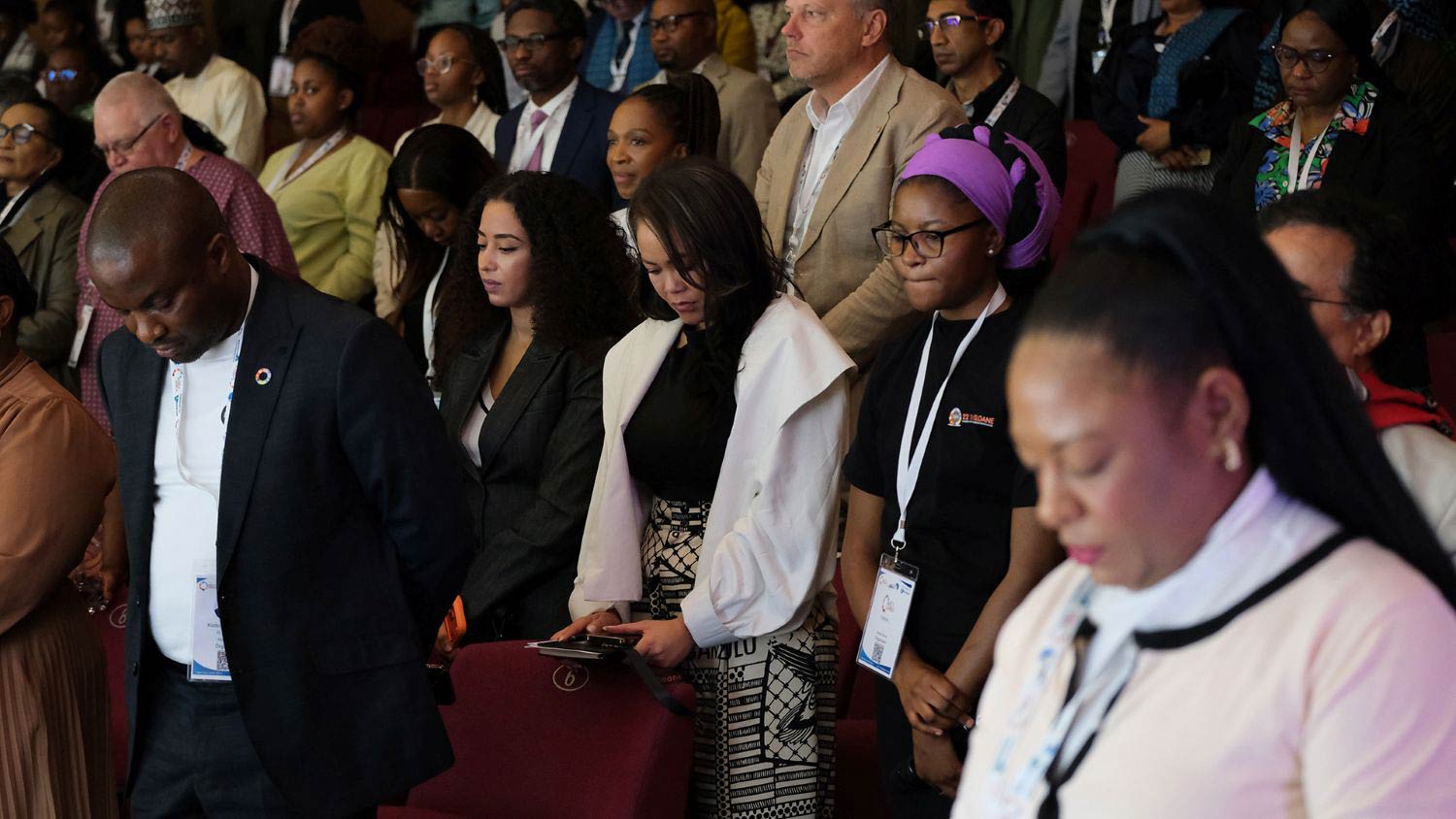
Creating the conditions for entrepreneurship to thrive
As GEC+Africa drew to a close, the conversations highlighted that supporting entrepreneurs requires more than access to funding and skills. It also requires an enabling environment in which businesses can navigate regulation, access infrastructure and markets, adopt new technologies and participate meaningfully in the economy.
Bringing together entrepreneurs, policymakers, investors, corporates and ecosystem organisations from across Africa, GEC+Africa provided a platform for conversations on the practical actions needed to strengthen entrepreneurship and support inclusive economic growth across the continent.
About GEC+Africa
GEC+Africa is the largest pan-African gathering dedicated to advancing entrepreneurship. The congress brings together entrepreneurs, investors, policymakers, corporates and ecosystem enablers to connect, exchange ideas, build partnerships and explore opportunities that can contribute to sustainable economic growth across the continent.
- This promoted content was paid for by the party concerned