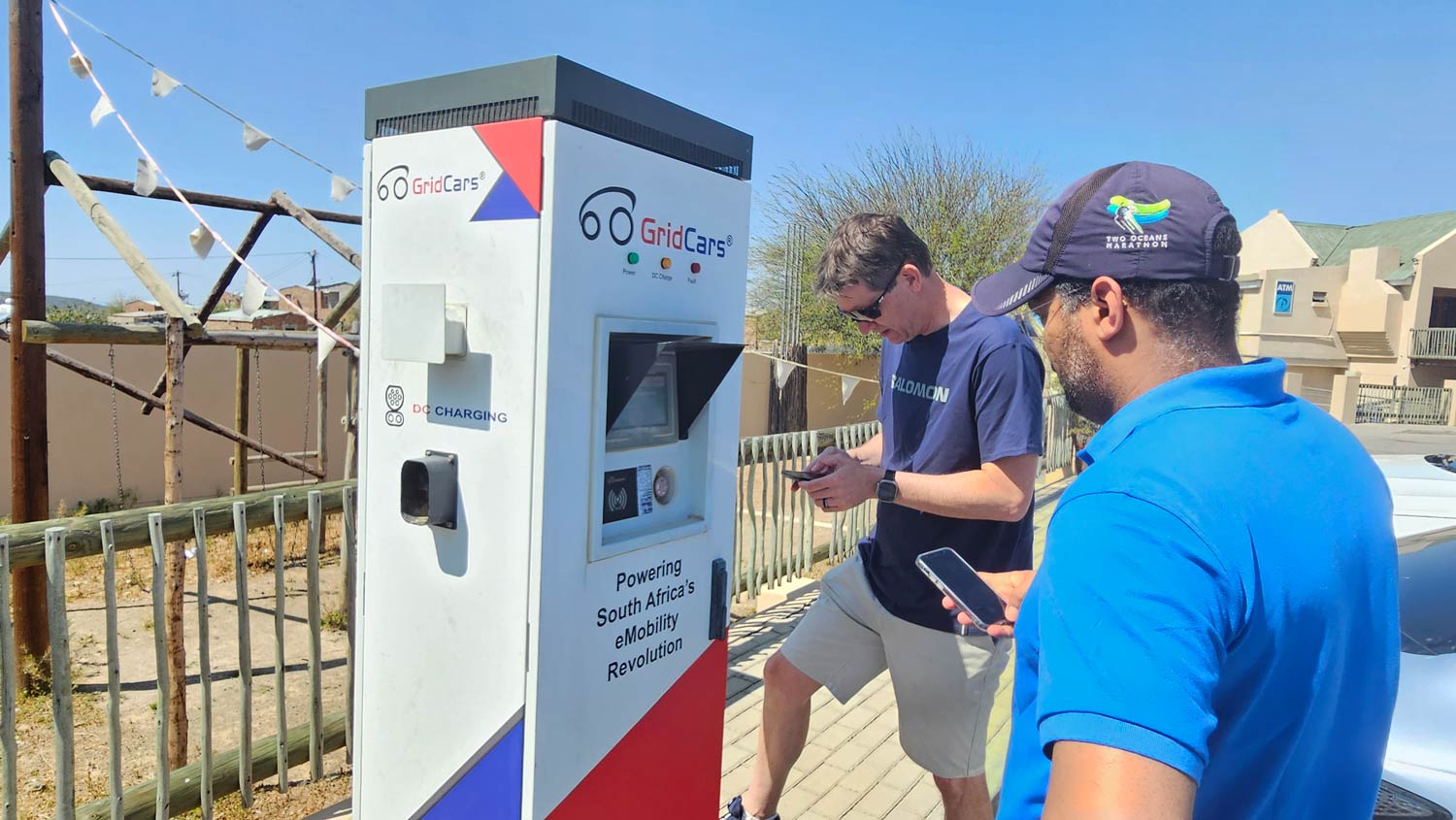
GridCars is replacing ageing chargers across its national network with new 120kW units, in a refresh that will bring some of South Africa’s earliest public charging sites up to a standard capable of serving modern electric vehicles.
The company said some of the chargers being replaced were installed in the earliest years of electric mobility in South Africa and have been in service for more than a decade.
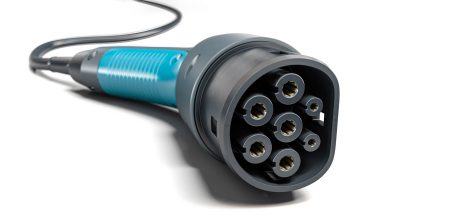
The technical problem the upgrade solves is compatibility. Older chargers on the network were designed around 500V vehicle architecture. The replacement platform, a dual-connector DC fast charger, supports anything from 150V to 1 000V — which brings newer passenger cars, electric delivery vehicles and some commercial vehicle platforms into range. Each unit carries two CCS2 connectors and splits the available power between them, allowing more vehicles to be served from the same electrical capacity at a site.
The chargers use a modular power design, meaning individual components can be replaced without swapping out the whole unit, and support open charging protocols, remote monitoring and over-the-air software updates. GridCars said the platform also retains offline authorisation and AutoCharge, so charging can continue through some communication outages — a practical consideration on a network spread across a country with uneven connectivity.
Alongside the hardware, GridCars is reconfiguring some sites physically: longer bays, wider turning areas and better cable reach, aimed at delivery fleets, light commercial vehicles and buses, and eventually electric trucks. New sites will be added along with the replacements, with the company saying the additions will improve coverage between major economic centres and along transport corridors.
Phased deployment
The work will be phased, and GridCars said individual site closures would be communicated through its apps and customer channels as the programme progresses.
GridCars was registered in 2009 and started out trying to build electric vehicles rather than charge them, abandoning that plan when local funding for automotive start-ups proved unavailable. It installed its first charger at the CSIR campus in Pretoria, and put its first commercial units into the ground in late 2013 — a year before the Nissan Leaf went on sale in South Africa. By 2019, CEO Winstone Jordaan has said, any EV with a range of 200km or more could drive from Johannesburg to Cape Town on the network.
Read: GridCars and the race to build South Africa’s EV charging network
It is now the country’s largest public charging operator and took on a new shareholder in January to fund faster expansion. At that point its Charge Pocket app listed 445 charging sites, 650 chargers and more than 1 200 connectors.
“The chargers being refreshed have played an important role in building South Africa’s early public charging network,” said Jordaan in a statement on Thursday. “Their long service life demonstrates the success of the original infrastructure investment.” — © 2026 NewsCentral Media
- Subscribe to TechCentral’s daily newsletter
- Get breaking news alerts on WhatsApp