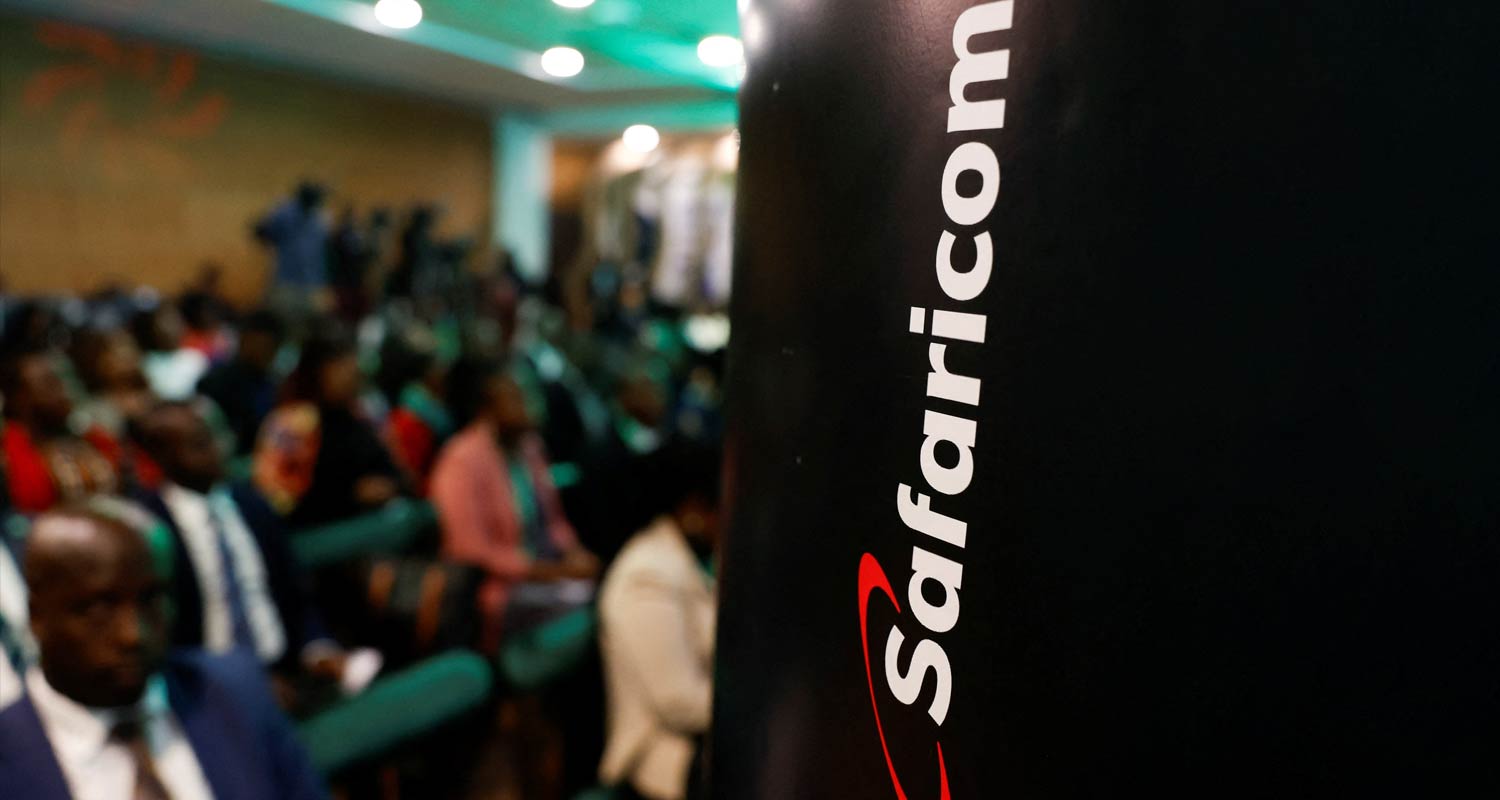
Kenya’s government will appeal the court ruling that ordered the cancellation of the deal in which it sold an extra 15% stake in Safaricom to Vodacom, finance minister John Mbadi said on Wednesday.
Mbadi said he was confident the transaction followed the law and involved the public. “We intend to make that case fully on appeal,” he told reporters. “The national treasury will pursue this appeal vigorously.”
Vodacom has said it will also appeal and apply for a stay pending that appeal. Safaricom said it was reviewing the judgment and its implications.
The US$1.6-billion transaction, announced last December and completed in June, lifted Vodacom’s shareholding in Safaricom to 55% and cut the Kenyan government’s to 20%. It formed part of President William Ruto’s effort to shore up public finances, with East Africa’s biggest economy facing annual debt repayments that absorb 40% of government revenue.
A three-judge bench declared the divestiture unconstitutional and null and void on Tuesday, quashing the agreements, approvals and arrangements behind it and directing that the 15% holding be returned to the government to be held on behalf of Kenyans.
The bench held that selling a state asset of that size is a public policy decision that the constitution requires be put to the public, with enough information for the consultation to mean anything, and found that neither the cabinet nor the national assembly met that standard. The government had engaged in “unexplained obscurity on the identity of the proposed buyer”, the court said, and had misrepresented and concealed material information throughout. It found separately that the arrangements for ring-fencing the proceeds fell short.
What’s at stake
On 30 June, the government sold just over six billion Safaricom shares to Vodafone Kenya at KSh34 each in a single block trade on the Nairobi Securities Exchange, raising KSh204.3-billion, and drew a further KSh40.2-billion as an advance on dividends from the 20% it kept. Vodacom bought out Vodafone International Holdings’ remaining interest in Vodafone Kenya the same day, lifting its effective stake in Safaricom from 35% to 55%. The 25% held by investors on the NSE was never part of the sale and is untouched by Tuesday’s orders.
The substantive case was argued on 29 June. The government closed the block trade the next day, with judgment still pending. When the court of appeal lifted a conservatory order on 26 June, it did not rule on the legality of the sale — it said expressly that the transaction could be unwound if the petitioners succeeded.
Safaricom moved from an equity-accounted associate to a consolidated subsidiary in Vodacom’s accounts with effect from 30 June, a switch that underpinned an upgrade to the group’s medium-term earnings guidance and an increase in its 2030 revenue ambition to more than R300-billion.
Vodacom has also begun using the control it bought. Safaricom shareholders have approved changes to the company’s articles giving Vodafone Kenya the right to nominate directors in proportion to its shareholding and a hand in the shortlist for Safaricom’s next chief executive — resolutions carried on the strength of the 55% stake.
Vodacom shares fell to R151 on the JSE within minutes of the judgment on Tuesday, nearly 4% below Monday’s close, before recovering to end the day at R156, down 0.6%. Safaricom traded at KSh36.50 in Nairobi, above the KSh34 the state accepted in June. — Reporting by George Obulutsa and Vincent Mumo Nzilani, (c) 2026 Reuters, with additional reporting by Duncan McLeod, (c) 2026 NewsCentral Media