 Microsoft and Google, technology giants that compete in cloud computing, Web search and artificial intelligence, five years ago formally agreed to cease using their substantial lobbying firepower against each other, seeking to eliminate a pricey and distracting battle and clear the way to collaborate more.
That truce, forged at the time by two new CEOs wanting a fresh start on a formerly acrimonious relationship, expired in April.
Even before the deal was allowed to lapse, the non-aggression pact had been fraying. The companies feuded publicly over a proposal to force Google to pay news publishers for content and squabbled more quietly over technology for selling search ads. Neither company is eager to extend or renew the alliance, according to people familiar with each companies’ thinking, who weren’t authorised to discuss confidential relationships.
As the two draw further apart and the business rivalry between them escalates, Microsoft and Google may be drawn back into a persistent battle of behind-the-scenes lobbying efforts and public complaints to regulators, who are eager to impose new limits on the power of the biggest technology companies.
From Microsoft’s side, the disputes are about giving marketers equal access to search engines when they organise campaigns with Google’s technology, and creating a robust ecosystem for content creators to get paid.
Threat
Google believes Microsoft is objecting because it regards Google as a threat to Microsoft’s Azure cloud computing and Office productivity businesses. At a time when regulators are training their guns on the whole industry, Microsoft and Google handing them ammo against each other may backfire, leaving both companies and their peers subject to even more scrutiny.
The first signs of strain between the two companies appeared more than two years ago, when Microsoft protested to Google that its Search Ads 360, which lets marketers manage advertising campaigns across multiple search engines, wasn’t keeping up with new features and ad types in Microsoft’s search engine, Bing.
That meant it was easier and better for potential advertisers using that system to buy Google spots than Microsoft ones. It seemed to be happening when Bing’s capabilities caught up with an existing Google search feature, said Rik van der Kooi, vice president of Microsoft Advertising. He estimates Google’s moves in ad tech are costing the software maker hundreds of millions in ad revenue every year. It impacts Bing as well as the Yahoo and DuckDuckGo search engines that use Bing technology.
 “If you want to advertise, if you want to sell advertising or buy advertising on the Internet, you have to use Google’s tools, and when they make their tools in a manner that fails to interoperate easily with others, it impacts everybody,” said Microsoft president and chief legal officer Brad Smith in a Bloomberg television interview in April. “We raised the concerns with them and they just turned a deaf ear.”
The companies’ expired agreement on ending existing hostilities and preventing future ones set out a formal, escalating process for handling disputes that might previously have gone directly to regulators. In the current ad-tech quarrel, Microsoft says the two companies followed that process but its concerns about Google’s product still weren’t addressed successfully. Even talks between the companies’ CEOs, Microsoft’s Satya Nadella and Google’s Sundar Pichai — the final step in the accord’s predetermined process — failed to produce a resolution.
Under the peace treaty, only once all the efforts laid out in the accord have been exhausted could one company take its grievance to regulators. By last year, Microsoft had spoken to UK officials and regulators in some US states about the ad-tech issue. A 2020 report about Google by the UK’s competition authority states that Microsoft expressed concerns that Google doesn’t update its SA360 technology with Bing’s latest features, which reduces the amount of money advertisers spend on Bing. Microsoft also said that Google provides quicker bid information to book ads on its website than on Bing.
The UK conversations were in response to questions put to Microsoft, which was allowed in the agreement with Google, said a person familiar with the matter. Microsoft declined to comment on the terms under which it spoke to the US states. An antitrust suit from states led by Colorado against Google notes that Search Ads 360 enables a sophisticated type of automated auction technology used to optimise bids only for Google “while withholding equivalent interoperability from Microsoft”. The Redmond, Washington-based software maker has said Google refused to change anything, while Google officials said the company is working to make the product better for customers.
‘Not required to’
SA360 and the AdWords programming interface work with other search engines, Google said in a statement, adding that others don’t offer these kinds of tools. “We invest significantly to make these products available even though we’re not required to,” the company said. “Google continues to work to improve the customer experience for SA360, which includes responding to customer demand for new features for third-party search engines like Microsoft Bing.”
The cease-fire’s demise and escalating tensions come against the backdrop of stepped-up regulation and antitrust activity against the biggest technology companies, including Google, Apple, Facebook and Amazon.com — earlier this month, US legislators introduced several bills aimed at curbing their dominance and market power. The US justice department is accelerating a probe into Google’s ad market practices, according to people familiar with the matter.
Microsoft has so far remained somewhat insulated from the scrutiny in the US, and hasn’t had to participate in confrontational congressional hearings where other CEOs were in the hot seat. People familiar with the company’s thinking say Smith and Nadella are eager to show regulators Microsoft hasn’t been guilty of the same behaviour that its rivals are being questioned about and to distance their company from other targets.
 Google, meanwhile, is growing more frustrated with the Microsoft attacks. In May, senior vice president Kent Walker accused his rival of “naked corporate opportunism”. As competition between the two intensifies, Microsoft is “reverting to their familiar playbook of attacking rivals and lobbying for regulations that benefit their own interests,” he wrote in a March blog post.
In Washington, Google has been among companies agitating for more scrutiny of Microsoft. Though Smith has said that should the antitrust bills become law, his company would be impacted by some parts of them, representative Jim Jordan, the top Republican on the house judiciary committee, is asking why the company has been getting a pass. On 23 June, Jordan and other Republican committee members raised that issue in meetings to mark up various proposed bills to regulate big technology companies, saying it made no sense for Microsoft to evade scrutiny. Google has donated to Jordan’s campaigns since 2012, but said it was not behind his public comments last week. Microsoft has also given to several of Jordan’s campaigns.
One member of the house judiciary committee, who asked not to be named when talking about private conversations, said a Google lobbyist brought up Microsoft, questioning why the criteria for a “covered platform” in the house bills appeared to exclude the massive tech company.
The relationship between the two digital giants has gone through many twists and turns since Google co-founders Larry Page and Sergei Brin revolutionised the search engine in the late 1990s, dominating the digital advertising market in the process, and Microsoft realised it had missed out on a huge revenue opportunity. By the time Microsoft released its Bing search engine, in 2009, it was too late to be anything but a laggard. Then Google’s Android mobile software seized the market for smartphone operating systems — something Microsoft had tried and failed to do.
Fought back
The software company fought back in a variety of other ways. From 2012 to 2014, it ran an ad campaign designed by Mark Penn, a former adviser to the Clinton administration, called “Scroogled” — a portmanteau of Google’s name and the word “screwed” — which claimed that Google was spying on consumers. Microsoft complained to European regulators about Google and funded other complainants and groups opposing the search giant as regulators investigated the company.
That pugnacious approach changed shortly after Nadella took over as CEO of Microsoft in February 2014 and Pichai was elevated at Google a year later. The companies felt the battle had got expensive and distracting and, in some cases, embarrassing. There were also areas where they wanted to work more closely together. After taking over as CEO, Nadella began releasing Office apps for rival operating systems, which included Google’s Android.
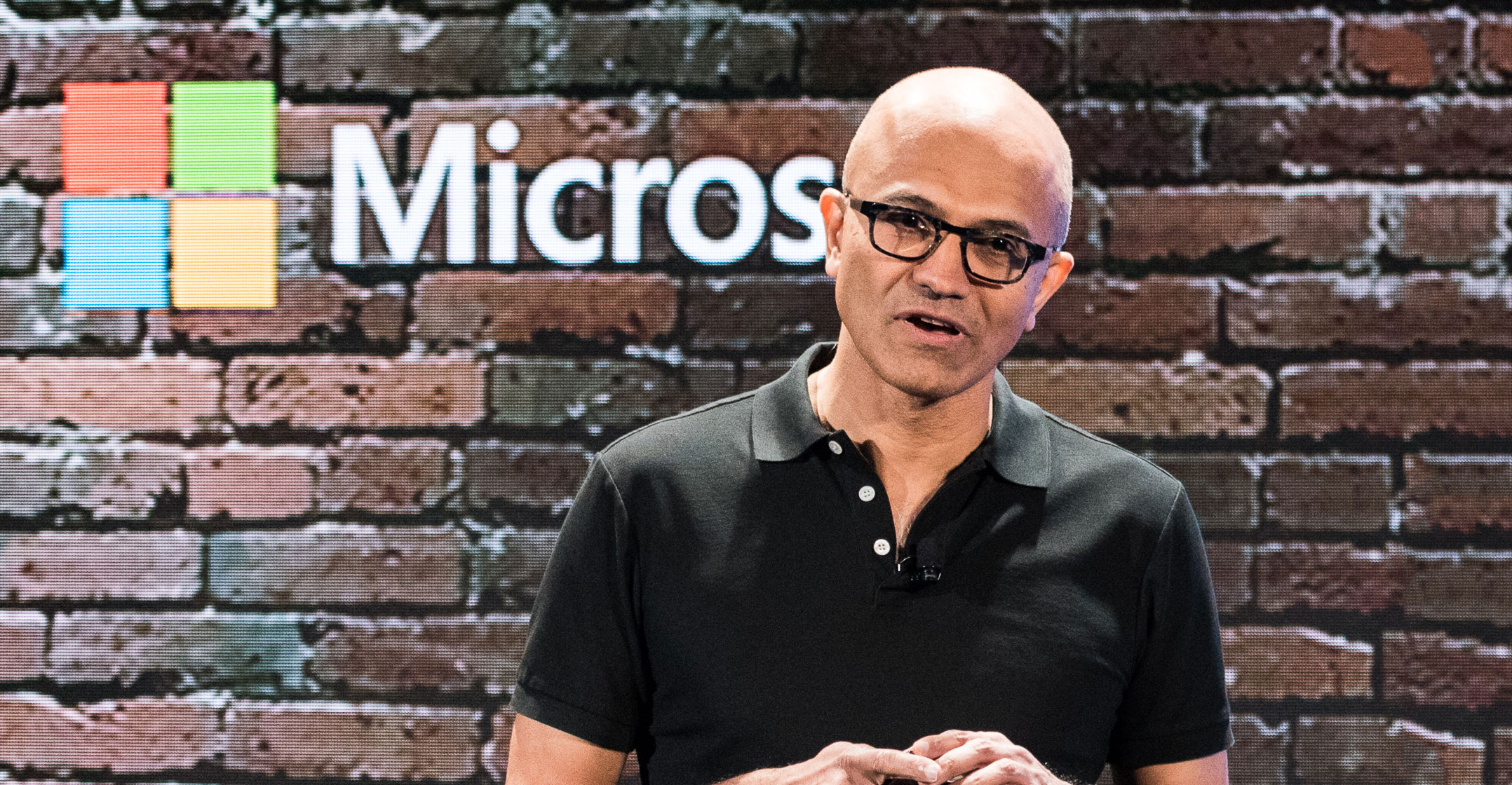
The two leaders reached a formal détente in April 2016 marked by a written agreement in which the companies settled outstanding patent issues and agreed to keep their competition to the realm of software. No longer would each try to gain an edge by complaining to governments and agencies on the other. The accord was part of a peace mission by Nadella after he took the helm, designed to make relationships with Silicon Valley rivals less confrontational and enable Microsoft to partner more effectively. Nadella also made amends with Salesforce.com’s Marc Benioff, and there have even been some collaborations with Amazon.
As recently as a year ago, the Google deal seemed to be enduring, at least outwardly, with Microsoft avoiding lodging public complaints about Google even as it put Apple’s App Store on blast. In May 2020, when Smith said European and US regulators should examine app stores in a public appearance in Washington, Microsoft spokespeople took pains to note later that Smith was referring to Apple only.
And Microsoft and Google continue to deepen their cooperation in other areas of their businesses. Microsoft’s Edge browser runs on Google’s Chromium technology and Microsoft now sells a phone called Duo that uses Google Android as its operating system. Last week, Microsoft announced its next Windows operating system will run apps that use Google’s Android — although Microsoft didn’t work directly with Google to accomplish that. The Android apps on Windows will be sourced from Amazon’s app store. And the people familiar with both companies’ thinking noted they weren’t closing the door completely on a new or extended truce.
Still, even before it expired, there was ample evidence that the deal was eroding. Already irked with Google over the digital ad limits, Microsoft took a different set of complaints public earlier this year — Google’s refusal to comply with a planned Australian law that would have forced it to pay news outlets for content its sites and apps feature. Microsoft said Google’s public conduct there showed a similar intransigence to what it had seen more quietly over the ad tech dispute.
Microsoft also posited that the continued deterioration of news outlets in the Internet age is hampering free and democratic discourse. Google’s conflict with Australia happened a few weeks after the US Capitol riots in January, and Microsoft’s Smith drew a connection between the two. In March, Smith testified before the house judiciary committee about it.
The insurgency was “an assault on the Capitol and an assault on a peaceful transfer of power that in our view in part reflected an unprecedented amount of disinformation at a time when the country cannot rely on the traditional base of news and journalism, that has been a bedrock of American democracy since the country was founded”, he said in an April interview with Bloomberg Television’s Emily Chang. “So, when we step back and look at all of these things together, this is a time to ask these questions because they matter for the Web. They matter for the people who use the Internet, and frankly they matter for the fundamental pillars of our democracy itself.”
Monopoly power
Protestations about free speech aside, Microsoft may also be trying to exploit Google’s heightened vulnerability to antitrust regulation around the globe. The company is battling government claims of abuse of monopoly power from the US justice department and a group of states, and in Europe Google faces a sweeping probe of its ad technology. Any new regulations or laws that weaken Google might give Microsoft leverage in markets where they increasingly compete for the same business.
“We have a name for this in antitrust — we call this raising rivals’ costs,” said Randal C Picker, a law professor at the University of Chicago who studies tech antitrust and copyright issues, about Microsoft’s stance on paying for news content. “All of this is going to cost the Facebooks and the Googles of the world a lot more than it’s going to cost Microsoft. So that makes it look like a competitive move.”
Google has chosen the area of cybersecurity to poke at Microsoft — Google’s Walker posted another blog this month cautioning customers that using one vendor for too many parts of their software stack puts them at greater risk of hacking.
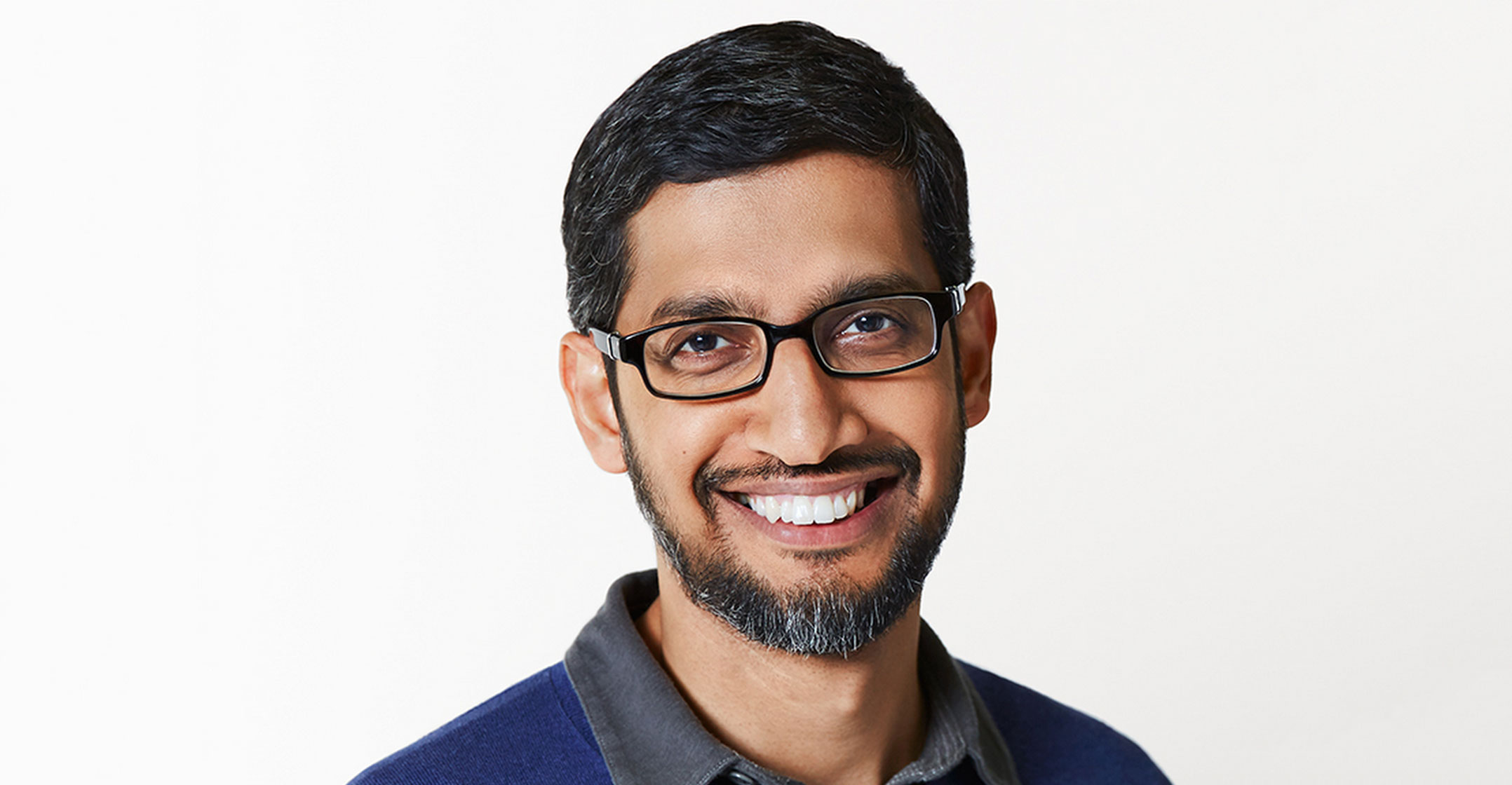
“As we saw with SolarWinds and the Microsoft Exchange attacks, proprietary systems and restrictions on interoperability and data portability can amplify a network’s vulnerability, helping attackers scale up their efforts,” Walker wrote, in a swipe at Microsoft.
Mountain View, California-based Google may have other ways to hurt Microsoft. So far, Microsoft’s large acquisitions, such as deals for LinkedIn and GitHub, as well as purchases of videogame studios, have passed through regulators without much scrutiny. But Google could choose to raise concerns about current and future deals, like Microsoft’s $20-billion agreement to buy Nuance Communications, an artificial intelligence company meant to bolster Microsoft’s healthcare, cloud and AI efforts — all primary areas of competition with Google and Amazon.
Google is also Microsoft’s biggest rival in the market for productivity software like word processing, e-mail and spreadsheets, possibly the only major field where Microsoft retains a dominant position. Already rivals like Slack Technologies have complained to European regulators about Microsoft bundling new apps into Office to fend off rivals, and Google could chime in with any concerns it may have.
“Microsoft is a huge company as well and it’s dominant in many areas. For example, Office is a dominant package in the market,” said Gus Rossi, a principal of responsible technology at Omidyar Network, a foundation and impact investment firm focused on social change. “What Google can do is to remind everyone that Microsoft is also a bad actor, because if everyone is a bad actor, then you’re not such a bad actor.” — Reported by Dina Bass and Nico Grant, (c) 2021 Bloomberg LP