South African mining doesn’t lack strategy or plans. In many operations, it doesn’t even lack demand. What it lacks, increasingly, is consistent execution.
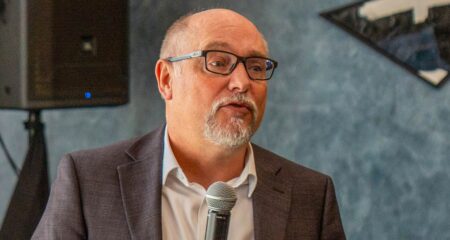
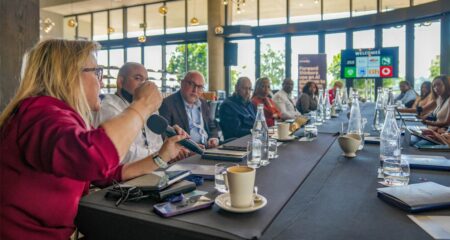
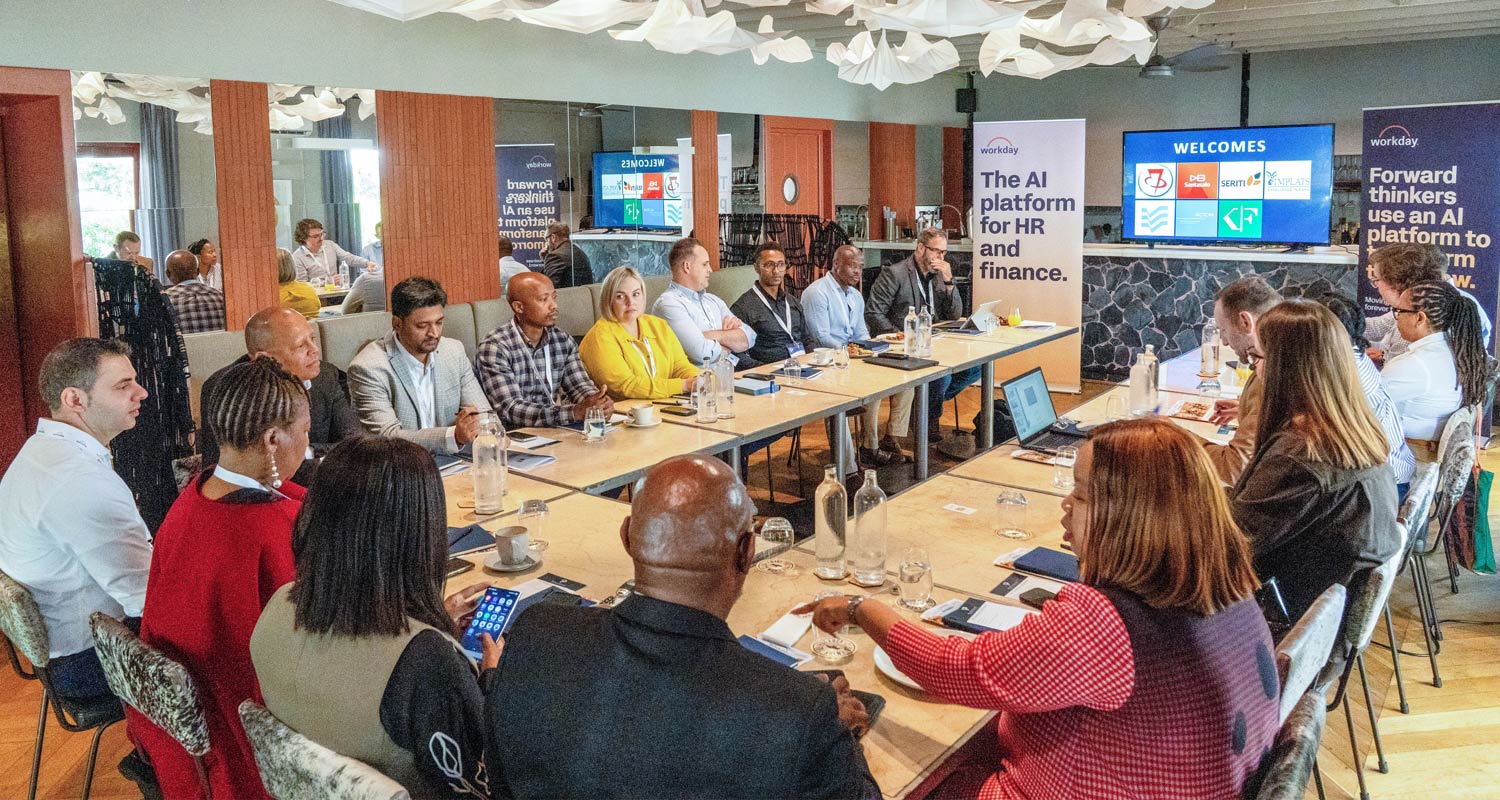
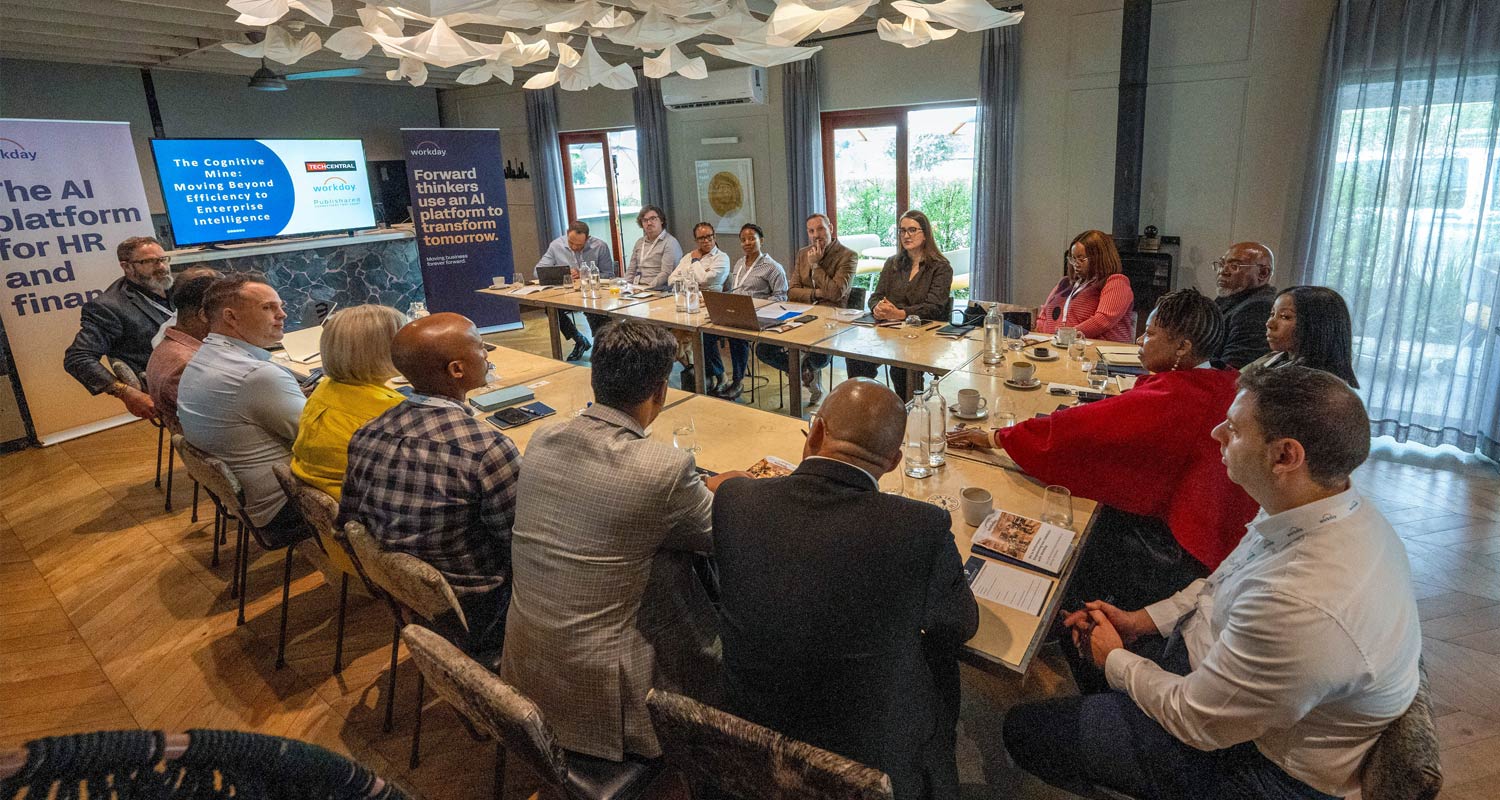
That was the clearest thread to emerge from a recent Workday and TechCentral roundtable event with mining leaders across the C-suite.
With gold and PGMs in a strong pricing cycle, the conversation has moved beyond whether tonnes can be produced. The harder question is whether organisations can align people, cost and operations quickly enough to deliver on strategy, especially in an environment where constraints do not politely wait for the next planning cycle.
Learn more about Workday’s view on building a connected, execution-focused operating model in mining
Electricity remains a structural pressure. Water is still a real operating issue. Labour dynamics remain complex. And South African operators compete globally against peers who don’t always carry the same energy burden. A good market doesn’t erase those realities. It simply changes the time window in which leaders can invest, fix and build resilience before conditions tighten again.
Discipline doesn’t disappear in a good cycle
One of the more striking aspects of the discussion was the absence of complacency. Leaders benefiting from the current cycle were explicit: strong pricing doesn’t reduce the need for discipline. If anything, it raises the standard, because there is finally room to reinforce the operational muscles that matter when the cycle turns.
That showed up in how tightly electricity, water and labour costs are still managed, even when margins aren’t under immediate threat. It also showed up in the candour from leaders in more exposed parts of the sector, particularly coal and smelting operations, where global competitiveness is squeezed hard by energy costs. In those parts of the value chain, execution failure is not an abstract risk. It can translate quickly into operations under threat and communities under stress.
Strategy isn’t the issue, alignment is
No one in the room was short of strategic intent. The friction is getting an organisation aligned around that intent and then executing consistently.
Mining is a stakeholder-dense environment. Government, unions, communities, shareholders and environmental pressures all shape the operating context. Decisions don’t sit in one place and neither do consequences. That complexity has a habit of slowing execution in ways that are difficult to see from the boardroom.
A practical point surfaced repeatedly: if you don’t understand the operating reality on the ground, your solution won’t land, no matter how elegant it looks in a steering committee pack.
There was also a clear view on roles. The business must lead strategy and culture. Technology enables it. In that model, CIOs can’t operate as a separate lane, either chasing shiny things or acting as a brake. They have to work alongside the business, translating outcomes into systems, guardrails and execution discipline.
AI only sticks when the outcome is obvious
AI came up, as it always does, but the tone was notably practical. There was little appetite for technology for its own sake. Adoption, leaders argued, happens when the value is clear, the change is understood and the benefit is proven early.
The approach described will sound familiar and that’s the point. Start small. Prove it. Make it real. Expand only once it’s working.
Crucially, “business defines the outcome” was not a slogan in this setting. It was an operating rule. IT’s role is to ensure guardrails are in place, so execution remains controlled, consistent and auditable. Without that, AI becomes another layer of complexity sitting on top of already-fragmented processes.
The connected mine is about speed, not dashboards
The idea of the “cognitive mine” surfaced often, but not in a futuristic way. Leaders used it to describe something concrete: a connected, consistent view of operations, workforce and cost, with the ability to move from insight to coordinated action without delay.
That is the execution gap in plain terms. Organisations have data and reports. What they often don’t have is a shared operational truth that can drive action across functions, fast. When insight and execution live in separate worlds, decisions slow down, accountability blurs and variance becomes normal.
This is where the discussion got practical: execution improves when workforce, cost and operational signals are connected, governed and visible to the people who need to act. Done properly, that reduces hand-offs, shortens decision cycles and makes accountability clearer. Workday’s perspective, shared in the session, is that this kind of connection is what turns insight into coordinated action, instead of another report that arrives too late.
The practical question coming out of the session is one leaders can take straight back into their organisations: where do decisions slow down, who owns the hand-offs and how quickly can the business move once the signal is clear?
Learn more about Workday’s view on building a connected, execution-focused operating model in mining, where workforce, finance and operational signals reinforce each other rather than compete for attention.
- Read more articles by Workday on TechCentral
- This promoted content was paid for by the party concerned