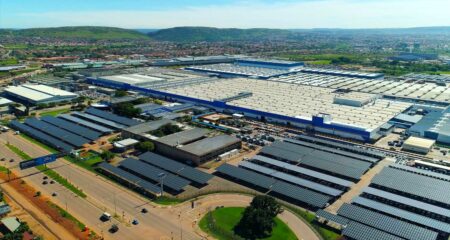
Chery has formalised its acquisition of Nissan’s car manufacturing facility in Rosslyn, Pretoria, at an event on Friday attended by deputy president Paul Mashatile and Chery group chairman Yin Tongyue – a signal of the importance both company and government attach to the deal, which was announced in January.
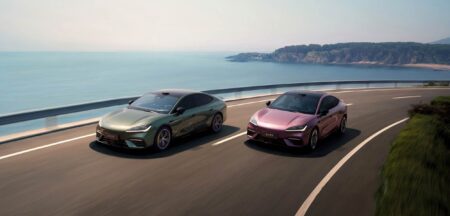
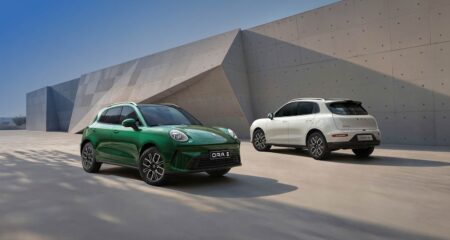
Chery, China’s largest car exporter, based in Wuhu in Anhui province, has seen a spectacular rise in local sales and is now the second biggest passenger-car brand in South Africa, behind only Toyota. Spanning six brands – Chery, Omoda, Jaecoo, Jetour, Lepas and iCaur – the company said it wants to establish South Africa as its African hub for manufacturing, exports, research and development, and regional operations.
While the exact scale of the investment was not quantified, Chery executive vice president Zhang Guibing said in a Q&A session that it will run into hundreds of millions of dollars over the long term. The company will spend the money upgrading facilities, utilities and machinery ahead of vehicle production starting in mid-2027. Perhaps more importantly, the assembly processes to be brought into operation will be state of the art and capable of handling multiple models, meaning Chery will be able to assemble different cars across its brands on the same line.
“Our long-term goal is to turn the Rosslyn plant into a complete auto centre with research and development, supply chain operations and training, supporting Chery’s expanding presence and the goal of exceeding 100 000 annual vehicle sales in South Africa,” Chery Auto vice president Charlie Zhang said at the ceremony.
Deep localisation is a key ambition for the plant. Chery has launched a programme aimed at moving towards 40% local content in the initial stage and is surveying tier-1 component suppliers. It also plans to bring in suppliers from China, particularly for electric and intelligent vehicle components, Zhang Guibing said.
Chery has committed to retaining all 692 existing employees, with the project expected to create nearly 3 000 direct and indirect jobs across manufacturing, supply chains and related services. During the ramp-up phase in the second half of 2027, the company expects to produce 15 000 vehicles, scaling up to full production of 50 000 vehicles per year by the end of 2028.
Overseas expansion
This level of production is orders of magnitude larger than Nissan was achieving locally in recent years. The investment is a welcome piece of good news that could help reverse the de-industrialisation South Africa has arguably been suffering since the 1980s.
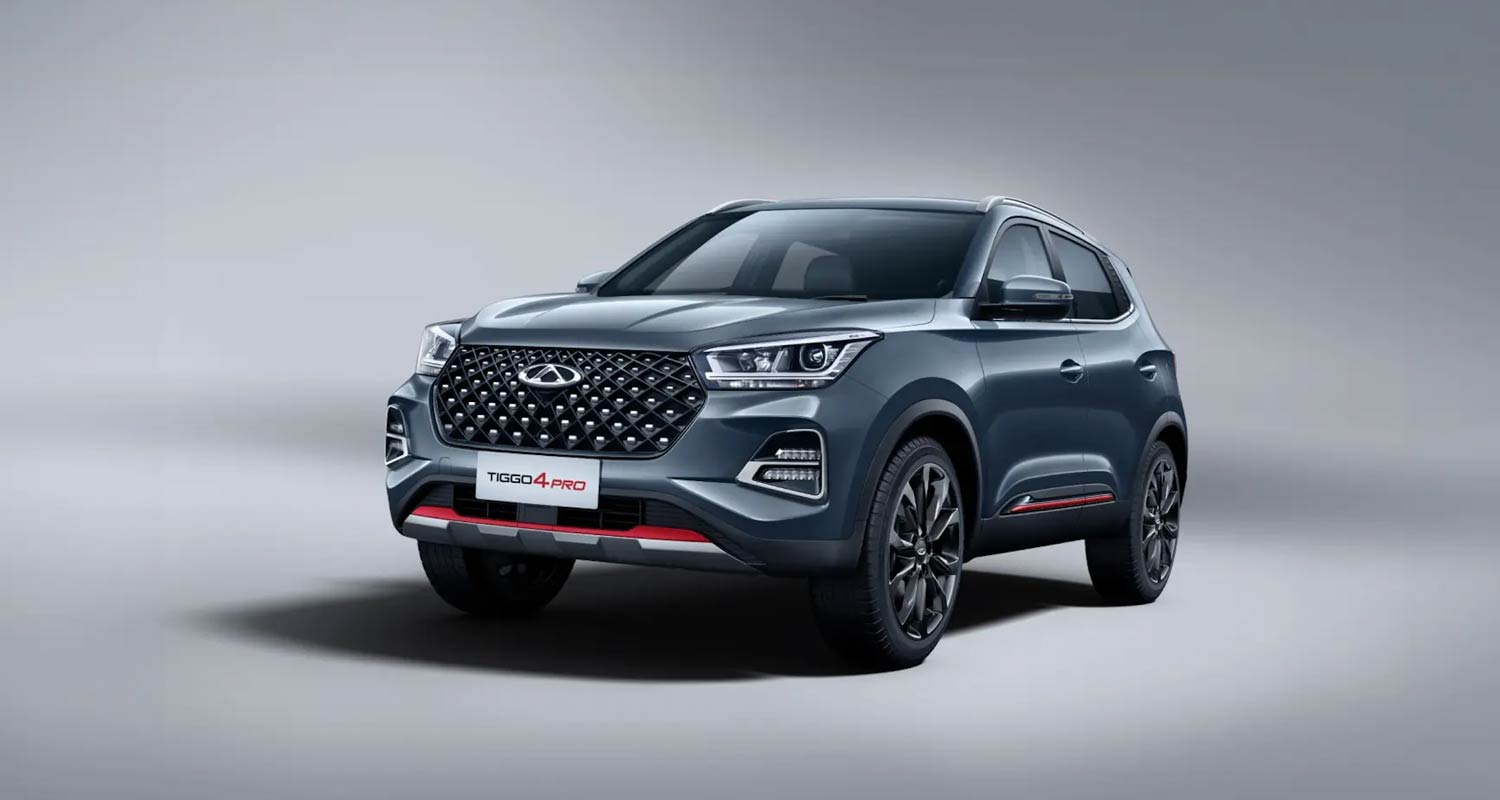
The factory will initially produce the Chery Tiggo Cross, with a Jetour model to follow, which will be announced closer to the time.
Read: Stellantis reworks Gqeberha plant plans as market shifts
Chery’s move comes as Chinese car makers, faced with mounting competition and excess capacity in their domestic market, accelerate their overseas expansion in search of growth, increasing their manufacturing and sales footprints globally. — © 2026 NewsCentral Media, with additional reporting © 2026 Reuters
- Subscribe to TechCentral’s daily newsletter
- Get breaking news alerts on WhatsApp