South African organisations woke up to dead inboxes as Microsoft struggled to restore Outlook, Teams and Copilot.
South African organisations woke up to dead inboxes as Microsoft struggled to restore Outlook, Teams and Copilot.




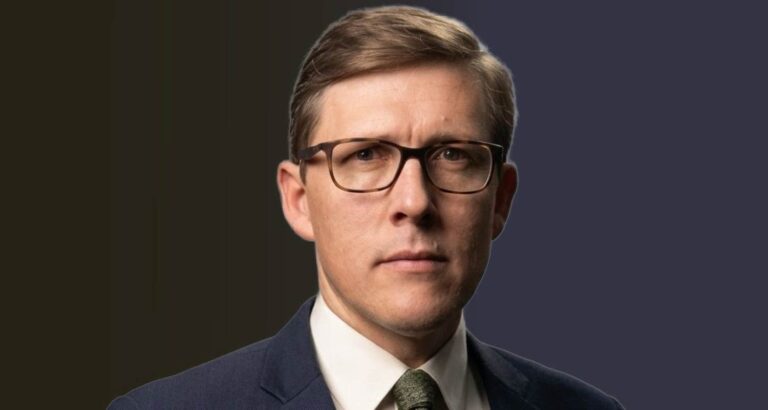
Sakeliga CEO Piet le Roux explains why the business group is taking Icasa to court.

A telecoms lawyer who supports the ownership requirement says Sakeliga’s main argument is strong.

Nine in 10 large South African organisations now use generative AI, but 73% have no tools to measure its value.

South Africa is making efforts to increase the use of solar photovoltaic energy. But it’s happening at a slow pace.

Eskom has won an appeal to keep five of its oldest plants open even though they are set to flout incoming emission caps.

Nvidia’s rise was by no means assured — and neither is its staying power as the mostly highly valued company in the world.

Organisations are learning that paying attention to the adage “garbage in, garbage out” has never been more important.

The Competition Commission is considering a monetary pool, funded by Big Tech, that pays media houses for news content.
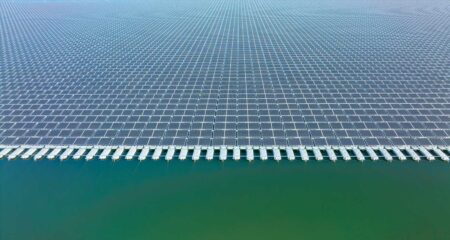
Zimbabwe plans to install floating solar panels by early next year at the world’s biggest dam.

US tech giants should bear some of the costs of developing Europe’s telecommunications networks, the CEOs of major European operators said.

BT Group shares advanced as much as 9.5% following a report that India’s Reliance Industries is weighing up a possible offer for the UK’s biggest phone company.

Bitcoin tumbled over 9% on Friday, dragging smaller tokens down, after the discovery of a new, potentially vaccine-resistant coronavirus variant.

Car makers are having to get creative to cope with the global shortage of semiconductors.

Following the shock results of Brexit and the Trump victory, a lot of attention has focused on the role that Facebook might have played in creating online political ghettos in which false news can easily spread. Facebook now has serious political

The focus on “state capture” in South Africa has tended to divert attention from a deeper question. How can the distribution of wealth and control over the economy be changed in material terms? There is an implicit justification for corruption