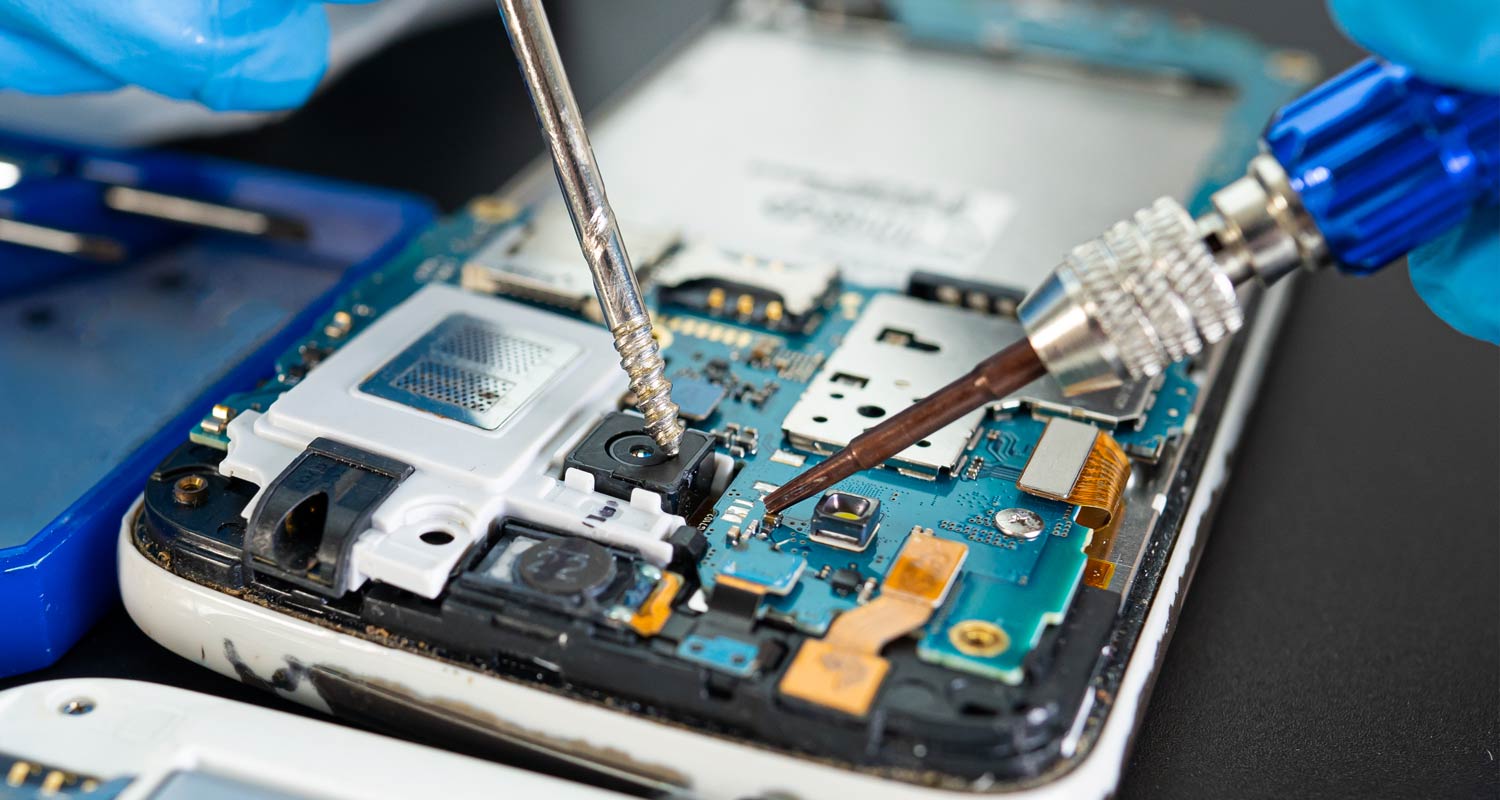
The Competition Commission has warned makers of smartphones, appliances and other electronics that blocking independent repairers, including through software that stops replacement parts from working until the manufacturer activates them, could fall foul of the Competition Act.
The warning is contained in the commission’s final Guidelines on Repair, Service and Maintenance Aftermarkets, announced on Monday. They apply to products such as mobile phones, tablets, gaming consoles, televisions, household appliances such as washing machines and tumble dryers, medical devices, and backup power and water systems. Motor vehicles are excluded because they fall under separate automotive aftermarket guidelines the commission introduced in 2021.
Potentially harmful practices include blocking access to spare parts or repair information, preventing independent repairers from entering or growing in the market and pressuring consumers not to use them, the commission said.
The guidelines go further. Without using the term, they target “parts pairing”, in which software ties a component to a specific device. Depending on the market and the product, the commission will treat software that prevents replacement parts from working without the manufacturer’s activation, and warning messages displayed after an independent repair, as indirect restrictions on access to spare parts. Such restrictions will be “a priority for investigation and enforcement”.
There are exceptions. Controls on components tied to security or safety, such as anti-theft, authentication and battery systems, will not ordinarily count as restrictions. That holds provided they are applied on objective, transparent and non-discriminatory terms, and independent repairers that meet the manufacturer’s accreditation requirements get access on terms no less favourable than those offered to its own authorised repairers.
The guidelines are not binding and “do not create obligations beyond those already contained in the act”, the commission said. But the act requires the Competition Tribunal, when setting a penalty, to consider whether the conduct is substantially the same as conduct described in guidelines the commission has issued.
How Europe compares
They apply mainly to repairs consumers pay for themselves because the fault is not covered by a warranty. The commission will assess each complaint on its own facts, weighing justifications such as consumer safety, the protection of intellectual property and compliance with other laws.
TechCentral reported in May that South Africa had no right-to-repair framework for consumer electronics, more than two years after industry groups began pressing for one.
Europe has gone further, with binding rules. Since June 2025, an EU regulation has required smartphone and tablet makers to keep key spare parts available for at least seven years after a model stops being sold in the EU. It permits parts pairing, but manufacturers must give professional repairers access to the software needed to make a paired replacement part work within three working days of a request.
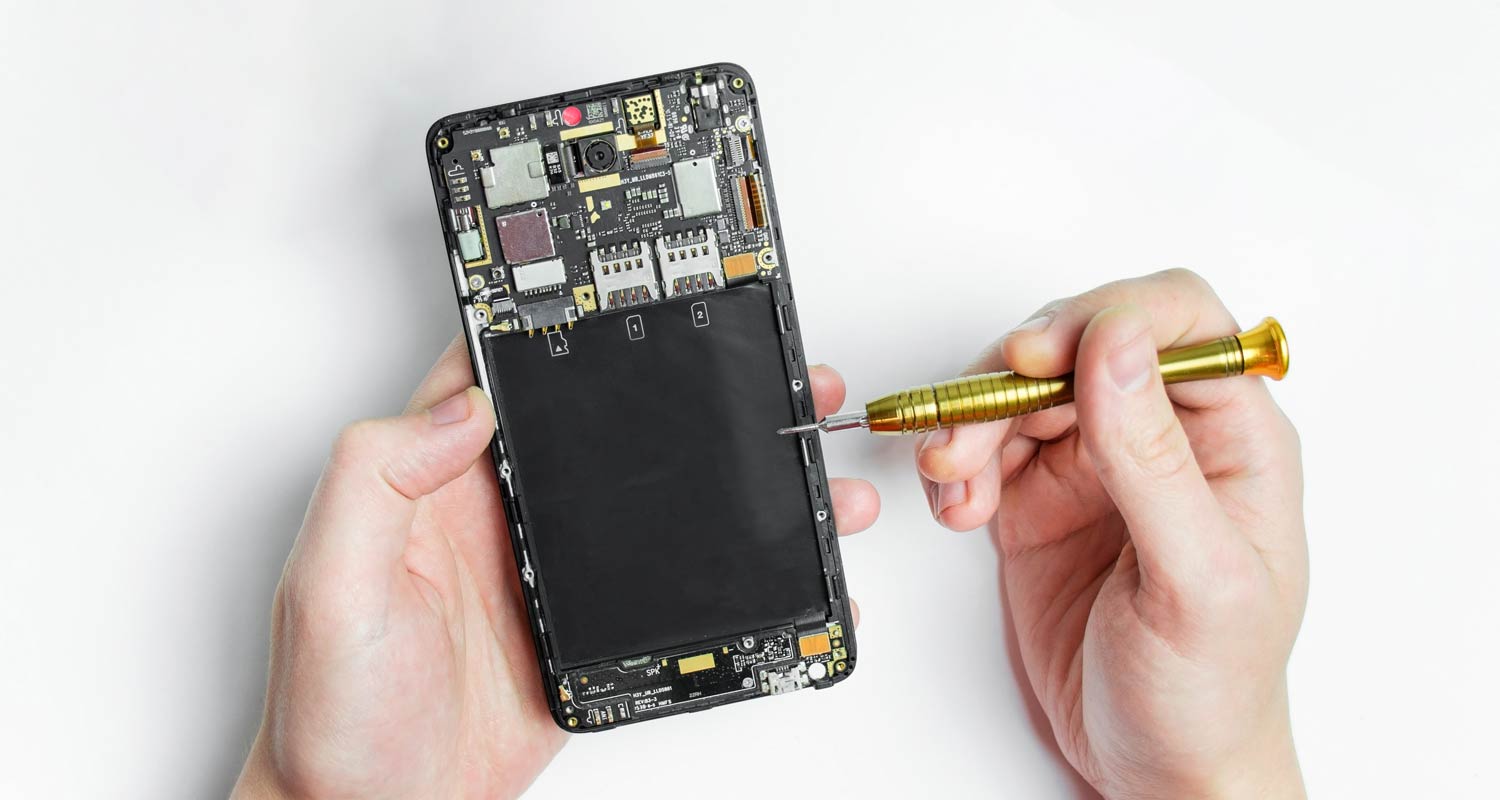
A separate EU repair directive, which member states had to apply from 31 July, obliges manufacturers to repair products such as phones, televisions and washing machines on request, free of charge or at a reasonable price. It also bars them from using contractual, hardware or software techniques that impede repair unless justified by legitimate and objective factors, such as protecting intellectual property.
South Africa’s guidelines are broader in scope, extending to medical devices and backup power systems, which the EU directive does not cover. But they rely on case-by-case enforcement of competition law rather than fixed obligations.
The commission has asked repairers to report manufacturers that engage in anticompetitive conduct or frustrate their ability to provide services. — © 2026 NewsCentral Media