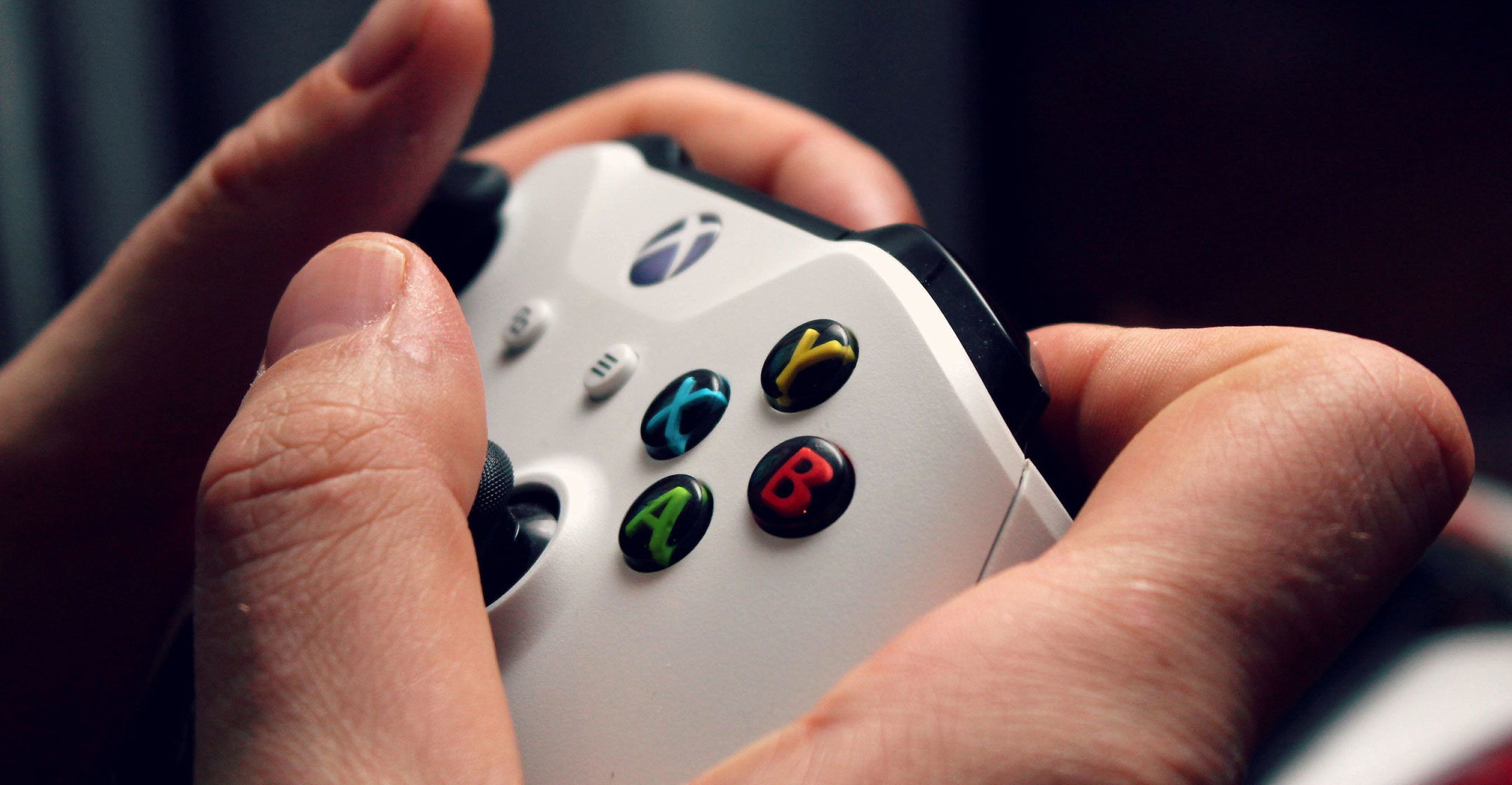
Microsoft said on Monday it would cut 4 800 jobs, or about 2.1% of its global workforce, overhauling its Xbox gaming business and divesting up to five studios as it looks to boost returns after years of heavy investment in the division.
The restructuring of its gaming division will involve 3 200 job cuts, including laying off 1 600 employees on Monday.
Despite spending tens of billions of dollars to expand Xbox, including its blockbuster acquisition of Activision Blizzard, Microsoft has struggled to narrow the gap with Sony’s PlayStation, and Nintendo, prompting a broader rethink of the gaming business.
The company has increasingly shifted its strategy towards distributing its games across more platforms rather than relying on console-exclusive titles to drive Xbox hardware sales.
The Xbox restructuring will involve divestment of four studios, Xbox’s new head, Asha Sharma, said in a note to employees.
South of Midnight producer Compulsion Games and Psychonauts maker Double Fine Productions will become independent studios, while Ninja Theory and Undead Labs will be spun off to grow Senua and State of Decay 3, Sharma said.
The management of Arkane Studios, which developed Dishonored and is currently working on a game based on Marvel Comics character Blade, has started consultations with its workers union in France to review options, she added.
Shares fall
Big Tech’s historic AI outlays, set to top US$700-billion this year, are piling pressure on companies to show returns from the technology and offset the rising cost of rolling it out across their businesses. Amazon and Meta Platforms have also laid off thousands of employees this year.
Chief people officer Amy Coleman, however, told employees in a memo that “the roles eliminated today are not being replaced by AI”.
“At the same time, what is true is that AI is changing how work gets done,” she said.
Read: Microsoft slashes Xbox Game Pass prices in big strategy shift
“That (the targeted cuts) makes the announcement read more like portfolio reallocation and operating discipline than a fresh catalyst for the stock,” said Parth Talsania, CEO of Equisights Research.
“In the near term, the market is likely to reward Microsoft less for headcount reductions and more for evidence that AI monetisation is scaling faster than AI-related costs.”

The company’s shares were down 1.4% on Monday, following a nearly 23% slump in its shares in the first six months of 2026, their worst first-half performance since 2022.
The software giant earlier this year offered voluntary buyouts to about 7% of its US workforce, or about 9 000 employees. Microsoft often trims jobs near the end of its fiscal year in June as it sets spending plans for the new year.
“Microsoft has been managing down its workforce in order to pay for its AI investments. By keeping its headcount down they have been able to accelerate revenue growth while maintaining the same margins,” said Gil Luria, MD of DA Davidson.
Booming AI demand has powered growth at Microsoft’s Azure cloud computing business, which was the exclusive seller of OpenAI’s models until April, but the mounting cost of building data centres to run those services is squeezing its cash flows.
The company, expected to report results later this month, had in April forecast quarterly Azure sales above Wall Street estimates, but also issued a $190-billion spending projection for 2026 that massively surpassed expectations.
Read: Xbox chief Phil Spencer retires from Microsoft
AI tools that can increasingly automate routine business tasks have also emerged as a threat to its lucrative software business, while a surge in memory chip prices driven by data centre demand has forced Microsoft to raise Xbox console prices at a time when demand for the console was already soft. — Aditya Soni, Akash Sriram and Anhata Rooprai, (c) 2026 Reuters
- Subscribe to TechCentral’s daily newsletter
- Get breaking news alerts on WhatsApp