
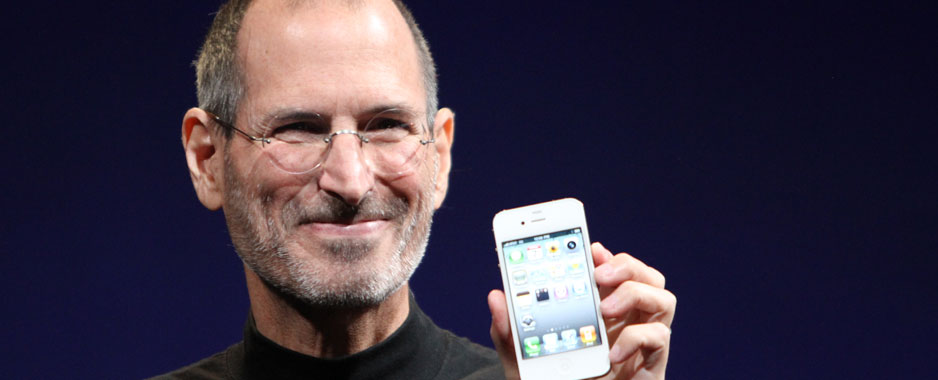
It’s been less than a decade since Apple shook the mobile telecommunications industry to its foundations with the original iPhone. The handset helped turn Apple into the world’s most valuable company (US$620bn this week) and inflicted huge
It’s been less than a decade since Apple shook the mobile telecommunications industry to its foundations with the original iPhone. The handset helped turn Apple into the world’s most valuable company (US$620bn this week) and inflicted huge

Apple’s third-quarter rally is unwelcome news to the unusually large swath of investors who have been giving up on the stock. Shares of the iPhone maker have jumped 21% this quarter, trouncing the S&P 500 Index. At the same time, the number

Google nailed e-mail with the 2004 introduction of Gmail. But as traditional e-mail falls out of favour with a growing sliver of the population, Google has struggled to make its messaging tools relevant or introduce
Telecommunications company Seacom, which operates an undersea cable system along Africa’s east coast, has signed a deal with Microsoft to allow its customers to connect directly via dedicated Ethernet links to
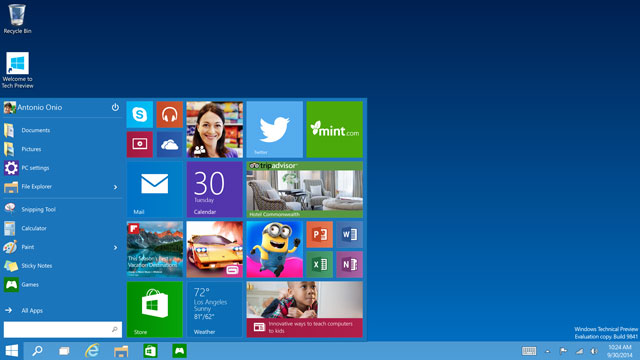
This week marks one year since the launch of what is arguably Microsoft’s most ambitious – and possibly most controversial – operating system: Windows 10. Windows 10 represents a fundamentally
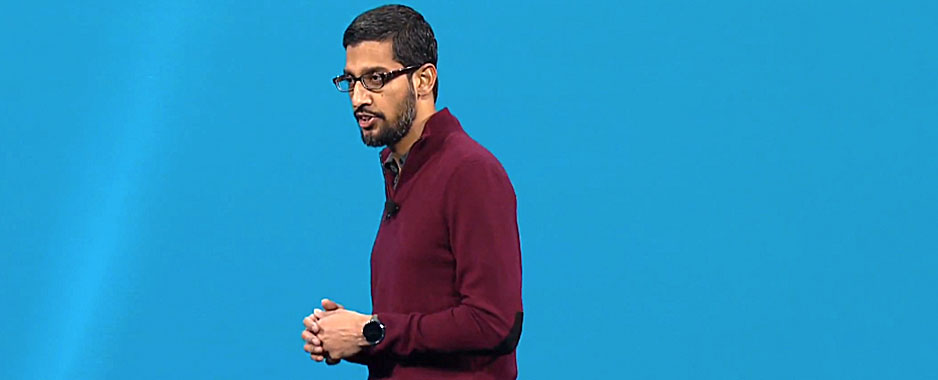
Google has spent years telling Wall Street its investments in non-advertising businesses will eventually pay off. Thursday’s results suggest that’s beginning to happen. Google parent Alphabet reported second

Technology companies that make business software are never going to match the glamour of their consumer counterparts. Facebook’s Mark Zuckerberg is a household name, but many would be hard-pressed
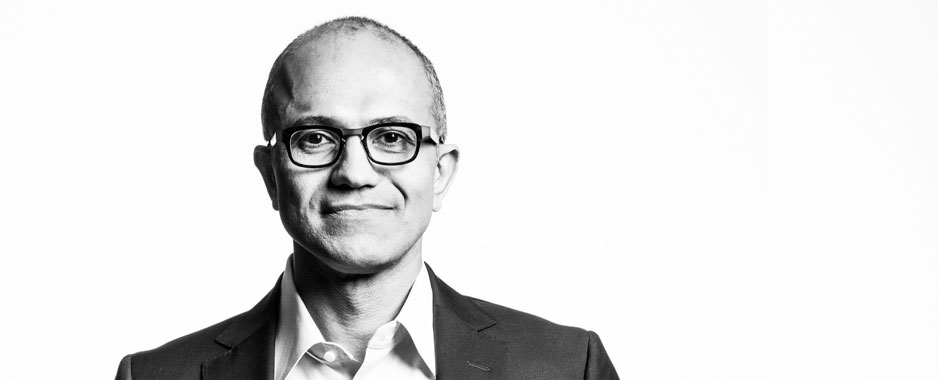
Microsoft reported quarterly sales and profit that topped analysts’ estimates, rekindling optimism about CEO Satya Nadella’s cloud strategy as more customers shifted to the company’s Internet-based software and

You’ve heard of Pokémon Go by now, yes? It’s the pervasively viral, madness-inducing, privacy-invading, weirdly alarming, metaphysically destabilizing new mobile-phone game from Niantic. It’s potentially worth $1.8 billion a year. And
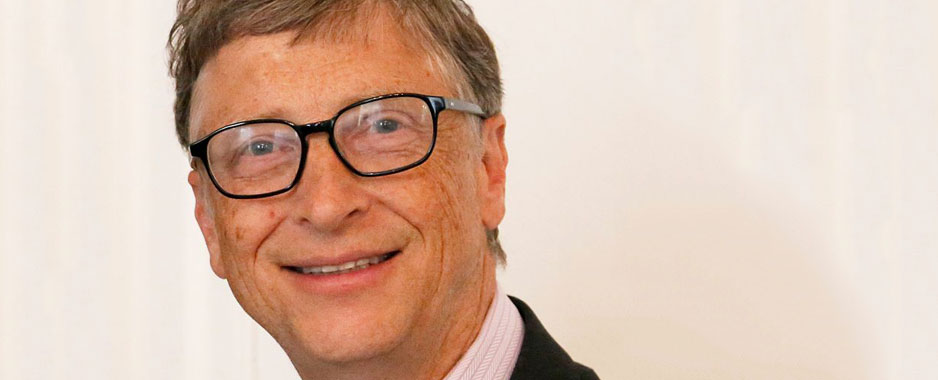
If Africa’s tech-savvy youth are given their basic needs, it will enable them to change the future, according to Microsoft founder and billionaire philanthropist Bill Gates. Gates was delivering the 14th