With the advent of the Internet of things, many things have changed – from the way we do business, to the way that business is supported by how we design and run our IT architectures. Increasingly, this means needing to do things at the “edge”.
Data volumes, network constraints and the need to run more data analytics on the edge require big changes. With a lot of the functionality traditionally run centrally needing to be run at the edge of the cloud, new devices and solutions need to be considered and incorporated into existing architectures – and as easily and painlessly as possible.
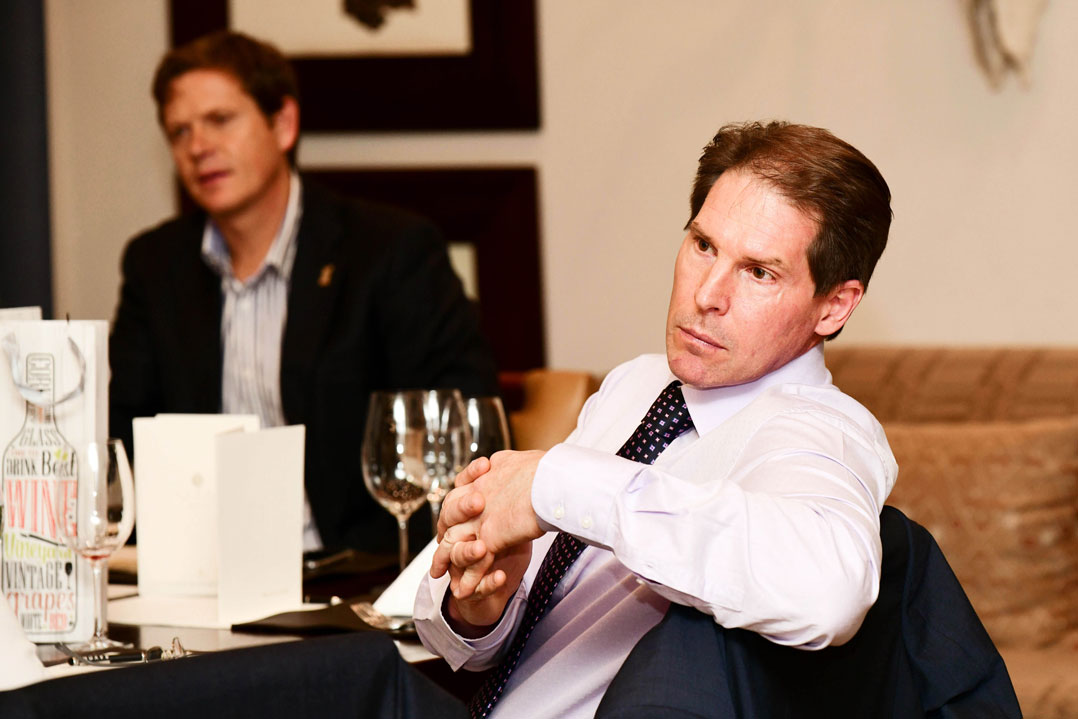
At a recent TechCentral C-suite roundtable event, IT leaders discussed what it truly means to “thrive on the edge”.
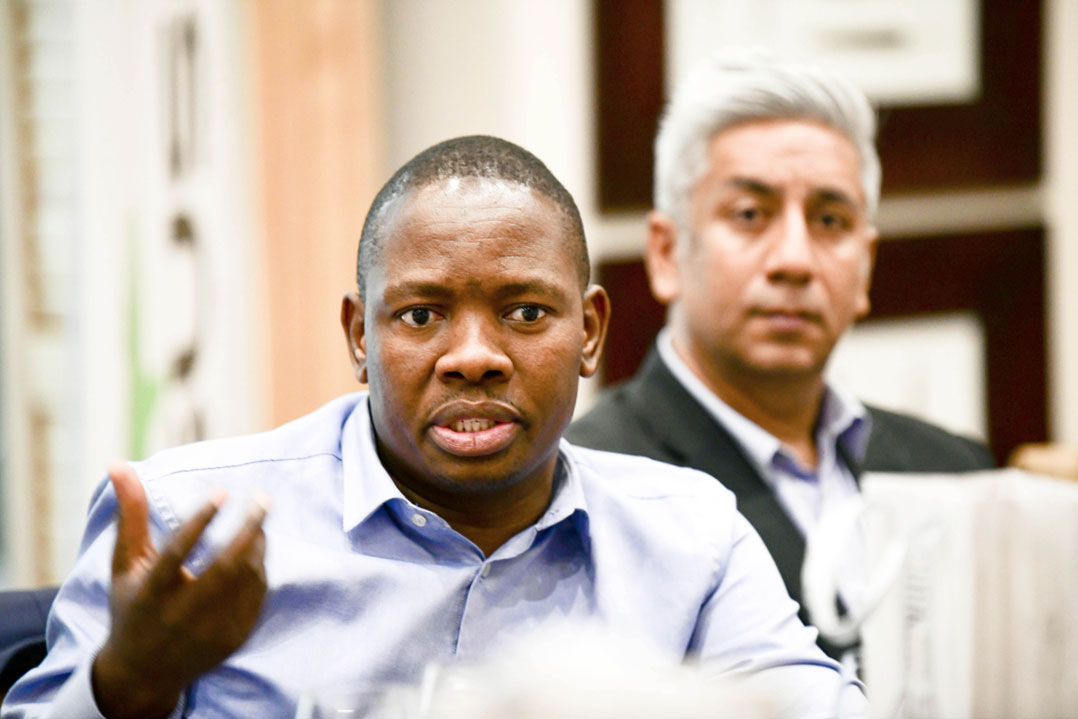
Transnet’s digital business leader & chief process officer, Mandla Mkhwanazi, kicked off the discussion with a real-life example of rail efficiencies.
One of the longest trains in the world, consisting of 340 wagons, runs from South Africa to the Democratic Republic of Congo, passing through several countries and making multiple stops along the route. This equates to a train spanning 7km at its longest point.
Previously, the drivers would make periodic stops to inspect the carriages by walking down the track and physically locating problems. This process was both inefficient and, in some cases, dangerous, with drivers being subjected to bandits and crime.
In addition, tracking of carriages was difficult as there are multiple stops on the route with carriages being removed for offloading and then… well, often, who knows?
With IoT sensors standard in the new carriages, there is no need to stop unless there is a problem that needs immediate action. The drivers are then given the location and reasons for an error, making resolution time significantly quicker.
With the constant flow of data, operational efficiencies can be achieved with fewer human interventions. In addition, each carriage can be tracked, planned for and optimised for individually. This spans the value chain, from cargo packing to arrival times. IoT is integral to the expansion of Transnet’s services into the rest of Africa.
George Leonard, infrastructure & platform architect at BankservAfrica, was quick to add how integrated IoT is in the airline industry, with huge amounts of data sent from aircraft back to the maintenance teams. This is the norm for the airline industry, so why is it so hard to imagine in the rest of the business world?

Zayne Syed, who works for an active financial services organisation, said IoT has had a huge impact on physical data processing in his organisation, reducing processing time from 3-5 days to just 18 minutes. Digital transformation is strongly supported by IoT, he said.
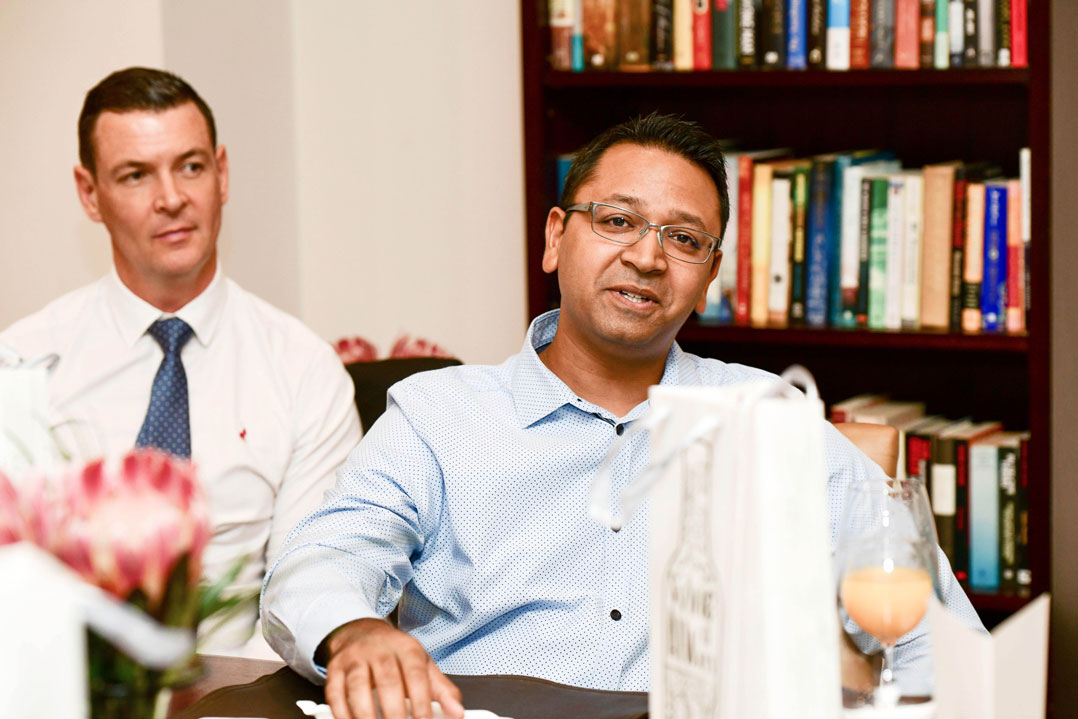
Why operate on the edge? “Because the four-walls structure needs to be a thing of the past. Business happens where it needs to be, not confined to a formal, rigid environment,” Syed said.
With Syed’s company adding about 200 000 accounts per month, the importance of mass individual service is critical because as quickly as customers join, they could leave.
This raised a concern regarding interconnectivity costs and the high cost of bandwidth, which meant IoT processes needed to be considered carefully to allow for the maximum processing at the source of the data, not passing it back to a clunky data centre.
The question arose at the roundtable: “Do you do this all yourself or are their opportunities for partnerships?” The overwhelming feeling was that IoT projects allow for partnerships that previously wouldn’t have been considered.
Matthew Lee, SUSE’s cloud & strategic alliances manager, posed the question: “What challenges do IoT projects face in your organisation?” Almost as one, the panel responded that fragmented projects and silo approaches are huge frustrations for IoT projects. A snap poll of attendees following, asking: “Who owns IoT – IT, the business, or no one?”
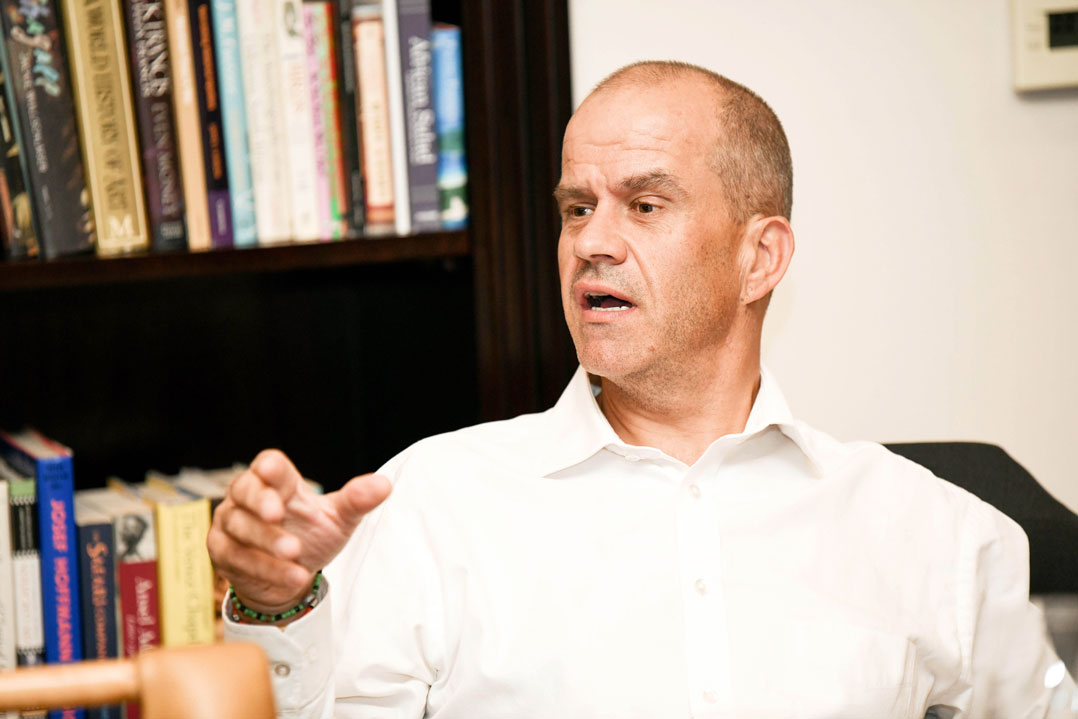
Passenger Rail Agency of South Africa GM for enterprise architecture Imraan Khan said IoT projects are owned by business but supported by IT. If IT is not involved in the project, the business will find its own partners, creating huge issues for IT and alignment to the business as a whole.
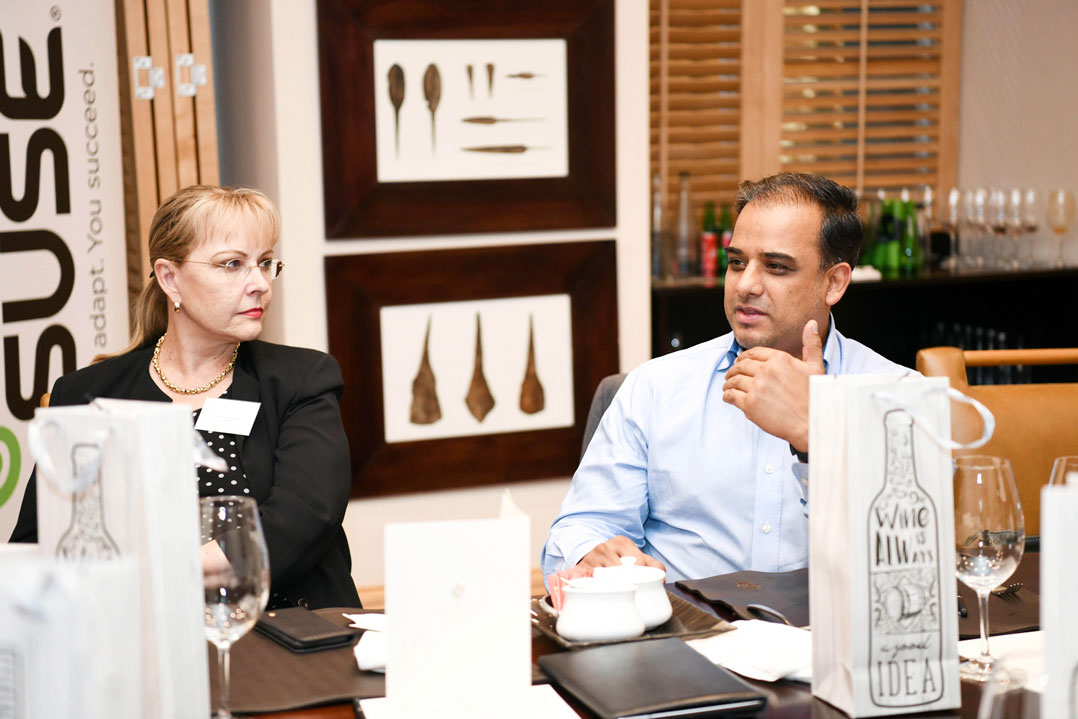
Ashwin Frankie, CIO of Kagiso Media, said that shadow IT was a real thing and needed to be avoided as it increased exponentially the complexity of support across the business.
Shadow IT came up in conversation throughout the session, in fact, with BankservAfrica’s Leonard saying it is hard to avoid due to the massive impact cloud has had on the world.
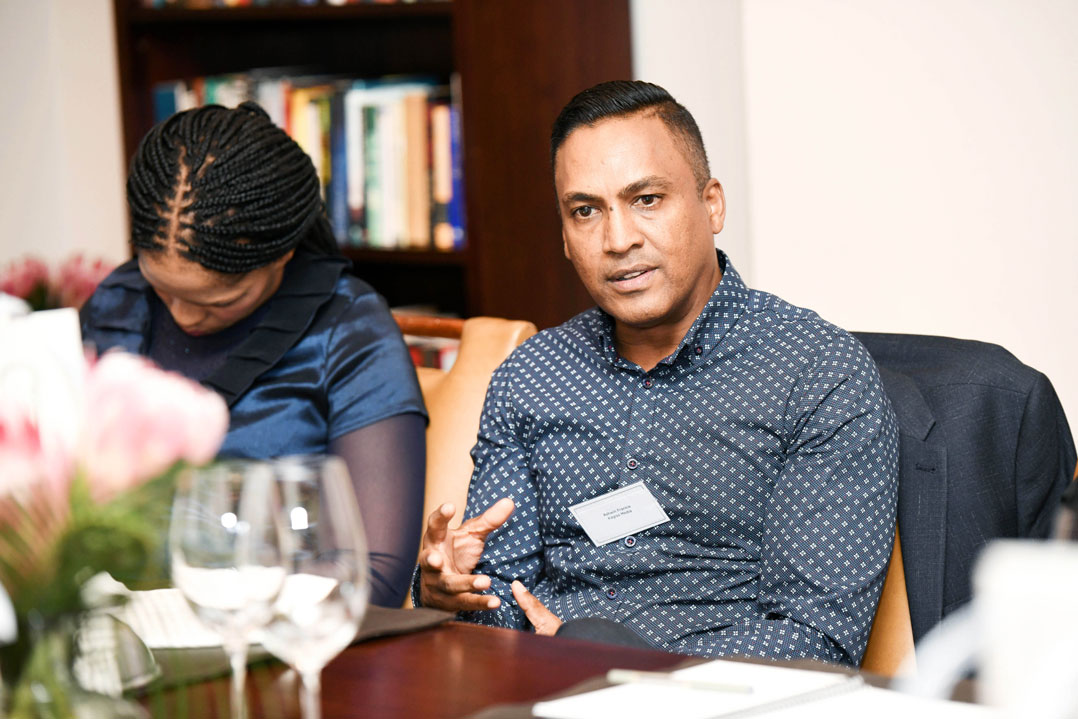
Louise van der Bank, CIO of Afrisam, added a dose of wisdom: “Don’t inhibit the business, enable it, and then shadow IT will not be a problem.”
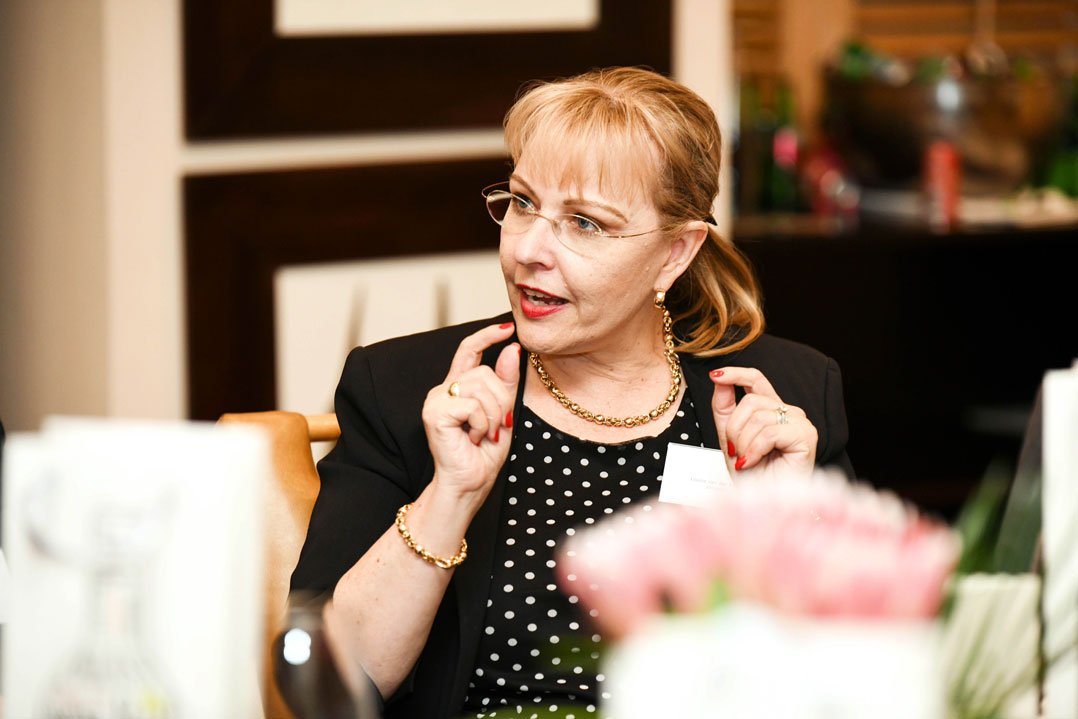
This led into a discussion about how to prevent a divergence between business and IT, with the panel asked if this is achieved through an IoT strategy. This was quickly shot down as IoT forms part of the broader strategy of both business and IT. Again, Van der Bank was quick to jump in with a practical strategy: “If there is a real business case, a burning need, then IoT is easy to deploy as it will have backing of both IT and business.”
Malose Ramashala, Rand Water’s telecommunications architect, spoke of the preventative maintenance drive within his company and the pilot for a “digital twin” programme, allowing engineers to work on multiple cases from one location.

Transnet’s Mkhwanazi said business is “getting on and doing it”. IT needs to be active, involved and invested in projects, including IoT.
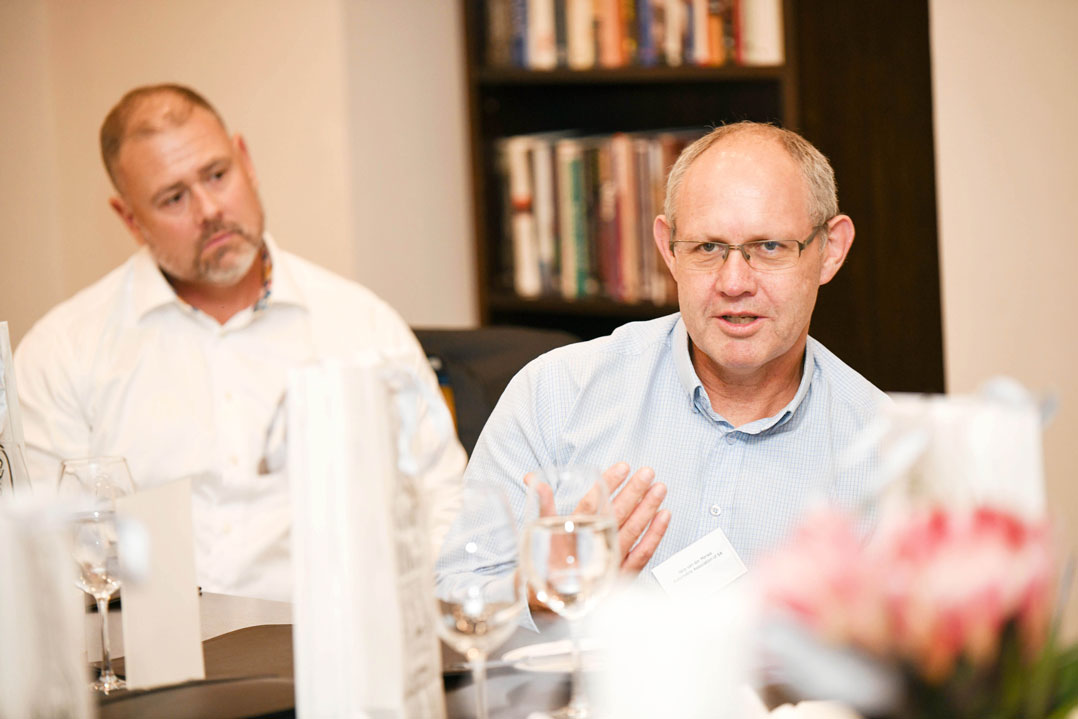
Jaco van der Merwe, GM for IT at the Automobile Association, said IT should be an advisor to business, adding a layer of governance. However, the use cases are owned by business or else they are usually doomed to fail. They cannot be driven by IT; there needs to be a real business case.
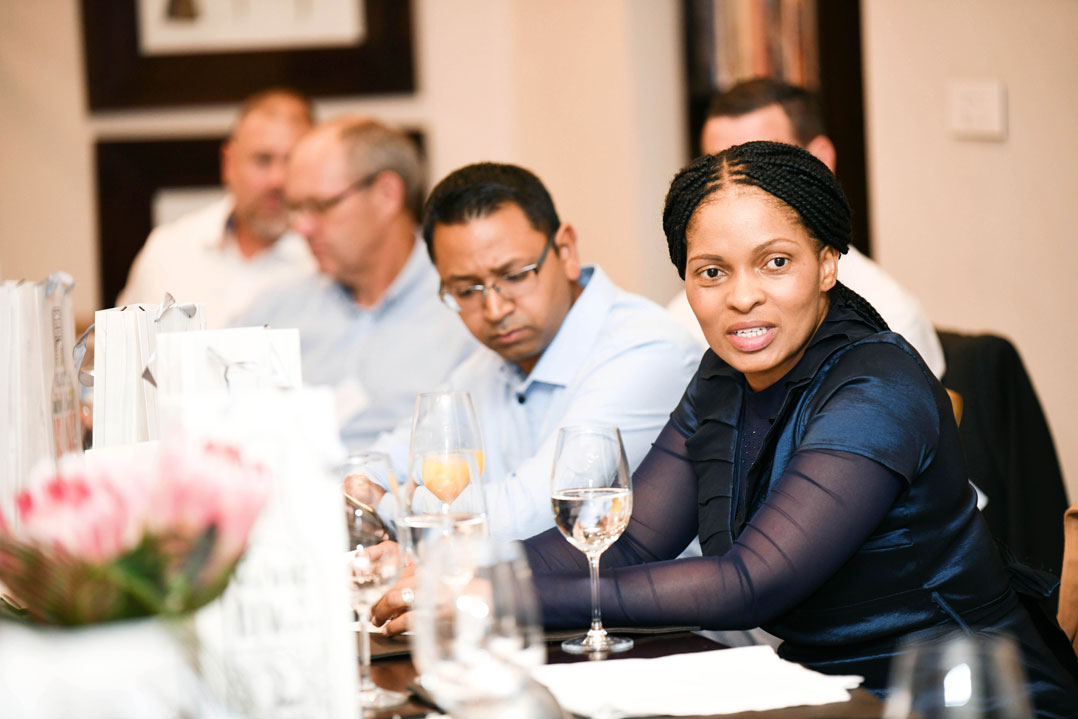
Lindiwe Bees, head of IT in the Gauteng premier’s office, said innovations in IT and the availability of digital apps have already changed work forever, with “work from anywhere” being the new norm. However, the integration of data sources was a potential nightmare and needed careful consideration.
Syed added another dose of reality, saying IoT projects were not necessarily an IT issue, but an innovation issue, and that this change was being forced on companies by customers’ demands and competitors’ actions. Remaining the same was not an option and outcomes-based teams needed to be empowered and enabled, regardless of the corporate methodology or the granular strategy.
Again, Transnet’s Mkhwanazi sounded a note of caution. “If IT has not transformed quicker than business, it’s irrelevant to business. We, as IT, have to involve business and lead cross-functional teams to spearhead innovation, especially in IoT, which is rooted in business process optimisation.”
With the fast rate of change, the question was then raised: “Are you ready for subscription-based IoT?” This was met with a mixed response from the forum, yet a resounding “yes” from Mkhwanazi, who said Transnet’s cloud strategy was well established, with IoT part of this plan.
‘Speed to market’
Van der Merwe said subscription IoT would be an option depending on the need. If it was “speed to market”, then, with the IT constraints and lack of time to learn, subscriptions were a good option.
However, the introduction of IoT projects and processes required a redesign of the business and therefore should not be taken lightly. Van der Bank said it was important to adopt a “release early, release often” strategy, adding incremental bits of value to the business all the time, focused on solving customers’ problems. This brings the customer to the centre of the project and heightens the impact on the entire business, she said.
Again, strategy would be influenced by the business context. However, looking “over the wall” would be good as there was seldom one answer to the problem.
Kevin Pickford, from Lenovo, asked a question which raised many frowns: “Are you looking to monetise IoT?”
The consensus was “no”. However, Kagiso Media’s Frankie said: “Knowledge Factory’s core business is providing property data to the market. Collection of data, scrubbing the data and making it available within applications and platforms to multiple clients is of massive importance to us.”
The link between IoT, artificial intelligence and machine learning was also explored, with most panellists agreeing that these were three separate fields of expertise, linked tenuously but not necessarily dependent on one another (for now).
IoT is the point of data gathering, which could be manual or traditionally gathered, and fed into machine learning or AI for further analysis. The use cases for AI and machine learning were commonly linked to traditional drives such as “know your customer”, predictive analytics and in-context decision making.
Frankie brought the discussion back to IoT by raising his phone and saying: “Our best IoT device is in our clients’ pockets.” This led to a debate regarding the problem of bandwidth, which, for higher LSM users was not a problem but for mass clients was.
Van der Merwe said that bandwidth is less of an issue than general coverage, especially when tracking truck drivers to remote locations.
How does one ensure that innovative ideas get to your desks?
Van der Bank explained that Afrisam encouraged innovation through both structured and unstructured means, specifically four innovation days per year, which would be focused in order to bring about meaningful innovation.
Mkhwanazi explained that Transnet has a formal research and development team working with the CSIR to take concepts to production in a structured manner.
Partners
The discussion then morphed into a question: “What do you want from a partner?”
Frankie was quick to say that the collaborative approach worked for their organisation and innovation is key to be fostered in the culture, including innovation with partners. “I bring the business know how and you bring the technology and together we have a solution.”
The AA’s Van der Merwe said his expectation was for partners to be proactive to share learning, bring the world of new ideas and together the partner, IT and business could find the sweet spot for meaningful IoT changes.
Prasa’s Khan added that a partner should “understand my business, engage with me and don’t just box drop; rather build a solution that can make a difference”. He acknowledged that the confines of the tender process would be difficult to allow partners to innovate. However, ideas such as vendor days were touted as solutions to share strategy with all vendors and spark innovative solutions.
Van der Bank summed it up. “Partnering works. We shared a little data with a partner, and they built such a good solution we had to partner with them.”
The world of IoT is healthy. It’s open to partners and should be embraced as frontier for expansion, especially in this market.
- This promoted content was paid for by the party concerned