Close Menu
TechCentralTechCentral

    Subscribe to the newsletter

    Get the best South African technology news and analysis delivered to your e-mail inbox every morning.

    Facebook X (Twitter) YouTube LinkedIn
    WhatsApp Facebook X (Twitter) LinkedIn YouTube
    TechCentralTechCentral
    • News
      No partner, no funding: Post Office wants out of rescue anyway

      No partner, no funding: Post Office wants out of rescue anyway

      18 August 2026
      South Africa's fraud problem is persuasion, not hacking

      South Africa’s fraud problem is persuasion, not hacking

      18 August 2026
      Your iPhone is about to get a massive upgrade

      Your iPhone is about to get a massive upgrade

      18 August 2026
      Absa writes off another R200-million in software - Johnson Idesoh

      Absa writes off another R200-million in software

      18 August 2026
      Sars maps out the tech stack that will replace VAT returns

      Sars maps out the tech stack that will replace VAT returns

      17 August 2026
    • World
      Russia building its own Starlink - and faster than expected - Vadym Skibitskyi

      Russia building its own Starlink – and faster than expected

      11 August 2026
      Meta AI will now tell parents if their teen is in crisis

      Meta AI will now tell parents if their teen is in crisis

      17 July 2026
      IBM shares crash 25% as AI upends software spending - Arvind Krishna

      IBM shares crash 25% as AI upends software spending

      15 July 2026
      Jony Ive's first OpenAI device: an AI smart speaker - Jony Ive and Sam Altman

      Jony Ive’s first OpenAI device: an AI smart speaker

      15 July 2026
      Stripe, Advent in talks to buy PayPal for $53-billion

      Stripe, Advent in talks to buy PayPal for $53-billion

      15 July 2026
    • In-depth
      Google DeepMind CEO Demis Hassabis. Image: John Sears

      The plan to stop AI from breaking the world

      16 July 2026
      The internet has a Strait of Hormuz problem

      The internet has a Strait of Hormuz problem

      15 July 2026
      AI boom sparks rally, frenzy and fear

      AI boom sparks rally, frenzy and fear

      11 June 2026
      Every plug-in hybrid on sale in South Africa, ranked by price - Lamborghini Temerario

      Every plug-in hybrid on sale in South Africa, ranked by price

      7 June 2026
      What Wi-Fi 8 will mean for wireless networks

      What Wi-Fi 8 will mean for wireless networks

      1 June 2026
    • TCS
      Meet the CIO | Discovery's Derek Wilcocks on AI, guardrails and growth

      Meet the CIO | Derek Wilcocks on how AI personalised Vitality

      13 August 2026
      TCS | Money just became native to the internet - Steven Boykey Sidley

      TCS | Money just became native to the internet – Steven Boykey Sidley

      12 August 2026
      TCS+ | Specops' Darren James on continuous trust in an AI world

      TCS+ | Specops’ Darren James on continuous trust in an AI world

      7 August 2026
      TCS+ | How AI is turning hardware into a subscription service - Shane van der Merwe Merchant West

      TCS+ | How AI is turning hardware into a subscription service

      6 August 2026
      TCS+ | Why South African workers must become supervisors of digital labour - Accelera Digital Group Cliff de Wit

      TCS+ | Why South African workers must become supervisors of digital labour

      31 July 2026
    • Opinion
      The author, Jannie van Zyl

      Selling vapour is corporate suicide in slow motion

      16 July 2026
      Brazil's online gambling crackdown is a lesson for South Africa

      How Amazon outmanoeuvred Starlink in South Africa

      15 July 2026
      The Popia problem with agentic AI - Herman Haasbroek

      The Popia problem with agentic AI

      14 July 2026
      The author, Fanie van Rooyen

      South Africa can still catch the AI wave – here’s how

      7 July 2026
      The author, Fanie van Rooyen

      The AI utopia South Africa can’t afford

      1 July 2026
    • Company Hubs
      • 1Stream
      • Africa Data Centres
      • AfriGIS
      • Altron Digital Business
      • Altron Document Solutions
      • Altron Group
      • Arctic Wolf
      • Ascent Technology
      • AvertITD
      • BBD
      • Braintree
      • CallMiner
      • CambriLearn
      • CM Telecom
      • Contactable
      • CYBER1 Solutions
      • Digicloud Africa
      • Digimune
      • Domains.co.za
      • ESET
      • Euphoria Telecom
      • HOSTAFRICA
      • Incredible Business
      • iONLINE
      • IQbusiness
      • Iris Network Systems
      • Kaspersky
      • LSD Open
      • Mitel
      • NEC XON
      • Netstar
      • Network Platforms
      • Next DLP
      • Ovations
      • Paracon
      • Paratus
      • Q-KON
      • SevenC
      • SkyWire
      • Solid8 Technologies
      • Telit Cinterion
      • Telviva
      • Tenable
      • Vertiv
      • Videri Digital
      • Vodacom Business
      • Vox
      • Wipro
      • Workday
      • XLink
    • Sections
      • AI and machine learning
      • Banking
      • Broadcasting and Media
      • Cloud services
      • Contact centres and CX
      • Cryptocurrencies
      • Education and skills
      • Electronics and hardware
      • Energy and sustainability
      • Enterprise software
      • Financial services
      • HealthTech
      • Information security
      • Internet and connectivity
      • Internet of Things
      • Investment
      • IT services
      • Lifestyle
      • Policy and regulation
      • Public sector
      • Retail and e-commerce
      • Satellite communications
      • Science
      • SMEs and start-ups
      • Social media
      • Talent and leadership
      • Telecoms
      • Watts & Wheels
    • Events
    • Advertise
    TechCentralTechCentral
    Home » Sections » Electronics and hardware » AI is eating the world’s memory – and we’re all going to pay the price

    AI is eating the world’s memory – and we’re all going to pay the price

    Global demand for smartphones, PCs and gaming consoles is expected to shrink this year amid surging RAM prices.
    By Agency Staff22 January 2026
    Twitter LinkedIn Facebook WhatsApp Email Telegram Copy Link
    News Alerts
    WhatsApp
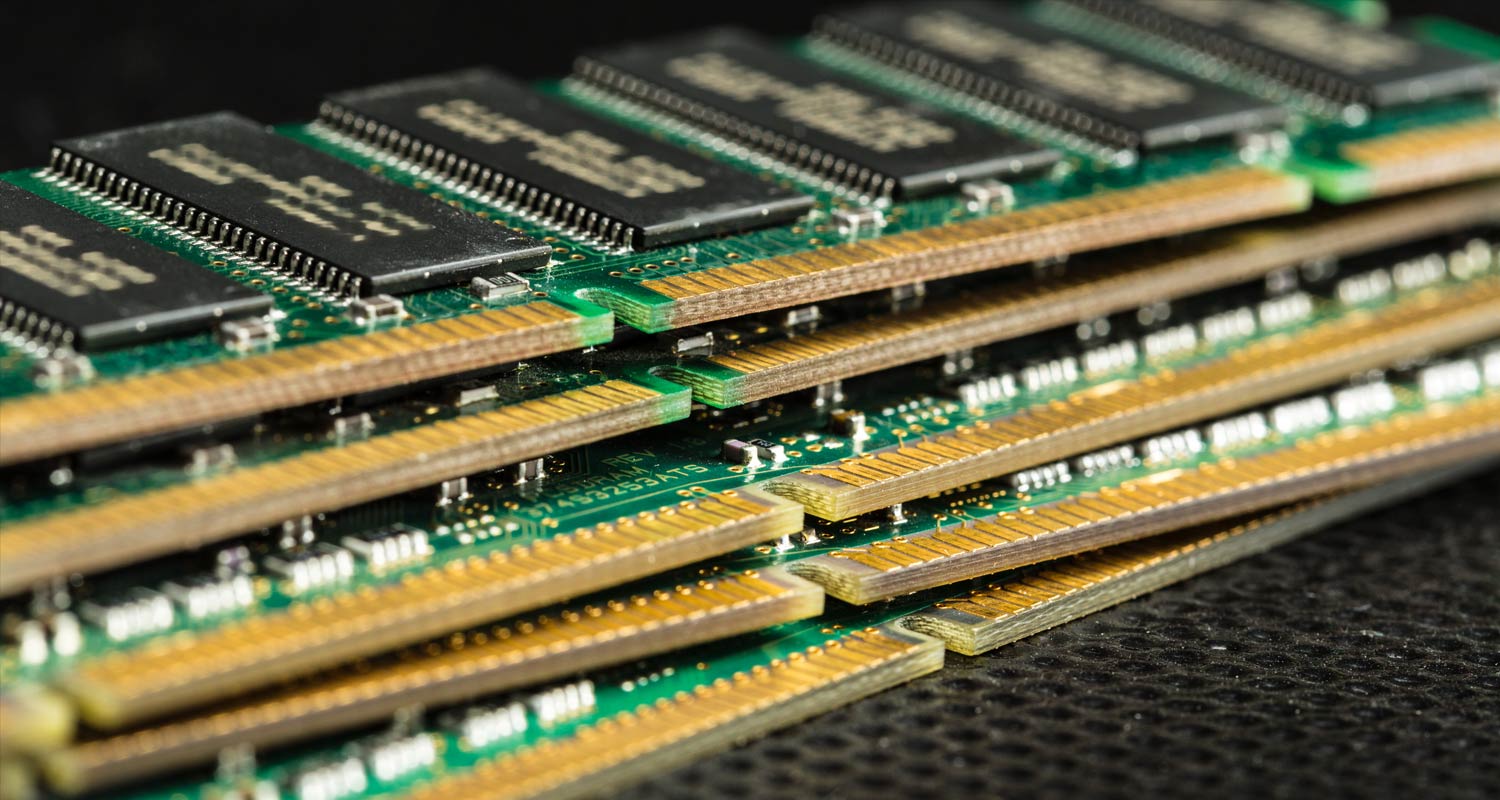
    AI is eating the world's memory - and we're all going to pay the price
    RAM prices are surging, threatening to drive up the cost of PCs, smartphones and other consumer electronics devices

    Global demand for smartphones, PCs and gaming consoles is expected to shrink this year as companies from Raspberry Pi to HP raise prices to offset surging memory chip costs.

    The rapid buildout of artificial intelligence infrastructure by US tech firms such as OpenAI, Google and Microsoft has absorbed much of the world’s memory chip supply, pushing up prices as manufacturers prioritise components for higher-margin data centres over consumer devices.

    Samsung, SK Hynix and Micron, the world’s three largest producers of memory chips, have said in recent months that they were struggling to keep up with demand as they reported rosy quarterly earnings on the back of surging prices for their semiconductors.

    Over the last two quarters, we’ve seen 1 000% price inflation in some products and pricing is continuing to rise

    But the price surge is rippling through consumer markets.

    Research firms IDC and Counterpoint both now expect global smartphone sales to shrink at least 2% this year, in a sharp reversal from their growth outlook a few months ago. That would mark the first annual decline in shipments since 2023.

    The PC market is expected to shrink by at least 4.9% in 2026, IDC estimated, after an 8.1% growth last year. Meanwhile, console sales are expected to fall 4.4% in the current year after an estimated growth of 5.8% in 2025, according to TrendForce.

    While several firms have already raised prices, industry heavyweights Apple and Dell face a tough choice: take on the costs and sacrifice margins or pass them onto consumers at the risk of stifling demand.

    Worst still to come

    “Manufacturers might absorb some costs but, given the scale of the shortage, it is certainly going to show up as higher prices for consumers,” Emarketer analyst Jacob Bourne said. “It is going to result in more tepid consumer device sales in 2026. It will be a challenge for these companies that are trying to sell products during a time of broader inflation.”

    Pressure is being compounded by expectations that the price increases will persist, possibly into next year. Counterpoint estimates that memory prices will jump 40-50% in the first quarter, after last year’s 50% surge.

    Read: Samsung cashes in on AI data centre boom as memory prices soar

    “Over the last two quarters, we’ve seen 1 000% price inflation in some products and pricing is continuing to rise,” said Tobey Gonnerman, president of semiconductor distributor Fusion Worldwide. “Consumers can expect to pay significantly higher prices for laptops, mobile phones, wearables and gaming devices very soon.”

    Analysts believe the impact is likely to be most pronounced for manufacturers of low-end and midrange devices, such as Chinese smartphone makers Xiaomi and TCL Technology and PC firm Lenovo.

    TrendForce said last year that Dell and Lenovo were planning price hikes of as much as 20% early in 2026.

    Empty wallet

    Shares of all Raspberry Pi, Xiaomi, Dell, HP and Lenovo fell in the last three months of 2025, with Xiaomi posting the biggest drop with a 27.2% decline.

    HP CEO Enrique Lores said in November the company would raise PC prices due to “significant” memory chip costs, while Raspberry Pi’s CEO called the cost surge “painful” in a December blog post announcing price increases for its devices.

    The weaker demand outlook could also hamper sales at electronics-focused retailers such as Best Buy, which had already warned last year that tariff-driven price increases could dissuade potential buyers.

    Apple is better positioned as it uses contract pricing rather than more volatile spot pricing for its purchases

    Some analysts said Apple, with its scale, pricing power and deep supplier network, is better positioned to weather the memory chip price surge than its smaller rivals.

    The company typically holds prices of its flagship iPhone line-up in the US steady between its September launch events. Last year, it absorbed the hundreds of millions of dollars in tariff-related costs, instead of passing them on to customers.

    “Apple is better positioned as it uses contract pricing rather than more volatile spot pricing for its purchases, securing better prices,” Morningstar analyst William Kerwin said. “But it isn’t immune, and may need to raise prices to pass on higher input costs.”  — Jaspreet Singh and Zaheer Kachwala, (c) 2026 Reuters

    Get breaking news from TechCentral on WhatsApp. Sign up here.

    Follow TechCentral on Google News Add TechCentral as your preferred source on Google


    Apple Dell HP Lenovo Raspberry Pi
    WhatsApp YouTube
    Share. Facebook Twitter LinkedIn WhatsApp Telegram Email Copy Link
    Previous ArticleNew details emerge about Apple’s big Siri overhaul
    Next Article Why South Africa is missing the tech minerals boom

    Related Posts

    Your iPhone is about to get a massive upgrade

    Your iPhone is about to get a massive upgrade

    18 August 2026
    TCS+ | iStore Business on why Apple makes sense for SMEs - Sudesh Pillay and Tamia Nontsikelelo

    TCS+ | iStore Business on why Apple makes sense for SMEs

    30 July 2026
    Apple's next CEO plants his flag in Hollywood - John Ternus and Tim Cook

    Apple’s next CEO plants his flag in Hollywood

    28 July 2026
    Company News
    Paratus Rwanda marks first year with AfPIF opening reception

    Paratus Rwanda marks first year with AfPIF opening reception

    18 August 2026
    Digital sovereignty on the agenda at Africa Cybersecurity Indaba

    Digital sovereignty on the agenda at Africa Cybersecurity Indaba

    18 August 2026
    Avast, AVG and Norton in 2026: smarter security for a new generation of threats

    Avast, AVG and Norton in 2026: smarter security for a new generation of threats

    17 August 2026
    Opinion
    The author, Jannie van Zyl

    Selling vapour is corporate suicide in slow motion

    16 July 2026
    Brazil's online gambling crackdown is a lesson for South Africa

    How Amazon outmanoeuvred Starlink in South Africa

    15 July 2026
    The Popia problem with agentic AI - Herman Haasbroek

    The Popia problem with agentic AI

    14 July 2026

    Subscribe to Updates

    Get the best South African technology news and analysis delivered to your e-mail inbox every morning.

    Latest Posts
    No partner, no funding: Post Office wants out of rescue anyway

    No partner, no funding: Post Office wants out of rescue anyway

    18 August 2026
    South Africa's fraud problem is persuasion, not hacking

    South Africa’s fraud problem is persuasion, not hacking

    18 August 2026
    Paratus Rwanda marks first year with AfPIF opening reception

    Paratus Rwanda marks first year with AfPIF opening reception

    18 August 2026
    Digital sovereignty on the agenda at Africa Cybersecurity Indaba

    Digital sovereignty on the agenda at Africa Cybersecurity Indaba

    18 August 2026
    © 2009 - 2026 NewsCentral Media
    Built and maintained by Chronon
    • Cookie policy (ZA)
    • TechCentral – privacy and Popia

    Type above and press Enter to search. Press Esc to cancel.

    Manage consent

    TechCentral uses cookies to enhance its offerings. Consenting to these technologies allows us to serve you better. Not consenting or withdrawing consent may adversely affect certain features and functions of the website.

    Functional Always active
    The technical storage or access is strictly necessary for the legitimate purpose of enabling the use of a specific service explicitly requested by the subscriber or user, or for the sole purpose of carrying out the transmission of a communication over an electronic communications network.
    Preferences
    The technical storage or access is necessary for the legitimate purpose of storing preferences that are not requested by the subscriber or user.
    Statistics
    The technical storage or access that is used exclusively for statistical purposes. The technical storage or access that is used exclusively for anonymous statistical purposes. Without a subpoena, voluntary compliance on the part of your Internet Service Provider, or additional records from a third party, information stored or retrieved for this purpose alone cannot usually be used to identify you.
    Marketing
    The technical storage or access is required to create user profiles to send advertising, or to track the user on a website or across several websites for similar marketing purposes.
    • Manage options
    • Manage services
    • Manage {vendor_count} vendors
    • Read more about these purposes
    View preferences
    • {title}
    • {title}
    • {title}