Close Menu
TechCentralTechCentral

    Subscribe to the newsletter

    Get the best South African technology news and analysis delivered to your e-mail inbox every morning.

    Facebook X (Twitter) YouTube LinkedIn
    WhatsApp Facebook X (Twitter) LinkedIn YouTube
    TechCentralTechCentral
    • News
      Koeberg is completely offline

      Koeberg is completely offline

      28 August 2026
      Anthropic moves AI agents out of software and into the lab

      Anthropic moves AI agents out of software and into the lab

      28 August 2026
      Forget the iPhone: Apple's real next act is your home

      Forget the iPhone: Apple’s real next act is your home

      27 August 2026
      Meta wins by settling

      Meta wins by settling

      27 August 2026
      A Limpopo solar farm is now powering a smelter in Richards Bay

      A Limpopo solar farm is now powering a smelter in Richards Bay

      27 August 2026
    • World
      AI-generated music banned from Australian charts

      AI-generated music banned from Australian charts

      26 August 2026
      Traders brace for a R4.5-trillion swing in Nvidia's value

      Traders brace for a R4.5-trillion swing in Nvidia’s value

      25 August 2026
      Russia building its own Starlink - and faster than expected - Vadym Skibitskyi

      Russia building its own Starlink – and faster than expected

      11 August 2026
      Meta AI will now tell parents if their teen is in crisis

      Meta AI will now tell parents if their teen is in crisis

      17 July 2026
      IBM shares crash 25% as AI upends software spending - Arvind Krishna

      IBM shares crash 25% as AI upends software spending

      15 July 2026
    • In-depth
      Google DeepMind CEO Demis Hassabis. Image: John Sears

      The plan to stop AI from breaking the world

      16 July 2026
      The internet has a Strait of Hormuz problem

      The internet has a Strait of Hormuz problem

      15 July 2026
      AI boom sparks rally, frenzy and fear

      AI boom sparks rally, frenzy and fear

      11 June 2026
      Every plug-in hybrid on sale in South Africa, ranked by price - Lamborghini Temerario

      Every plug-in hybrid on sale in South Africa, ranked by price

      7 June 2026
      What Wi-Fi 8 will mean for wireless networks

      What Wi-Fi 8 will mean for wireless networks

      1 June 2026
    • TCS
      Watts & Wheels S1E8: 'Tesla lands in Africa, just not here'

      Watts & Wheels S1E8: ‘Tesla lands in Africa, just not here’

      24 August 2026
      Meet the CIO | Discovery's Derek Wilcocks on AI, guardrails and growth

      Meet the CIO | Derek Wilcocks on how AI personalised Vitality

      13 August 2026
      TCS | Money just became native to the internet - Steven Boykey Sidley

      TCS | Money just became native to the internet – Steven Boykey Sidley

      12 August 2026
      TCS+ | Specops' Darren James on continuous trust in an AI world

      TCS+ | Specops’ Darren James on continuous trust in an AI world

      7 August 2026
      TCS+ | How AI is turning hardware into a subscription service - Shane van der Merwe Merchant West

      TCS+ | How AI is turning hardware into a subscription service

      6 August 2026
    • Opinion
      The fragile joint in the Capitec machine - Pambos Soteriades

      The R197-billion market the banks can’t reach

      25 August 2026
      South African tech's compounding debt problem - Jannie van Zyl

      Management consulting as we know it is over

      21 August 2026
      South African tech's compounding debt problem - Jannie van Zyl

      The most dangerous customer is the quiet one

      10 August 2026
      South African tech's compounding debt problem - Jannie van Zyl

      South African tech’s compounding debt problem

      29 July 2026
      The fragile joint in the Capitec machine - Pambos Soteriades

      Best network, worst vibes: the puzzle of SA telecoms

      20 July 2026
    • Company Hubs
      • 1Stream
      • Africa Data Centres
      • AfriGIS
      • Altron Digital Business
      • Altron Document Solutions
      • Altron Group
      • Arctic Wolf
      • Ascent Technology
      • AvertITD
      • BBD
      • Braintree
      • CallMiner
      • CambriLearn
      • CM Telecom
      • Contactable
      • CYBER1 Solutions
      • Digicloud Africa
      • Digimune
      • Domains.co.za
      • ESET
      • Euphoria Telecom
      • HOSTAFRICA
      • Incredible Business
      • iONLINE
      • IQbusiness
      • Iris Network Systems
      • Kaspersky
      • LSD Open
      • Mitel
      • NEC XON
      • Netstar
      • Network Platforms
      • Next DLP
      • Ovations
      • Paracon
      • Paratus
      • Q-KON
      • SevenC
      • SkyWire
      • Solid8 Technologies
      • Telit Cinterion
      • Telviva
      • Tenable
      • Vertiv
      • Videri Digital
      • Vodacom Business
      • Vox
      • Wipro
      • Workday
      • XLink
    • Sections
      • AI and machine learning
      • Banking
      • Broadcasting and Media
      • Cloud services
      • Contact centres and CX
      • Cryptocurrencies
      • Education and skills
      • Electronics and hardware
      • Energy and sustainability
      • Enterprise software
      • Financial services
      • HealthTech
      • Information security
      • Internet and connectivity
      • Internet of Things
      • Investment
      • IT services
      • Lifestyle
      • Policy and regulation
      • Public sector
      • Retail and e-commerce
      • Satellite communications
      • Science
      • SMEs and start-ups
      • Social media
      • Talent and leadership
      • Telecoms
      • Watts & Wheels
    • Events
    • Advertise
    TechCentralTechCentral
    Home » Sections » Electronics and hardware » US strikes at a Huawei prize: chip juggernaut HiSilicon

    US strikes at a Huawei prize: chip juggernaut HiSilicon

    By Agency Staff22 May 2020
    Twitter LinkedIn Facebook WhatsApp Email Telegram Copy Link
    News Alerts
    WhatsApp
    The US flag and a smartphone with the Huawei and 5G network logo are seen on a PC motherboard in this illustration taken on 29 January 2020. Photo: Dado Ruvic, Reuters

    The latest US government action against China’s Huawei takes direct aim the company’s HiSilicon chip division — a business that in a few short years has become central to China’s ambitions in semiconductor technology but will now lose access to tools that are central to its success.

    That could make it the most damaging US attack yet against a Chinese company that US officials told reporters on Wednesday functioned as a “tool of strategic influence” for the Chinese Communist Party. Huawei for its part denounced the US allegations and called the new measures “arbitrary and pernicious”.

    Established in 2004, HiSilicon develops chips mostly for Huawei, and for most of its existence has been an afterthought in a global chip business dominated by US, Korean and Japanese companies. Like most electronics firms, Huawei relied on others for the chips that powered its equipment.

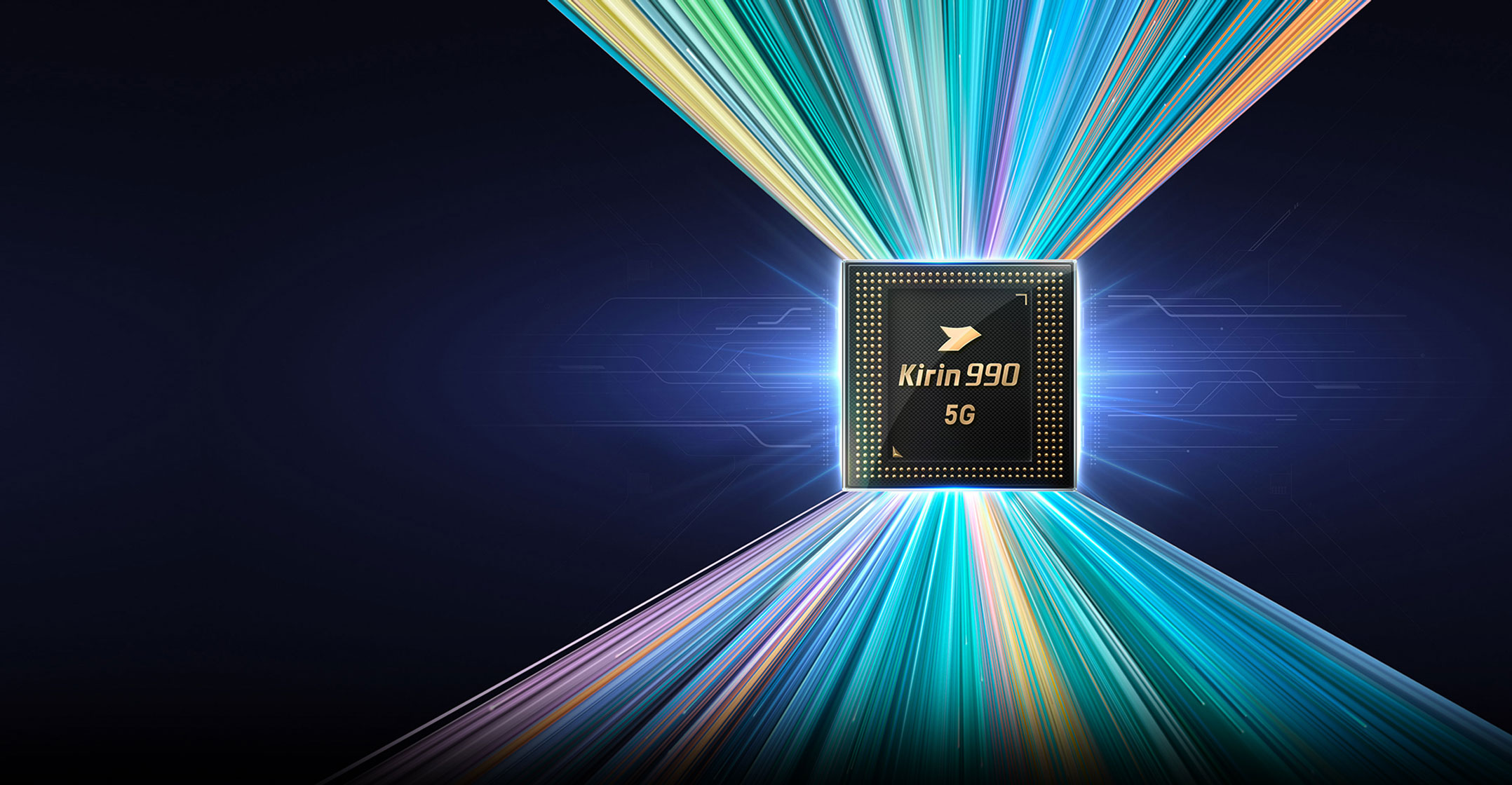
    HiSilicon’s Kirin smartphone processor is now considered to be on par with those created by Apple and Qualcomm

    But heavy investment in research and development helped drive rapid progress at HiSilicon, and in recent years the 7 000-employee unit has been central to Huawei’s rise as a dominant player in the global smartphone business and the emerging 5G telecommunications networking business.

    HiSilicon’s Kirin smartphone processor is now considered to be on par with those created by Apple and Qualcomm — a rare example of an advanced Chinese semiconductor product that competes globally.

    HiSilicon is also central to Huawei’s leadership in 5G, stepping into the breach when the US cut off access to some US chips last year.

    Crucial tools

    In March, Huawei revealed that 8% of the 50 000 5G base stations it sold in 2019 came with no US technology, using HiSilicon chipsets instead.

    But the US export control rule aims to block HiSilicon’s access to two crucial tools: chip design software from US firms including Cadence Design Systems and Synopsys, and the manufacturing prowess of “foundries”, led by Taiwan Semiconductor Manufacturing Co, that build chips for many of the world’s top semiconductor firms.

    With the new restrictions, HiSilicon “will be in a situation where they’re not able to manufacture chips at all, or if they do, then they’re not leading edge anymore”, says Stewart Randall, who tracks China’s chip industry at Shanghai-based consultancy Intralink.
    Without its own processors, Huawei will lose its edge over domestic smartphone rivals, analysts said. International sales had already been gutted by a ban on the use of key Google software.

    Industry sources say Huawei has stockpiled chips, and the new US rule will not go into full force for 120 days. US officials also note that licences could be granted for some technologies. HiSilicon can also keep using design software it has already acquired.

    Still, analysts agree HiSilicon is in a tough spot. Nearly all chip factories globally — including China’s leading foundry, Semiconductor Manufacturing International Corp — buy gear from the same equipment makers, led by US firms Applied Materials, Lam Research and KLA.

    While there are alternatives to American machines, replacing US technology is not as simple as swapping out a machine

    The new US rule requires licences for companies using US machinery to build Huawei-designed chips and delivered to the Chinese firm. To be sure, the new rule will not catch items shipped to a third party, allowing HiSilicon’s fabricators like TSMC the ability to ship chips to HiSilicon’s device manufacturers who can send them directly to a customer.

    While there are alternatives to American machines — Japan’s Tokyo Electron, for example, makes gear that competes with Applied Materials — replacing US technology is not as simple as swapping out a machine.

    “You almost have to think about it like a heart transplant,” said VLSI Research CEO Dan Hutcheson, noting that chip production lines are finely calibrated systems where everything has to work well together.

    A few options

    Doug Fuller of the Chinese University of Hong Kong said Huawei had a few options. It could slip around the rule by having suppliers ship directly to Huawei customers, though the US officials said they would be vigilant about such workarounds.

    Huawei and the Chinese government could re-double efforts to build production capabilities that did not require US tools, by investing in nascent Chinese competitors and buying from Japanese and Korean firms, even if that required quality sacrifices.

    Or Huawei could turn away from HiSilicon and revert to buying from overseas suppliers — just not American ones. “There’s talk of Huawei just turning to Samsung processors” for its smartphones, said Fuller.  — Reported by Josh Horwitz, with assistance from David Kirton and Stephen Nellis, (c) 2020 Reuters


    Follow TechCentral on Google News Add TechCentral as your preferred source on Google


    Apple HiSilicon Huawei Qualcomm Samsung top TSMC
    WhatsApp YouTube
    Share. Facebook Twitter LinkedIn WhatsApp Telegram Email Copy Link
    Previous ArticleFastest ever real-world Internet speed smashed – 44.2Tbit/s
    Next Article Icasa moves to get broadcasters out of ‘digital dividend’ bands

    Related Posts

    Forget the iPhone: Apple's real next act is your home

    Forget the iPhone: Apple’s real next act is your home

    27 August 2026
    The new Mac mini

    Apple’s new Mac mini chases the home AI agent boom

    26 August 2026
    Your iPhone is about to get a massive upgrade

    Your iPhone is about to get a massive upgrade

    18 August 2026
    Company News
    The stuff that doesn't fit on the quote - Graham Millar SevenC

    The stuff that doesn’t fit on the quote

    28 August 2026
    Can you trust the AI speaking to your customers? - 1Stream

    Can you trust the AI speaking to your customers?

    27 August 2026
    Telviva launches Viva, a digital agent built for South African businesses - Telviva CEO David Meintjes

    Telviva launches Viva, a digital agent built for South African businesses

    27 August 2026
    Opinion
    The fragile joint in the Capitec machine - Pambos Soteriades

    The R197-billion market the banks can’t reach

    25 August 2026
    South African tech's compounding debt problem - Jannie van Zyl

    Management consulting as we know it is over

    21 August 2026
    South African tech's compounding debt problem - Jannie van Zyl

    The most dangerous customer is the quiet one

    10 August 2026

    Subscribe to Updates

    Get the best South African technology news and analysis delivered to your e-mail inbox every morning.

    Latest Posts
    The stuff that doesn't fit on the quote - Graham Millar SevenC

    The stuff that doesn’t fit on the quote

    28 August 2026
    Koeberg is completely offline

    Koeberg is completely offline

    28 August 2026
    Anthropic moves AI agents out of software and into the lab

    Anthropic moves AI agents out of software and into the lab

    28 August 2026
    Forget the iPhone: Apple's real next act is your home

    Forget the iPhone: Apple’s real next act is your home

    27 August 2026
    © 2009 - 2026 NewsCentral Media
    Built and maintained by Chronon
    • Cookie policy (ZA)
    • TechCentral – privacy and Popia

    Type above and press Enter to search. Press Esc to cancel.

    Manage consent

    TechCentral uses cookies to enhance its offerings. Consenting to these technologies allows us to serve you better. Not consenting or withdrawing consent may adversely affect certain features and functions of the website.

    Functional Always active
    The technical storage or access is strictly necessary for the legitimate purpose of enabling the use of a specific service explicitly requested by the subscriber or user, or for the sole purpose of carrying out the transmission of a communication over an electronic communications network.
    Preferences
    The technical storage or access is necessary for the legitimate purpose of storing preferences that are not requested by the subscriber or user.
    Statistics
    The technical storage or access that is used exclusively for statistical purposes. The technical storage or access that is used exclusively for anonymous statistical purposes. Without a subpoena, voluntary compliance on the part of your Internet Service Provider, or additional records from a third party, information stored or retrieved for this purpose alone cannot usually be used to identify you.
    Marketing
    The technical storage or access is required to create user profiles to send advertising, or to track the user on a website or across several websites for similar marketing purposes.
    • Manage options
    • Manage services
    • Manage {vendor_count} vendors
    • Read more about these purposes
    View preferences
    • {title}
    • {title}
    • {title}