 Apple, long the envy of its Silicon Valley peers, is facing one of the most trying times of the post-Steve Jobs era.
The company is scrambling to catch up with rivals in artificial intelligence, and regulators are attacking its business model globally. Demand for the iPhone — Apple’s biggest moneymaker — also remains sluggish, especially in China.
Moreover, finding the company’s all-important “next big thing” has proved elusive. Apple killed a much-anticipated car project last year, and its push into smart-home technology has been slow going. The company has also struggled to find commercial success with what it calls spatial computing.
Then there’s the tariff threat from the Donald Trump administration. The company has already shifted more production to India to cope with levies on China, but the president continues to pressure Apple to make iPhones in the US, something executives see as a near-impossible task.
It’s all weighed on the stock, which has trailed shares of other major tech companies this year. Apple is no longer the world’s most valuable business, with Nvidia and Microsoft now well ahead.
Here are the challenges the company is facing around the world:
1. Artificial intelligence
Ever since OpenAI’s ChatGPT exploded into the public consciousness in 2022, tech companies have been racing to add more features using generative artificial intelligence, the technology that can create elaborate text, images and videos based on simple prompts.
Apple was conspicuously absent from this frenzy, raising concerns that it was falling behind in a vital new area. Then the company made a splash with its unveiling of Apple Intelligence last year, showing off something it described as “AI for the rest of us”. The technology helps summarise text, create original images and promises to retrieve the most relevant data.
The hope was that Apple Intelligence would spur consumers to upgrade their devices, but the software so far has suffered a series of bugs and delays, and rivals have continued to race ahead. Apple has managed to fill in the gaps in its line-up by teaming up with OpenAI, but some of its biggest promised upgrades, such as an overhauled Siri voice assistant, remain in limbo.
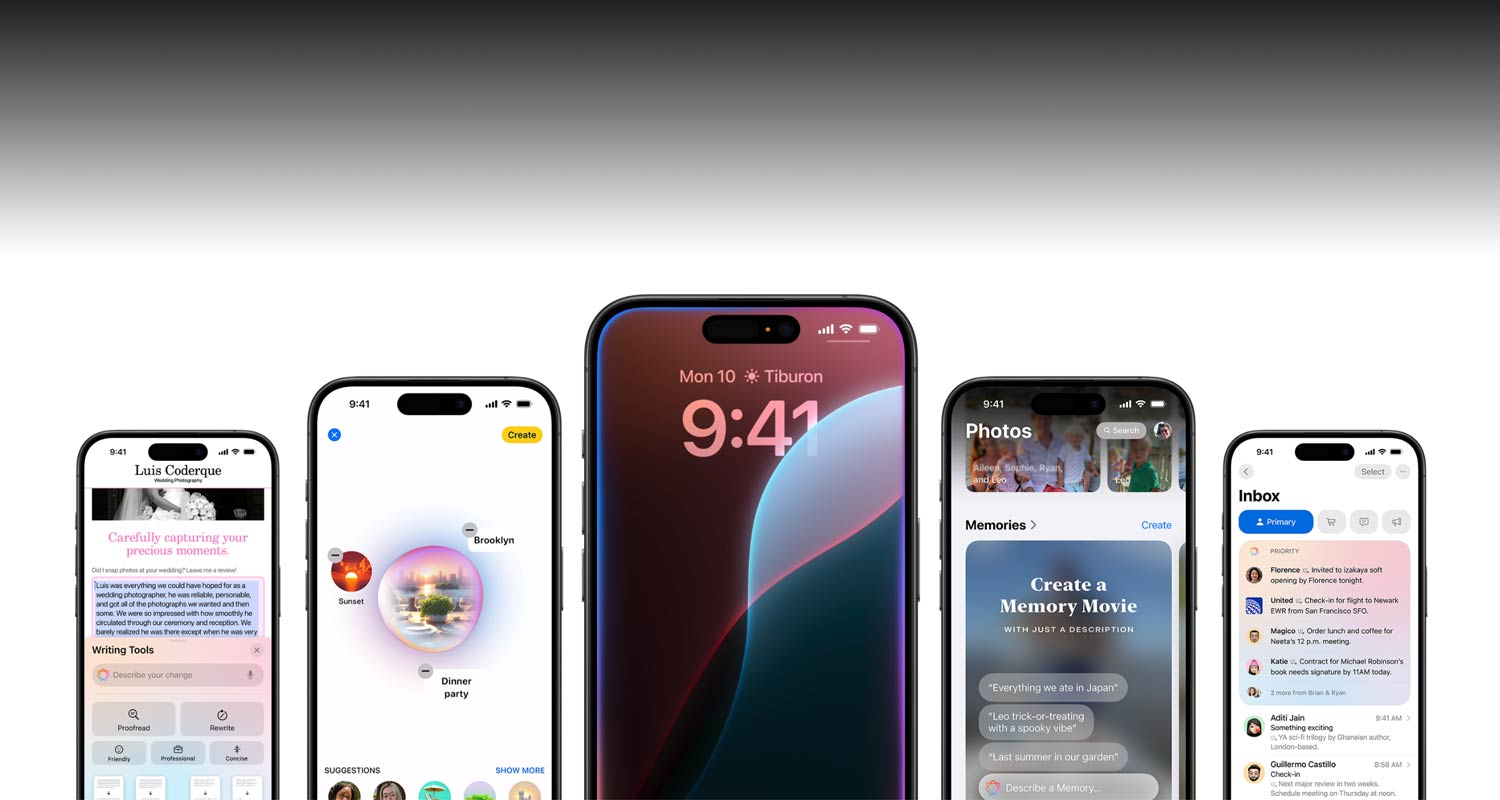 At its Worldwide Developers Conference in June, the company spent little time on Siri and AI, instead focusing on design changes to its operating systems. The only major new AI updates involved opening up Apple’s technology to third-party developers and adding translation features.
2. Finding the next big thing
Investors cheered after it emerged in February 2024 that Apple was winding down its car project. After all, it meant the company was no longer spending billions of dollars on a long-shot effort.
But the car’s demise ultimately leaves Apple without a big moneymaker on the horizon. As difficult as it was to build an electric vehicle, Apple could have charged $100 000 for such a product. Though profit margins would have likely been razor-thin at best, Apple could use a sales boost right now.
Abandoning the car also has raised concerns that Apple is playing it safe, rather than fearlessly blazing a trail into new categories. The vehicle wasn’t the only project that Apple scrapped recently. The company killed an in-house effort to develop its own smartwatch displays and cancelled a camera-equipped Apple Watch. It also nixed near-term plans to launch augmented reality smart glasses that could tether to a Mac to create a virtual display.
Read: Apple throws shade, not code, as it falls behind in AI
Apple does still have some options, though. The company is working on several smart-home devices, including a home hub that affixes to walls and a tabletop robot with a display that moves around. It’s also planning to release its first smart glasses — a product that would compete with models from Meta Platforms and Amazon.com — as early as the end of next year.
Further out, the risk is that an unexpected new format catches Apple by surprise. The company’s former design chief, Jony Ive, is working with OpenAI on a new generation of AI-focused hardware gadgets. That means the man who helped to create Apple’s iPhone could ultimately help another company supplant it.
3. A slow move into headsets
Apple did enter a new product category last year, and that’s the mixed-reality market. But its contribution to that field — the Vision Pro headset — is expensive and lacks a clear purpose. Though it’s still seen as an engineering marvel, the device has failed to capture the imagination of consumers and has limited exclusive content and apps to inspire purchases.
The goggles are too heavy to wear for long periods, have a hefty external battery and can create glare for people watching movies in dark places. Overall, the Vision Pro feels more like a prototype than a real product — and yet it costs as much as a home mortgage payment.
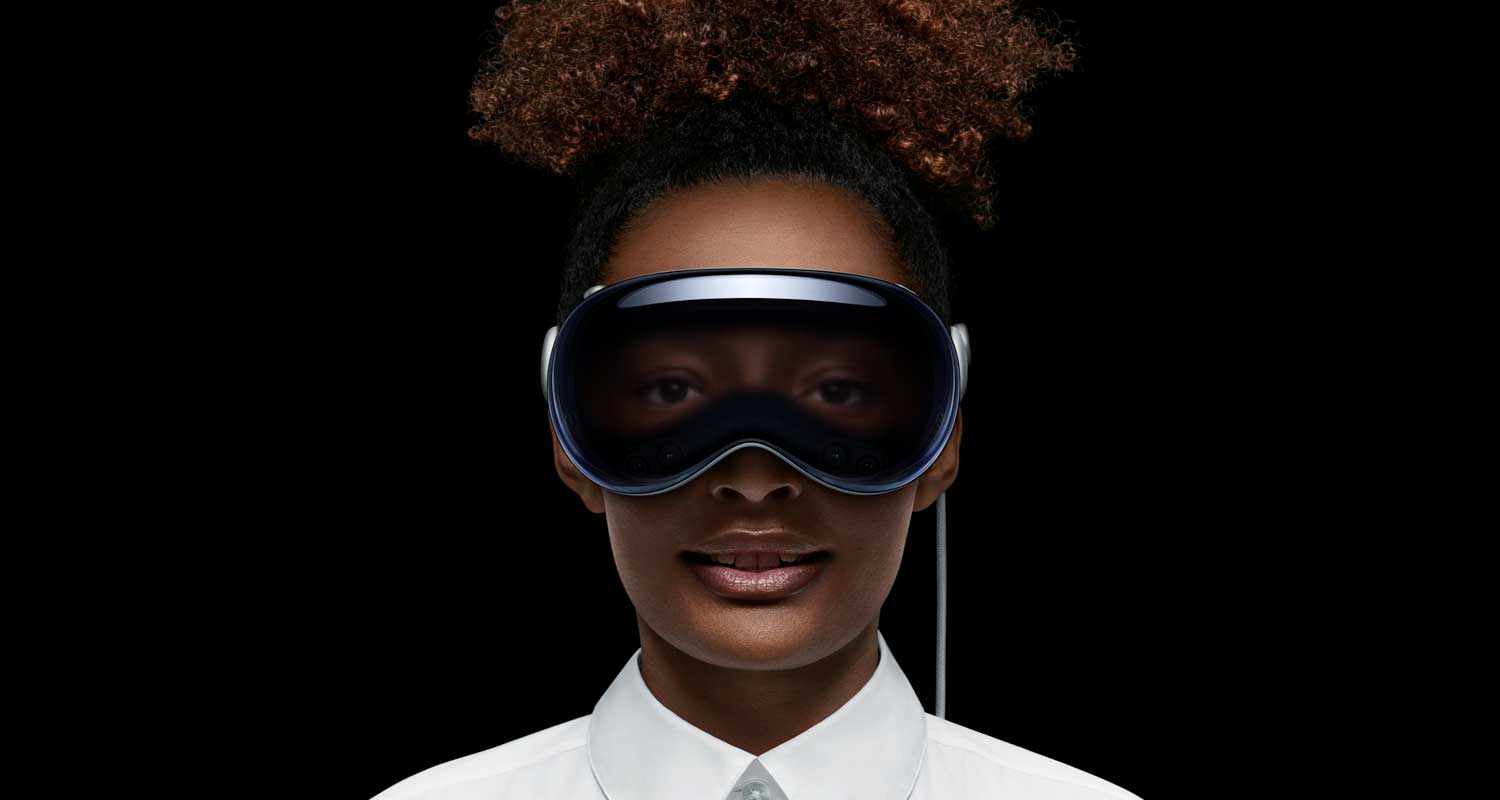 CEO Tim Cook’s original vision was to sell a pair of lightweight augmented reality spectacles that users could wear all day. The technology for such a device wasn’t ready yet, so Apple had to compromise with a bulkier headset that melds AR with virtual reality.
The challenge now will be making the Vision Pro lighter and cheaper, getting it closer to something that a typical consumer might buy. The company is indeed working on such a product, but that will take time. It’s also developing a business-focused model that tethers to a computer, as well as a faster version of the current design.
4. Crumbling Google search deal
Though Apple makes the vast majority of its sales from hardware, services have become a vital piece of revenue. One of the most lucrative areas: the fees that Apple collects for preferred placement of Google’s search engine. The iPhone maker gets an estimated $20-billion/year from that deal, which involves Apple taking a percentage of Google’s ad revenue.
But an antitrust lawsuit against Google has put that money in jeopardy. One of the US government’s main allegations in the case is that the arrangement with Apple is illegal. If the government breaks up the deal, as expected, Apple will be out some $20-billion/year and will need to find a new approach. The company has already signalled it’s open to working with AI providers instead, including Perplexity and Google’s own Gemini offering. Apple also already hooks into OpenAI’s ChatGPT via Siri.
5. App Store business and developer relations
In April, a federal judge in California upended Apple’s App Store business model, forcing the company to allow developers to steer consumers to the web to pay for in-app purchases. That means the company risks losing the commission on things like subscriptions and in-game upgrades. While this will start in the US, the assumption is that Apple will eventually need to extend the policy to other countries as regulators request it.
In order to compete with third-party payment processing servers on the web, the company will likely need to adjust its commission structure to be cheaper for developers — another shift that could ultimately lower App Store revenue. At the same time, the company has to mend fences with developers, many of whom still feel exploited by the App Store system.
 6. Global regulations and government scrutiny
The US justice department and 16 attorneys general filed a suit in March 2024 alleging that Apple policies make it harder for rivals to compete and for consumers to switch phones. The complaint highlights five areas where Apple allegedly suppresses competition: so-called super apps, cloud streaming games, messaging software, smartwatches and digital wallets.
Even before the suit, Apple had been addressing some of these concerns. The company added support for cloud-based gaming services and is adopting the RCS cross-platform messaging standard. Apple argues that the lawsuit is “wrong on the facts and the law” and has vowed to “vigorously defend against it”. But the legal battle is expected to take years.
Read: Sam Altman and Jony Ive’s big bet to out-Apple Apple
In Europe, Apple is contending with the Digital Markets Act, a law that took effect last year. It poses its own threat to the company’s “walled garden”, the ecosystem that encourages users to buy Apple products and services. Under the new regulations, customers are able to download software from outside the App Store for the first time in the EU. Users can also tap alternative payment systems and more easily choose a new default web browser — addressing two frequent gripes of developers and regulators.
Apple has long fought such changes, arguing that they’ll undermine the user experience and the security of its software. The company has agreed to take a smaller commission on App Store purchases, but still added some additional fees that have drawn indignation from developers. The bigger danger for Apple is the splintering of a business model that generates tens of billions of dollars a year.
7. Tariff threats and manufacturing shifts
Apple manufactures the vast majority of its products in China, making it especially vulnerable to President Trump’s tariff threats. That was thrust into the spotlight in April, when the administration announced levies as high as 145% on the country. Though the president has backed off on some tariffs — while threatening new ones — Apple has accelerated plans to shift more production to India.
Even with the changes, Apple will likely be forced to raise prices when it launches new iPhones and other devices in September. It’s also unclear if it can resolve the crisis. Trump isn’t happy with the India plan and wants the iPhone to be manufactured domestically. He has said that new tariffs will be slapped on all smartphones produced outside the US. Within Apple, the idea of making iPhones at home is seen as prohibitively expensive.
8. Executive succession
Cook has been Apple CEO since 2011, when he took the reins from co-founder Jobs. Since then, he’s led the company into new areas, including wearable devices, digital content and larger iPhones. Under his watch, Apple became a $3-trillion behemoth and one of the most powerful companies in history.
Cook is turning 65 this year, and that’s raised the question of succession. One issue for the company is that many Cook lieutenants are roughly the same age he is. That means there are fewer obvious successors — and much of the executive suite will probably retire around the same time.
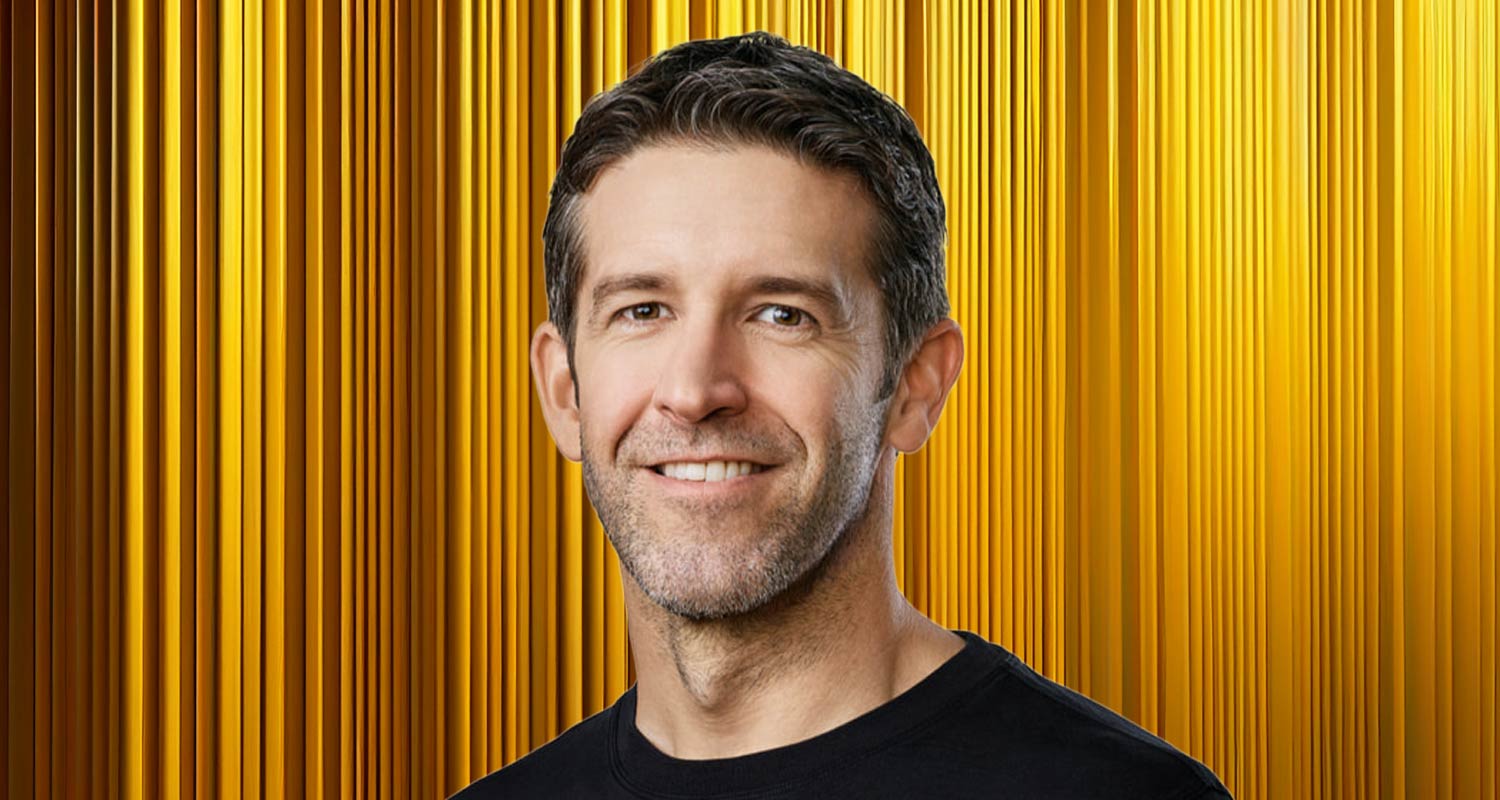
When Cook ultimately steps down, he’s likely to take an executive chairman role, easing the transition. The leading contender to replace him as CEO is the youngest member of his team: hardware chief John Ternus. But no matter how smooth the handoff is, Cook will be a tough act to follow.
9. China sales slowdown
Apple has been contending with a downturn in China for the past few years, and the problem isn’t going away. Sales from the country fell more than 2% in the fiscal second quarter, worse than Wall Street feared.
Homegrown Chinese brands such as Vivo have been gaining ground, and the government has imposed bans on foreign technology in some workplaces. As geopolitical tensions with the US mount, Apple’s reliance on the country — as both a market and manufacturing hub — is looking more risky.
10. Lingering smartphone slump
Apple’s iPhone 16 line-up went on sale in September, and the company heavily marketed its AI features in a bid to get more consumers to upgrade. The early results weren’t promising. The company’s smartphone revenue fell 1% during the December quarter, its most important sales period of the year.
In February, Apple sought to spur another wave of sales with a new low-end phone. It replaced its ageing $429 iPhone SE with a $599 iPhone 16e, a modernised device that more closely resembles a regular iPhone 16. But the company also bumped up the price to $599 from $429, putting the new model well above rival low-end offerings.
The bigger challenge: many consumers still lack a compelling reason to upgrade their phones — and that may be more true if prices rise.
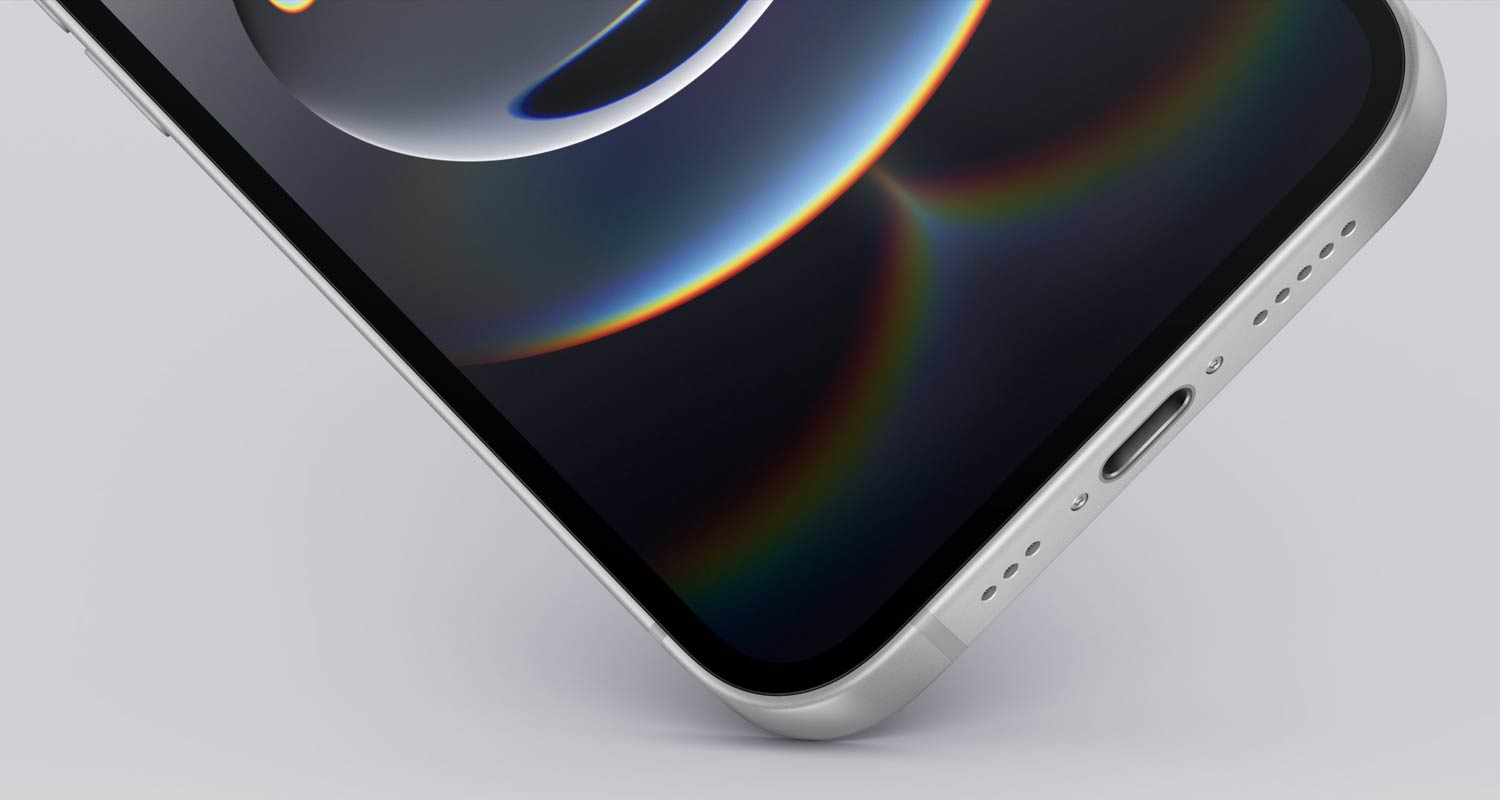
The good news is Apple has some more groundbreaking models on the horizon that should help entice shoppers. That includes a foldable model for 2026 and a revamped 20-year anniversary iPhone for 2027 with a sleek, glassy design. — (c) 2025 Bloomberg LP
Get breaking news from TechCentral on WhatsApp. Sign up here.