



A new technology promises to make your Web browser more private than ever, keeping your Internet activity from prying eyes. But some argue your data won’t actually be all that private.
A new technology promises to make your Web browser more private than ever, keeping your Internet activity from prying eyes. But some argue your data won’t actually be all that private.
Fifty years ago, a University of California Los Angeles computer science professor and his student sent the first message over the predecessor to the Internet, a network called Arpanet.

Some researchers continue to insist that simulating neuroscience with computers is the way to go. These efforts as doomed to failure because consciousness is not computable.
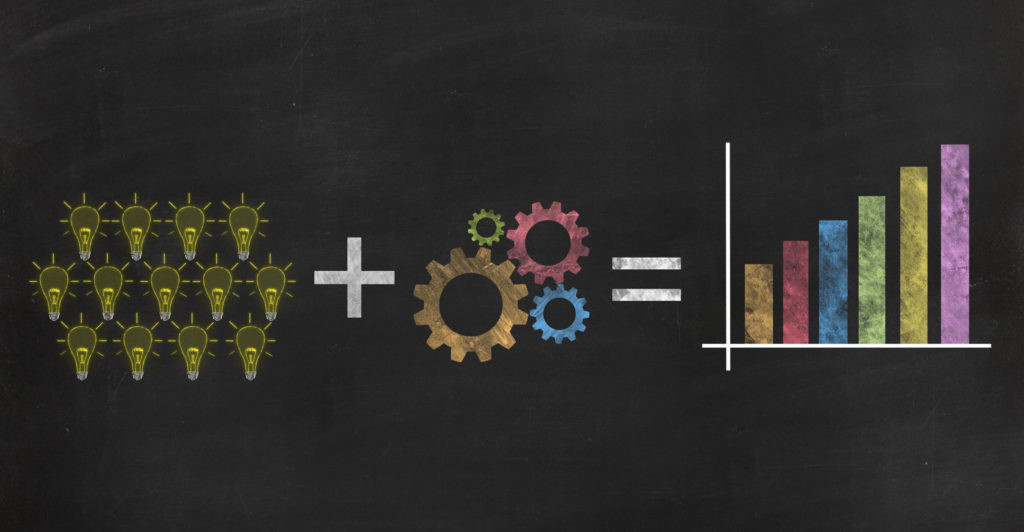
New research shows South African universities are good at producing academic papers, but not at translating them into innovations and patents. That needs to change.

The SABC has been in the news for all the wrong reasons in recent times. The question that needs answering is: what needs to be done to fix it?

Green roofs are credited with attenuating extreme temperatures by keeping the rooms below the roof cool in summer and warm in winter.

WeWork fails on nearly all the criteria which determine whether a tech start-up is likely to be successful in the long term.
Although most of us can distinguish between and remember hundreds of different faces, some people are better at it than others.
Japan and South Korea are showing no signs of resolving an escalating trade dispute, which traces back to 1910. It now poses a threat to the world’s technology supply chain.
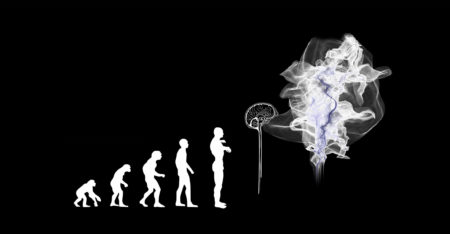
The theory that humans can be digitised and live on within the digital confines of a computer-based existence has been the subject of debate. But until recently, no one had taken the idea much beyond research and discussion.