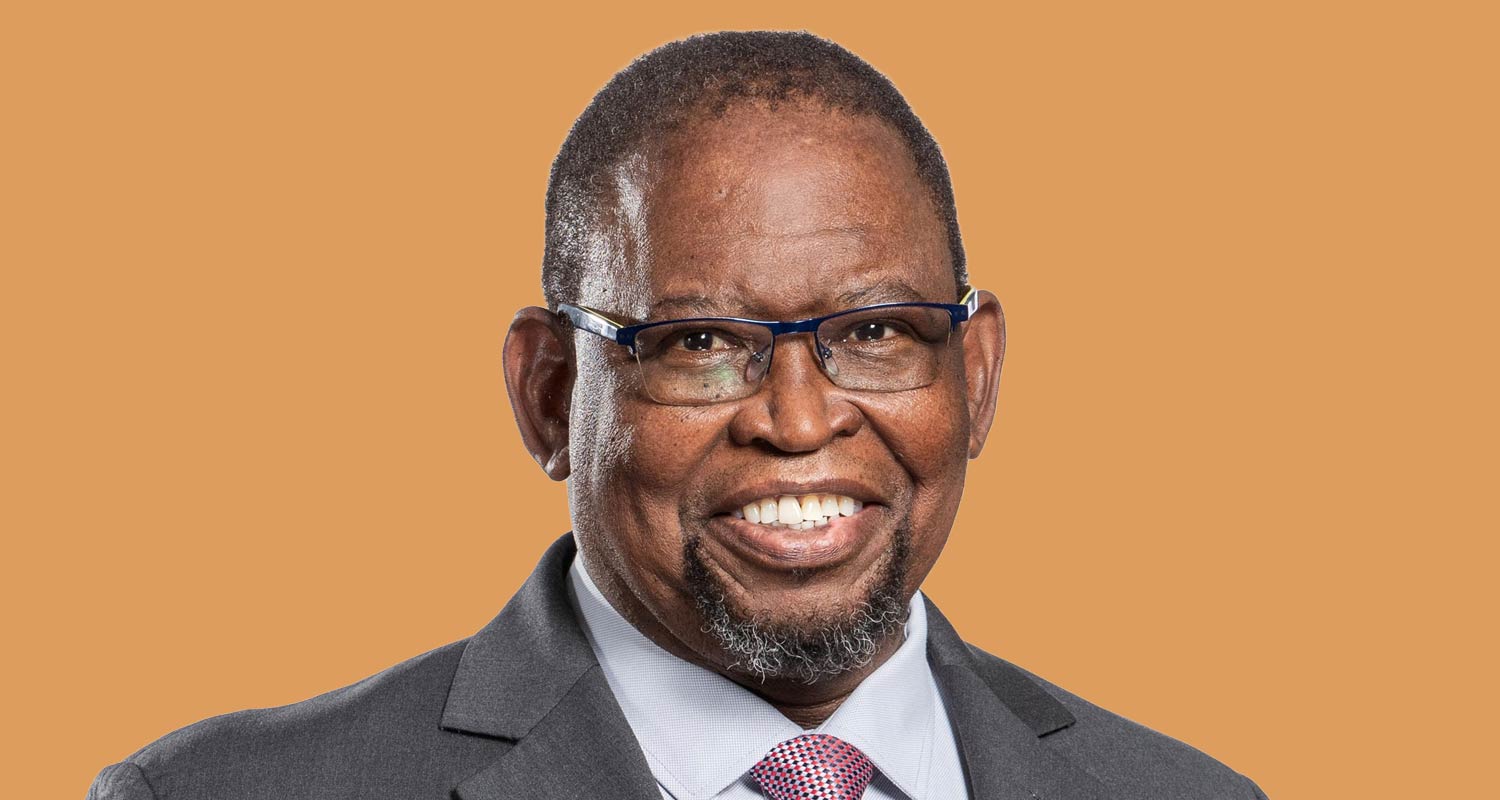
Finance minister Enoch Godongwana has accused government of substituting workshops and road maps for delivery on technology policy, pointing to a broadcast digital migration programme 16 years overdue and South Africa’s continued absence of an AI strategy.
Godongwana was delivering the keynote address at the Development Bank of Southern Africa’s annual results presentation in Johannesburg, where the bank reported a record net profit up 47% to R7.8-billion for FY2026, total assets of R130.5-billion and disbursements of R20.7-billion against a R15.5-billion target, with a clean audit from the auditor-general.
DBSA’s board authorised a R117.2-million dividend on 9 July. Godongwana used the platform, however, to address a wide range of topics, among them ICT policy failures.
“Sometimes in South Africa we’ve got a meeting. We say we run a workshop, we run that workshop. Others will run a workshop in provinces,” he said. “The culmination of the workshop will be a summit, and then a summit develops a road map, and then we go back to provinces and design strategies for implementing the road map. Then there are yet other workshops. The effect of it: we don’t deliver on time.”
His first example was digital migration. “We still have not moved on digital migration,” he said. “We said we wanted set-top boxes, and then after they developed them, we then said, ‘Okay, they must be manufactured by black people.’ By the time we get these things, they’re outdated.”
The programme is 16 years past its original December 2010 deadline and still has no switch-off date. Communications department director-general Nonkqubela Jordan-Dyani told parliament on 14 August that a date would be considered only once stakeholder engagements had run their course. Five provinces have been switched off; the heavily populated provinces of Gauteng, KwaZulu-Natal, the Western Cape and the Eastern Cape have not.
Draft policy withdrawn
The finance minister turned next to AI, citing the World Bank’s annual flagship report, which this year takes the technology as its subject. (He admitted he had skimmed it rather than read it.)
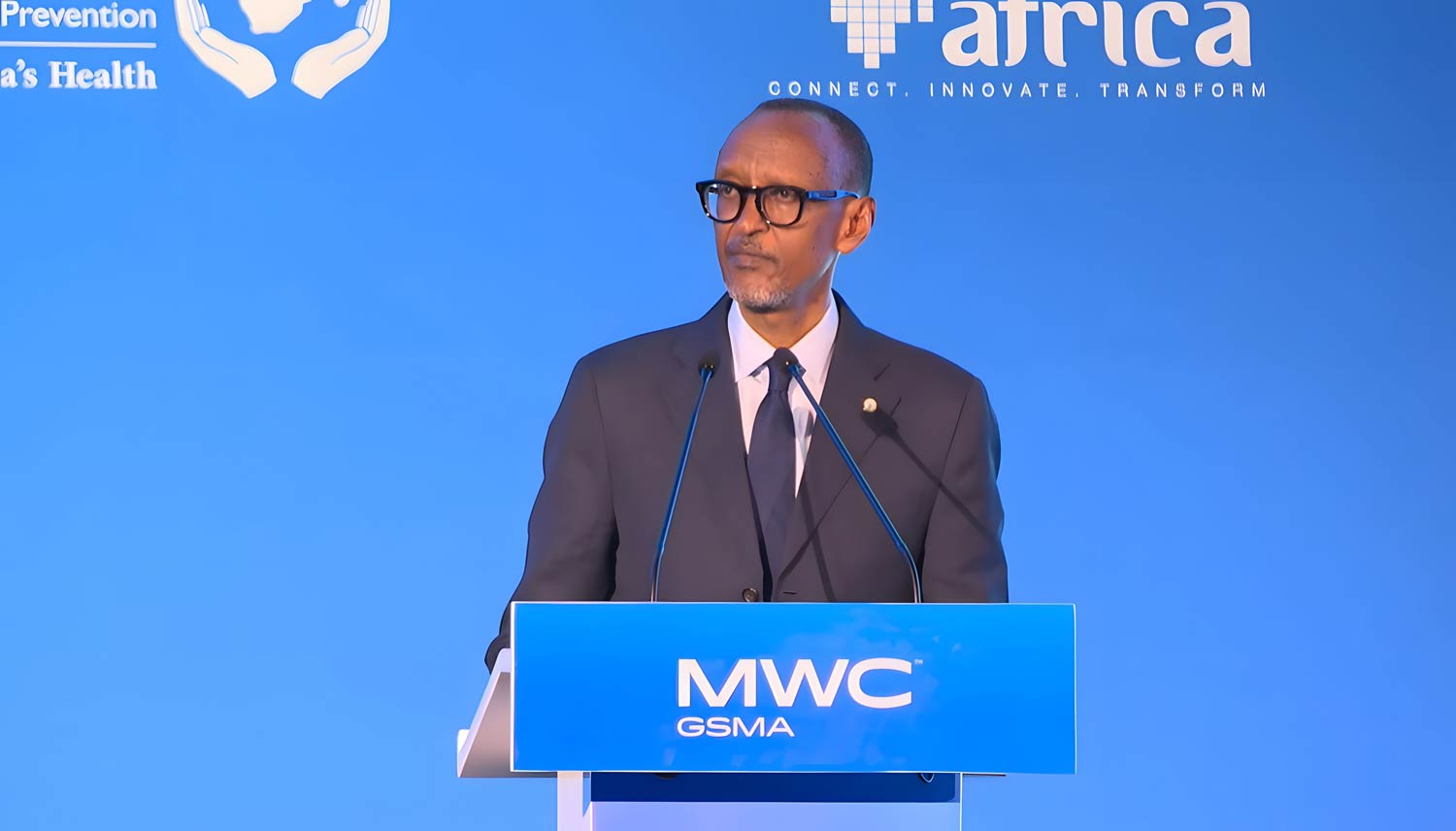
“About 25 low-income countries – we’re not part of them, we are in the middle income, according to the World Bank – of those 25 low-income countries, only one has got an AI strategy,” he said. “Who can guess? Rwanda. Some of these things are a function of leadership. You may disagree with [President Paul] Kagame, but he is a leader. He can get things done.”
The World Bank’s World Development Report 2026: The Promise of Artificial Intelligence, published on 4 August, found that of 25 low-income countries only Rwanda had a dedicated national AI strategy, against more than half of high-income economies and more than 80 countries in total by June 2026.
What he did not say is that the World Bank does not count South Africa among those 80 either, as TechCentral reported last month. The country’s draft policy was gazetted on 10 April and withdrawn 16 days later by communications minister Solly Malatsi after fabricated sources were found in its reference list. A revised draft is due at cabinet in November, with public consultation targeted for January 2027.
Godongwana also described a state that cannot say who owns the problem. “One department deals with cybersecurity, another leads something else,” he said. “We have to find a way of moving.” — © 2026 NewsCentral Media