
The retailer has launched a shoppable video feed in asap!, its second app feature in two months.
The retailer has launched a shoppable video feed in asap!, its second app feature in two months.





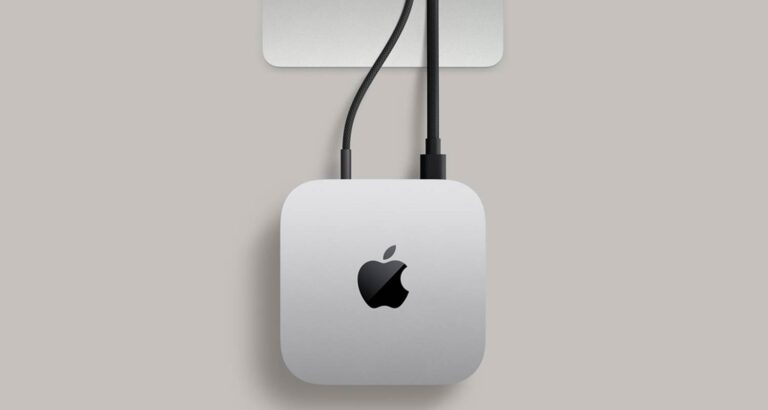
The last big launch of Tim Cook’s tenure comes as memory costs push prices up and always-on agents drive demand.
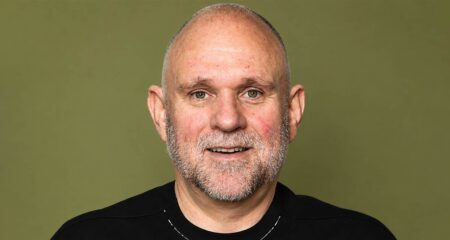
MTN alone has been pushing 90 million Sim cards a year, and says the base is riddled with bad registrations.

Group CEO Ralph Mupita wants an open system that routes tasks to the best frontier or open-weight AI models.

These are the articles, videos and more that caught the attention of TechCentral’s editorial team in the past 24 hours.

Google’s antitrust problems are coming home to roost.

Elon Musk has gone all-in to get robo-taxis onto roads, sacrificing a widely anticipated cheaper car.

Recently appointed communications minister Solly Malatsi is the guest in this episode of the TechCentral Show.

The South African Revenue Service has warned taxpayers that they need to disclose details of crypto investments – or else!

Home affairs minister Leon Schreiber said the new system will help attract global talent to the country and create jobs.
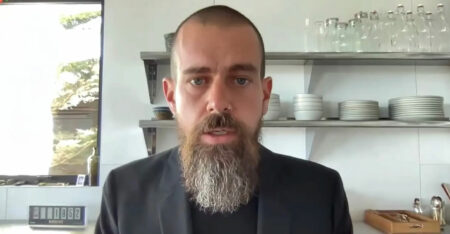
Elon Musk is seeking documents from Twitter co-founder Jack Dorsey as he pursues his legal fight to walk away from his $44-billion deal for the social media company.

Zoom cut its annual profit and revenue forecasts as demand for the video-conferencing platform cools off from pandemic highs.
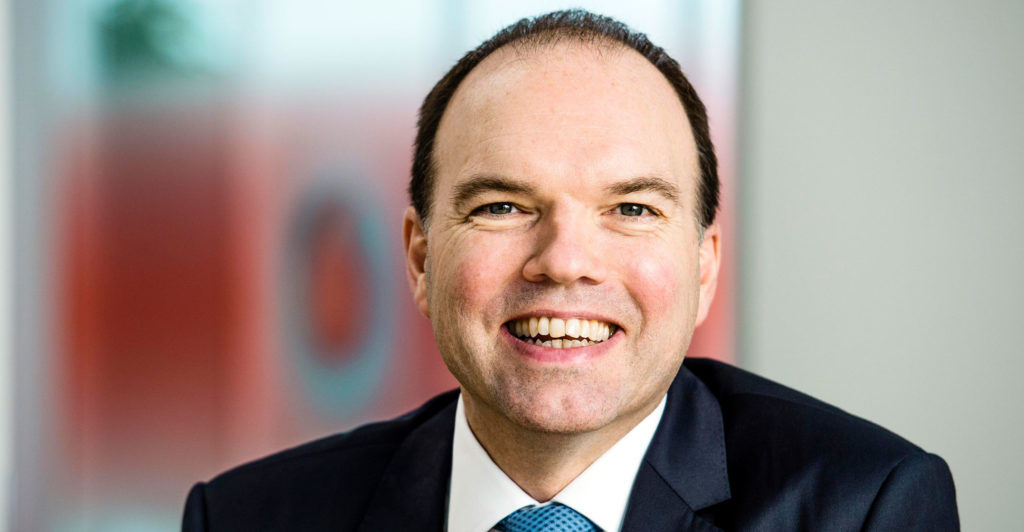
The Vodacom Group parent has agreed to sell its Hungarian unit in a deal valued at €1.8-billion as part of its plan to simplify its sprawling business.
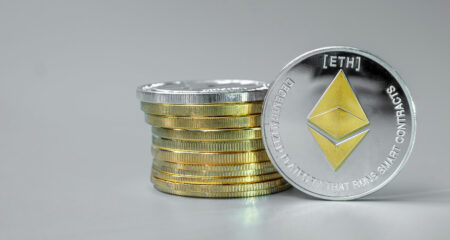
The much-anticipated upgrade of ethereum risks altering the power structure of what is arguably the most commercially important cryptocurrency network.

Meet the CEO is a new, weekly feature on TechCentral. The aim is to introduce our readers to the people behind the news by providing insights into the leaders shaping South Africa’s ICT industry. Our fourth interview in the
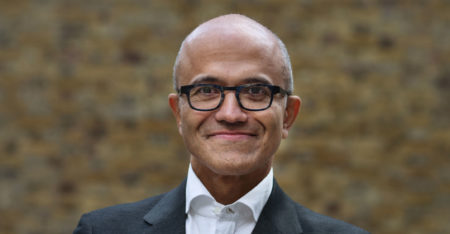
At Microsoft’s Dutch research facility at the Delft University of Technology, several large cylindrical metal tubes hang from the ceiling. Each tube – a dilution refrigerator used to cool circuits down to temperatures colder than