

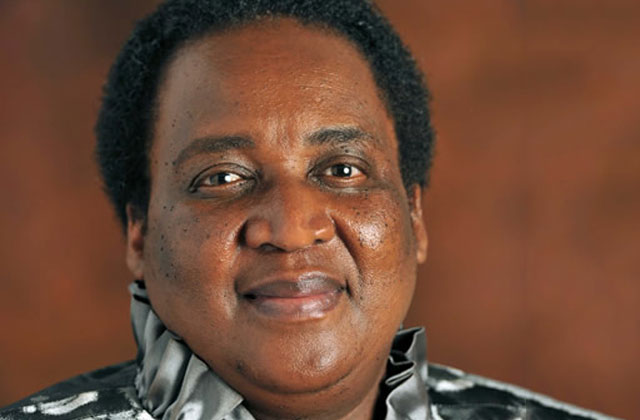
Labour minister Mildred Oliphant conceded on Tuesday that a meeting between cabinet ministers and South Africa’s four banks had taken place. However, she didn’t want to provide further details as the ministers were still to report back to cabinet
Labour minister Mildred Oliphant conceded on Tuesday that a meeting between cabinet ministers and South Africa’s four banks had taken place. However, she didn’t want to provide further details as the ministers were still to report back to cabinet
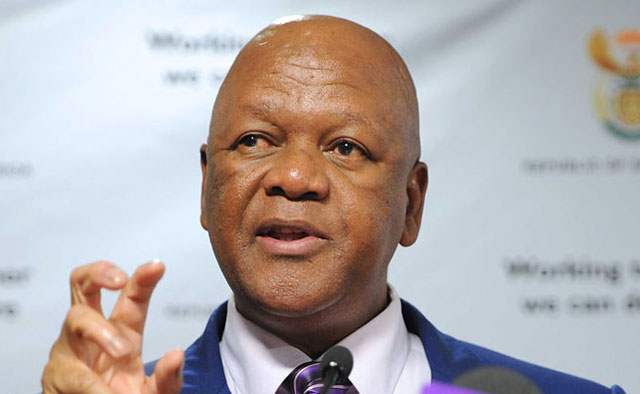
Cabinet was concerned that the decision by the country’s big four banks to cut ties with the Gupta-owned Oakbay Investments would deter investors, planning minister Jeff Radebe said on Friday. “While cabinet appreciates the terms and conditions of

Employees of Gupta-owned Oakbay Investments marched to major banks on Tuesday to demand that the company’s accounts be reopened. Armed with placards with phrases such as
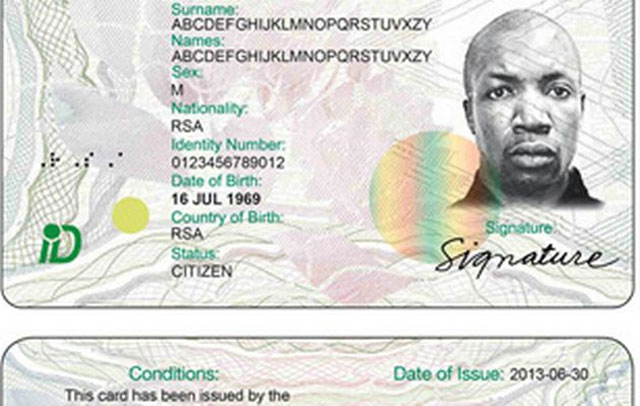
Cabinet has welcomed the official launch of the eChannel pilot project of the department of home affairs, which makes ID applications simpler through technology. The project was launched by President Jacob Zuma earlier this month. The new

About 7 500 employees at Oakbay Investments will lose their jobs at the end of May if the Gupta-owned company’s bank accounts remain closed, staff at the company wrote in an open letter

The Guptas and Duduzane Zuma resigned from Oakbay Investments and Oakbay Resources and Energy on Friday to facilitate the sale of the Optimum coal mine from Glencore to Oakbay, the Democratic Alliance claimed. Their resignation “is an insult
Gupta-owned company Oakbay Investments made contact with President Jacob Zuma and cabinet ministers to express its “deep disappointment” at banks closing its accounts, it was revealed in a leaked letter to staff on

Absa has warned its clients of downtime across its electronic channels this weekend as it upgrades its systems to “improve infrastructure stability”. The systems are expected to go offline at 10pm on Saturday evening and return to service

First National Bank has closed the accounts of Gupta family-controlled Oakbay Investments, prompting Oakbay to demand an explanation from FNB CEO Jacques Celliers. FNB’s decision

South Africa’s big four retail banks have been steadily cutting the number of (costly) branches in recent years. That’s no surprise, given the shift in transactional banking to electronic channels. Those transactions that still need some form of physical