
Twitter said monthly users dropped by a million in the second quarter, and predicted that number will decline further as the company continues to fight against spam, fake accounts and malicious rhetoric.
Twitter said monthly users dropped by a million in the second quarter, and predicted that number will decline further as the company continues to fight against spam, fake accounts and malicious rhetoric.

After all the controversy Facebook has generated in recent months, it seemed almost inevitable that at some point the social media giant would get what it had coming. A reckoning.

Cell C appears to be stepping up to try to take market share from rival MTN by appealing to consumers hungry for cheap access to social media platforms.

Facebook has racked up plenty of milestones in its pioneering journey. Now the social media giant is poised to add one it would doubtless rather avoid: the biggest stock market wipe-out in American history.
Facebook on Wednesday reported second quarter sales and user growth that fell short of analysts’ projections. And the company told Wall Street the numbers won’t get any better this year.

Facebook was pummelled by public criticism over privacy issues during the second quarter. Don’t expect to see much evidence of that turmoil in Facebook’s earnings report on Wednesday.

Online disinformation and the spread of deceptive political messages are pernicious, but they aren’t necessarily the worst abuse of social networks by governments and political actors.
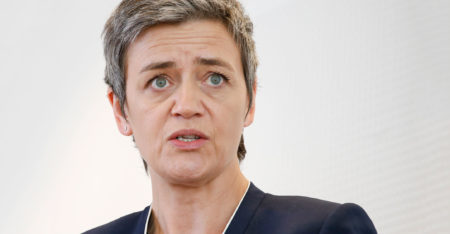
European Union competition commissioner Margrethe Vestager coolly hit Google with a €4.3-billion fine last week, the biggest penalty in the history of antitrust enforcement. It didn’t have to be that way.
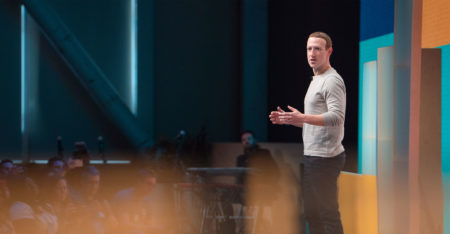
Facebook CEO Mark Zuckerberg has walked back on comments that appeared to defend Holocaust deniers, after trying to explain how careful the social-media giant tries to be before kicking people off the
Facebook bestrides the Earth. It attracts nearly 1.5 billion users a day, commands a fifth of global online advertising revenue and has a market capitalisation that exceeds the GDP of many countries. But breaking it up is the wrong approach.