
Once upon a time, Facebook allowed academic researchers access to its data. We know how that story ends: with the Cambridge Analytica scandal.
Once upon a time, Facebook allowed academic researchers access to its data. We know how that story ends: with the Cambridge Analytica scandal.

While lamenting abusive conduct on Twitter, CEO Jack Dorsey said any move to block content based on political or social views would stoke already rising concern about the power of social media companies.

Social media platforms now shape public discourse as powerfully as newspapers and magazines did a generation ago, perhaps more so.
Google may be about to pair all that data it has on users’ Web browsing with the ads displayed on public billboards. Creepy? Maybe. Inevitable? Almost certainly.

There is a lot of debate in the investment industry about whether the high valuations of global technology stocks are sustainable.

The Chinese Internet giant, in which South Africa’s Naspers holds a 31.2% stake, has tumbled 25% from its January peak, erasing about $140-billion of market value.

When it comes to digital privacy, there are plenty of organisations making money out of using your data. But what if you were the one making the money?
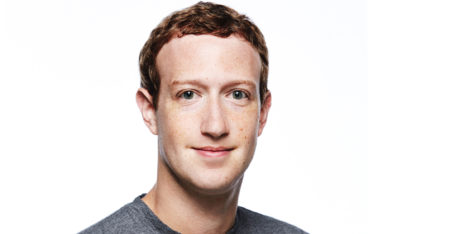
Facebook has always had one absolute leader, cemented by a share class structure that maintained Mark Zuckerberg’s voting control even when he sold millions of shares. Some investors want change.

For a technology sector on the verge of begetting two trillion-dollar companies in Amazon.com and Apple, the requirements are getting daunting.
What happened? That’s what many of Facebook’s investors have spent the last 18 hours wondering.