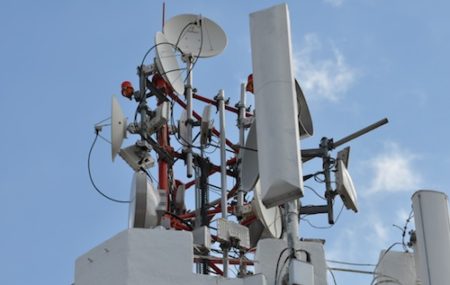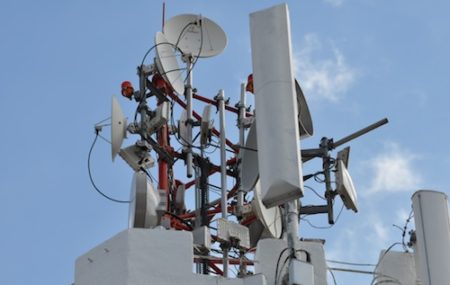
SA’s mobile operators are upset at the growing delays they face in having environmental impact assessments concluded for the construction of new base stations. They say it’s holding back the sector. Cell C CEO Lars Reichelt used a media briefing earlier this week to criticise municipal bureaucrats for the lengthy delays.
Browsing: MTN
Bandwidth on the East Africa Submarine System (Eassy), a new, 10 000km-long submarine fibre-optic cable on Africa’s east coast, is now available from Neotel and MTN, the two telecommunications operators announced at a press conference on Thursday. At the same time, the design capacity of the system has almost been trebled, going from 1,4Tbit/s to 3,8Tbit/s, making it the fastest cable system serving the African continent. However, only 60Gbit/s on that capacity has been “lit up” so far.
Cell C is like a new company. In a presentation to media on Wednesday morning, CEO Lars Reichelt set out a radical new strategy and unveiled a revitalised brand image for the mobile operator. It may still be SA’s smallest cellular network by market share — Telkom hasn’t launched its mobile business yet — but under Reichelt, who was appointed to the job last year, Cell C is fast becoming the market’s feistiest player.
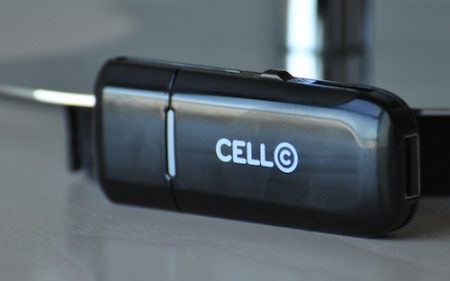
Cell C’s R5bn broadband mobile network will be launched in about three weeks, says its CEO, Lars Reichelt. The third-generation (3G) network, which is capable of theoretical download speeds of up to 21Mbit/s, will be launched in phases across six cities.
Catching up with the incumbent mobile operators, Cell C will finally begin selling the BlackBerry and its services in a move that will better position SA’s smallest mobile operator in the business market. Until now, the Blackberry devices and the BlackBerry Internet Service (BIS) have only been available from MTN and Vodacom.
MTN, Africa’s largest mobile operator, has invested R22m to develop a power-generation plant that it says will halve its electricity costs. The new plant, which MTN dubs the “tri-generation plant”, will be driven by methane gas, which is plumbed directly into the plant from a gas pipeline 5km away from its head office in Fairlands, west of Johannesburg.
Trading on the cash equities market at the Johannesburg Stock Exchange was still halted by early Tuesday afternoon following a technical problem. It’s the second time in a month that technical problems have prevented trading on the local bourse. A similar closure on 12 July was attributed to an international connection problem between the stock exchange and MTN.
Mobile operators are appealing to the department of justice to extend the deadline of the Regulation of Interception and Communication Act (Rica), says Vodacom Group CEO Pieter Uys. The act requires that all telecommunications providers and Internet providers register customer details, including their ID numbers and physical addresses. The process has to be completed by January next year, after which unregistered customers have to be cut off from the networks.
In spite of a solid performance in mobile data, SA’s largest telecommunications operator, Vodacom, has reported flat group revenue growth of 3% in the first quarter of its 2011 financial year. The company released its trading statement for the three months ended 30 June 2010 on Thursday, saying that although international markets are stabilising, weaker African currencies and a strong rand hampered growth.
Want to phone someone on Vodacom? Rather than dialling “082”, you may soon have to dial “882” instead. Draft regulations governing the phone numbering scheme SA uses could mean that every phone number in the country will have to change. The Independent Communications Authority of SA (Icasa) has released draft numbering plan regulations that could result in South Africans having to learn a raft of new dialling codes if fully implemented.