

The World Bank has warned that here is a risk that most of the potential economically active population could be left behind, with the pandemic permanently impairing the country’s long-term prospects.
The World Bank has warned that here is a risk that most of the potential economically active population could be left behind, with the pandemic permanently impairing the country’s long-term prospects.
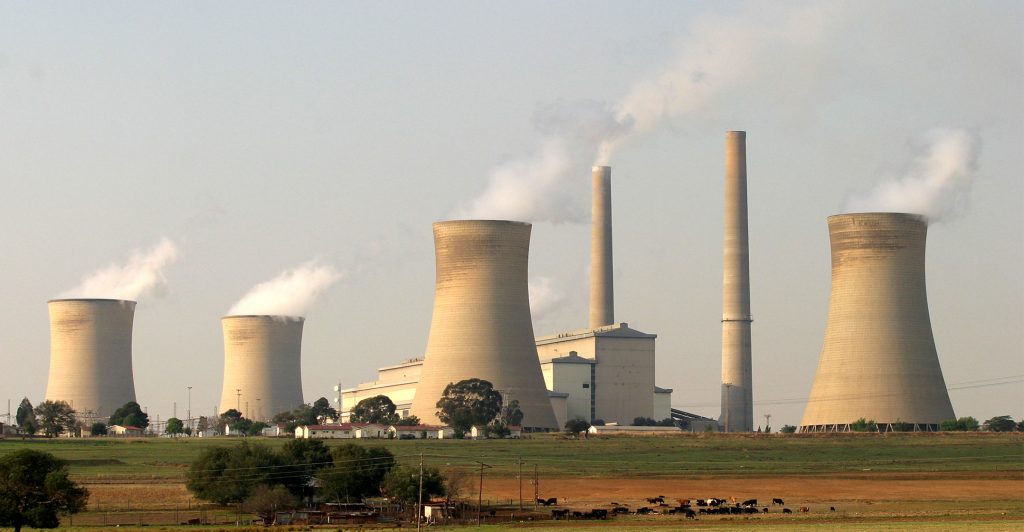
Eskom is pitching a R140-billion plan to global lenders that would see it shut the vast majority of its coal-fired plants by 2050 and embrace renewable energy.
The Covid-19 pandemic is fuelling a boom for Africa-focused money transfer companies, despite predictions from the World Bank of a historic 20% drop in remittances to poorer countries this year.
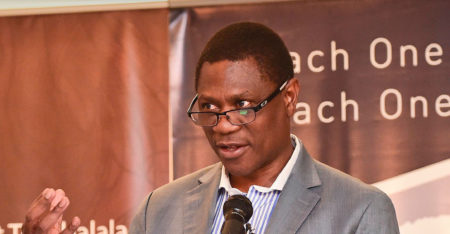
South Africa plans to announce a R350-billion infrastructure programme after talks with the private sector and multilateral lenders, said Paul Mashatile, the treasurer-general of the ANC.

Sub-Saharan Africa will post its first recession in 25 years as the coronavirus pandemic brings economies to a halt and disrupts global trade, the World Bank said.
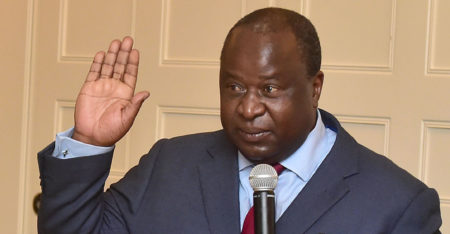
South Africa may approach the International Monetary Fund for the first time ever to help with funding to deal with the fallout from the coronavirus outbreak, the Sunday Times reported, citing finance minister Tito Mboweni.

The World Bank is the first key institution to cut its economic growth forecast for South Africa to below 1% for 2020 due to electricity supply concerns.
The risk of South Africa’s struggling state power utility going bust doesn’t appear to faze one of its biggest creditors: the World Bank.

The head of the World Bank has compared cryptocurrencies to “Ponzi schemes”, the latest financial voice to raise questions about the legitimacy of digital currencies such as bitcoin. “In terms of using bitcoin or some of the
The idea of taxing cross-border remittances has been raised in some countries recently, especially in the Middle East. Although this is not a South African conversation – not yet, anyway – it has been highlighted elsewhere as a way for governments