
The tech landscape is pockmarked with as many missteps and failures as it is by triumphs. These tech failures offer an opportunity to understand the intricate interplay of market forces, technological limitations, human factors and strategic miscalculations that can derail even the most promising ventures.
TechCentral has a look at some of the biggest tech flops of all time.
Hardware headaches
Several promising hardware products have stumbled despite significant investment and initial hype.
Nintendo’s Virtual Boy, marketed as a virtual reality gaming console, failed to live up to its promise. Launched in 1995, it was a bulky, unresponsive and overpriced piece of gaming hardware with a frustrating operating system and a limited selection of games.
Rumours suggested it could cause back problems and impaired vision. A product that fails to deliver on its core promise and creates a negative user experience is unlikely to succeed, regardless of the brand name behind it.
Then there’s Microsoft’s Zune, which was intended to compete with the Apple iPod in the MP3 player market. It failed to gain significant traction and was discontinued in 2015. While the Zune was a perfectly functional product, it entered the market too late, after Apple had already established a dominant position with the iPod and its iTunes ecosystem.

The Zune lacked compelling differentiating features to entice consumers to switch from the established market leader. Even with the vast resources of a major tech company, entering a market late without a clear advantage was always going to be a formidable challenge.
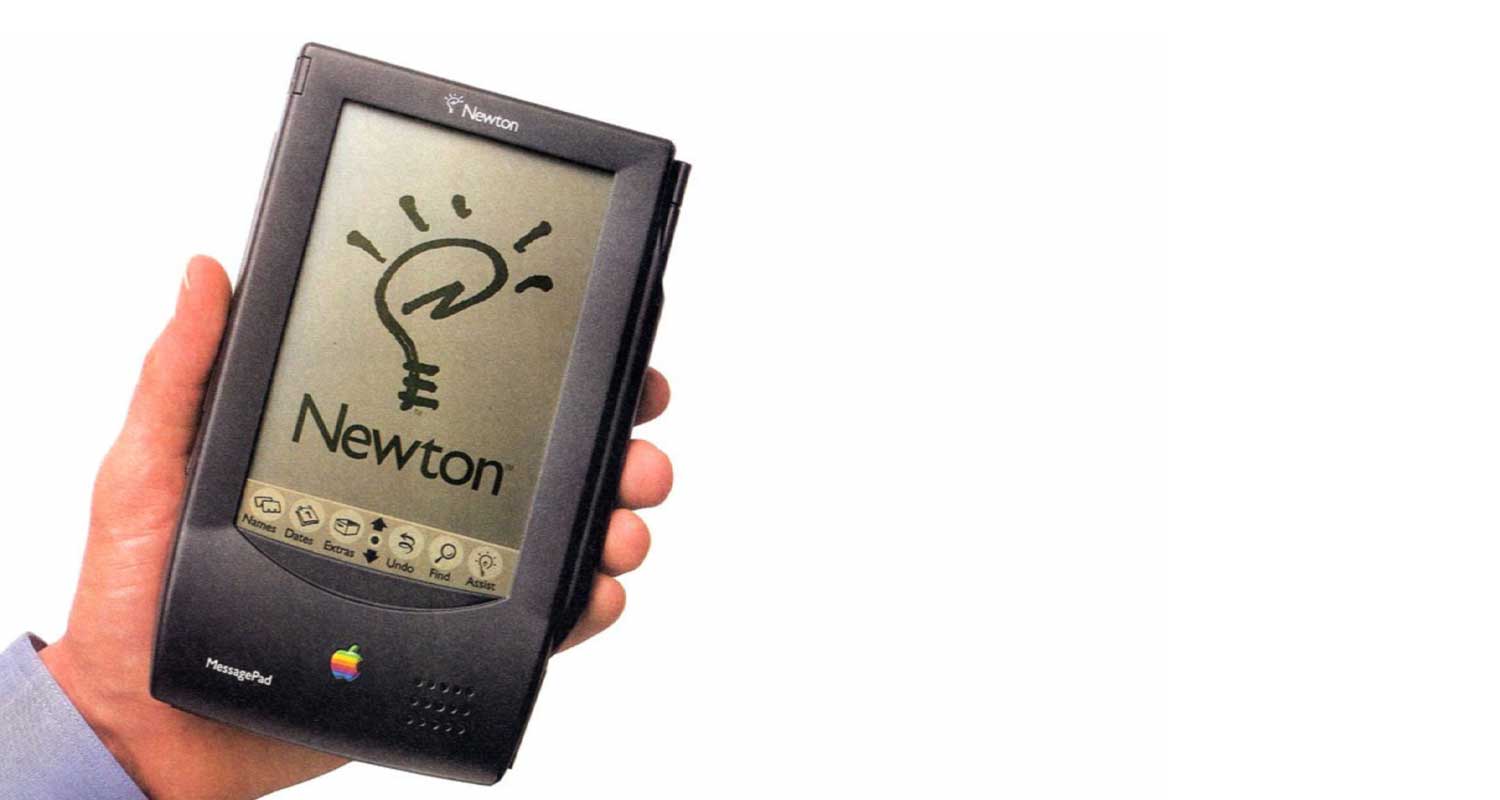
Apple itself is not without its flips. The Newton, a personal digital assistant (PDA) introduced in 1993, also failed to achieve commercial success. Despite its innovative features like touch-screen capability and portable design, which foreshadowed the iPad, the Newton suffered from a high price point and unreliable handwriting recognition.
The market in 1993 was also not yet ready for a device positioned between a PC and an electronic organiser. Despite its initial failure, the Newton’s development provided valuable lessons that contributed to Apple’s later successes in the mobile device market. This illustrates that even unsuccessful products can contribute to future innovations by providing crucial learning experiences.
Google Glass, launched with considerable hype in 2012, ultimately failed to achieve mainstream adoption. The augmented reality glasses faced significant hurdles, including a high price tag, substantial privacy concerns that led to social awkwardness and the “Glassholes” moniker, limited functionality and a lack of a compelling “killer app” for everyday users. While the consumer version was discontinued, Google has found more success with enterprise applications of the technology.
The Samsung Galaxy Note7, launched in 2016, was initially well received. But it quickly became infamous due to critical battery defects that led to explosions and fires. The issues stemmed from two distinct battery problems:
- The first involved irregularly sized battery cells that were too large for the phone’s design, causing them to short-circuit during normal use. Samsung had opted for a very high energy density and compact battery to enhance competitiveness.
- The second issue emerged after the initial recall, when replacement phones were rushed into production. These new batteries suffered from a lack of insulation tape at the anode, which also led to short-circuiting. Compounding this, the irregularly sized battery from the first issue could cause the phone to warp slightly, bringing the two layers of the battery’s semiconductor into contact, potentially leading to ignition.
Reports of battery-related incidents, including burns and property damage, surfaced within two weeks of the phone’s global launch. Samsung issued a voluntary recall of about two million units. However, when news broke that even the replaced phones were exploding, Samsung was forced to halt all production and sales of the Galaxy Note7, cancelling the product entirely.

The failure had significant financial and reputational consequences for Samsung, with estimated revenue losses exceeding $5-billion. It severely damaged the company’s reputation for safety and reliability and led to class-action lawsuits.
Software snafus
Software and platform failures have also had significant consequences over the years.
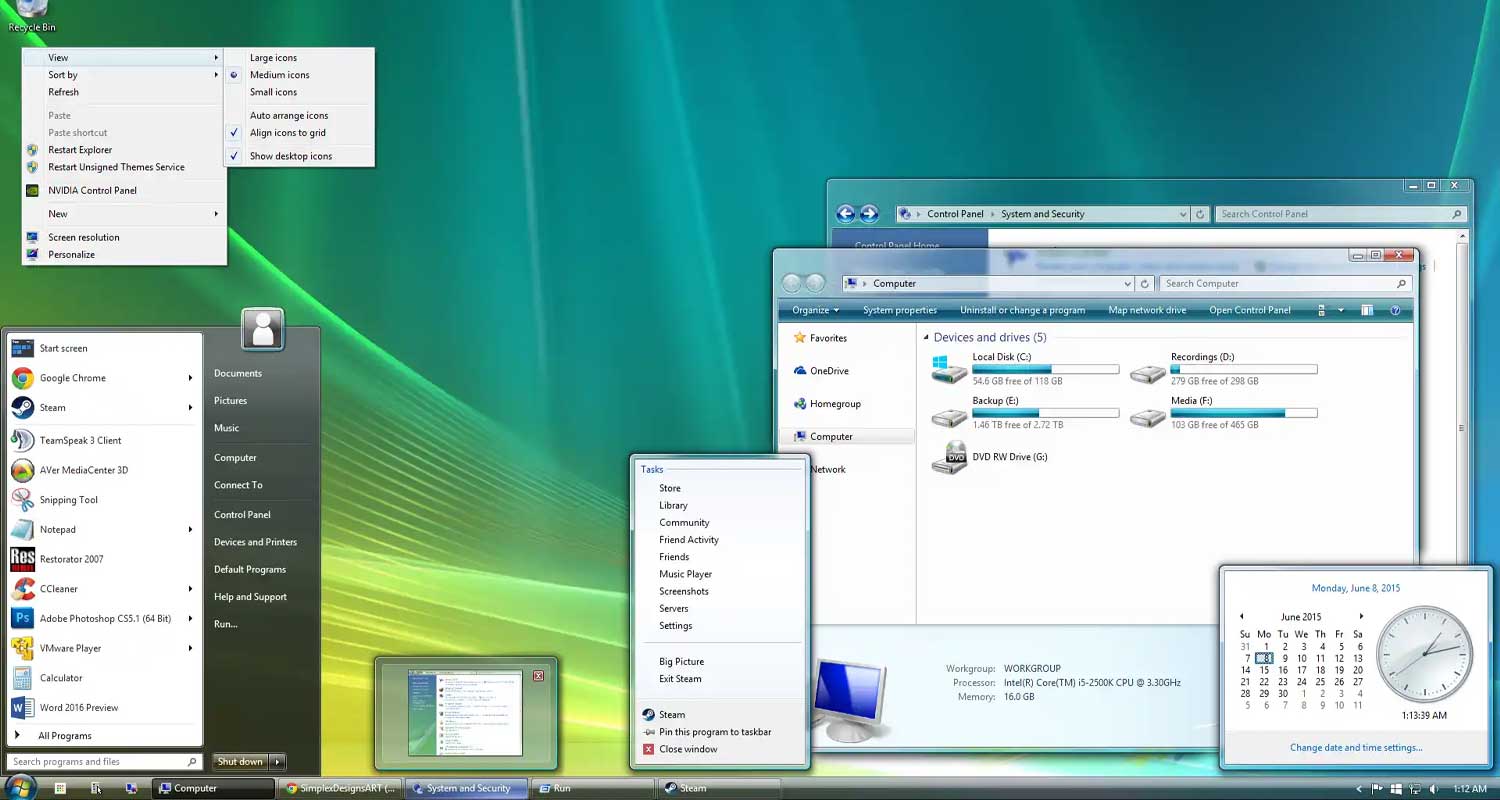
Windows Vista, released in 2007, faced widespread criticism for its resource-heavy nature and compatibility issues.
Many users found that it slowed down their computers and was incompatible with existing hardware and software, negatively impacting Microsoft’s reputation.
This demonstrates the importance of optimising software performance and ensuring compatibility within the existing technological ecosystem. A poorly performing operating system can lead to user frustration and damage brand loyalty.
And it wasn’t the first time Microsoft had released buggy, bloated operating system code: Windows Millennium Edition, released at the turn of the century, was an embarrassing mess that crashed constantly.
Microsoft was never guaranteed to become dominant on the desktop. It did so after IBM fumbled the launch of OS/2. Initially developed jointly by IBM and Microsoft, the product was meant to succeed the command line-based MS-DOS.
Launched in 1987, the partnership dissolved in the early 1990s due to strategic and cultural differences. IBM sought to use OS/2 to drive sales of its own hardware, while Microsoft favoured an open hardware ecosystem.
Early versions of OS/2 (1.x) were 16-bit and designed for the Intel 80286 processor, which limited its compatibility with DOS applications and delayed the release of a full 32-bit version (OS/2 2.0) until 1992. By this time, Microsoft’s Windows 3.0 (released in 1990) was already dominant in the market, giving Windows a significant head-start in the 32-bit era.
Read: Post Office has cost taxpayers R10-billion in 10 years
Despite OS/2’s technical superiority in stability and pre-emptive multitasking compared to Windows 3.1 and early Windows 95, it struggled due to a lack of device drivers for non-IBM hardware and a scarcity of native applications. IBM’s attempts to market OS/2, including a multimillion-dollar campaign for OS/2 Warp 3 in 1994, were largely unsuccessful against Microsoft’s aggressive marketing and perceived anticompetitive practices. IBM continued to release updated versions until 2001, with support ending in 2006, but OS/2 never gained significant market share against Windows.
Apple’s been there, too. Its Apple Maps software, released as the default mapping application in iOS 6, was met with significant user dissatisfaction. The initial version had numerous inaccuracies, was missing features and had a poor user experience compared to Google Maps. User trust can be quickly lost when core functionalities fail to meet expectations. Apple has now caught up, though.
 And let’s not forget about Facebook Home, an attempt to integrate Facebook into the Android operating system. Launched in 2013, the aim was to place Facebook at the centre of the user’s mobile experience. However, its intrusive nature, limited appeal beyond heavy Facebook users and the way it altered the fundamental functionality of Android led to its rejection by most users.
Quibi, a streaming service focused on short-form, mobile-only video content, was launched in 2020 but shut down after just a few months. Despite significant investment and high-profile creators, Quibi struggled due to high subscription fees for short-form content, and its launch coincided with the Covid-19 pandemic when people had more time for longer-form content on larger screens. It flopped.
Google+, Google’s attempt to enter the social media market, ultimately failed to compete with Facebook. Despite being integrated with other popular Google services, Google+ struggled to differentiate itself and lacked a compelling reason for users to switch from the already established Facebook. The network effects inherent in social media make it challenging for new platforms to gain traction without a truly unique offering that addresses unmet user needs.
The Theranos saga
The story of Theranos, a healthcare start-up founded by Elizabeth Holmes, stands out as a particularly compelling and cautionary tale of greed and ambition gone awry. Holmes claimed to have developed revolutionary blood-testing technology that could perform hundreds of tests using a single drop of blood from a finger prick, using a proprietary machine called “Edison”.
This vision attracted significant investment, valuing the company at billions of dollars. However, the reality was that the Edison machine did not function as advertised, and Theranos relied mainly on traditional blood-testing equipment while concealing this from investors, partners like Walgreens and Safeway, and the public.

The test results produced by Theranos were often inaccurate and unreliable, potentially endangering patients who relied on them for critical health decisions. Investigations and whistle-blower reports eventually exposed the fraudulent nature of Theranos’s claims, leading to the company’s downfall and legal consequences for Holmes. The “fake it till you make it” mentality, when taken to such extremes and involving potential harm to individuals, can have devastating consequences.
IT disasters and the ripple effect
IT failures can have far-reaching consequences in today’s interconnected world. A recent example is the Microsoft global outage in July 2024, triggered by a faulty update from cybersecurity vendor CrowdStrike.
The outage caused widespread disruptions across various sectors, including banks, airlines and broadcasters, affecting millions of Windows users globally and resulting in significant financial losses.
The incident demonstrated the fragility of our reliance on complex software systems and the importance of rigorous testing and robust rollback mechanisms for software updates.

In 2017, Amazon Web Services experienced a major outage caused by a human typo during a debugging session. This seemingly minor error had a domino effect, causing chaos for countless websites and services that relied on AWS infrastructure. Companies also realised the risks of overreliance on a single provider.
Facebook experienced a huge global outage in October 2021 that lasted for several hours, affecting billions of users across Facebook, WhatsApp and Instagram. The cause was identified as a system bug that prevented staff from fixing a faulty command. – © 2025 NewsCentral Media
Get breaking news from TechCentral on WhatsApp. Sign up here.