 Inside a shophouse in Northeast Jakarta, dozens of salespeople take turns peddling cosmetics, contact lenses and hair accessories. A woman helps a potential customer choose the right shade of lipstick for her skin tone, while a man yells out the latest markdown on vitamin tablets.
This is no raucous flea market. It’s a live-streamed marketplace within TikTok, and a gold rush for entrepreneurs seeking fortunes on the world’s most popular short-video app. For the company, best known for viral dance challenges and owned by China’s ByteDance, TikTok Shop is its fastest-growing feature with a burgeoning fan base in Southeast Asia.
Its success in the region is crucial for TikTok as it faces a possible ban in the US on national security concerns. It also provides the company a template to take on Amazon.com in a way that no social media company has attempted before, provided it’s allowed to keep operating in the US.
Indonesia was the first market for TikTok Shop and is still its biggest, helped by a young, mobile-savvy population that’s embraced the combination of short videos and in-app shopping since its 2021 launch. TikTok Shop is expected to hit US$20-billion in gross merchandise value by the end of this year, quadrupling from a year earlier.
If it can sustain that momentum, analysts say, it could revamp a company whose mainstay video platform is already luring consumers and advertisers away from Meta Platforms and Google.
Hank Wang, who manages a cast of around 50 live-streaming hosts at the bustling Jakarta shophouse, believes it has the power to transform the retail industry and to turn entrepreneurs like him into the next e-commerce barons.
“I want to become the next Forrest Li,” said the 33-year-old former venture investor, referring to the China-born founder of Sea Ltd, the largest internet company in Southeast Asia. Wang directs his team to sell products on behalf of cosmetics and consumer goods makers such as L’Oreal, earning a cut and sharing the profits with the live-streaming hosts. He moved from Shanghai to Jakarta seven months ago and started his company, Flame Media, despite not speaking the local language. “TikTok and social commerce will give rise to the next generation of tech unicorns in this region,” he said.
Billions
In June, TikTok CEO Shou Zi Chew visited Jakarta and promised to invest billions of dollars in Southeast Asia over the next three to five years. Wearing a traditional batik shirt, he shook hands with a key Indonesian minister and visited local mom-and-pop shops that had TikTok accounts.
That was a marked contrast to his experience earlier this year in Washington, where he underwent a hostile, five-hour hearing. Politicians grilled him on Chinese influence over the business as well as its videos’ impact on children’s mental health, and the company faces a possible ban ahead of the presidential elections.
TikTok Shop’s start in Indonesia, Southeast Asia’s biggest economy, came as ByteDance was seeking to expand outside China, where it faces regulatory and economic challenges. In its early days, the global e-commerce project was given the codename “Magellan XYZ” after Ferdinand Magellan, the 16th century explorer who circumnavigated the globe as he sought a route to the Spice Islands, part of what’s now Indonesia.
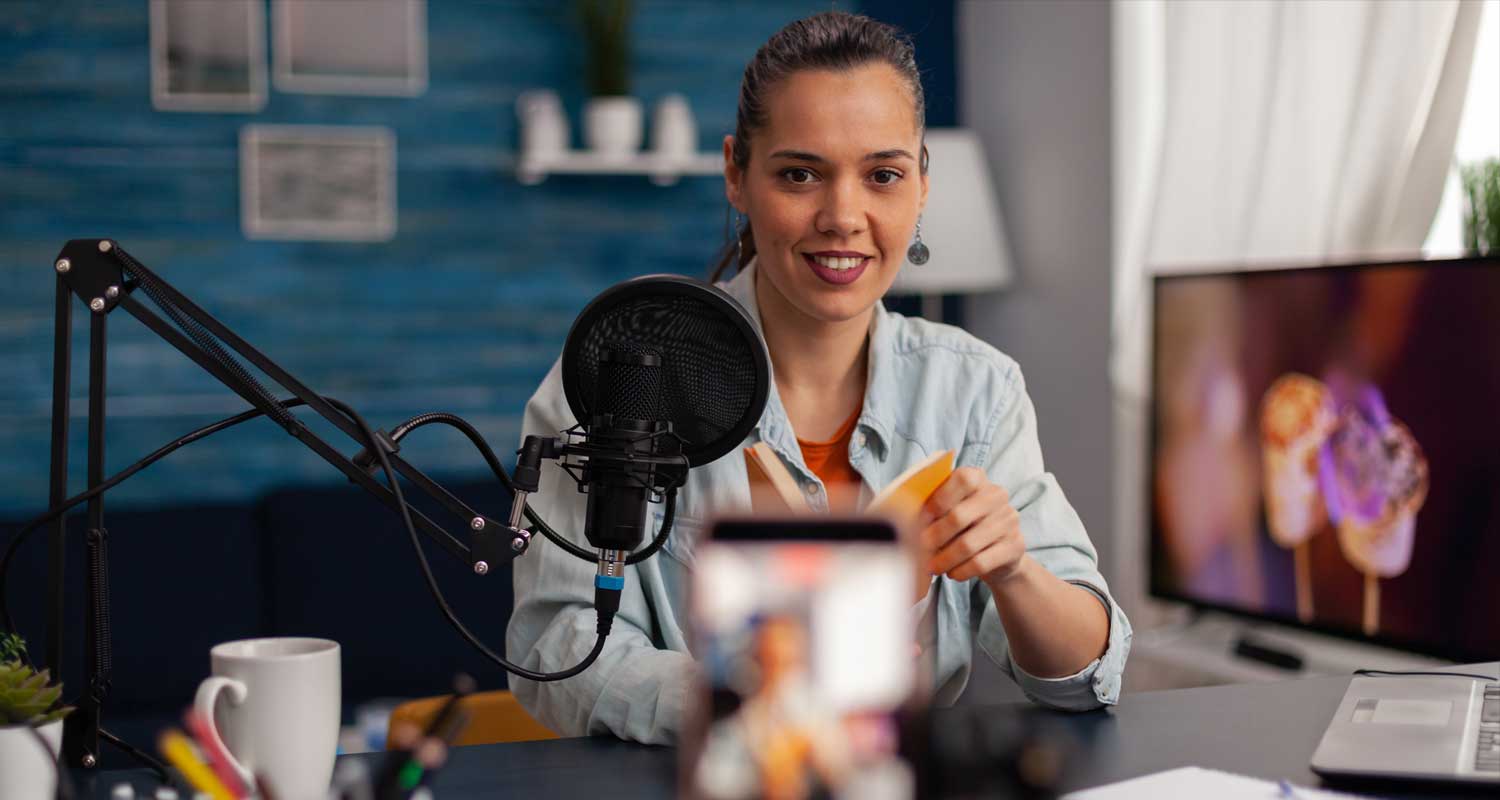
The company initially presented it as an underground feature for younger, in-the-know consumers in Indonesia. Through agents, it gathered hundreds of live-streamers, some of them just out of school. The presenters recorded themselves with their own mobile phones to sell items such as Tupperware and sunscreen. Launched during the month of Ramadan while Covid was still keeping many people at home, it was an immediate hit.
 The operations have since grown more sophisticated as agencies like Wang’s Flame Media connect brands with live-streaming hosts and set up studios. Some businesses are assigned a TikTok account manager who offers advice on content and promotions, while others are sent trained performers, or influencers, to help brands reach millennials and Gen Z-ers. Yet the videos have retained a somewhat amateur and improvised touch compared to the carefully staged accounts on Instagram, and that’s considered a big reason for its popularity: shoppers feel a closer, authentic connection with the seller.
Suanto, who goes by Kohcun online, is one of the most prominent Indonesian influencers on TikTok Shop, with his improvised, casual style attracting over a million followers. The 36-year-old was previously known for his gadget reviews on YouTube, but he now live-streams on TikTok Shop for six hours each day, peddling Samsung phones and Louis Vuitton bags. The money he earns from commissions and brand deals is around three times what he got through YouTube, he said.
“TikTok has the big advantage using their creators because it’s more entertaining, it’s more natural,” said David Nugroho, CEO of Jakarta-based DCT Agency, which manages 600 TikTok personalities and is one of the biggest TikTok Shop partners in the country.
Today, TikTok says it has more than 100 million monthly users in Indonesia, who on average spend more than 100 minutes on the app every day.
US social networking sites have tried to launch similar services, but users there never took to live shopping
That virality is a key reason ByteDance became the world’s most valuable start-up — worth more than $200-billion — in a single decade, disrupting social media and internet incumbents such as Meta and Tencent Holdings on both shores of the Pacific.
US social networking sites have tried to launch similar services, but users there never took to live shopping in the way people in China and Southeast Asia have. Instagram, owned by Meta, stopped allowing users to tag products while live-streaming since March. YouTube and Amazon have also flirted with offering shopping from live videos, without making much headway.
In Indonesia, TikTok Shop entered a market where consumers were already accustomed to scrolling online catalogues, spending hours on their smartphones for both entertainment and shopping. Local e-commerce pioneers GoTo Group’s Tokopedia and Alibaba Group’s Lazada, competing for users, spent billions of dollars helping to set up delivery networks across the country. TikTok swooped in and took advantage of all that.
TikTok has also benefited from expertise gained through its sibling app Douyin, ByteDance’s China-only video platform that’s become a $200-billion shopping destination after expanding its range of services to include food delivery and hotel booking. China is years ahead of the rest of the world in terms of live shopping, helped by lengthy Covid lockdowns that forced people to spend time on their phones, and platforms like Douyin and Alibaba’s Taobao.
Algorithms
An important part of that expertise is algorithms. On both Douyin and TikTok, algorithms help serve up the right video clip in front of users to keep them scrolling, and figuring out what kind of merchandise they’re most likely to buy.
Key executives of TikTok Shop are from China. Bob Kang, a senior ByteDance executive who travels frequently between Shanghai, Singapore and the US, oversees thousands of employees for both Douyin and TikTok’s e-commerce operations. Yu Weiqi, a former assistant to the company’s billionaire co-founder Zhang Yiming, runs TikTok Shop’s operation in Southeast Asia.
While many of the entrepreneurs working with TikTok Shop are Indonesian like DCT’s Nugroho and Pasar Kreatif Digital founder Daniel Tjandra, with strong networks of local influencers as well as businesses, some are from China, bringing with them Chinese capital as well as prior experience with live shopping.
Richard Ma, a 31-year-old marketing specialist in Beijing, is a TikTok Shop seller who coaches a small team of Indonesian live-streamers to market things like $40 air fryers and $8 Bluetooth earbuds. Recently, his company has been buying goods from Alibaba’s wholesaling site 1688.com and shipping them to a warehouse near Jakarta. Many of those products are bestsellers on Douyin’s burgeoning e-commerce marketplace.
 “We can replicate the China model and adapt it to different markets,” he said, while acknowledging his operation was still in the red given the upfront investment and low price tags. With the growing scale of the site, Ma said, he’s convinced he’ll soon turn a profit.
While TikTok’s success in Indonesia helps shelter the business from the impact of a possible US ban, there are still uncertainties.
Even with the growing purchasing power of Indonesia’s middle class, many of its users are earning far less than US consumers. TikTok’s customers in Indonesia spend around $6-$7 on average, according to research firm Cube Asia. That’s why, despite facing multiple bills in Washington that could ban the app, the US is still so important for TikTok’s e-commerce business.
TikTok in November launched a US in-app shopping feature, with a constellation of mini-stores linked to the profiles of influencers and creators . It was opened more broadly to American brands earlier this year. The company’s next plan is to roll out a marketplace, more akin to a traditional shopping site, in the coming months. Instead of stumbling across individual stores through their feeds, consumers will be able to search, compare and buy products, all in one place.
Chinese manufacturers and exporters, in recent meetings with ByteDance sales managers, have been offered free listings and shipping and zero commissions to eventually sell into the US market. The company is setting up its own American warehouses and fulfilment operations and is actively pitching brands on the idea, two people familiar with the matter said.
It’s a strategy that sets the company apart from US-based social platforms like Instagram and YouTube, which have avoided management of actual goods even as they tried expanding into e-commerce. It also puts it in direct competition with Amazon on its home turf.
In a move that’s also more e-commerce than social media, TikTok is hiring former fashion and lifestyle brand employees to oversee retail categories like fashion, home and beauty. The roles are expected to be key in recruiting merchants and educating them on what makes the right kind of video and how to successfully work with creators.
‘Tipping point’
If TikTok can make the whole live-stream purchasing process frictionless for users, brands and creators in the US, “that’s the tipping point”, said Ryan Detert, CEO of marketing company Influential. “And then all of a sudden, massive amounts of money that was going towards paid media and video content also applies to live.”
Jianggan Li, founder and CEO of Singapore-based consultancy firm Momentum Works, said TikTok’s e-commerce expansion in the US market isn’t just about capturing consumers with greater spending power but also about gaining “tremendous advantages in negotiation power for its supply chain and fulfilment systems”.
It won’t be easy, although TikTok is already used by 150 million people in the US and has become a massively influential sales driver for everything from books to movies in the country. Competing in the US retail market would mean taking on other Chinese players such as Shein and PDD Holdings’ Temu as well as Amazon.
Even within Southeast Asia, there are concerns about whether it can keep growing once it scales back its aggressive marketing and subsidies for influencers.
In Vietnam, for instance, TikTok spends thousands of dollars per month in gift vouchers to influencers, according to local executives. The gift vouchers are usually distributed to fans during live-shopping events to bolster sales. This strategy has made some brands question TikTok’s ability to sustain its growth once it stops burning cash. Samsung Electronics, for its part, has reduced its spending on TikTok Shop in Southeast Asia after realising that users who added products to their carts didn’t always follow through to checkout, according to another person with knowledge of the matter. Samsung declined to comment for this story.
 And while Indonesia’s government has so far been supportive, there are fears it may eventually step up its regulatory oversight of TikTok Shop.
The government recently issued a censure over “online begging” on TikTok, or videos showing women begging for virtual gifts. Some are also starting to question the social impact of the impulse purchases they say the app encourages, epitomised by the popular hashtag #Tiktokmademebuyit. Relations between Indonesia’s Muslim majority and the wealthier minority of ethnic Chinese also remain a sensitive issue.
Vietnam’s government has said it will review whether TikTok poses a threat to its youth and culture, while India banned it in 2020 over national security concerns.
For now, though, entrepreneurs like Wang see only growth ahead for TikTok Shop. As his firm is approaching $1-million in monthly merchandise sales, he plans to soon move into a newly renovated office building in Menteng, an upmarket neighbourhood in the Indonesian capital. He also plans to hire 500 live-streamers by the end of this year. After that, he said, he might move on to other growth markets.
“The first thing is to become the number one in Indonesia,” he said. “Then we can try another region, another continent. It’s one step at a time.” — Zheping Huang, Olivia Poh, Alex Barinka and Yoolim Lee, with Fathiya Dahrul, Vlad Savov and Sohee Kim, (c) 2023 Bloomberg LP