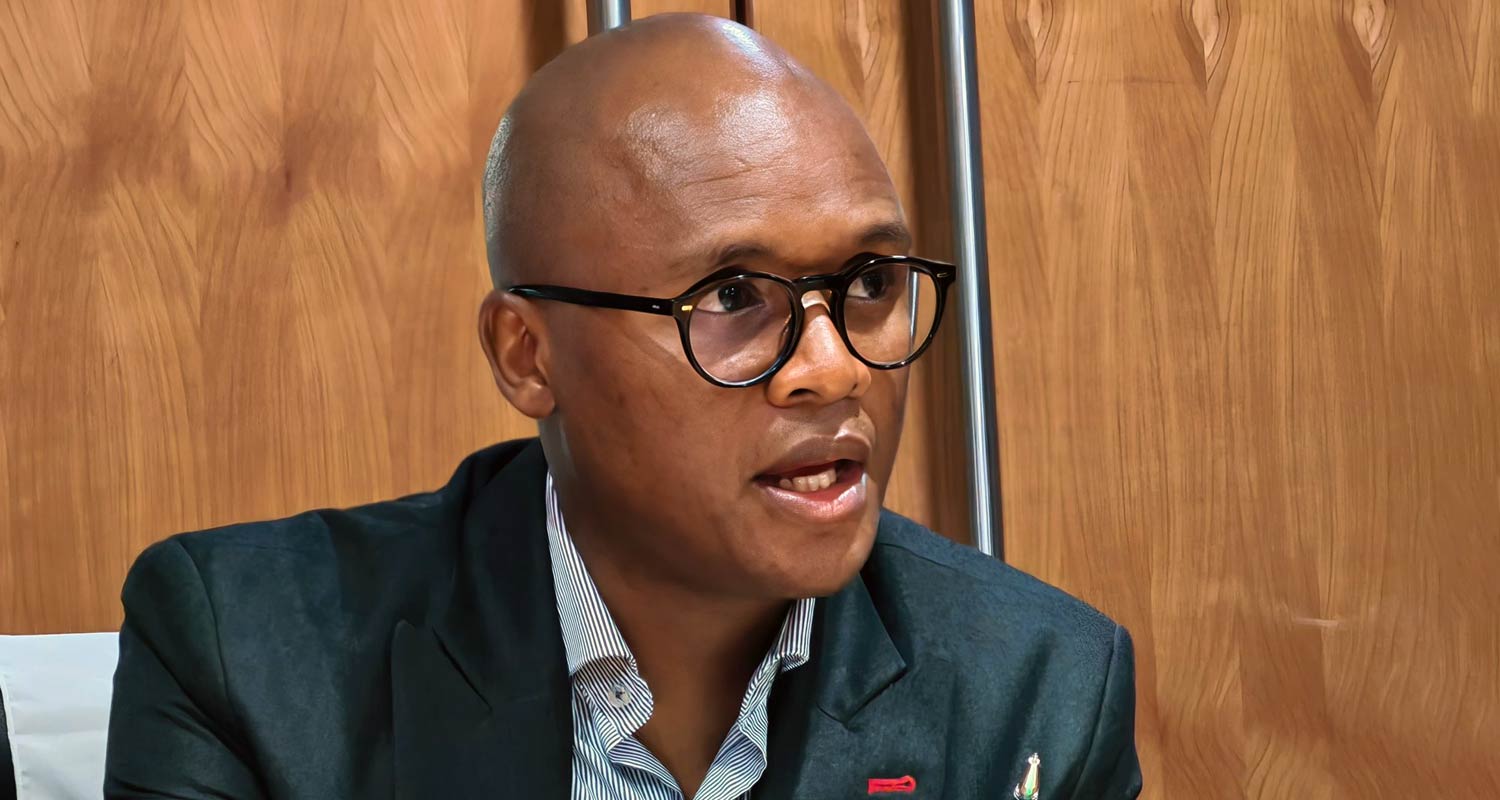
The department of communications & digital technologies has confirmed that the Universal Service & Access Agency of South Africa (Usaasa) will be “disestablished”, bringing to an end nearly three decades of involvement by the troubled state entity in the country’s universal access efforts.
The confirmation is contained in the department’s annual performance plan for the 2026/2027 financial year, signed off by communications minister Solly Malatsi and tabled at the end of March.
“The successful finalisation of the Electronic Communications Amendment Bill specifically addresses the conversion of the Universal Service and Access Fund (Usaf) into the Digital Development Challenge Fund and provides for the disestablishment of Usaasa,” said the report.
According to the plan, finalisation of the bill is a key target for the department in 2026/2027, with submission to parliament scheduled for 2027/2028.
Usaasa was established in 1996 to channel funds towards projects aimed at bridging the digital divide in underserved and rural parts of the country. It administers Usaf, to which licensed telecommunications operators contribute 0.2% of their licensed revenue. The performance plan lists Usaasa’s current annual allocation at R88.8-million, with a further R57.2-million flowing to the fund itself.
The agency has struggled for years with governance failures and missed delivery targets.
Dysfunction
“There has been dysfunction that has resulted in real harm to South Africa’s goal of connecting underserved communities,” Dominic Cull, regulatory advisor at the Internet Service Providers’ Association, told TechCentral earlier this month.
Shortly after taking office, Malatsi fired two Usaasa board members, Daphne Kula-Rantho and Boitumelo Mabusela, in a move his ministry said was aimed at restoring stability and good governance. In October 2025, Malatsi appointed four new interim board members – drawn from governance, public administration and financial oversight backgrounds – to replace four members who had resigned in August.
Read: How a connectivity levy became a tax on telecoms
The disestablishment idea is not entirely new. Former minister Stella Ndabeni-Abrahams dissolved the boards of Usaasa and the State IT Agency in December 2019 and appointed administrators, citing a need to restructure both organisations and reconfigure their mandates. At the time, government signalled its intention to professionalise Usaasa and strip it of operational responsibility for projects such as digital migration, leaving it with a narrower focus on collecting and disbursing funds to approved sector initiatives.
The proposed Digital Development Challenge Fund picks up that thread. Rather than preserving Usaasa as a standalone implementing agency, the fund will be housed within the department’s administrative structure – effectively turning the universal service levy into a programme the minister and director-general oversee rather than one run by a separate public entity. The bill’s broader purpose is to align the framework underpinning universal service with current policy thinking, including the possibility of device and data subsidies for indigent households.
Read: Usaasa publishes framework for universal service fund
Until the amendment bill is passed into law, Usaasa will continue to function, with the department’s oversight indicators requiring that all of the agency’s performance and compliance reports be analysed each quarter. – (c) 2026 NewsCentral Media
Get breaking news from TechCentral on WhatsApp. Sign up here.