Close Menu
TechCentralTechCentral

    Subscribe to the newsletter

    Get the best South African technology news and analysis delivered to your e-mail inbox every morning.

    Facebook X (Twitter) YouTube LinkedIn
    WhatsApp Facebook X (Twitter) LinkedIn YouTube
    TechCentralTechCentral
    • News
      Digital authoritarianism grows as African states normalise internet blackouts

      Digital authoritarianism grows as African states normalise internet blackouts

      19 December 2025
      Starlink satellite anomaly creates debris in rare orbital mishap

      Starlink satellite anomaly creates debris in rare orbital mishap

      19 December 2025
      TechCentral's South African Newsmakers of 2025

      TechCentral’s South African Newsmakers of 2025

      18 December 2025
      Malatsi buries Post Office's long-dead monopoly

      Malatsi buries Post Office monopoly the market ignored

      18 December 2025
      China races to crack EUV as chip war with the West intensifies

      China races to crack EUV lithography as chip war with the West intensifies

      18 December 2025
    • World
      Trump space order puts the moon back at centre of US, China rivalry - US President Donald Trump

      Trump space order puts the moon back at centre of US, China rivalry

      19 December 2025
      Warner Bros slams the door on Paramount

      Warner Bros slams the door on Paramount

      17 December 2025
      X moves to block bid to revive Twitter brand

      X moves to block bid to revive Twitter brand

      17 December 2025
      Oracle’s AI ambitions face scrutiny on earnings miss

      Oracle’s AI ambitions face scrutiny on earnings miss

      11 December 2025
      China will get Nvidia H200 chips - but not without paying Washington first

      China will get Nvidia H200 chips – but not without paying Washington first

      9 December 2025
    • In-depth
      Black Friday goes digital in South Africa as online spending surges to record high

      Black Friday goes digital in South Africa as online spending surges to record high

      4 December 2025
      Canal+ plays hardball - and DStv viewers feel the pain

      Canal+ plays hardball – and DStv viewers feel the pain

      3 December 2025
      Jensen Huang Nvidia

      So, will China really win the AI race?

      14 November 2025
      Valve's Linux console takes aim at Microsoft's gaming empire

      Valve’s Linux console takes aim at Microsoft’s gaming empire

      13 November 2025
      iOCO's extraordinary comeback plan - Rhys Summerton

      iOCO’s extraordinary comeback plan

      28 October 2025
    • TCS
      TCS+ | Africa's digital transformation - unlocking AI through cloud and culture - Cliff de Wit Accelera Digital Group

      TCS+ | Cloud without culture won’t deliver AI: Accelera’s Cliff de Wit

      12 December 2025
      TCS+ | How Cloud on Demand helps partners thrive in the AWS ecosystem - Odwa Ndyaluvane and Xenia Rhode

      TCS+ | How Cloud On Demand helps partners thrive in the AWS ecosystem

      4 December 2025
      TCS | MTN Group CEO Ralph Mupita on competition, AI and the future of mobile

      TCS | Ralph Mupita on competition, AI and the future of mobile

      28 November 2025
      TCS | Dominic Cull on fixing South Africa's ICT policy bottlenecks

      TCS | Dominic Cull on fixing South Africa’s ICT policy bottlenecks

      21 November 2025
      TCS | BMW CEO Peter van Binsbergen on the future of South Africa's automotive industry

      TCS | BMW CEO Peter van Binsbergen on the future of South Africa’s automotive industry

      6 November 2025
    • Opinion
      Netflix, Warner Bros deal raises fresh headaches for MultiChoice - Duncan McLeod

      Netflix, Warner Bros deal raises fresh headaches for MultiChoice

      5 December 2025
      BIN scans, DDoS and the next cybercrime wave hitting South Africa's banks - Entersekt Gerhard Oosthuizen

      BIN scans, DDoS and the next cybercrime wave hitting South Africa’s banks

      3 December 2025
      Your data, your hardware: the DIY AI revolution is coming - Duncan McLeod

      Your data, your hardware: the DIY AI revolution is coming

      20 November 2025
      Zero Carbon Charge founder Joubert Roux

      The energy revolution South Africa can’t afford to miss

      20 November 2025
      It's time for a new approach to government IT spend in South Africa - Richard Firth

      It’s time for a new approach to government IT spend in South Africa

      19 November 2025
    • Company Hubs
      • Africa Data Centres
      • AfriGIS
      • Altron Digital Business
      • Altron Document Solutions
      • Altron Group
      • Arctic Wolf
      • AvertITD
      • Braintree
      • CallMiner
      • CambriLearn
      • CYBER1 Solutions
      • Digicloud Africa
      • Digimune
      • Domains.co.za
      • ESET
      • Euphoria Telecom
      • Incredible Business
      • iONLINE
      • IQbusiness
      • Iris Network Systems
      • LSD Open
      • NEC XON
      • Netstar
      • Network Platforms
      • Next DLP
      • Ovations
      • Paracon
      • Paratus
      • Q-KON
      • SevenC
      • SkyWire
      • Solid8 Technologies
      • Telit Cinterion
      • Tenable
      • Vertiv
      • Videri Digital
      • Vodacom Business
      • Wipro
      • Workday
      • XLink
    • Sections
      • AI and machine learning
      • Banking
      • Broadcasting and Media
      • Cloud services
      • Contact centres and CX
      • Cryptocurrencies
      • Education and skills
      • Electronics and hardware
      • Energy and sustainability
      • Enterprise software
      • Financial services
      • Information security
      • Internet and connectivity
      • Internet of Things
      • Investment
      • IT services
      • Lifestyle
      • Motoring
      • Public sector
      • Retail and e-commerce
      • Satellite communications
      • Science
      • SMEs and start-ups
      • Social media
      • Talent and leadership
      • Telecoms
    • Events
    • Advertise
    TechCentralTechCentral
    Home » In-depth » Why SA is struggling to kick its coal habit

    Why SA is struggling to kick its coal habit

    By The Conversation15 March 2016
    Twitter LinkedIn Facebook WhatsApp Email Telegram Copy Link
    News Alerts
    WhatsApp
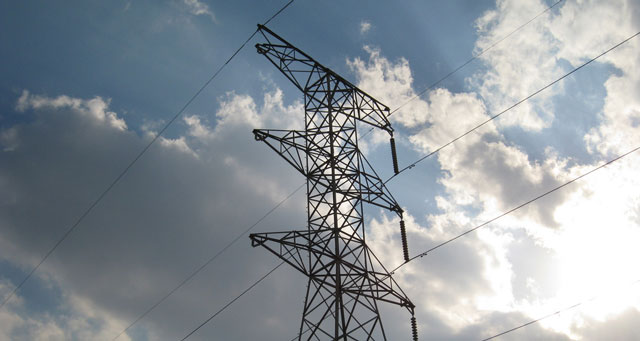
    Eskom produces most of its electricity by burning coal
    Eskom produces most of its electricity by burning coal

    South Africa has made domestic and international commitments to climate change mitigation. But the country continues to depend on coal-fired power plants, which provide 92% of its electricity. A key challenge for the country in dealing with electricity shortages is that the bulk of power comes from coal, which is harmful for the environment and local communities.

    The electricity sector is responsible for almost half of South Africa’s carbon emissions. As discussed in our recent report, it will be difficult to overcome the important contribution that coal makes to the electricity sector and the economy.

    Decarbonisation in the electricity sector cannot be achieved without reducing the absolute contribution of coal-fired power. This can be achieved by introducing a range of low-carbon energy options. These include wind, solar photovoltaics and concentrated solar power, in addition to rapidly developing technologies for energy storage. Demand-side measurement and energy efficiency could also play a key role. All these measures and interventions offer significant potential.

    But moving away from coal is proving difficult.

    Political tensions

    The reasons for South Africa’s electricity crisis are long-term and complex. They include a severe backlog in maintenance of its plants and delays in the construction of new power plants. This poses several opportunities and challenges.

    The opportunities it presents include increasing the contribution of renewable energy to the national power supply. But can renewable energy compete with existing coal-fired power and a potential nuclear fleet? And can renewable energy be implemented in a way that prioritises socioeconomic well-being and transparent and democratic policy processes? In other words, will the country’s moves towards a lower-carbon economy incorporate a “just transition”?

    Among the challenges is the fact that South Africa’s electricity crisis is compounded by a lack of transparency in decision making and political power struggles. For example, there are long-standing tensions within the ruling party and the tripartite alliance made up of the ANC, trade union federation Cosatu and the South African Communist Party. These tensions can be found in the ideologically driven disagreement between those who want a liberalised electricity market and those who want the government to hold onto the crisis-ridden, state-owned utility, Eskom.
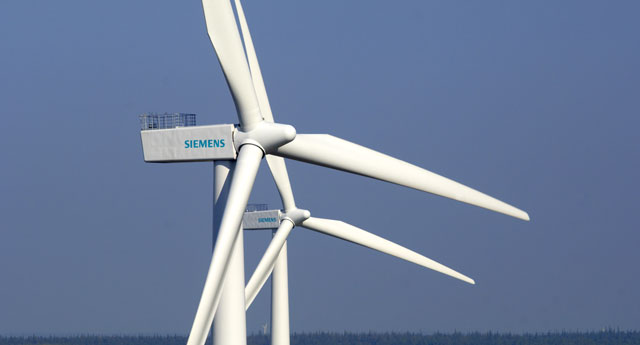
    Siemens-wind-farm

    In addition, recent steps toward transparent and democratic energy planning and policies have been undermined. For example, the latest revision of the Integrated Resource Plan for electricity has been put on ice.

    The electricity master plan was launched in 2011 following a prolonged and intense stakeholder engagement process. It covers the country’s total demand requirements from 2010 to 2030.

    According to the plan, an electricity project must align with the technological allocations set by the country’s electricity plan to be granted a license. The plan includes:

    • A cap on CO2 emissions;
    • Plans to include 17GW of renewable energy that will deliver 9% of supply by 2030;
    • 9,6GW from a nuclear fleet.

    Coal, nevertheless, dominates the electricity generation mix.

    The nuclear complication

    In 2013, a revised Integrated Resource Plan was put out for public comment. This was in keeping with the expectation that the original would be updated on a biennial basis. It proposed lower electricity demand because of a decline in economic growth, higher prices and increased energy efficiency. The revised plan also stated that commitments to long-range, large-scale investment decisions should be avoided. Notably the revised demand projections suggested that:

    No new nuclear baseload capacity would be required until after 2025 and, for lower demand, not until at earliest 2035.

    The revised plan is unlikely to be approved because it seriously challenges the case for the proposed 9,6GW nuclear power programme.
    solar-640

    The cost of the programme has yet to be determined and it is still unclear if it will be affordable. This programme, which is being pushed by the presidency, is tied up in broader political wrangling. Serious questions over affordability have been linked to the firing of the finance minister Nhlanhla Nene in December 2015 who opposed the programme on the grounds of cost.

    If the nuclear programme is approved, it will shape the country’s electricity mix, infrastructure and related tariffs for years to come. While it may reduce carbon emissions in the long term, this will come at a greater cost than other options.

    The role of renewables

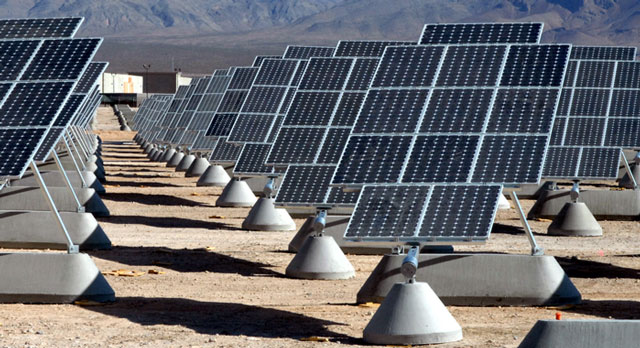
    South Africa has made a significant move toward decarbonisation through a renewable energy procurement programme. Launched in 2011, the programme followed the inclusion of a carbon constraint in the country’s Integrated Resource Plan for electricity. Since then, there has been significant growth in the renewable sector backed by South Africa’s banks and private investors.

    The country’s renewable energy programme is internationally celebrated as a success for the procurement of renewable energy from independent power producers. In addition, the costs of these renewable energy technologies have decreased dramatically in the past four years. Utility-scale wind and solar photovoltaics are now cost competitive with Eskom’s new-build coal.

    Grid-tied, roof-top solar photovoltaics are also rapidly emerging, despite the continued absence of an appropriate regulatory framework. These are being installed by wealthy households and businesses who are trying to buy independence from an increasingly unreliable grid and rising electricity tariffs.

    Some large industrial players are also trying to connect their own generation plants to the grid through wheeling agreements. These involve independent power producers selling electricity to a third party via Eskom’s grid.

    These agreements suddenly seem more attractive in light of the supply-side crisis and the uncertainty of Eskom’s ability to meet the electricity demand. But they have been stymied because rules around their cost have not been established.

    The final piece of the puzzle is to ensure that all decarbonisation efforts and energy supply reach low-income consumers. If the country’s tariffs continue to increase it will become even more difficult for the lower income bracket to have access to modern energy services.The Conversation

    • Lucy Baker is research fellow, international relations, The Sussex Energy Group, Centre for Global Political Economy, University of Sussex; Jesse Burton is PhD candidate in energy and industrial policy, economic history, domestic and international coal markets, the mining and minerals sectors, and state-business relations in South Africa, University of Cape Town
    • This article was originally published on The Conversation

    Eskom Jesse Burton Lucy Baker
    Subscribe to TechCentral Subscribe to TechCentral
    Share. Facebook Twitter LinkedIn WhatsApp Telegram Email Copy Link
    Previous ArticleNigeria reinstates regulatory services to MTN
    Next Article Banking is not about to be ‘Ubered’

    Related Posts

    Ramokgopa bullish on energy outlook as new projects get green light - Kgosientsho Ramokgopa

    Ramokgopa bullish on energy outlook as new projects get green light

    15 December 2025
    Eskom unveils four-subsidiary structure for future South African grid

    Eskom unveils four-subsidiary structure for future South African grid

    10 December 2025
    Nersa plan ushers in major shift in South Africa's electricity market

    Nersa plan ushers in major shift in South Africa’s electricity market

    8 December 2025
    Company News
    Why TechCentral is the most powerful platform for reaching IT decision makers

    Why TechCentral is the most powerful platform for reaching IT decision makers

    17 December 2025
    Business trends to watch in 2026 - Domains.co.za

    Business trends to watch in 2026

    17 December 2025
    MTN Zambia launches world's first 4G cloud smartphone solution - Huawei

    MTN Zambia launches world’s first 4G cloud smartphone solution

    17 December 2025
    Opinion
    Netflix, Warner Bros deal raises fresh headaches for MultiChoice - Duncan McLeod

    Netflix, Warner Bros deal raises fresh headaches for MultiChoice

    5 December 2025
    BIN scans, DDoS and the next cybercrime wave hitting South Africa's banks - Entersekt Gerhard Oosthuizen

    BIN scans, DDoS and the next cybercrime wave hitting South Africa’s banks

    3 December 2025
    Your data, your hardware: the DIY AI revolution is coming - Duncan McLeod

    Your data, your hardware: the DIY AI revolution is coming

    20 November 2025

    Subscribe to Updates

    Get the best South African technology news and analysis delivered to your e-mail inbox every morning.

    Latest Posts
    Digital authoritarianism grows as African states normalise internet blackouts

    Digital authoritarianism grows as African states normalise internet blackouts

    19 December 2025
    Starlink satellite anomaly creates debris in rare orbital mishap

    Starlink satellite anomaly creates debris in rare orbital mishap

    19 December 2025
    Trump space order puts the moon back at centre of US, China rivalry - US President Donald Trump

    Trump space order puts the moon back at centre of US, China rivalry

    19 December 2025
    TechCentral's South African Newsmakers of 2025

    TechCentral’s South African Newsmakers of 2025

    18 December 2025
    © 2009 - 2025 NewsCentral Media
    • Cookie policy (ZA)
    • TechCentral – privacy and Popia

    Type above and press Enter to search. Press Esc to cancel.

    Manage consent

    TechCentral uses cookies to enhance its offerings. Consenting to these technologies allows us to serve you better. Not consenting or withdrawing consent may adversely affect certain features and functions of the website.

    Functional Always active
    The technical storage or access is strictly necessary for the legitimate purpose of enabling the use of a specific service explicitly requested by the subscriber or user, or for the sole purpose of carrying out the transmission of a communication over an electronic communications network.
    Preferences
    The technical storage or access is necessary for the legitimate purpose of storing preferences that are not requested by the subscriber or user.
    Statistics
    The technical storage or access that is used exclusively for statistical purposes. The technical storage or access that is used exclusively for anonymous statistical purposes. Without a subpoena, voluntary compliance on the part of your Internet Service Provider, or additional records from a third party, information stored or retrieved for this purpose alone cannot usually be used to identify you.
    Marketing
    The technical storage or access is required to create user profiles to send advertising, or to track the user on a website or across several websites for similar marketing purposes.
    • Manage options
    • Manage services
    • Manage {vendor_count} vendors
    • Read more about these purposes
    View preferences
    • {title}
    • {title}
    • {title}