
Close Menu
TechCentralTechCentral

    Subscribe to the newsletter

    Get the best South African technology news and analysis delivered to your e-mail inbox every morning.

    Facebook X (Twitter) YouTube LinkedIn
    WhatsApp Facebook X (Twitter) LinkedIn YouTube
    TechCentralTechCentral
    • News
      Treasury's crypto crackdown is a betrayal of Mandela's promise

      Treasury’s crypto crackdown is a betrayal of Mandela’s promise

      22 May 2026
      Gautrain to takes on Uber and Bolt: report

      Gautrain to take on Uber and Bolt: report

      22 May 2026
      Reunert ICT shines as cable slump drags profit - Anthonie de Beer

      Reunert ICT shines as cable slump drags profit

      22 May 2026
      Truecaller pivots with South Africa travel eSim launch

      Truecaller pivots with South Africa travel eSim launch

      22 May 2026
      Three years in, PayShap pivots to merchants

      Three years in, PayShap pivots to merchants

      21 May 2026
    • World
      SpaceX's record-setting IPO is here

      SpaceX’s record-setting IPO is here

      21 May 2026
      The Mythos hacking threat is looking overblown

      The Mythos hacking threat is looking overblown

      20 May 2026
      Vatican confronts the age of artificial intelligence. Edgar Beltrán/The Pillar 

      Vatican confronts the age of artificial intelligence

      19 May 2026
      The walkout that could hit every laptop and AI server - Samsung

      The walkout that could hit every laptop and AI server

      18 May 2026
      Pop star sues Samsung for $15-million - Dua Lipa

      Pop star sues Samsung for $15-million

      11 May 2026
    • In-depth
      Alfa's electric rebel - Alfa Romeo Junior Elettrica Veloce

      Alfa’s electric rebel

      29 April 2026
      Africa switches on as Europe dims the lights

      Africa switches on as Europe dims the lights

      9 April 2026
      The biggest untapped EV market on Earth is hiding in plain sight

      The biggest untapped EV market on Earth is hiding in plain sight

      1 April 2026
      Datatec is firing on all cylinders - Jens Montanana

      The R16-billion tech giant hiding in plain sight

      26 March 2026
      The last generation of coders

      The last generation of coders

      18 February 2026
    • TCS
      TCS+ | The Up&Up Group on the hidden cost of AI - Jason Harrison

      TCS+ | The Up&Up Group on the hidden cost of AI

      13 May 2026
      Michael Rossouw

      TCS+ | The retirement decision most South Africans get wrong

      6 May 2026
      TCS | The Cape Town start-up listening for TB with AI - Braden van Breda

      TCS | The Cape Town start-up listening for TB with AI

      4 May 2026

      TCS+ | ‘The ISP for ISPs’: Vox’s shift to wholesale aggregator

      20 April 2026
      TCS | Werner Lindemann on how AI is rewriting the infosec rulebook

      TCS | Werner Lindemann on how AI is rewriting the infosec rulebook

      15 April 2026
    • Opinion
      South Africa is sleepwalking into another AI policy failure - Celeste Labuschagne

      South Africa is sleepwalking into another AI policy failure

      20 May 2026
      AI won't fix your culture - it will expose it - Jackie Kennedy

      AI won’t fix your culture – it will expose it

      19 May 2026
      Free calls, dead voice and Shameel Joosub's Spanish ghost - Duncan McLeod

      Free calls, dead voice and Shameel Joosub’s Spanish ghost

      22 April 2026
      The conflict of interest at the heart of PayShap's slow adoption - Cheslyn Jacobs

      The conflict of interest at the heart of PayShap’s slow adoption

      26 March 2026
      South Africa's energy future hinges on getting wheeling right - Aishah Gire

      South Africa’s energy future hinges on getting wheeling right

      10 March 2026
    • Company Hubs
      • 1Stream
      • Africa Data Centres
      • AfriGIS
      • Altron Digital Business
      • Altron Document Solutions
      • Altron Group
      • Arctic Wolf
      • Ascent Technology
      • AvertITD
      • BBD
      • Braintree
      • CallMiner
      • CambriLearn
      • CM Telecom
      • Contactable
      • CYBER1 Solutions
      • Digicloud Africa
      • Digimune
      • Domains.co.za
      • ESET
      • Euphoria Telecom
      • HOSTAFRICA
      • Incredible Business
      • iONLINE
      • IQbusiness
      • Iris Network Systems
      • Kaspersky
      • LSD Open
      • Mitel
      • NEC XON
      • Netstar
      • Network Platforms
      • Next DLP
      • Ovations
      • Paracon
      • Paratus
      • Q-KON
      • SevenC
      • SkyWire
      • Solid8 Technologies
      • Telit Cinterion
      • Telviva
      • Tenable
      • Vertiv
      • Videri Digital
      • Vodacom Business
      • Wipro
      • Workday
      • XLink
    • Sections
      • AI and machine learning
      • Banking
      • Broadcasting and Media
      • Cloud services
      • Contact centres and CX
      • Cryptocurrencies
      • Education and skills
      • Electronics and hardware
      • Energy and sustainability
      • Enterprise software
      • Financial services
      • HealthTech
      • Information security
      • Internet and connectivity
      • Internet of Things
      • Investment
      • IT services
      • Lifestyle
      • Motoring
      • Policy and regulation
      • Public sector
      • Retail and e-commerce
      • Satellite communications
      • Science
      • SMEs and start-ups
      • Social media
      • Talent and leadership
      • Telecoms
    • Events
    • Advertise
    TechCentralTechCentral
    Home » Sections » Motoring » The energy revolution South Africa can’t afford to miss

    The energy revolution South Africa can’t afford to miss

    EVs powered by local renewable microgrids can free South Africa from oil volatility, grid risks and entrenched energy monopolies.
    By Joubert Roux20 November 2025
    Twitter LinkedIn Facebook WhatsApp Email Telegram Copy Link
    News Alerts
    WhatsApp
    The energy revolution South Africa can't afford to miss - Zero Carbon Charge founder Joubert Roux
    The author, Zero Carbon Charge founder Joubert Roux

    For more than a century, oil has shaped global mobility – but with an enormous, often invisible cost. Our ancestors once relied on horses fed by hay grown a few steps from home; today we depend on fuel extracted in distant nations, transported across oceans, refined in global supply chains and priced according to geopolitical drama.

    For the first time since the internal combustion engine transformed the world, that dependency can be reversed. The energy that moves our vehicles can now be generated from sunlight harvested on our farms, rooftops and open land, produced, priced and controlled locally. This shift marks one of the most important economic turning points of our time.

    Electric vehicles powered by renewable energy offer not just cleaner mobility, but genuine independence. Oil has always been volatile. The 1973 Opec embargo triggered a global price surge of over 400%, pushing many countries into recession. The 1990 Gulf War sent prices soaring again, and the 2022 invasion of Ukraine caused the steepest fuel spike in modern Europe.

    The oil era concentrated wealth and power in the hands of a few; the transition to renewables must not replicate that

    Economists estimate that roughly 40% of US recessions since World War 2 were triggered or worsened by oil shocks. The world has long paid for a fuel it does not control, and the burden has been even harsher in developing economies. Venezuela, once among the world’s richest per capita due to oil, collapsed under corruption and dependence. Nigeria earned billions yet suffers some of the world’s worst poverty rates. The Niger Delta has endured more than 7 000 oil spills since the 1970s, turning one of Africa’s richest ecosystems into a polluted sacrifice zone. Oil built empires but broke nations and communities.

    South Africa is no exception. The country imports nearly all its crude oil, spending more than R200-billion/year on fuel that leaves the economy forever. Transport costs rise and fall with Brent crude, leaving households and businesses exposed to crises thousands of kilometres away. The logic is simple: when mobility depends on imported oil, sovereignty is rented rather than owned.

    Breaking the chain

    Renewable electricity breaks that chain. With advances in solar technology and lithium storage, the energy for mobility can now be generated where it is consumed. A charging station powered by its own solar microgrid is immune to global oil markets and insulated from national grid instability.

    This is particularly crucial in South Africa, where the grid’s fragility makes grid-tied EV charging risky. In California and the UK, utilities have already warned that unmanaged EV growth strains existing infrastructure. In South Africa, placing additional load on an already stressed grid is not a viable path. Microgrids solve this by generating clean electricity on site, mirroring the way hay once powered horses with locally produced energy.

    Read: Innovation or collapse: South Africa’s dangerous addiction to the past

    The real threat is not technological but regulatory. If large state agencies or entrenched interests attempt to monopolise electric vehicle charging, South Africa risks replacing oil dependency with a new form of infrastructure capture. The oil era concentrated wealth and power in the hands of a few; the transition to renewables must not replicate that pattern. Sanral and similar institutions must avoid creating gatekeeping systems that mimic the monopolies of the fossil past. The future of mobility must be decentralised, competitive and open – not another terrain for extractive rent-seeking.

    South Africans rely heavily on road travel. For many families, road trips dominant form of long-distance movement. When EVs are charged with locally produced renewable energy, the benefits multiply. Tourism becomes more accessible through dependable charging corridors. Households save as electricity costs stabilise and detach from oil volatility. Rural areas gain new economic engines as charging stations create jobs, lease income and local spending. Every kilowatt-hour generated locally replaces a little bit of fuel, and keeps value within South African communities.
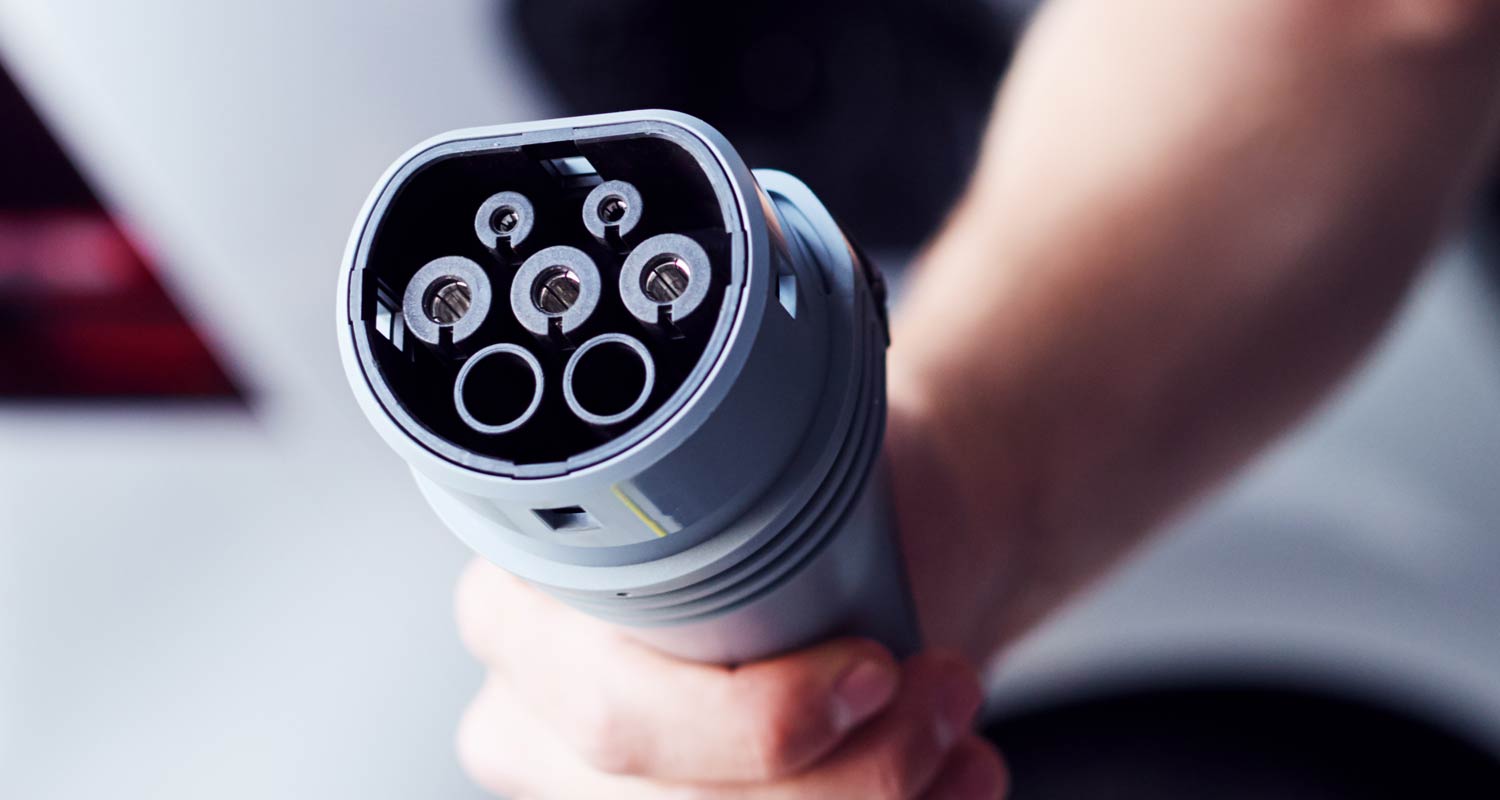
    Oil’s dark metaphor is not exaggeration. In the words of Polish author Ryszard Kapuściński: “Oil is a resource that anaesthetises thought, blurs vision, corrupts” – and history agrees. Oil wealth rarely empowers ordinary people; it traps nations in dependency, volatility and exploitation.

    Renewable electricity offers the opposite story: stability, local value and resilience. South Africa’s New Energy Vehicle Roadmap warns that without rapid EV adoption, the country risks losing key export markets as Europe ends sales of internal combustion vehicles by 2035. The automotive sector, employing around 500 000 through direct jobs while supporting around a million jobs across the value chain, depends on this transition.

    Microgrid-based EV charging is the most reliable and economically rational solution. It bypasses the inflationary risks of grid-tied tariffs and avoids the coal-cost escalations that drive electricity prices higher each year. Most importantly, it keeps the wealth of energy generation inside the country.

    Vehicles should be powered by what is grown or generated around us, not by what is shipped across oceans

    We stand at an inflection point where mobility no longer needs to be governed by tanker routes, refinery bottlenecks or political shocks. It can instead become an expression of local energy production and distributed power. The future of transport is not only electric – it is freed from oil’s long shadow. If South Africa resists replicating the monopolies of the past, it can leapfrog into an era of affordability, independence and climate responsibility.

    The principle is as old as mobility itself: vehicles should be powered by what is grown or generated around us, not by what is shipped across oceans. With microgrids producing clean electricity at the point of use, EVs can finally be fuelled as mobility was always meant to be: locally, reliably and free from the destructive legacy of oil.

    • Joubert Roux is founder and executive chairman of Zero Carbon Charge, a company developing the first national network of off-grid EV charging stations in South Africa

    Get breaking news from TechCentral on WhatsApp. Sign up here.

    Follow TechCentral on Google News Add TechCentral as your preferred source on Google


    Joubert Roux Sanral Zero Carbon Charge
    WhatsApp YouTube
    Share. Facebook Twitter LinkedIn WhatsApp Telegram Email Copy Link
    Previous ArticleMr Price’s telecoms bet is paying off
    Next Article Telkom’s turnaround looks real – but is the growth sustainable?

    Related Posts

    TCS | Charge's R1.8-billion bet on an off-grid EV future - Charge chairman Joubert Roux

    TCS | Charge’s R1.8-billion bet on an off-grid EV future

    18 May 2026
    Charge to switch on first N3 off-grid EV stations in May - Joubert Roux

    Charge to switch on first N3 off-grid EV stations in May

    23 April 2026
    Charge to switch on first N3 off-grid EV stations in May - Joubert Roux

    EV charging start-up Charge bypasses JSE for token-based raise

    2 April 2026
    Company News
    How African enterprises can leapfrog the AI infrastructure trap - Huawei Cloud

    How African enterprises can leapfrog the AI infrastructure trap

    22 May 2026
    Inside the BBD Grad Programme: real work from day one

    Inside the BBD Grad Programme: real work from day one

    22 May 2026
    Why your tracking system fails the moment it matters most - Sigfox South Africa

    Why your tracking system fails the moment it matters most

    22 May 2026
    Opinion
    South Africa is sleepwalking into another AI policy failure - Celeste Labuschagne

    South Africa is sleepwalking into another AI policy failure

    20 May 2026
    AI won't fix your culture - it will expose it - Jackie Kennedy

    AI won’t fix your culture – it will expose it

    19 May 2026
    Free calls, dead voice and Shameel Joosub's Spanish ghost - Duncan McLeod

    Free calls, dead voice and Shameel Joosub’s Spanish ghost

    22 April 2026

    Subscribe to Updates

    Get the best South African technology news and analysis delivered to your e-mail inbox every morning.

    Latest Posts
    Treasury's crypto crackdown is a betrayal of Mandela's promise

    Treasury’s crypto crackdown is a betrayal of Mandela’s promise

    22 May 2026
    Gautrain to takes on Uber and Bolt: report

    Gautrain to take on Uber and Bolt: report

    22 May 2026
    Reunert ICT shines as cable slump drags profit - Anthonie de Beer

    Reunert ICT shines as cable slump drags profit

    22 May 2026
    Truecaller pivots with South Africa travel eSim launch

    Truecaller pivots with South Africa travel eSim launch

    22 May 2026
    © 2009 - 2026 NewsCentral Media
    • Cookie policy (ZA)
    • TechCentral – privacy and Popia

    Type above and press Enter to search. Press Esc to cancel.

    Manage consent

    TechCentral uses cookies to enhance its offerings. Consenting to these technologies allows us to serve you better. Not consenting or withdrawing consent may adversely affect certain features and functions of the website.

    Functional Always active
    The technical storage or access is strictly necessary for the legitimate purpose of enabling the use of a specific service explicitly requested by the subscriber or user, or for the sole purpose of carrying out the transmission of a communication over an electronic communications network.
    Preferences
    The technical storage or access is necessary for the legitimate purpose of storing preferences that are not requested by the subscriber or user.
    Statistics
    The technical storage or access that is used exclusively for statistical purposes. The technical storage or access that is used exclusively for anonymous statistical purposes. Without a subpoena, voluntary compliance on the part of your Internet Service Provider, or additional records from a third party, information stored or retrieved for this purpose alone cannot usually be used to identify you.
    Marketing
    The technical storage or access is required to create user profiles to send advertising, or to track the user on a website or across several websites for similar marketing purposes.
    • Manage options
    • Manage services
    • Manage {vendor_count} vendors
    • Read more about these purposes
    View preferences
    • {title}
    • {title}
    • {title}