Close Menu
TechCentralTechCentral

    Subscribe to the newsletter

    Get the best South African technology news and analysis delivered to your e-mail inbox every morning.

    Facebook X (Twitter) YouTube LinkedIn
    WhatsApp Facebook X (Twitter) LinkedIn YouTube
    TechCentralTechCentral
    • News
      Telecoms industry backs Malatsi policy directive, warns on execution - ACT CEO Nomvuyiso Batyi

      Telecoms industry backs Malatsi policy directive, warns on execution

      17 December 2025
      TechCentral's International Newsmakers of 2025

      TechCentral’s International Newsmakers of 2025

      17 December 2025
      Warner Bros slams the door on Paramount

      Warner Bros slams the door on Paramount

      17 December 2025
      Airtel to roll out Starlink direct-to-cell across Africa

      Airtel to roll out Starlink direct-to-cell across Africa

      17 December 2025
      Presidency backs Solly Malatsi in BEE reform fight - Cyril Ramaphosa

      Presidency backs Solly Malatsi in BEE reform fight

      15 December 2025
    • World
      X moves to block bid to revive Twitter brand

      X moves to block bid to revive Twitter brand

      17 December 2025
      Oracle’s AI ambitions face scrutiny on earnings miss

      Oracle’s AI ambitions face scrutiny on earnings miss

      11 December 2025
      China will get Nvidia H200 chips - but not without paying Washington first

      China will get Nvidia H200 chips – but not without paying Washington first

      9 December 2025
      IBM reportedly close to $11-billion deal to buy Confluent - Arvind Krishna

      IBM reportedly close to $11-billion deal to buy Confluent

      8 December 2025
      Amazon and Google launch multi-cloud service for faster connectivity

      Amazon and Google launch multi-cloud service for faster connectivity

      1 December 2025
    • In-depth
      Black Friday goes digital in South Africa as online spending surges to record high

      Black Friday goes digital in South Africa as online spending surges to record high

      4 December 2025
      Canal+ plays hardball - and DStv viewers feel the pain

      Canal+ plays hardball – and DStv viewers feel the pain

      3 December 2025
      Jensen Huang Nvidia

      So, will China really win the AI race?

      14 November 2025
      Valve's Linux console takes aim at Microsoft's gaming empire

      Valve’s Linux console takes aim at Microsoft’s gaming empire

      13 November 2025
      iOCO's extraordinary comeback plan - Rhys Summerton

      iOCO’s extraordinary comeback plan

      28 October 2025
    • TCS
      TCS+ | Africa's digital transformation - unlocking AI through cloud and culture - Cliff de Wit Accelera Digital Group

      TCS+ | Cloud without culture won’t deliver AI: Accelera’s Cliff de Wit

      12 December 2025
      TCS+ | How Cloud on Demand helps partners thrive in the AWS ecosystem - Odwa Ndyaluvane and Xenia Rhode

      TCS+ | How Cloud On Demand helps partners thrive in the AWS ecosystem

      4 December 2025
      TCS | MTN Group CEO Ralph Mupita on competition, AI and the future of mobile

      TCS | Ralph Mupita on competition, AI and the future of mobile

      28 November 2025
      TCS | Dominic Cull on fixing South Africa's ICT policy bottlenecks

      TCS | Dominic Cull on fixing South Africa’s ICT policy bottlenecks

      21 November 2025
      TCS | BMW CEO Peter van Binsbergen on the future of South Africa's automotive industry

      TCS | BMW CEO Peter van Binsbergen on the future of South Africa’s automotive industry

      6 November 2025
    • Opinion
      Netflix, Warner Bros deal raises fresh headaches for MultiChoice - Duncan McLeod

      Netflix, Warner Bros deal raises fresh headaches for MultiChoice

      5 December 2025
      BIN scans, DDoS and the next cybercrime wave hitting South Africa's banks - Entersekt Gerhard Oosthuizen

      BIN scans, DDoS and the next cybercrime wave hitting South Africa’s banks

      3 December 2025
      Your data, your hardware: the DIY AI revolution is coming - Duncan McLeod

      Your data, your hardware: the DIY AI revolution is coming

      20 November 2025
      Zero Carbon Charge founder Joubert Roux

      The energy revolution South Africa can’t afford to miss

      20 November 2025
      It's time for a new approach to government IT spend in South Africa - Richard Firth

      It’s time for a new approach to government IT spend in South Africa

      19 November 2025
    • Company Hubs
      • Africa Data Centres
      • AfriGIS
      • Altron Digital Business
      • Altron Document Solutions
      • Altron Group
      • Arctic Wolf
      • AvertITD
      • Braintree
      • CallMiner
      • CambriLearn
      • CYBER1 Solutions
      • Digicloud Africa
      • Digimune
      • Domains.co.za
      • ESET
      • Euphoria Telecom
      • Incredible Business
      • iONLINE
      • IQbusiness
      • Iris Network Systems
      • LSD Open
      • NEC XON
      • Netstar
      • Network Platforms
      • Next DLP
      • Ovations
      • Paracon
      • Paratus
      • Q-KON
      • SevenC
      • SkyWire
      • Solid8 Technologies
      • Telit Cinterion
      • Tenable
      • Vertiv
      • Videri Digital
      • Vodacom Business
      • Wipro
      • Workday
      • XLink
    • Sections
      • AI and machine learning
      • Banking
      • Broadcasting and Media
      • Cloud services
      • Contact centres and CX
      • Cryptocurrencies
      • Education and skills
      • Electronics and hardware
      • Energy and sustainability
      • Enterprise software
      • Financial services
      • Information security
      • Internet and connectivity
      • Internet of Things
      • Investment
      • IT services
      • Lifestyle
      • Motoring
      • Public sector
      • Retail and e-commerce
      • Satellite communications
      • Science
      • SMEs and start-ups
      • Social media
      • Talent and leadership
      • Telecoms
    • Events
    • Advertise
    TechCentralTechCentral
    Home » Sections » Energy and sustainability » What’s holding back mass solar adoption in South Africa

    What’s holding back mass solar adoption in South Africa

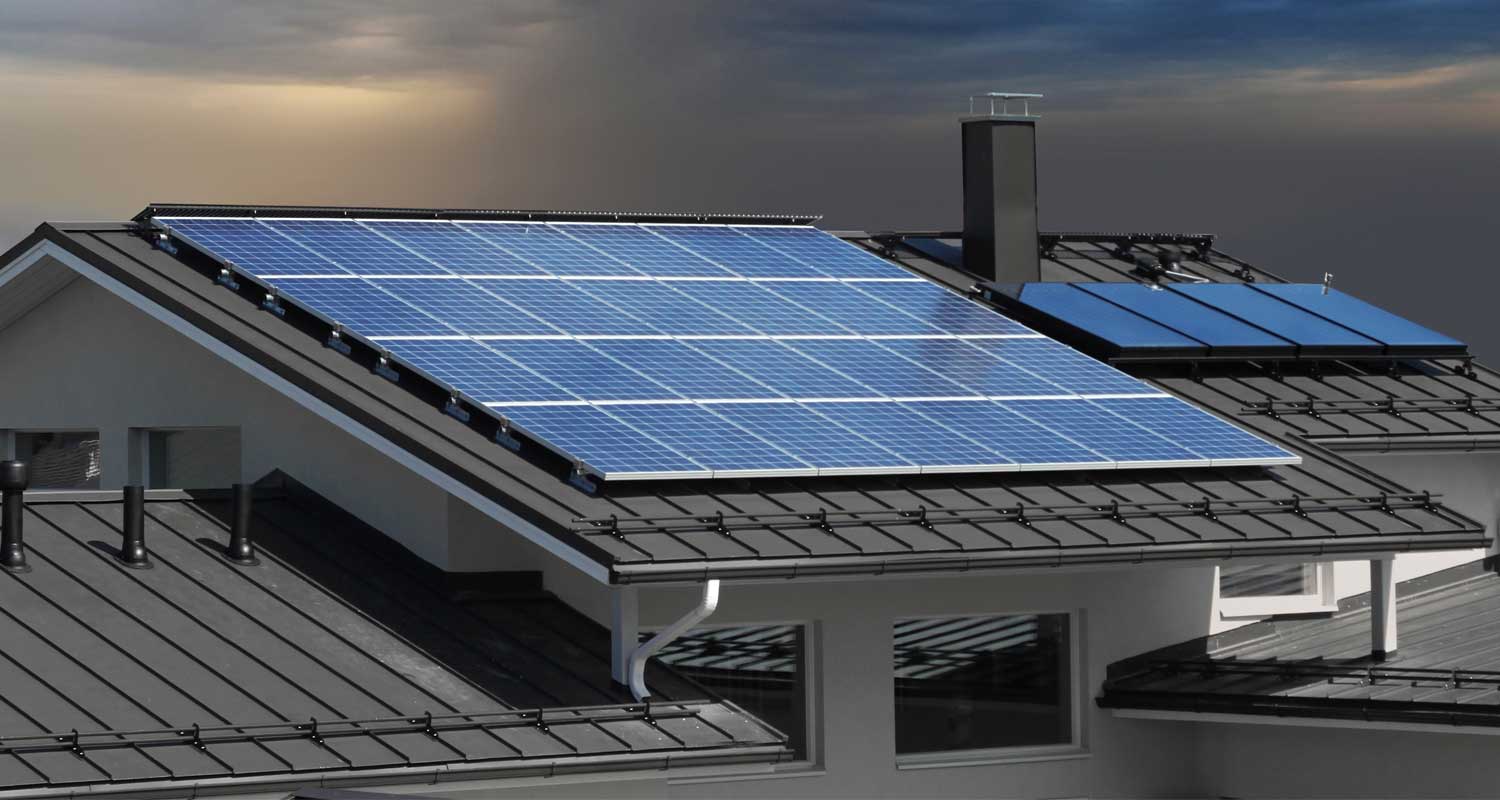
    South Africa is making efforts to increase the use of solar photovoltaic energy. But it’s happening at a slow pace.
    By The Conversation21 June 2024
    Twitter LinkedIn Facebook WhatsApp Email Telegram Copy Link
    News Alerts
    WhatsApp

    What's holding back mass solar adoption in South AfricaSouth Africa is making efforts to increase the use of solar photovoltaic energy. But it’s happening at a slow pace.

    Solar photovoltaic contributes less than 5% to the country’s energy mix, despite the sunny climate, which is very favourable for solar photovoltaic energy generation. So far, less than 10% of households have started using solar photovoltaic power regularly, though evidence suggests rapid uptake in the last few years with a 349% increase in rooftop solar PV capacity from 983MW in March 2022 to 4.4GW in June 2023.

    South Africa urgently needs to change this. It is highly dependent on coal fired power stations – about 85% of power is derived from fossil fuels. In addition, for the last decade it has faced increasingly severe power cuts. The rapid adoption of solar power could alleviate the pressure.

    Without addressing these problems, home solar power will remain a source of energy for the privileged only

    Government has taken steps to improve the situation. In its 10-point energy plan, published in 2022, it relaxed the requirements needed for private power generation. It also introduced short-lived tax rebates for solar panel installations starting in March 2023.

    As environmental scientists who focus on sustainable energy and household energy consumption, we conducted a scoping review to examine the barriers to household solar adoption in South Africa.

    We grouped the key problems we found into financial, personal, institutional, technical and societal barriers.

    We concluded that without addressing these problems, home solar power will remain a source of energy for the economically privileged only. Transitioning away from coal-fired power to renewable energy will remain a pipe dream in the country with the highest income inequality in the world.

    Financial barriers

    Our review found that financial barriers were the main reason many households had not adopted solar photovoltaic energy.

    Electricity price increases that are meant to fund the state owned electricity company Eskom are hitting low-income families hard. But switching to solar is too expensive for this cohort of South Africans. The current solar rebate refunds homeowners in South Africa 25% of their new panel costs to a maximum of R15 000. Without upfront financial support, start-up and maintenance costs are quite high.

    Poor households cannot get solar loans because they do not have assets as collateral. Similar barriers have also been reported in countries like Pakistan, Nigeria, Uganda and other developing countries where the high initial costs of solar energy make it hard for people to switch.

    Personal barriers

    Personal barriers also contribute to low adoption of solar photovoltaic among households. We found a number of examples:

    • A lack of knowledge. Little solar photovoltaic information is available. For example, some social housing households received solar water heaters but were not trained in how to use them. Eventually they broke down, which caused disappointment and frustration, and scared off other people who wanted to install solar geysers.
    • A negative perception of solar photovoltaic energy. Some households perceived it as a weak form of energy which would not meet all household needs.

    Institutional barriers

    Our research found that municipalities and Eskom did not really support solar photovoltaic adoption because they make money from selling coal-powered electricity. When people switch to solar photovoltaic energy, Eskom and municipalities lose income. For example, researchers found that Stellenbosch municipality would lose up to 2.4% of its revenue per year if households switched to solar energy.

    Another institutional barrier is the absence of clear and strong renewable energy policies in South Africa. For example, in 1999 the government rolled out solar home systems for a very small monthly fee to maintain the systems. But this project failed because there were no clear policies to guide the distribution of the systems, which led to corruption.
    Technical barriers

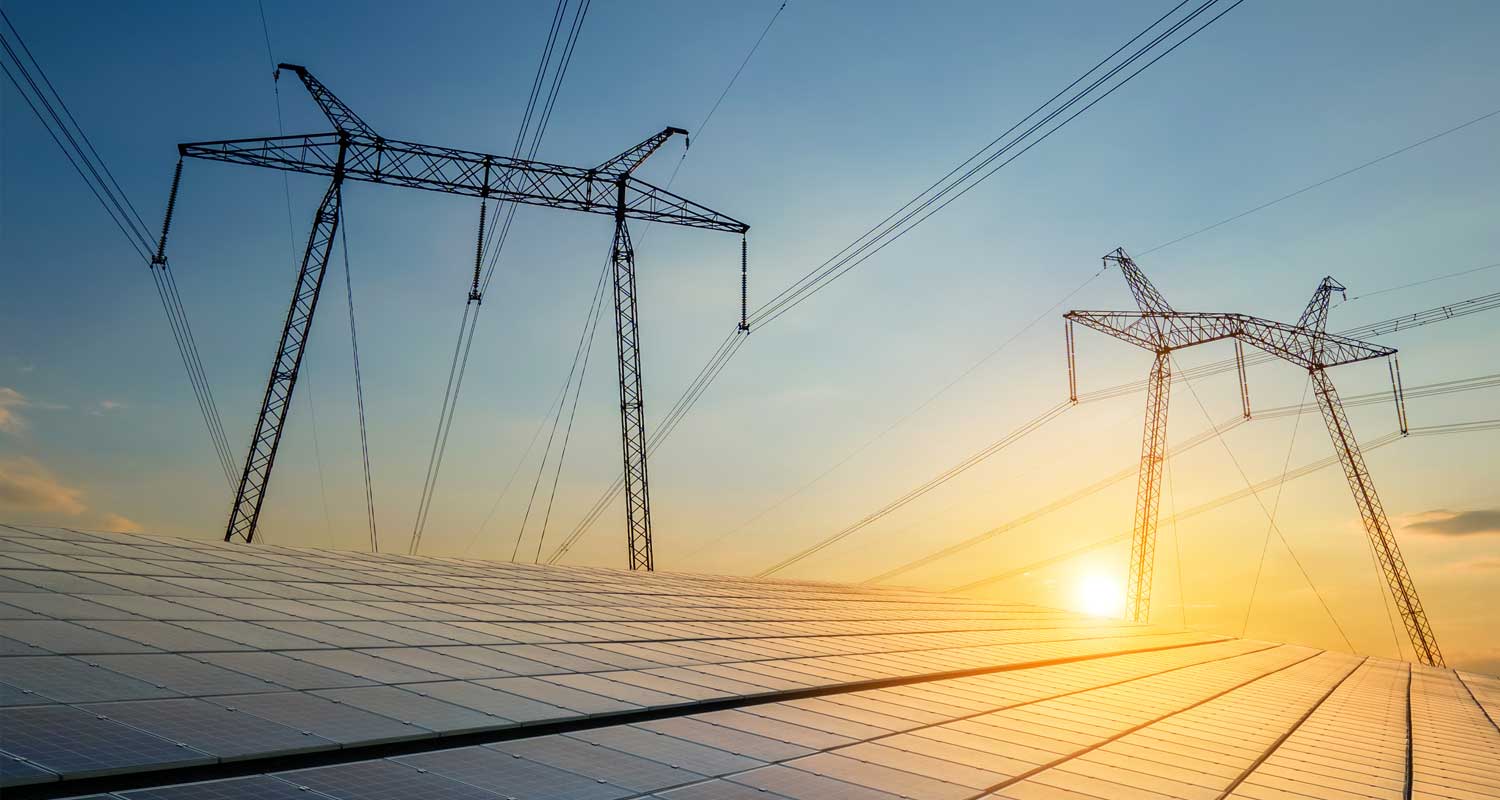
    Factors such as the breaking down of equipment, difficulties in finding spare parts and lack of maintenance services were the main technical barriers highlighted in our review.

    Some solar home systems that were donated through government projects broke down due to wear and tear. Getting spare parts was expensive and time-consuming as they had to be imported from abroad.

    Similar problems were reported in other African countries like Guinea-Bissau and Nigeria. Unlike developed countries, where spare parts are more readily available, developing nations often struggle due to a lack of local manufacturing.

    Social barriers

    Social barriers such as theft were some of the reasons why households were not willing to shift to solar photovoltaic energy. For example in the Solar Home System Electrification Programme pilot project in remote Folovhodwe village and the Vhembe district in northern Limpopo, theft of solar panels and equipment was very common. Residents believed this was because they were easy to steal. Therefore, people in those areas did not want to invest in solar energy.

    Next steps

    The first step needed is for the government to offer solar loans, power purchase agreements, subsidies and rebates. In the Seychelles, one of only four countries in Africa where all households have access to electricity, interest-free loans for solar geysers have been offered in the past.

    The second step is education about the benefits of solar photovoltaic systems. This could happen at community meetings, on social media and in the school curriculum. Solar photovoltaic companies also need to make sure people get the solar systems that are the right size for their needs and give them enough information before they install them.

    The third step is for companies selling rooftop solar to offer ongoing support and maintenance to their customers. South Africa also needs to invest in creating more solar photovoltaic industries and train more technicians to do the job.

    The final step is that security features on solar panels must be improved. Solar panels should be sold with motion sensors, floodlights and fasteners to prevent theft, and these security features should be subsidised by the government.The Conversation

    • The authors are: Uzziah Mutumbi, doctoral candidate in environmental science, Rhodes University; Gladman Thondhlana, associate professor of environmental science, Rhodes University; and Sheunesu Ruwanza, professor of environmental science, Rhodes University
    • This article is republished from The Conversation under a Creative Commons licence

    Read next: I went solar at home … this is what I learnt


    Subscribe to TechCentral Subscribe to TechCentral
    Share. Facebook Twitter LinkedIn WhatsApp Telegram Email Copy Link
    Previous ArticleAnthropic ups the ante with OpenAI with new AI model
    Next Article Crypto traders should not fear Sars disclosures: Luno

    Related Posts

    Telecoms industry backs Malatsi policy directive, warns on execution - ACT CEO Nomvuyiso Batyi

    Telecoms industry backs Malatsi policy directive, warns on execution

    17 December 2025
    TechCentral's International Newsmakers of 2025

    TechCentral’s International Newsmakers of 2025

    17 December 2025
    Warner Bros slams the door on Paramount

    Warner Bros slams the door on Paramount

    17 December 2025
    Company News
    Why TechCentral is the most powerful platform for reaching IT decision makers

    Why TechCentral is the most powerful platform for reaching IT decision makers

    17 December 2025
    Business trends to watch in 2026 - Domains.co.za

    Business trends to watch in 2026

    17 December 2025
    MTN Zambia launches world's first 4G cloud smartphone solution - Huawei

    MTN Zambia launches world’s first 4G cloud smartphone solution

    17 December 2025
    Opinion
    Netflix, Warner Bros deal raises fresh headaches for MultiChoice - Duncan McLeod

    Netflix, Warner Bros deal raises fresh headaches for MultiChoice

    5 December 2025
    BIN scans, DDoS and the next cybercrime wave hitting South Africa's banks - Entersekt Gerhard Oosthuizen

    BIN scans, DDoS and the next cybercrime wave hitting South Africa’s banks

    3 December 2025
    Your data, your hardware: the DIY AI revolution is coming - Duncan McLeod

    Your data, your hardware: the DIY AI revolution is coming

    20 November 2025

    Subscribe to Updates

    Get the best South African technology news and analysis delivered to your e-mail inbox every morning.

    Latest Posts
    Telecoms industry backs Malatsi policy directive, warns on execution - ACT CEO Nomvuyiso Batyi

    Telecoms industry backs Malatsi policy directive, warns on execution

    17 December 2025
    TechCentral's International Newsmakers of 2025

    TechCentral’s International Newsmakers of 2025

    17 December 2025
    Warner Bros slams the door on Paramount

    Warner Bros slams the door on Paramount

    17 December 2025
    Why TechCentral is the most powerful platform for reaching IT decision makers

    Why TechCentral is the most powerful platform for reaching IT decision makers

    17 December 2025
    © 2009 - 2025 NewsCentral Media
    • Cookie policy (ZA)
    • TechCentral – privacy and Popia

    Type above and press Enter to search. Press Esc to cancel.

    Manage consent

    TechCentral uses cookies to enhance its offerings. Consenting to these technologies allows us to serve you better. Not consenting or withdrawing consent may adversely affect certain features and functions of the website.

    Functional Always active
    The technical storage or access is strictly necessary for the legitimate purpose of enabling the use of a specific service explicitly requested by the subscriber or user, or for the sole purpose of carrying out the transmission of a communication over an electronic communications network.
    Preferences
    The technical storage or access is necessary for the legitimate purpose of storing preferences that are not requested by the subscriber or user.
    Statistics
    The technical storage or access that is used exclusively for statistical purposes. The technical storage or access that is used exclusively for anonymous statistical purposes. Without a subpoena, voluntary compliance on the part of your Internet Service Provider, or additional records from a third party, information stored or retrieved for this purpose alone cannot usually be used to identify you.
    Marketing
    The technical storage or access is required to create user profiles to send advertising, or to track the user on a website or across several websites for similar marketing purposes.
    • Manage options
    • Manage services
    • Manage {vendor_count} vendors
    • Read more about these purposes
    View preferences
    • {title}
    • {title}
    • {title}