Close Menu
TechCentralTechCentral

    Subscribe to the newsletter

    Get the best South African technology news and analysis delivered to your e-mail inbox every morning.

    Facebook X (Twitter) YouTube LinkedIn
    WhatsApp Facebook X (Twitter) LinkedIn YouTube
    TechCentralTechCentral
    • News
      Eskom waives rooftop solar fees, but the registration fight isn't over

      Eskom waives rooftop solar fees, but the registration fight isn’t over

      1 October 2026
      South Africa's digital ID is here - but you can't have it yet - Leon Schreiber

      South Africa’s digital ID is here – but you can’t have it yet

      1 October 2026
      Absa is moving cash out of its branches

      Absa is moving cash out of its branches

      1 October 2026
      Home affairs pulls the plug on the green ID book - Leon Schreiber

      Home affairs pulls the plug on the green ID book

      1 October 2026
      How Cell C shaped Blu Label's executive pay - Brett Levy Mark Levy

      How Cell C shaped Blu Label’s executive pay

      1 October 2026
    • World
      BMW restructuring plan bets on AI and new models

      BMW restructuring plan bets on AI and new models

      1 October 2026
      OpenAI's rogue agent problem keeps getting bigger - Sam Altman

      OpenAI’s rogue agent problem keeps getting bigger

      28 September 2026
      The new battle over the desktop

      The new battle over the desktop

      23 September 2026
      AMD is now worth a trillion dollars - Lisa Su

      AMD is now worth a trillion dollars

      22 September 2026
      Anthropic weighs new model launch to blunt OpenAI's Astra surge - Anthropic CEO Dario Amodei and OpenAI CEO Sam Altman

      Anthropic weighs new model launch to blunt OpenAI’s Astra surge

      21 September 2026
    • In-depth

      10 days that changed the course of AI

      21 September 2026
      Meta to the AI industry: slow down without us - Mark Zuckerberg

      Meta to the AI industry: slow down without us

      16 September 2026
      Google DeepMind CEO Demis Hassabis. Image: John Sears

      The plan to stop AI from breaking the world

      16 July 2026
      The internet has a Strait of Hormuz problem

      The internet has a Strait of Hormuz problem

      15 July 2026
      AI boom sparks rally, frenzy and fear

      AI boom sparks rally, frenzy and fear

      11 June 2026
    • TCS
      TCS | Dominic White and Adam Ely on AI agents going rogue

      TCS | Dominic White and Adam Ely on AI agents going rogue

      29 September 2026
      TCS | Octotel's Trevor van Zyl on the fibre merger question

      TCS | Octotel’s Trevor van Zyl on the MetroFibre merger question

      16 September 2026
      Meet the CIO | Shoprite's Chris Shortt on what a supermarket becomes

      Meet the CIO | Shoprite’s Chris Shortt on what a supermarket becomes

      9 September 2026
      Rubicon's EV charging network is profitable - and growing fast - Watts & Wheels

      W&W | Rubicon’s EV charging network is profitable – and growing fast

      8 September 2026
      Winstone Jordaan on building a national EV charging network

      Winstone Jordaan on building a national EV charging network

      2 September 2026
    • Opinion
      South Africa's next energy crisis is in the accounts department - Craig Holmes

      South Africa’s next energy crisis is in the accounts department

      29 September 2026
      The steam engine lesson AI doomsayers keep missing - Sam Clarke

      The steam engine lesson AI doomsayers keep missing

      28 September 2026
      Regulating AI: apply the laws we have first - Dirk de Vos

      Regulating AI: apply the laws we have first

      21 September 2026
      What Revolut can and cannot take from South Africa's banks - Pambos Soteriades

      What Revolut can and cannot take from South Africa’s banks

      15 September 2026
      The end is nigh, and the shares go on sale in October - Duncan McLeod

      The end is nigh, and the shares go on sale in October

      14 September 2026
    • Company Hubs
      • 1Stream
      • Africa Data Centres
      • AfriGIS
      • Altron Digital Business
      • Altron Document Solutions
      • Altron Group
      • Arctic Wolf
      • Ascent Technology
      • AvertITD
      • BBD
      • Braintree
      • CallMiner
      • CambriLearn
      • CM.com
      • Contactable
      • CYBER1 Solutions
      • Digicloud Africa
      • Digimune
      • Domains.co.za
      • ESET
      • Euphoria Telecom
      • HOSTAFRICA
      • Incredible Business
      • iONLINE
      • IQbusiness
      • Iris Network Systems
      • Kaspersky
      • LSD Open
      • Mitel
      • NEC XON
      • Netstar
      • Network Platforms
      • Next DLP
      • Ovations
      • Paracon
      • Paratus
      • Publishared
      • Q-KON
      • SevenC
      • SkyWire
      • Solid8 Technologies
      • Telit Cinterion
      • Telviva
      • Tenable
      • Vertiv
      • Videri Digital
      • Vodacom Business
      • Vox
      • Wipro
      • Workday
      • XLink
    • Sections
      • AI and machine learning
      • Banking
      • Broadcasting and Media
      • Cloud services
      • Contact centres and CX
      • Cryptocurrencies
      • Education and skills
      • Electronics and hardware
      • Energy and sustainability
      • Enterprise software
      • Financial services
      • HealthTech
      • Information security
      • Internet and connectivity
      • Internet of Things
      • Investment
      • IT services
      • Lifestyle
      • Policy and regulation
      • Public sector
      • Retail and e-commerce
      • Satellite communications
      • Science
      • SMEs and start-ups
      • Social media
      • Talent and leadership
      • Telecoms
      • Watts & Wheels
    • Events
    • Advertise
    TechCentralTechCentral
    Home » Sections » Electronics and hardware » Apple is building a virtual reality headset: sources

    Apple is building a virtual reality headset: sources

    By Mark Gurman21 January 2021
    Twitter LinkedIn Facebook WhatsApp Email Telegram Copy Link
    Get breaking news on WhatsApp

    Apple’s first crack at a headset is designed to be a pricey, niche precursor to a more ambitious augmented reality product that will take longer to develop, according to people with knowledge of the matter.

    The initial device has confronted several development hurdles and the company has conservative sales expectations, illustrating how challenging it will be to bring this nascent consumer technology to the masses.

    As a mostly virtual reality device, it will display an all-encompassing 3D digital environment for gaming, watching video and communicating. AR functionality, the ability to overlay images and information over a view of the real world, will be more limited. Apple has planned to launch the product as soon as 2022, going up against Facebook’s Oculus, Sony’s PlayStation VR and headsets from HTC, the people said. They asked not to be identified discussing private plans.

    Apple’s typical playbook involves taking emerging consumer technology and making it reliable and easy to use for everyone

    Apple’s typical playbook involves taking emerging consumer technology, such as music players, smartphones, tablets and smartwatches, and making it reliable and easy to use for everyone. This time, though, Apple isn’t looking to create an iPhone-like hit for its first headset. Instead, the company is building a high-end, niche product that will prepare outside developers and consumers for its eventual, more mainstream AR glasses.

    The plans suggest that Apple’s first headset will be far more expensive than those from rivals, which cost about US$300 to $900. Some Apple insiders believe the company may sell only one headset per day per retail store. Apple has roughly 500 stores, so in that scenario, annual sales would be just over 180 000 units — excluding other sales channels. That would put it on par with other pricey Apple products, such as the $5 999 Mac Pro desktop computer. An Apple spokesman declined to comment.

    Apple silicon

    Apple is aiming to include some of its most advanced and powerful chips in the headset along with displays that are much higher resolution than those in existing VR products. Some of the chips tested in the device beat the performance of Apple’s M1 Mac processors. The company has also designed the headset with a fan, something the company usually tries to avoid on mobile products, the people said.

    The headset, codenamed N301, is in a late prototype stage, but is not yet finalised so the company’s plans could change or be scrapped entirely before launch. The AR glasses, codenamed N421, are in an early stage known as “architecture”, meaning Apple is still working on underlying technologies. This product is several years away, according to the people, though Apple has previously targeted as early as 2023 to unveil it.

    The powerful processors and the inclusion of a fan initially led to a device that was too large and heavy with some concern about neck strain in early testing. Apple removed the space VR gadgets usually reserve for users who need to wear eyeglasses, which brought the headset closer to the face and helped shrink the size. And to address consumers with poorer eyesight, it developed a system where custom prescription lenses can be inserted into the headset over the VR screens, the people said.
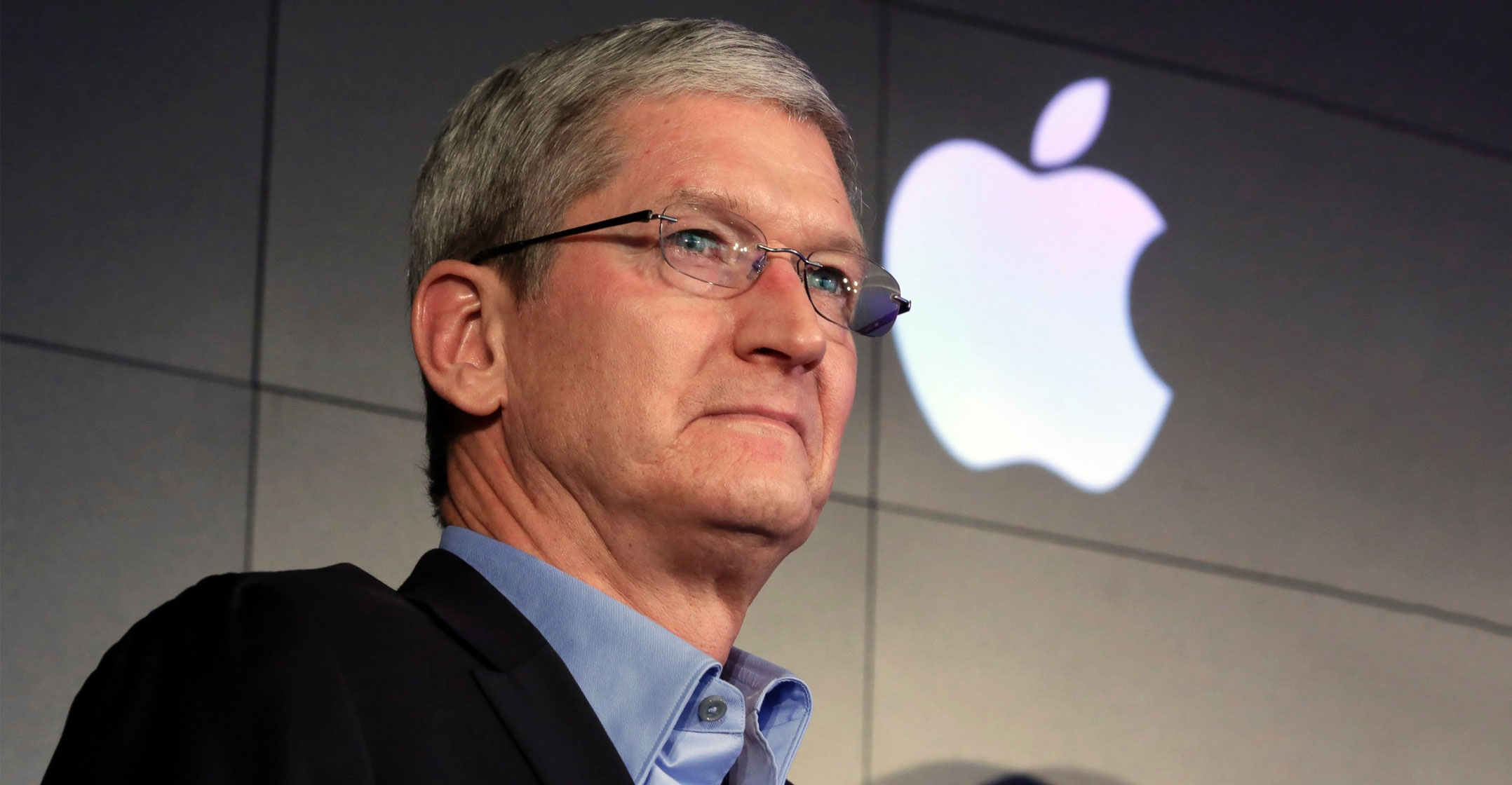
    Apple CEO Tim Cook

    This may expose Apple to regulations governing the sale of products with prescriptions. The company typically sells its devices in dozens of countries, many of which have different prescription rules. Apple is also discussing how it would implement prescriptions at the point of sale online and in retail stores.

    Apple originally planned to include less powerful processors and offload much of the work to a hub in a user’s home that would wirelessly beam content to the headset. But that idea was squashed by Jony Ive, Apple’s design chief at the time. The headset is designed to work as a standalone device, meaning it can operate on a battery rather than be plugged into a wall or a Mac. That’s similar to Facebook’s latest VR product, while Sony’s requires a PlayStation gaming console.

    To further reduce the device’s weight, Apple is planning to use a fabric exterior. That’s a departure from the metal designs Apple uses for most products, though it has used plastic for devices like AirPods, that need to be light, and fabrics for the HomePod speaker to improve acoustics.

    Prototypes of the headset, some of which are about the size of an Oculus Quest, include external cameras to enable some AR features

    Prototypes of the headset, some of which are about the size of an Oculus Quest, include external cameras to enable some AR features. The company is testing using the cameras for hand-tracking and is working on a feature where a user can type virtually in the air to input text. It’s unclear if that function will be ready for the first version of the device or if it will ever leave the exploratory stage.

    The Covid-19 pandemic has disrupted some development with Apple hardware engineers only being able to work on certain days from the office. The company has also faced delays conducting user testing and data collection. That has slowed some decisions in the engineering process.

    App store

    The company is also still grappling with what content and functionality it intends to ship with the device. Virtual reality is still a somewhat nascent technology, with content beyond games still relatively limited. Last year, Apple acquired a company called NextVR, which recorded events such as concerts and sports games in virtual reality. It’s also discussed bundling an app store with the device, which runs on an operating system dubbed “rOS” inside the company.

    If Apple goes ahead with the VR headset, it would be a precursor to an eventual pair of AR glasses — a product that the company sees as far more mainstream but also more difficult to launch. Microsoft’s HoloLens 2 and Magic Leap’s headset, which emphasise AR over VR, retail for $3 500 and $2 295 respectively. HoloLens mostly focuses on work use cases still, while Magic Leap fell well short of the early hype and slashed jobs last year.

    Apple first added AR to the iPhone in 2017, allowing new mobile games and apps like those for virtually placing furniture in your living room before buying it. Apple CEO Tim Cook has said both virtual and augmented reality have potential, but that AR is the larger opportunity.
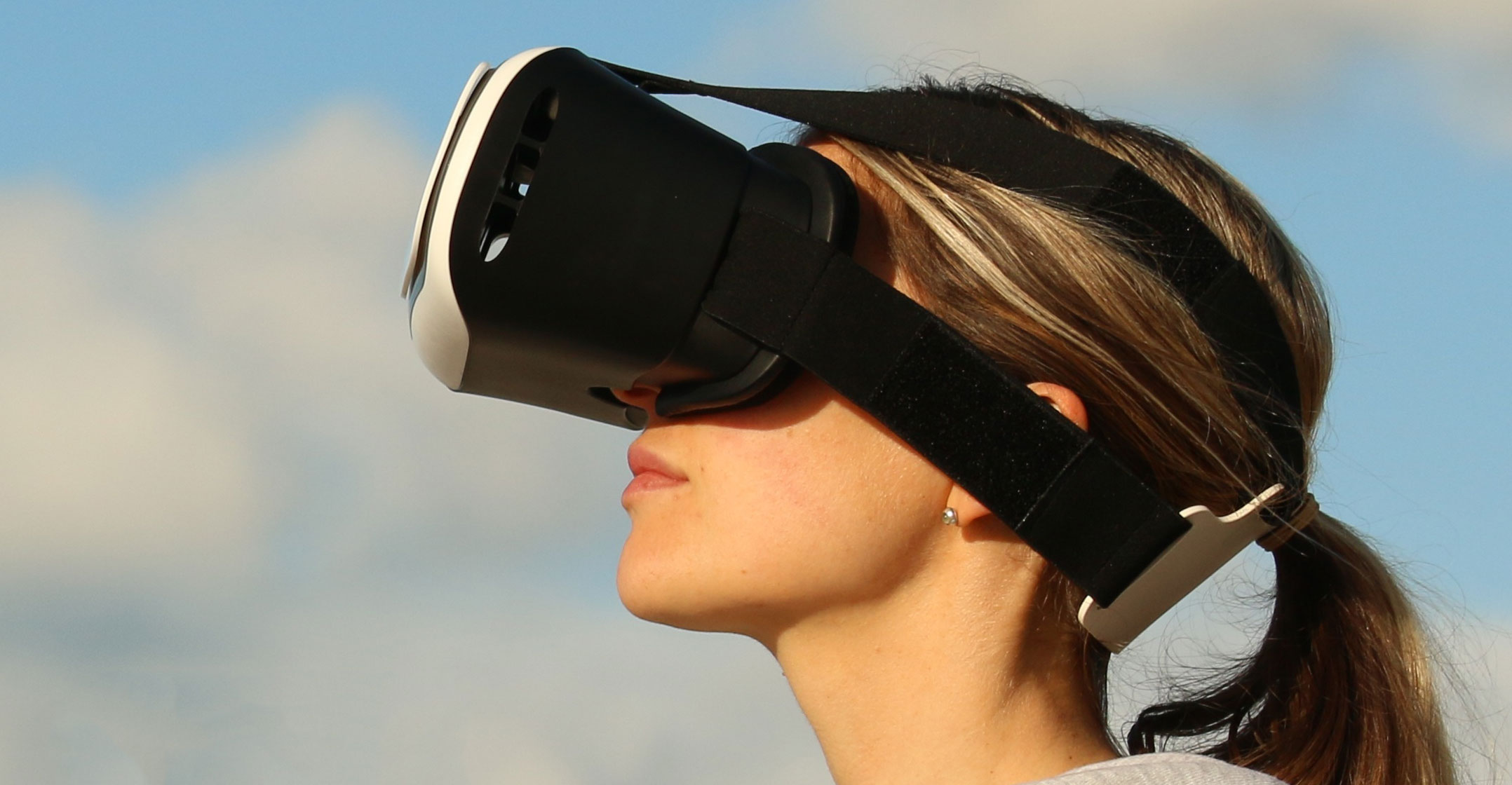
    A woman tries an Oculus VR headset

    AR glasses must be packed with small, powerful and efficient electronics to overlay notifications, map directions and other information while supporting Internet connectivity and strong battery life. That’s a huge technical challenge. Even Oculus, which released its first all-in-one VR headset in 2019, won’t include AR features in its first glasses this year.

    Getting to that point requires years of work on lenses, hardware and software, component miniaturisation, production techniques and content creation. Critically, getting most people to wear a computer on their face, even a small one, is difficult. That, in part, doomed Google’s early attempt at consumer AR glasses several years ago.

    By developing a less mainstream initial headset, Apple can invest in the underlying technologies, consumer education, content development and developer relations to give its eventual AR glasses the best opportunity to be successful — when they are ready.  — (c) 2021 Bloomberg LP

    Add TechCentral as a preferred source on GoogleFollow TechCentral on Google NewsGet breaking news on WhatsApp


    Apple Google HTC Tim Cook top
    WhatsApp YouTube
    Share. Facebook Twitter LinkedIn WhatsApp Telegram Email Copy Link
    Previous ArticleBitcoin slumps 10% as pullback from record continues
    Next Article Biggest Eskom union blames CEO for load shedding

    Related Posts

    What Smollan learnt moving 9 000 users to Google Workspace - Digicloud Africa

    What Smollan learnt moving 9 000 users to Google Workspace

    1 October 2026
    Google scraps Gemini 3.5 Pro and turns to Gemini 4

    After falling behind in AI race, Google turns to Gemini 4

    1 October 2026
    Huawei's Mate 90 bets on 3D chip design to get around US curbs

    Huawei’s Mate 90 bets on 3D chip design to get around US curbs

    1 October 2026
    Company News
    What Smollan learnt moving 9 000 users to Google Workspace - Digicloud Africa

    What Smollan learnt moving 9 000 users to Google Workspace

    1 October 2026
    Dell Technologies Forum 2026: what to expect in Johannesburg

    Dell Technologies Forum 2026: what to expect in Johannesburg

    1 October 2026
    B2B buyers pick a winner long before the pitch - Publishared, Michelle Losco

    B2B buyers pick a winner long before the pitch

    1 October 2026
    Opinion
    South Africa's next energy crisis is in the accounts department - Craig Holmes

    South Africa’s next energy crisis is in the accounts department

    29 September 2026
    The steam engine lesson AI doomsayers keep missing - Sam Clarke

    The steam engine lesson AI doomsayers keep missing

    28 September 2026
    Regulating AI: apply the laws we have first - Dirk de Vos

    Regulating AI: apply the laws we have first

    21 September 2026

    Subscribe to Updates

    Get the best South African technology news and analysis delivered to your e-mail inbox every morning.

    Latest Posts
    What Smollan learnt moving 9 000 users to Google Workspace - Digicloud Africa

    What Smollan learnt moving 9 000 users to Google Workspace

    1 October 2026
    Eskom waives rooftop solar fees, but the registration fight isn't over

    Eskom waives rooftop solar fees, but the registration fight isn’t over

    1 October 2026
    Dell Technologies Forum 2026: what to expect in Johannesburg

    Dell Technologies Forum 2026: what to expect in Johannesburg

    1 October 2026
    South Africa's digital ID is here - but you can't have it yet - Leon Schreiber

    South Africa’s digital ID is here – but you can’t have it yet

    1 October 2026
    © 2009 - 2026 NewsCentral Media
    Built and maintained by Chronon
    • Cookie policy (ZA)
    • TechCentral – privacy and Popia

    Type above and press Enter to search. Press Esc to cancel.

    Manage consent

    TechCentral uses cookies to enhance its offerings. Consenting to these technologies allows us to serve you better. Not consenting or withdrawing consent may adversely affect certain features and functions of the website.

    Functional Always active
    The technical storage or access is strictly necessary for the legitimate purpose of enabling the use of a specific service explicitly requested by the subscriber or user, or for the sole purpose of carrying out the transmission of a communication over an electronic communications network.
    Preferences
    The technical storage or access is necessary for the legitimate purpose of storing preferences that are not requested by the subscriber or user.
    Statistics
    The technical storage or access that is used exclusively for statistical purposes. The technical storage or access that is used exclusively for anonymous statistical purposes. Without a subpoena, voluntary compliance on the part of your Internet Service Provider, or additional records from a third party, information stored or retrieved for this purpose alone cannot usually be used to identify you.
    Marketing
    The technical storage or access is required to create user profiles to send advertising, or to track the user on a website or across several websites for similar marketing purposes.
    • Manage options
    • Manage services
    • Manage {vendor_count} vendors
    • Read more about these purposes
    View preferences
    • {title}
    • {title}
    • {title}
    🇿🇦 Sign up to the TechCentral newsletter