Close Menu
TechCentralTechCentral

    Subscribe to the newsletter

    Get the best South African technology news and analysis delivered to your e-mail inbox every morning.

    Facebook X (Twitter) YouTube LinkedIn
    WhatsApp Facebook X (Twitter) LinkedIn YouTube
    TechCentralTechCentral
    • News
      Post Office still faces liquidation risk as policy rift widens - Mondli Gungubele

      Post Office still faces liquidation risk as policy rift widens

      9 February 2026
      SABC says it can't afford to cover the next election

      SABC says it can’t afford to cover the next election

      9 February 2026
      Home affairs' R10 ID fee is forcing companies to rethink identity verification

      Home affairs’ R10 ID fee is forcing companies to rethink identity verification

      9 February 2026
      Tech salaries in South Africa are bouncing back

      Tech salaries in South Africa are bouncing back

      9 February 2026
      Vumatel tops a million subscribers in South African broadband milestone - Dietlof Mare

      Vumatel tops a million subscribers in South African broadband milestone

      9 February 2026
    • World
      EU regulators take aim at WhatsApp

      EU regulators take aim at WhatsApp

      9 February 2026
      Musk hits brakes on Mars mission

      Musk hits brakes on Mars mission

      9 February 2026
      Crypto firm accidentally sends R700-billion in bitcoin to its users

      Crypto firm accidentally sends R700-billion in bitcoin to its users

      8 February 2026
      AI won't replace software, says Nvidia CEO amid market rout - Jensen Huang

      AI won’t replace software, says Nvidia CEO amid market rout

      4 February 2026
      Apple acquires audio AI start-up Q.ai

      Apple acquires audio AI start-up Q.ai

      30 January 2026
    • In-depth
      How liberalisation is rewiring South Africa's power sector

      How liberalisation is rewiring South Africa’s power sector

      21 January 2026
      The top-performing South African tech shares of 2025

      The top-performing South African tech shares of 2025

      12 January 2026
      Digital authoritarianism grows as African states normalise internet blackouts

      Digital authoritarianism grows as African states normalise internet blackouts

      19 December 2025
      TechCentral's South African Newsmakers of 2025

      TechCentral’s South African Newsmakers of 2025

      18 December 2025
      Black Friday goes digital in South Africa as online spending surges to record high

      Black Friday goes digital in South Africa as online spending surges to record high

      4 December 2025
    • TCS
      TCS+ | How Cloud On Demand is helping SA businesses succeed in the cloud - Xhenia Rhode, Dion Kalicharan

      TCS+ | Cloud On Demand and Consnet: inside a real-world AWS partner success story

      30 January 2026
      Watts & Wheels S1E3: 'BYD's Corolla Cross challenger'

      Watts & Wheels S1E3: ‘BYD’s Corolla Cross challenger’

      30 January 2026
      Watts & Wheels S1E3: 'BYD's Corolla Cross challenger'

      Watts & Wheels S1E2: ‘China attacks, BMW digs in, Toyota’s sublime supercar’

      23 January 2026

      TCS+ | Why cybersecurity is becoming a competitive advantage for SA businesses

      20 January 2026
      Watts & Wheels S1E3: 'BYD's Corolla Cross challenger'

      Watts & Wheels: S1E1 – ‘William, Prince of Wheels’

      8 January 2026
    • Opinion
      South Africa's skills advantage is being overlooked at home - Richard Firth

      South Africa’s skills advantage is being overlooked at home

      29 January 2026
      Why Elon Musk's Starlink is a 'hard no' for me - Songezo Zibi

      Why Elon Musk’s Starlink is a ‘hard no’ for me

      26 January 2026
      South Africa's new fibre broadband battle - Duncan McLeod

      South Africa’s new fibre broadband battle

      20 January 2026
      AI moves from pilots to production in South African companies - Nazia Pillay SAP

      AI moves from pilots to production in South African companies

      20 January 2026
      South Africa's new fibre broadband battle - Duncan McLeod

      ANC’s attack on Solly Malatsi shows how BEE dogma trumps economic reality

      14 December 2025
    • Company Hubs
      • Africa Data Centres
      • AfriGIS
      • Altron Digital Business
      • Altron Document Solutions
      • Altron Group
      • Arctic Wolf
      • AvertITD
      • Braintree
      • CallMiner
      • CambriLearn
      • CYBER1 Solutions
      • Digicloud Africa
      • Digimune
      • Domains.co.za
      • ESET
      • Euphoria Telecom
      • Incredible Business
      • iONLINE
      • IQbusiness
      • Iris Network Systems
      • LSD Open
      • NEC XON
      • Netstar
      • Network Platforms
      • Next DLP
      • Ovations
      • Paracon
      • Paratus
      • Q-KON
      • SevenC
      • SkyWire
      • Solid8 Technologies
      • Telit Cinterion
      • Tenable
      • Vertiv
      • Videri Digital
      • Vodacom Business
      • Wipro
      • Workday
      • XLink
    • Sections
      • AI and machine learning
      • Banking
      • Broadcasting and Media
      • Cloud services
      • Contact centres and CX
      • Cryptocurrencies
      • Education and skills
      • Electronics and hardware
      • Energy and sustainability
      • Enterprise software
      • Financial services
      • Information security
      • Internet and connectivity
      • Internet of Things
      • Investment
      • IT services
      • Lifestyle
      • Motoring
      • Public sector
      • Retail and e-commerce
      • Satellite communications
      • Science
      • SMEs and start-ups
      • Social media
      • Talent and leadership
      • Telecoms
    • Events
    • Advertise
    TechCentralTechCentral
    Home » Sections » Electronics and hardware » Can Pat Gelsinger turn around a struggling Intel?

    Can Pat Gelsinger turn around a struggling Intel?

    By Ian King17 February 2022
    Twitter LinkedIn Facebook WhatsApp Email Telegram Copy Link
    News Alerts
    WhatsApp
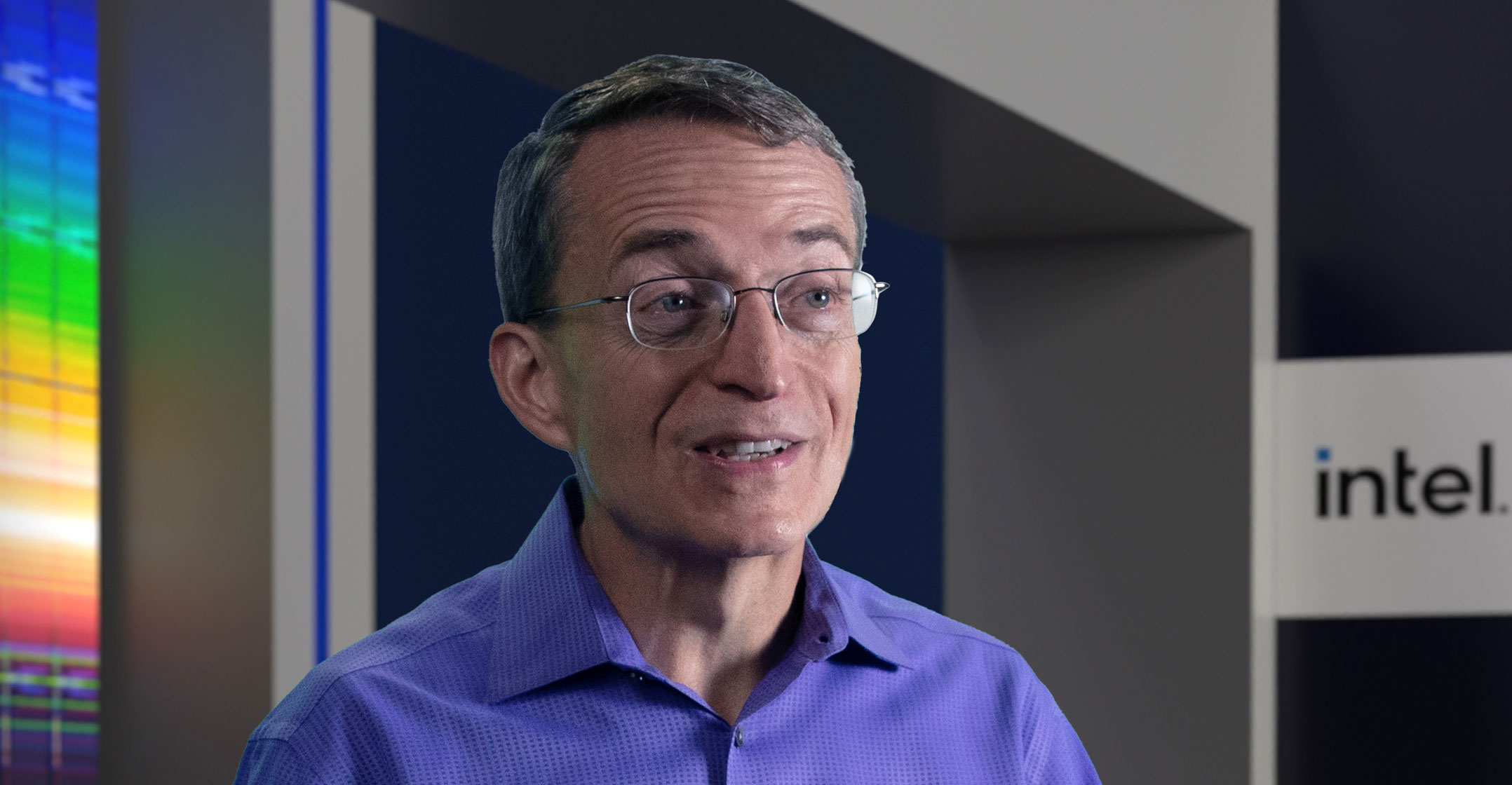
    Intel CEO Pat Gelsinger

    Intel CEO Pat Gelsinger, who took the job in February 2021, gives himself an A- grade for his first year running the chip maker. Investors are proving to be tougher graders.

    No one is faulting the 60-year-old’s energy level and ambition. But he’s trying to reshape the competitive landscape of the US$500-billion chip industry, turn around its most iconic company, and change industrial policy in the US and Europe — at a pace he likes to call “torrid”.

    And the plan is going to be expensive. Very expensive. In the US state of Ohio, Gelsinger is spending $20-billion to build the world’s biggest chip-making facility. He’s also planning an expansion in Europe, making deals and ramping up research spending — weighing on Intel’s once-dependable profit margins. That’s testing the patience of investors, who have sent the shares down 22% in the past year.

    Gelsinger started his career at Intel in 1979 and was the lead architect of the original 80486 chip

    Just this week, Intel agreed to buy Tower Semiconductor for $5.4-billion, part of a push into making chips on a contract basis for other companies.

    In a Bloomberg Television interview, Gelsinger acknowledged that Intel’s comeback won’t happen overnight but slammed Wall Street analysts for sticking to a negative view. The executive said he’s “pissed” off at what he calls perma-bears. But Gelsinger believes that others are getting excited about the company restoring its prowess and creating “the new old Intel”.

    “In some regards, we’re ahead of where I thought we’d be; in some areas, we’re not as far as I thought we’d be,” Gelsinger said. “And it really is more a statement of the massive challenge in front of us.”

    This is Gelsinger’s second stint at Intel, having spent decades at the chip maker before leaving to run VMware in 2009. When he returned as CEO last year, the hope was he could chart a new course — but also remember what made Intel great in the first place.

    Aggressive strategy

    Within a few weeks of rejoining the company, Gelsinger outlined an aggressive strategy aimed at reclaiming the manufacturing leadership that his predecessors had allowed to slip. He followed that up with his plans to rebuild production in the US and Europe, aiming to counterbalance a shift of manufacturing to Asia. He’s also lobbied for billions of dollars in government support.

    But it could be an uphill fight. Longtime underdog AMD has become a fierce competitor, and some of Intel’s most prized customers — including Apple — are developing their own chips.

    For now, investors such as NZS Capital are taking a wait-and-see approach. “I think he deserves good marks for what he’s done,” said Jon Bathgate, a fund manager at the firm in Denver. “But the lift is just extremely heavy, and people that think that this can be resolved in a handful of quarters — even a handful of years — probably don’t understand the challenges that he was facing coming in in the first place.”

    Bathgate said NZS isn’t investing in Intel because there are other companies that are “firing on all cylinders”. Intel will have to show better financials, prove it can land big outsourced chip customers and stop losing market share, he said.

    Other investors agree. Intel’s performance over the past year puts it at 27th in the Philadelphia Stock Exchange Semiconductor Index of 30 stocks. And its shares have declined sharply each time Intel has reported earnings — a sign investors aren’t happy with Intel’s progress.
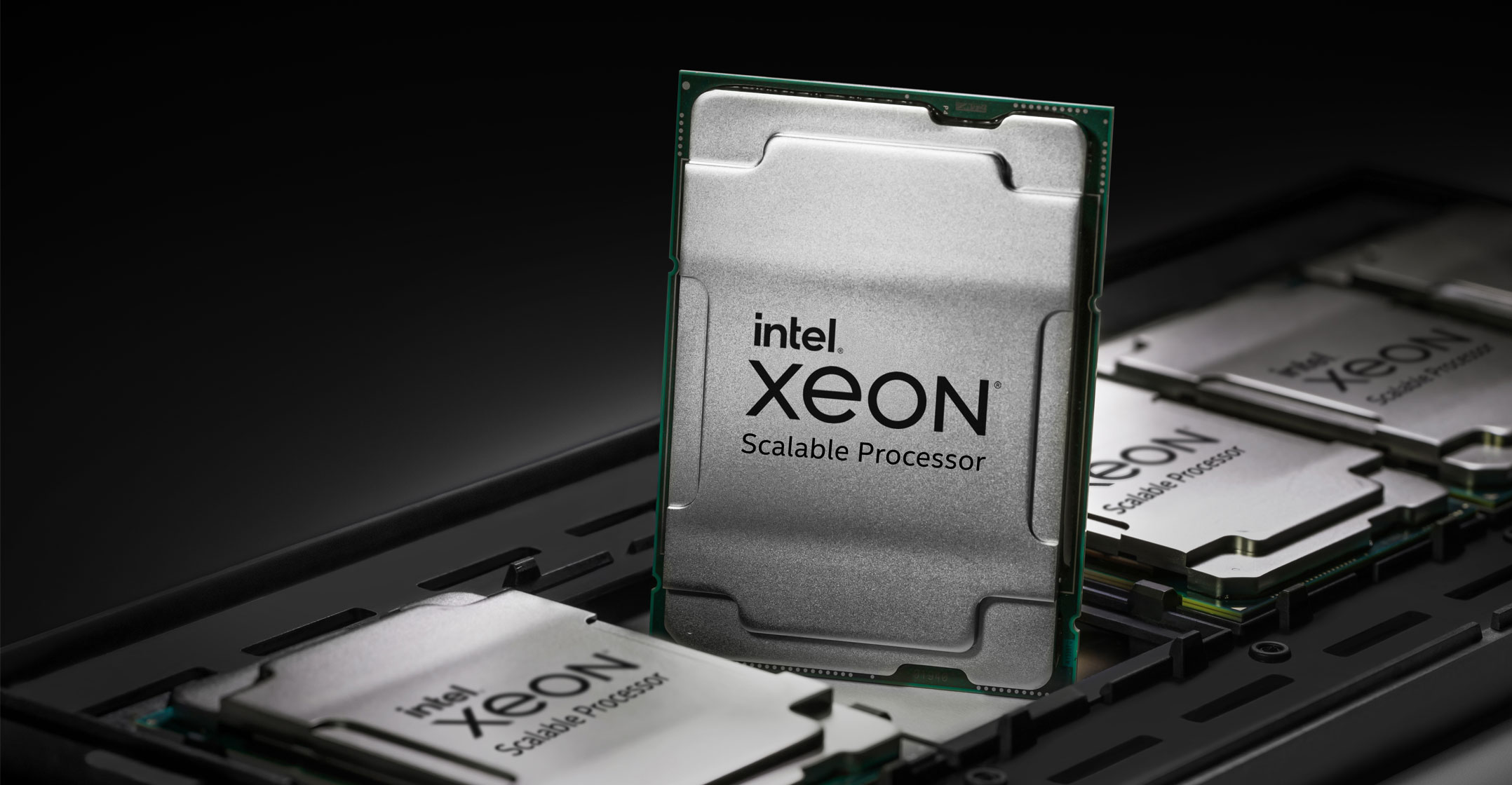
    Take Intel’s gross margin — the percentage of revenue remaining after deducting the cost of production — a key sign of health for a manufacturing company. It’s expected to be about 52% this year. That figure would be stratospheric in the automotive industry, but it’s 10 percentage points below Intel’s historical levels. It’s also below those of some peers. Texas Instruments is close to 70%, and AMD — not known for its fat margins in the past — reached 50% last quarter.

    In many ways, Gelsinger is trying to turn back the clock and restore Intel to what it looked like in 2009, when he left to run VMware. Back then, the computer industry bought Intel chips because they had to: its Xeons and Core processors were so much better than the few viable alternatives. That position gave Intel a level of profitability that was the envy of the chip industry and enough cash to let it spend more than any rival on technology and manufacturing.

    Gelsinger started his career at Intel in 1979 and was the lead architect of the original 80486 chip. He likes to say he “went through puberty there”, working for chip-industry pioneers like Gordon Moore and Andy Grove.

    But these days, the company is playing catch-up. Gelsinger plans to spend as much as $28-billion on new plants and equipment this year, up from roughly $10-billion a year earlier. Taiwan’s TSMC expects to shell out $40-billion and Samsung Electronics, which spent $36-billion in 2021, will likely exceed that level this year, according to analysts’ estimates.

    Gelsinger said he’s trying to overcome a decade of “bad decisions and poor execution”. But even with a spending spree underway, Intel isn’t keeping up with its fellow chip giants.

    The year before Gelsinger left Intel, the chip maker had the same annual revenue as Apple: about $37-billion

    Intel’s customer base has undergone a transformation, too. The year before Gelsinger left Intel, the chip maker had the same annual revenue as Apple: about $37-billion. Intel was about $5-billion ahead in market capitalisation. Since then, Intel has roughly doubled in revenue. But Apple now has a valuation of $2.8-trillion, annual sales of $365-billion and a cash position that exceeds Intel’s total market capitalisation. Other big buyers chips — Amazon.com, Microsoft, Google and Meta Platforms — also dwarf Intel in size.

    Intel is setting ambitious goals, but from “a position of relative weakness”, said Tom Fitzgerald, a fund manager at EdenTree Investment Management. The competition has evolved over the past decade, he said, and so have the customers.

    Many of Intel’s biggest customers are designing their own chips. Apple has already abandoned Intel parts in its Mac line of computers, relying instead on technology from ARM. Amazon and Microsoft are taking similar steps with their server processors.

    With that in mind, Gelsinger’s mantra to his design team is to build a better chip. “We have to create products and technologies that Apple says, ‘Huh, that’s better than I could have done myself,’” he said.

    Bigger pie

    The good news is the proliferation of chips means there will be a bigger pie for the whole industry to carve up. More semiconductors are going into cars, household appliances and buildings — anything that needs to think for itself and connect to the Internet. The Covid-fuelled supply crisis of the past year has spotlighted just how reliant the world is on chips.

    Semiconductor industry sales topped half a trillion last year, and Gelsinger believes that figure will double within the next decade.

    And as Intel makes a wider variety of chips, it looks to become as indispensable as ever. “It’s going to take awhile, but we’re well on our way,” Gelsinger said.  — (c) 2022 Bloomberg LP



    AMD Intel Pat Gelsinger Samsung TSMC
    WhatsApp YouTube Follow on Google News Add as preferred source on Google
    Share. Facebook Twitter LinkedIn WhatsApp Telegram Email Copy Link
    Previous ArticleElon Musk attacks SEC for ‘unrelenting’ harassment
    Next Article What keeps South African developers happy

    Related Posts

    China's Haier takes aim at Samsung, LG and Hisense in South Africa

    China’s Haier takes aim at Samsung, LG and Hisense in South Africa

    3 February 2026
    OpenAI chip rethink signals turning point in AI hardware market - Sam Altman. Shelby Tauber/Reuters

    OpenAI chip rethink signals turning point in AI hardware market

    3 February 2026
    Chip shortage will get worse, Samsung warns

    Chip shortage will get worse, Samsung warns

    29 January 2026
    Company News
    Xiaomi Redmi Note 15 Series launches with podcast recorded at Tugela Falls

    Xiaomi Redmi Note 15 Series launches with podcast recorded at Tugela Falls

    9 February 2026
    Paratus lights up new East Africa fibre highway linking Goma and Mombasa

    Paratus lights up new East Africa fibre highway linking Goma and Mombasa

    9 February 2026
    The new way of working - an Mweb study

    The new way of working – an Mweb study

    9 February 2026
    Opinion
    South Africa's skills advantage is being overlooked at home - Richard Firth

    South Africa’s skills advantage is being overlooked at home

    29 January 2026
    Why Elon Musk's Starlink is a 'hard no' for me - Songezo Zibi

    Why Elon Musk’s Starlink is a ‘hard no’ for me

    26 January 2026
    South Africa's new fibre broadband battle - Duncan McLeod

    South Africa’s new fibre broadband battle

    20 January 2026

    Subscribe to Updates

    Get the best South African technology news and analysis delivered to your e-mail inbox every morning.

    Latest Posts
    Xiaomi Redmi Note 15 Series launches with podcast recorded at Tugela Falls

    Xiaomi Redmi Note 15 Series launches with podcast recorded at Tugela Falls

    9 February 2026
    Post Office still faces liquidation risk as policy rift widens - Mondli Gungubele

    Post Office still faces liquidation risk as policy rift widens

    9 February 2026
    SABC says it can't afford to cover the next election

    SABC says it can’t afford to cover the next election

    9 February 2026
    Home affairs' R10 ID fee is forcing companies to rethink identity verification

    Home affairs’ R10 ID fee is forcing companies to rethink identity verification

    9 February 2026
    © 2009 - 2026 NewsCentral Media
    • Cookie policy (ZA)
    • TechCentral – privacy and Popia

    Type above and press Enter to search. Press Esc to cancel.

    Manage consent

    TechCentral uses cookies to enhance its offerings. Consenting to these technologies allows us to serve you better. Not consenting or withdrawing consent may adversely affect certain features and functions of the website.

    Functional Always active
    The technical storage or access is strictly necessary for the legitimate purpose of enabling the use of a specific service explicitly requested by the subscriber or user, or for the sole purpose of carrying out the transmission of a communication over an electronic communications network.
    Preferences
    The technical storage or access is necessary for the legitimate purpose of storing preferences that are not requested by the subscriber or user.
    Statistics
    The technical storage or access that is used exclusively for statistical purposes. The technical storage or access that is used exclusively for anonymous statistical purposes. Without a subpoena, voluntary compliance on the part of your Internet Service Provider, or additional records from a third party, information stored or retrieved for this purpose alone cannot usually be used to identify you.
    Marketing
    The technical storage or access is required to create user profiles to send advertising, or to track the user on a website or across several websites for similar marketing purposes.
    • Manage options
    • Manage services
    • Manage {vendor_count} vendors
    • Read more about these purposes
    View preferences
    • {title}
    • {title}
    • {title}