

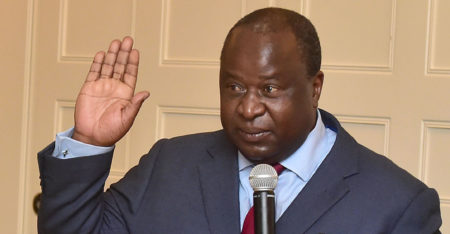
Too rich for debt relief available to most African nations and hobbled by its politics, South Africa is facing a public financing crisis.
Too rich for debt relief available to most African nations and hobbled by its politics, South Africa is facing a public financing crisis.

Amazon.com is by far the biggest company in cloud computing. But a new lawsuit shows the extent to which Amazon, which rarely discusses the competition in public, sees Google as a threat.
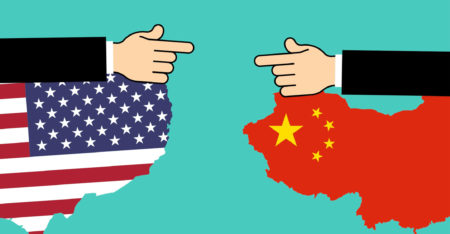
Politicians and pundits say the world’s largest economies are bound for a seismic “decoupling”. Yet, with businesses harbouring long-term ambitions for these two giant markets, breaking up may be hard to do.

Big Internet companies have long been the target of complaints that they don’t pay enough in taxes. Fed up, more countries are rolling out plans to hit the likes of Facebook and Google with a “digital tax”.

The Trump administration has fired multiple salvos against Huawei since the start of a campaign to derail China’s technological ascendancy. The latest blow threatens to cripple the country’s tech champion.

Facebook’s leadership is yet again displaying a spectacular failure to take responsibility for the monster it created. By Cathy O’Neil.

In January, Microsoft pledged to be carbon negative – removing more carbon from the atmosphere than it emits – by 2030. It’s a heck of a job. Meet the man who’s leading the charge.

Reality has intervened and thrown roadblocks in front of Facebook’s spectacular success. Its CEO, Mark Zuckerberg, now faces an important choice.
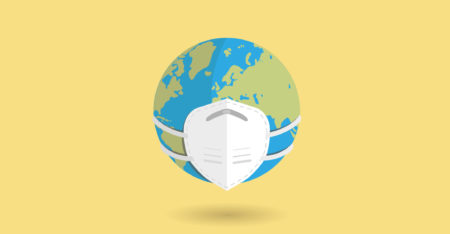
A quiet and deadly health catastrophe is brewing in Africa. Not from the coronavirus, but from age-old diseases that have overnight taken a back seat to the pandemic.

This decision to regulate some of US President Donald Trump’s most controversial posts has sparked a backlash from the president, and spawned a new uncertain chapter for the industry.