

The state-owned power utility is set to announce its second consecutive multibillion-rand annual loss on Tuesday. The big question is, how many billions?
The state-owned power utility is set to announce its second consecutive multibillion-rand annual loss on Tuesday. The big question is, how many billions?
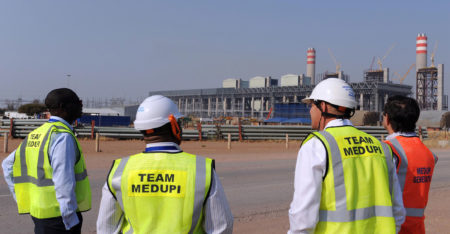
Eleven years after construction started on Eskom’s massive 4.8GW Kusile coal-fired power station in Mpumalanga, not one of its six 800MW generator units is currently delivering power into the grid.
South Africa’s anti-graft ombudsman is investigating Eskom’s deals with 27 independent power producers, Independent Online reported, citing a leaked document.
Eskom is challenging the South African energy regulator in court over a tariff increase the state-owned utility says isn’t sufficient, Mining Weekly reported, citing court papers.
Finance minister Tito Mboweni says government borrowing will surge and taxes may rise to fund the troubled Eskom. Yet no plan has been announced to restructure the overstaffed company.
South Africa’s decision to more than double its financial support for Eskom is “credit negative” for the sovereign rating as it’s an additional drain on the budget, Moody’s Investors Service said.
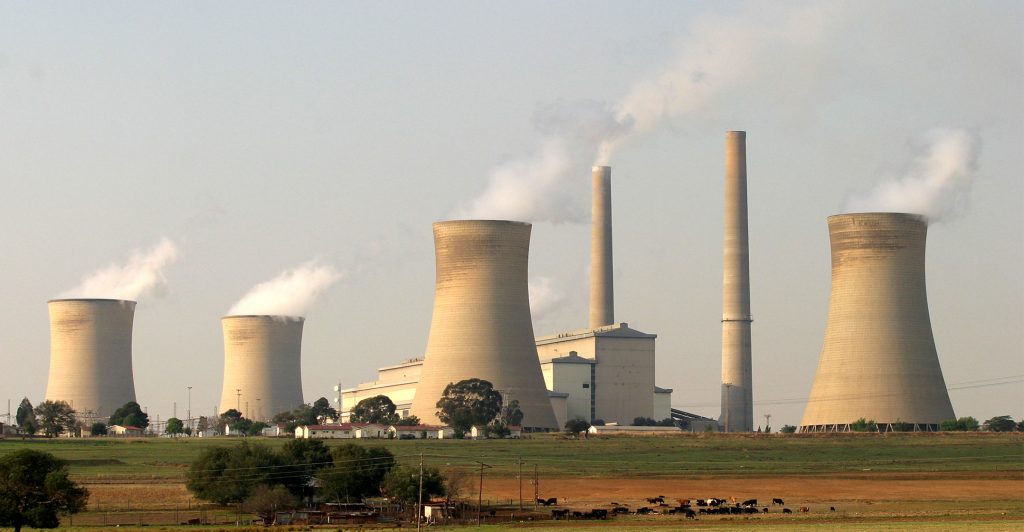
A financial crisis confronting South Africa’s state power utility has become a national debt problem.
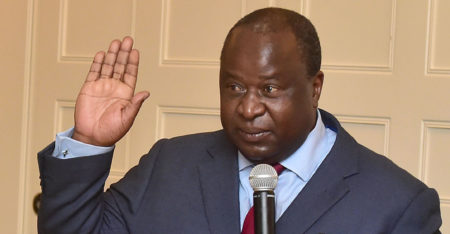
South Africa may increase its borrowing plans following the latest bailout announced for struggling state-owned power utility Eskom, finance minister Tito Mboweni told MPs on Tuesday.
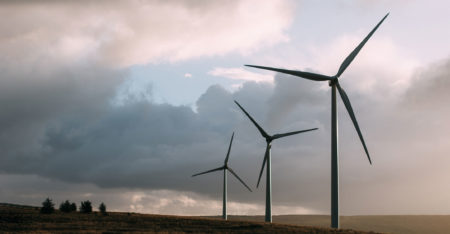
Karen Breytenbach, who oversaw the expansion of South Africa’s privately owned renewable energy projects, said she was asked to vacate her job about nine months before her contract expires.

Eskom has advertised for a new CEO two months after Phakamani Hadebe announced he’d vacate the post.