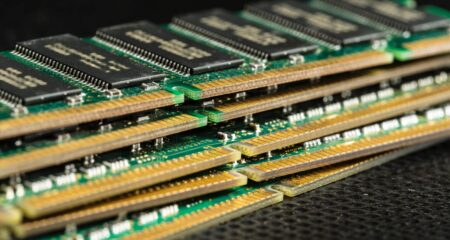
Global demand for smartphones, PCs and gaming consoles is expected to shrink this year amid surging RAM prices.
Global demand for smartphones, PCs and gaming consoles is expected to shrink this year amid surging RAM prices.





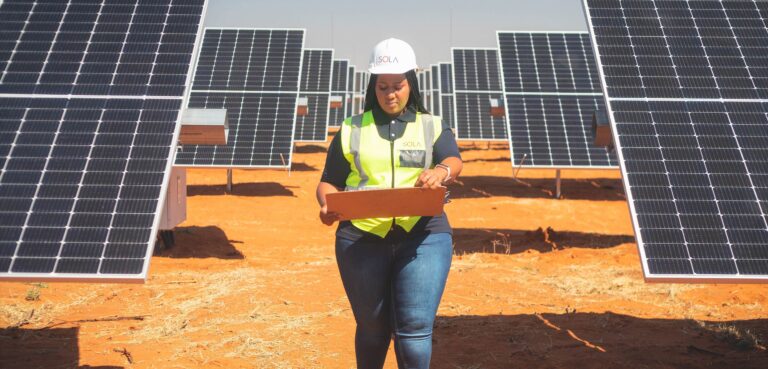
As storage prices fall, South Africa’s renewables are pivoting from variable output to dependable, dispatchable power.

Astronomers have solved a cosmic mystery surrounding one of the most extreme stars ever observed.

South Africa is endowed with minerals needed by the tech industry, but they are not being exploited to their full potential.
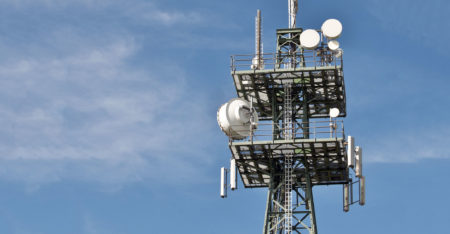
Government’s planned wholesale open-access network should only get a small set-aside of radio frequency spectrum, with the rest auctioned off to commercial operators, national treasury has said.
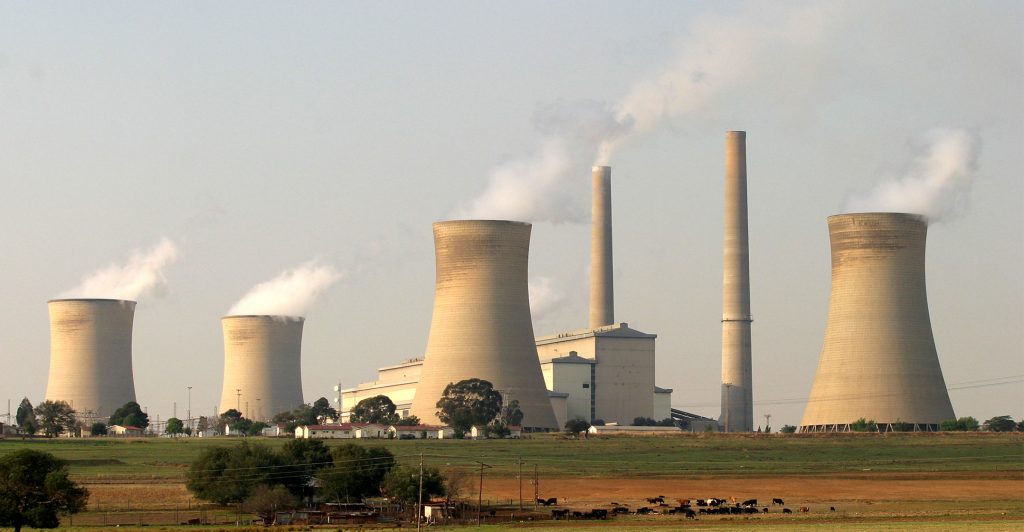
Government could decide that Eskom must sell some of its coal-fired power stations as part of the restructuring of the power utility, national treasury said.

Two Gugulethu-based entrepreneurs who accused Nedbank of stealing their patented card-blocking invention have issued a new summons against the bank in the high court in Johannesburg.
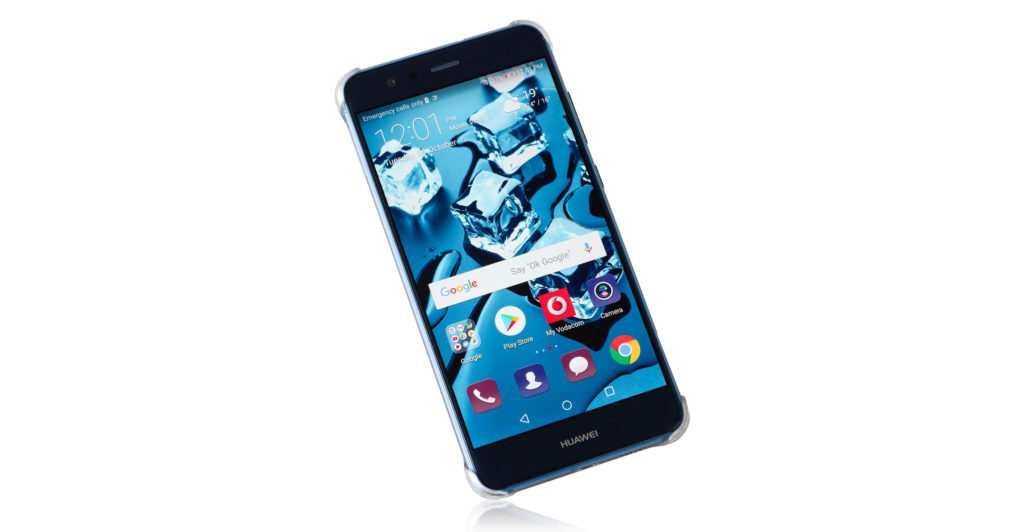
Huawei retained its place as the world’s second largest smartphone maker in the second quarter, behind Samsung Electronics, despite the US government’s crackdown on the Chinese company, which began in May.

Three investment banks – Goldman Sachs, JPMorgan and Morgan Stanley – will be paid €7.2-million each for their roles as lead financial advisors in Naspers’s listing of Prosus in Amsterdam.

Mark Taylor will soon step down from the board of Reunert, where he serves as an executive director, ahead of his planned emigration from South Africa next year.

Twenty years after the genocide, Rwanda wants to become Africa’s hi-tech hub. Hundreds of thousands of schoolchildren already have their own computers and nearly the entire population is due to have Internet access

In the developed world, Internet access is getting close to saturation point, with the proportion of those online in many countries in the West approaching 80% for fixed broadband access and 30% on mobile phones. On the other hand, in the

A prime driver of human progress has been trade, in both goods and ideas. Isolation, in contrast, leads to stasis, suspicion, even regression. As Matt Ridley described in The Rational Optimist, when the land bridge connecting

People have a mental model of shopping that is based on experiences from brick-and-mortar stores. We intuitively understand how this process works: all available products are displayed around the store and the prices are clearly marked. Many stores