
The IPO filing sets out Anthropic’s ambitions, and the cost of pursuing them, as investors grow wary of the AI boom.
The IPO filing sets out Anthropic’s ambitions, and the cost of pursuing them, as investors grow wary of the AI boom.





Absa says customers who hand banking credentials to an AI agent may be held liable, as local banks keep outside agents out.

Paris Mashile led Icasa’s fight to cut mobile termination rates, and admitted when the regulator fell short.

DigiDeeds, co-founded by a former Capitec executive, creates digital records of homes outside the title-deed system.

Former President Jacob Zuma’s daughter will face charges related to riots four years ago in which 354 people died.

History is repeating itself, with e.tv and the communications minister set to face off in the high court.

SpaceX has told Icasa that it ought to rethink the rules requiring 30% shareholding by “historically disadvantaged” groups.

Liang Wenfeng’s DeepSeek is threatening the once unassailable US lead in frontier AI technologies. But who is he?

Resources giant Anglo American has conducted a trial of SpaceX’s satellite internet service, Starlink, in South Africa.

DFA has spent more than R800-million upgrading and “futureproofing” its national fibre network.

Australia is considering banning the paying of ransoms to cyberattackers, following recent attacks affecting millions of people.
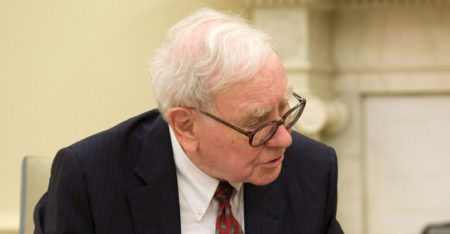
Berkshire Hathaway has bought more than $4.1-billion of stock in Taiwan’s TSMC, a rare significant foray into the technology sector.

“I have too much work on my plate,” Elon Musk said by video link to a business conference on the sidelines of the G20 summit in Bali.

In the league of weak-sauce apologies, the one from cryptocurrency exchange boss Sam Bankman-Fried stands head and shoulders above the rest.

Marc Andreessen, venture capitalist and one of the pioneers of the World Wide Web, once declared: “The spread of computers and the Internet will put jobs in two categories: people who tell computers what to do

The European parliament’s rejection of new copyright rules shows how difficult it is for regulators to compel the tech industry to pay for content that it uses for free. The parliament voted on Thursday to send a draft