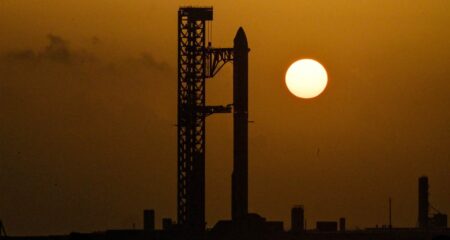
President Gwynne Shotwell says the Vermilion Parish site will eventually handle thousands of Starship flights annually.
President Gwynne Shotwell says the Vermilion Parish site will eventually handle thousands of Starship flights annually.




MTN alone has been pushing 90 million Sim cards a year, and says the base is riddled with bad registrations.

Group CEO Ralph Mupita wants an open system that routes tasks to the best frontier or open-weight AI models.

The retailer has launched a shoppable video feed in asap!, its second app feature in two months.
Bailouts for cash-strapped state-owned enterprises have cost taxpayers R456.5-billion over the past nine financial years.

Two students at Stellenbosch University describe how they discovered fraud in Sassa’s SRD grant application system.
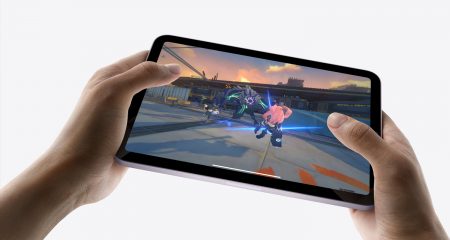
Apple has launched its new generation of the iPad mini, packed with AI features including writing tools.

Data mined from the group’s rewards scheme feeds sophisticated AI models that optimise operations and pricing.

The 10 largest data centres in South Africa have a combined IT load of 258MW, with total whitespace of 112 000sq m.

Ronnie Apteker describes what is going on in his adopted country as tragic. But he writes that despite the war, life goes on.

Microsoft has outlined planned changes to the terms of its software licensing agreements following complaints to antitrust regulators.
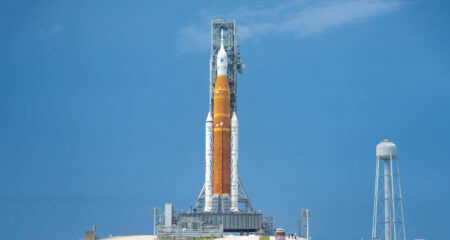
Nasa’s colossal next-generation rocket ship was set for its long-awaited debut launch on Monday on an uncrewed, six-week test flight around the moon and back.

Netflix is considering pricing for its new advertising-supported tier, and it’s half as much as its current, most-popular plan.

Sony will acquire mobile games business Savage Game Studios as part of a major push by the Japanese conglomerate beyond console gaming.
Meet the CEO is a new, weekly feature on TechCentral. The aim is to introduce our readers to the people behind the news by providing insights into the leaders shaping South Africa’s ICT industry. Our sixth interview
For centuries, humans have wondered about the possibility of other Earths orbiting distant stars. Perhaps some of these alien worlds would harbour strange forms of life or have unique and telling histories or futures