Close Menu
TechCentralTechCentral

    Subscribe to the newsletter

    Get the best South African technology news and analysis delivered to your e-mail inbox every morning.

    Facebook X (Twitter) YouTube LinkedIn
    WhatsApp Facebook X (Twitter) LinkedIn YouTube
    TechCentralTechCentral
    • News
      Nedbank hires MTN's former tech chief as group CIO - Nikos Angelopoulos

      Nedbank hires MTN’s former tech chief as group CIO

      31 July 2026
      Eskom's diesel bill falls 86% as breakdowns hit eight-year low

      Eskom’s diesel bill falls 86% as breakdowns hit eight-year low

      31 July 2026
      Ramaphosa signs off on taking the grid away from Eskom

      Ramaphosa signs off on taking the grid away from Eskom

      31 July 2026
      Microsoft just had the biggest day in stock market history

      Microsoft just had the biggest day in stock market history

      31 July 2026
      MTN Nigeria's growth engine stalled in second quarter - Karl Toriola

      MTN Nigeria’s growth engine stalled in second quarter

      31 July 2026
    • World
      Meta AI will now tell parents if their teen is in crisis

      Meta AI will now tell parents if their teen is in crisis

      17 July 2026
      IBM shares crash 25% as AI upends software spending - Arvind Krishna

      IBM shares crash 25% as AI upends software spending

      15 July 2026
      Jony Ive's first OpenAI device: an AI smart speaker - Jony Ive and Sam Altman

      Jony Ive’s first OpenAI device: an AI smart speaker

      15 July 2026
      Stripe, Advent in talks to buy PayPal for $53-billion

      Stripe, Advent in talks to buy PayPal for $53-billion

      15 July 2026
      Memory crisis sends smartphone market into steep decline

      Memory crisis sends smartphone market into steep decline

      13 July 2026
    • In-depth
      The plan to stop AI from breaking the world - Google DeepMind CEO Demis Hassabis. Image: John Sears

      The plan to stop AI from breaking the world

      16 July 2026
      The internet has a Strait of Hormuz problem

      The internet has a Strait of Hormuz problem

      15 July 2026
      AI boom sparks rally, frenzy and fear

      AI boom sparks rally, frenzy and fear

      11 June 2026
      Every plug-in hybrid on sale in South Africa, ranked by price - Lamborghini Temerario

      Every plug-in hybrid on sale in South Africa, ranked by price

      7 June 2026
      What Wi-Fi 8 will mean for wireless networks

      What Wi-Fi 8 will mean for wireless networks

      1 June 2026
    • TCS
      TCS+ | Why South African workers must become supervisors of digital labour - Accelera Digital Group Cliff de Wit

      TCS+ | Why South African workers must become supervisors of digital labour

      31 July 2026
      TCS | Rapid deployment rules can't work without municipalities: ACT - Nomvuyiso Batyi

      TCS | Icasa’s rules skip the real bottleneck: ACT

      30 July 2026
      TCS+ | iStore Business on why Apple makes sense for SMEs - Sudesh Pillay and Tamia Nontsikelelo

      TCS+ | iStore Business on why Apple makes sense for SMEs

      30 July 2026
      TCS+ | A smarter approach to cloud for South African businesses - Joel Chacko and Jonathan Oaker

      TCS+ | A smarter approach to cloud for South African businesses

      28 July 2026
      TCS | How Optasia lends billions to people banks can't see - Salvador Anglada

      TCS | How Optasia lends billions to people banks can’t see

      23 July 2026
    • Opinion
      The author, Jannie van Zyl

      Selling vapour is corporate suicide in slow motion

      16 July 2026
      Brazil's online gambling crackdown is a lesson for South Africa

      How Amazon outmanoeuvred Starlink in South Africa

      15 July 2026
      The Popia problem with agentic AI - Herman Haasbroek

      The Popia problem with agentic AI

      14 July 2026
      The author, Fanie van Rooyen

      South Africa can still catch the AI wave – here’s how

      7 July 2026
      The author, Fanie van Rooyen

      The AI utopia South Africa can’t afford

      1 July 2026
    • Company Hubs
      • 1Stream
      • Africa Data Centres
      • AfriGIS
      • Altron Digital Business
      • Altron Document Solutions
      • Altron Group
      • Arctic Wolf
      • Ascent Technology
      • AvertITD
      • BBD
      • Braintree
      • CallMiner
      • CambriLearn
      • CM Telecom
      • Contactable
      • CYBER1 Solutions
      • Digicloud Africa
      • Digimune
      • Domains.co.za
      • ESET
      • Euphoria Telecom
      • HOSTAFRICA
      • Incredible Business
      • iONLINE
      • IQbusiness
      • Iris Network Systems
      • Kaspersky
      • LSD Open
      • Mitel
      • NEC XON
      • Netstar
      • Network Platforms
      • Next DLP
      • Ovations
      • Paracon
      • Paratus
      • Q-KON
      • SevenC
      • SkyWire
      • Solid8 Technologies
      • Telit Cinterion
      • Telviva
      • Tenable
      • Vertiv
      • Videri Digital
      • Vodacom Business
      • Vox
      • Wipro
      • Workday
      • XLink
    • Sections
      • AI and machine learning
      • Banking
      • Broadcasting and Media
      • Cloud services
      • Contact centres and CX
      • Cryptocurrencies
      • Education and skills
      • Electronics and hardware
      • Energy and sustainability
      • Enterprise software
      • Financial services
      • HealthTech
      • Information security
      • Internet and connectivity
      • Internet of Things
      • Investment
      • IT services
      • Lifestyle
      • Policy and regulation
      • Public sector
      • Retail and e-commerce
      • Satellite communications
      • Science
      • SMEs and start-ups
      • Social media
      • Talent and leadership
      • Telecoms
      • Watts & Wheels
    • Events
    • Advertise
    TechCentralTechCentral
    Home » Sections » Electronics and hardware » Risc-V emerges as new front in US-China tech war

    Risc-V emerges as new front in US-China tech war

    US politicians want to restrict American companies from working on a freely available chip technology widely used in China.
    By Agency Staff6 October 2023
    Twitter LinkedIn Facebook WhatsApp Email Telegram Copy Link
    News Alerts
    WhatsApp

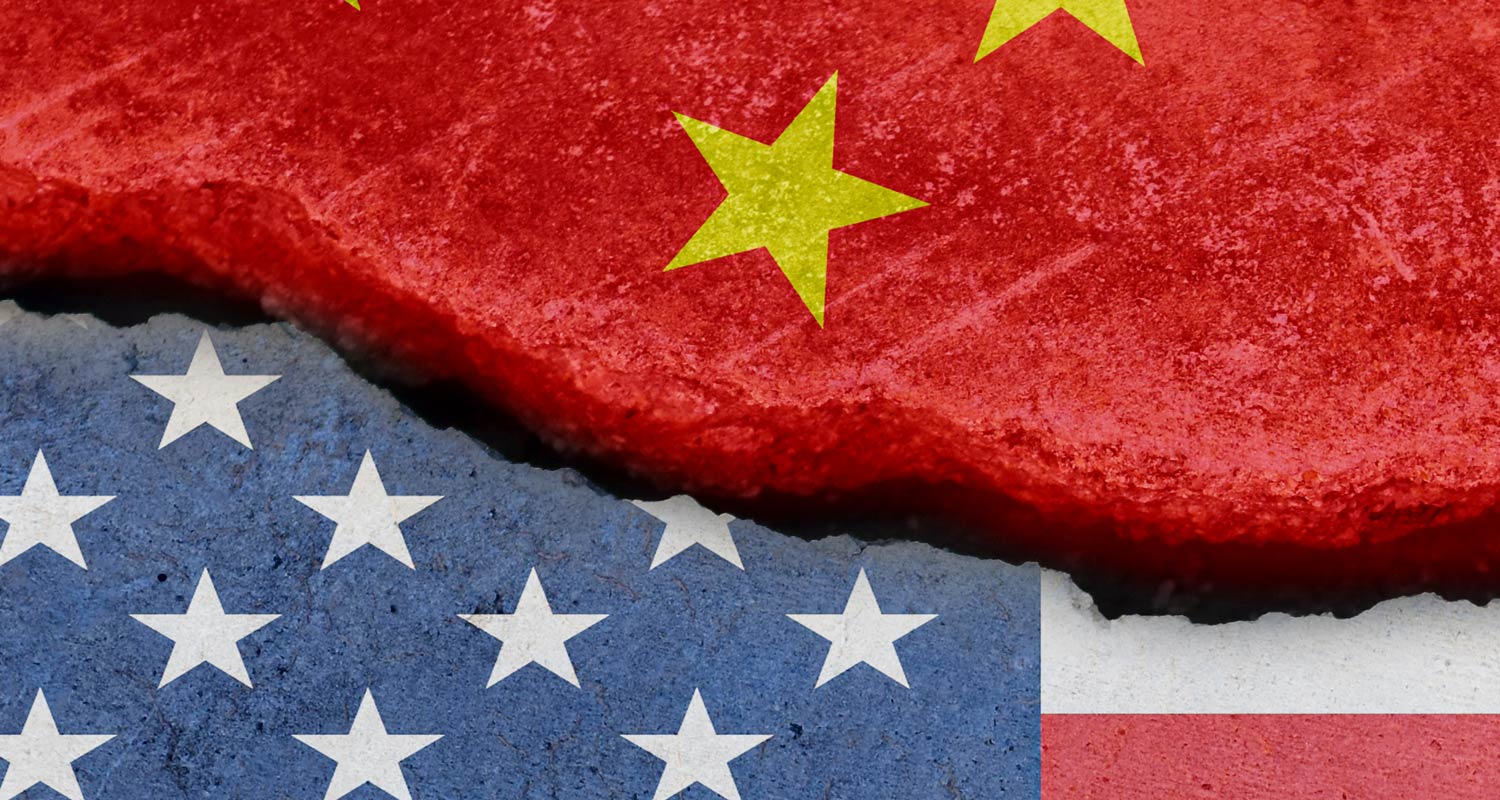
    In a new front in the US-China tech war, US President Joe Biden’s administration is facing pressure from some lawmakers to restrict American companies from working on a freely available chip technology widely used in China — a move that could upend how the global technology industry collaborates across borders.

    At issue is Risc-V, pronounced “risk five”, an open-source technology that competes with costly proprietary technology from British semiconductor and software design company ARM Holdings. Risc-V can be used as a key ingredient for anything from a smartphone chip to advanced processors for artificial intelligence.

    Some lawmakers — including two Republican house of representatives committee chairmen, Republican Senator Marco Rubio and Democratic Senator Mark Warner — are urging Biden’s administration to take action regarding Risc-V, citing national security grounds.

    It would be like banning us from working on the internet. It would be a huge mistake

    The lawmakers expressed concerns that Beijing is exploiting a culture of open collaboration among American companies to advance its own semiconductor industry, which could erode the current US lead in the chip field and help China modernise its military. Their comments represent the first major effort to put constraints on work by US companies on Risc-V.

    Representative Mike Gallagher, chairman of the house select committee on China, said in a statement that the US commerce department needs to “require any American person or company to receive an export licence prior to engaging with PRC (People’s Republic of China) entities on Risc-V technology”.

    Such calls to regulate Risc-V are the latest in the US-China battle over chip technology that escalated last year with sweeping export restrictions that the Biden administration has told China it will update this month.

    “The CCP (Chinese Communist Party) is abusing Risc-V to get around US dominance of the intellectual property needed to design chips. US persons should not be supporting a PRC tech transfer strategy that serves to degrade US export control laws,” representative Michael McCaul, chairman of the house foreign affairs committee, said in a statement.

    ‘Not equipped’

    McCaul said he wants action from the Bureau of Industry and Security, the part of the commerce department that oversees export-control regulations, and would pursue legislation if that does not materialise.

    The bureau “is constantly reviewing the technology landscape and threat environment, and continually assessing how best to apply our export control policies to protect national security and safeguard core technologies”, a commerce department spokesman said in a statement.

    “Communist China is developing open-source chip architecture to dodge our sanctions and grow its chip industry,” Rubio said in a statement. “If we don’t broaden our export controls to include this threat, China will one day surpass us as the global leader in chip design.”

    “I fear that our export control laws are not equipped to deal with the challenge of open-source software — whether in advanced semiconductor designs like Risc-V or in the area of AI — and a dramatic paradigm shift is needed,” Warner said in a statement.

    Risc-V is overseen by a Swiss-based nonprofit foundation that coordinates efforts among for-profit companies to develop the technology. The technology came from labs at the University of California, Berkeley, and later benefited from funding by the Pentagon’s Defence Advanced Research Projects Agency (Darpa). Its creators have compared it to Ethernet, USB and even the internet, which are freely available and draw on contributions from around the world to make innovation faster and cheaper.
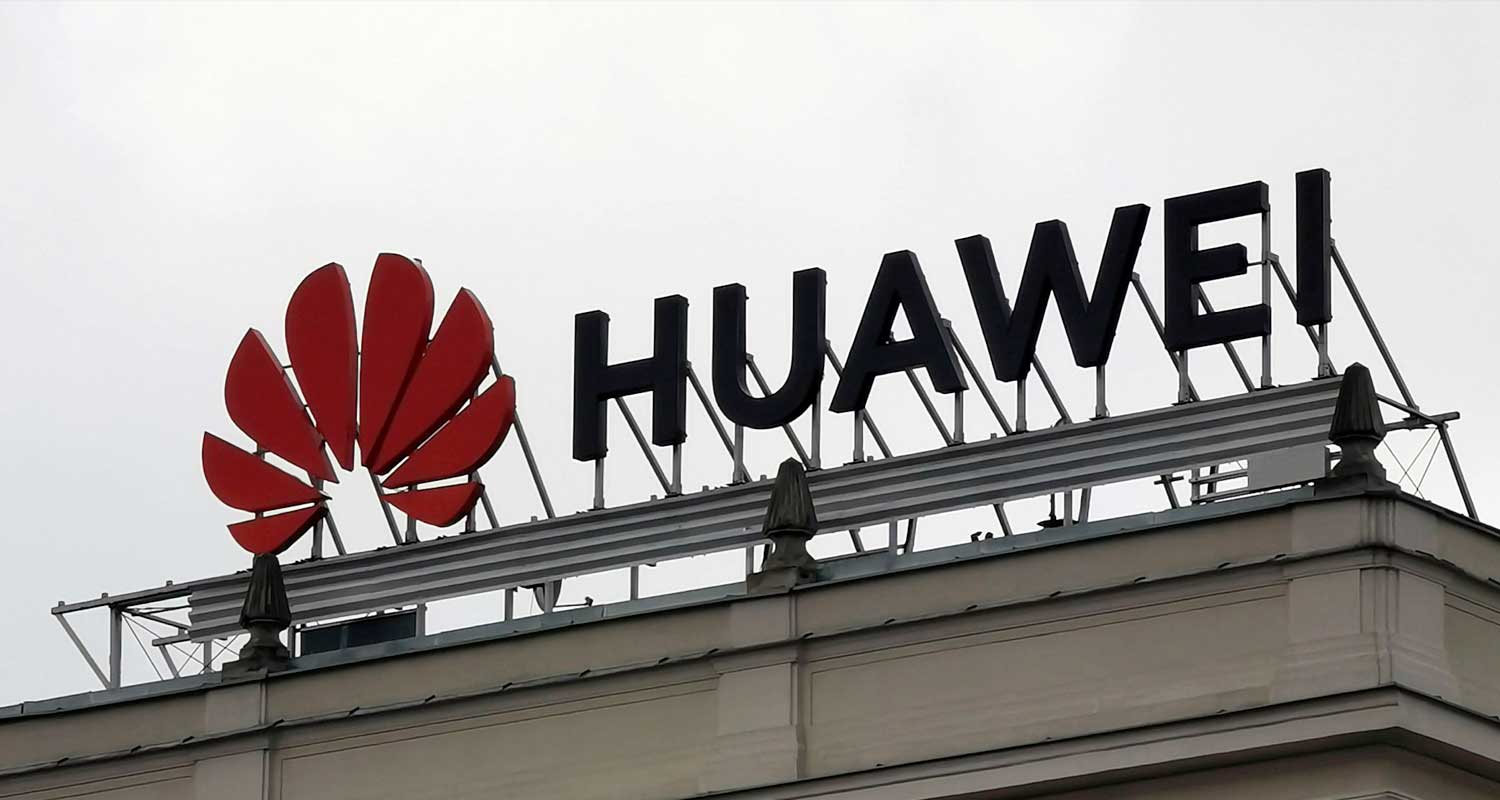
    US pressureExecutives from China’s Huawei Technologies have embraced Risc-V as a pillar of that nation’s progress in developing its own chips. But the US and its allies also have jumped on the technology, with chip giant Qualcomm working with a group of European automotive firms on Risc-V chips and Google saying it will make Android, the world’s most popular mobile operating system, work on Risc-V chips.

    Qualcomm declined to comment. Its executives said in August they believe Risc-V will speed up chip innovation and transform the tech industry.

    Google did not respond to a request for comment.

    If Biden’s administration were to regulate US companies’ participation in the Swiss-based foundation in the manner lawmakers are seeking, the move could complicate how American and Chinese companies work together on open technical standards. It also could create hurdles for China’s pursuit of chip self-sufficiency, as well as for US and European efforts to create cheaper and more versatile chips.

    Read: US’s new tech curbs on China sow confusion

    Jack Kang, vice president of business development at SiFive, a Santa Clara, California-based start-up using Risc-V, said potential US government restrictions on American companies regarding Risc-V would be a “tremendous tragedy”.

    “It would be like banning us from working on the internet,” Kang said. “It would be a huge mistake in terms of technology, leadership, innovation and companies and jobs that are being created.”

    Regulating the open discussion of technologies is rarer than regulating physical products, but not impossible, said Kevin Wolf, an export-control attorney at law firm Akin Gump who served in the US commerce department under former President Barack Obama. Existing rules on chip exports could help provide a legal framework for such a proposal, Wolf said.  — Stephen Nellis and Max A Cherney, (c) 2023 Reuters

    Get breaking news alerts from TechCentral on WhatsApp

    Follow TechCentral on Google News Add TechCentral as your preferred source on Google


    Huawei Risc-V
    WhatsApp YouTube
    Share. Facebook Twitter LinkedIn WhatsApp Telegram Email Copy Link
    Previous ArticleMauritius Telecom eyes Africa expansion
    Next Article TCS | The Information Regulator bares its teeth – an interview with Pansy Tlakula

    Related Posts

    Huawei launches 12 intelligent transport solutions in South Africa - Sam Tang

    Huawei launches 12 intelligent transport solutions in South Africa

    30 July 2026
    Huawei Connect 2026: taking South African AI beyond pilots

    Huawei Connect 2026: taking South African AI beyond pilots

    29 July 2026
    Beijing warns of retaliation over US threats to Chinese AI firms

    China weighs blocking the West from its best AI

    21 July 2026
    Company News
    Domains.co.za launches self-hosted n8n VPS hosting

    Domains.co.za launches self-hosted n8n VPS hosting

    31 July 2026
    Smarter.tech '26 shows why smarter technology begins with context - Obsidian Systems

    Context is the missing piece in enterprise AI: Obsidian

    31 July 2026
    Huawei launches 12 intelligent transport solutions in South Africa - Sam Tang

    Huawei launches 12 intelligent transport solutions in South Africa

    30 July 2026
    Opinion
    The author, Jannie van Zyl

    Selling vapour is corporate suicide in slow motion

    16 July 2026
    Brazil's online gambling crackdown is a lesson for South Africa

    How Amazon outmanoeuvred Starlink in South Africa

    15 July 2026
    The Popia problem with agentic AI - Herman Haasbroek

    The Popia problem with agentic AI

    14 July 2026

    Subscribe to Updates

    Get the best South African technology news and analysis delivered to your e-mail inbox every morning.

    Latest Posts
    Nedbank hires MTN's former tech chief as group CIO - Nikos Angelopoulos

    Nedbank hires MTN’s former tech chief as group CIO

    31 July 2026
    Eskom's diesel bill falls 86% as breakdowns hit eight-year low

    Eskom’s diesel bill falls 86% as breakdowns hit eight-year low

    31 July 2026
    Ramaphosa signs off on taking the grid away from Eskom

    Ramaphosa signs off on taking the grid away from Eskom

    31 July 2026
    TCS+ | Why South African workers must become supervisors of digital labour - Accelera Digital Group Cliff de Wit

    TCS+ | Why South African workers must become supervisors of digital labour

    31 July 2026
    © 2009 - 2026 NewsCentral Media
    Built and maintained by Chronon
    • Cookie policy (ZA)
    • TechCentral – privacy and Popia

    Type above and press Enter to search. Press Esc to cancel.

    Manage consent

    TechCentral uses cookies to enhance its offerings. Consenting to these technologies allows us to serve you better. Not consenting or withdrawing consent may adversely affect certain features and functions of the website.

    Functional Always active
    The technical storage or access is strictly necessary for the legitimate purpose of enabling the use of a specific service explicitly requested by the subscriber or user, or for the sole purpose of carrying out the transmission of a communication over an electronic communications network.
    Preferences
    The technical storage or access is necessary for the legitimate purpose of storing preferences that are not requested by the subscriber or user.
    Statistics
    The technical storage or access that is used exclusively for statistical purposes. The technical storage or access that is used exclusively for anonymous statistical purposes. Without a subpoena, voluntary compliance on the part of your Internet Service Provider, or additional records from a third party, information stored or retrieved for this purpose alone cannot usually be used to identify you.
    Marketing
    The technical storage or access is required to create user profiles to send advertising, or to track the user on a website or across several websites for similar marketing purposes.
    • Manage options
    • Manage services
    • Manage {vendor_count} vendors
    • Read more about these purposes
    View preferences
    • {title}
    • {title}
    • {title}