
Close Menu
TechCentralTechCentral

    Subscribe to the newsletter

    Get the best South African technology news and analysis delivered to your e-mail inbox every morning.

    Facebook X (Twitter) YouTube LinkedIn
    WhatsApp Facebook X (Twitter) LinkedIn YouTube
    TechCentralTechCentral
    • News
      Treasury backs down on crypto rules after 'thousands' of comments - Enoch Godongwana

      Treasury backs down on crypto rules after ‘thousands’ of comments

      21 October 2026
      Discovery ranks cybercrime as its top risk, citing frontier AI

      Discovery ranks cybercrime as its top risk, citing frontier AI

      21 October 2026
      Godongwana cuts fuel levy again, with diesel getting the bigger break

      Godongwana cuts fuel levy again, with diesel getting the bigger break

      21 October 2026
      Bolt EVs hit Sandton and the OR Tambo airport run

      Bolt EVs hit Sandton and the OR Tambo airport run

      21 October 2026
      Treasury puts R150-million behind MyMzansi government app - Enoch Godongwana

      Treasury puts R150-million behind MyMzansi government app

      21 October 2026
    • World
      OpenAI turns the tables on Apple in trade secrets fight

      OpenAI turns the tables on Apple in trade secrets fight

      15 October 2026
      Google's Gemini 4 Argon is finally here

      Google’s Gemini 4 Argon is finally here

      14 October 2026
      Apple's new HomeView smart home hub

      Apple takes another shot at the smart home

      13 October 2026
      AI is now holding up the world economy, says IMF

      AI is now propping up the world economy, says IMF

      12 October 2026
      SpaceX takes aim at US wireless carriers with spectrum acquisition

      Starlink is coming for your mobile operator

      9 October 2026
    • In-depth

      10 days that changed the course of AI

      21 September 2026
      Meta to the AI industry: slow down without us - Mark Zuckerberg

      Meta to the AI industry: slow down without us

      16 September 2026
      Google DeepMind CEO Demis Hassabis. Image: John Sears

      The plan to stop AI from breaking the world

      16 July 2026
      The internet has a Strait of Hormuz problem

      The internet has a Strait of Hormuz problem

      15 July 2026
      AI boom sparks rally, frenzy and fear

      AI boom sparks rally, frenzy and fear

      11 June 2026
    • TCS
      W&W | LDV's Gerhard Moolman on electric bakkies, fleet orders and 'school fees'

      W&W | LDV’s Gerhard Moolman on electric bakkies and fleets

      9 October 2026
      TCS | Frogfoot sees bigger fibre deals coming - TechCentral Show guests Abraham van der Merwe and Shane Chorley

      TCS | Frogfoot sees bigger fibre deals coming

      8 October 2026
      Meet the CIO | Vodacom's Mohamed Sami on the agentic future

      Meet the CIO | Vodacom’s Mohamed Sami on the agentic future

      5 October 2026
      Lexi Novitske, general partner at Norrsken22, on the TechCentral Show

      TCS | Norrsken22’s Lexi Novitske on how China is winning African tech

      1 October 2026
      TCS | Dominic White and Adam Ely on AI agents going rogue

      TCS | Dominic White and Adam Ely on AI agents going rogue

      29 September 2026
    • Opinion
      Nonkqubela Thathakahle Jordan-Dyani

      Why cybersecurity is now a national security issue for South Africa

      15 October 2026
      When a machine can choose, who does it become? Fanie van Rooyen

      When a machine can choose, who does it become?

      9 October 2026
      Let South Africans jailbreak their way to digital sovereignty - Dirk de Vos

      Let South Africans jailbreak their way to digital sovereignty

      5 October 2026
      South Africa's next energy crisis is in the accounts department - Craig Holmes

      South Africa’s next energy crisis is in the accounts department

      29 September 2026
      The steam engine lesson AI doomsayers keep missing - Sam Clarke

      The steam engine lesson AI doomsayers keep missing

      28 September 2026
    • Company News
      • 1Stream
      • Africa Data Centres
      • AfriGIS
      • Altron Digital Business
      • Altron Document Solutions
      • Altron Group
      • Arctic Wolf
      • Ascent Technology
      • AvertITD
      • BBD
      • Braintree
      • CallMiner
      • CambriLearn
      • CM.com
      • Contactable
      • CYBER1 Solutions
      • Digicloud Africa
      • Digimune
      • Domains.co.za
      • ESET
      • Euphoria Telecom
      • HOSTAFRICA
      • Incredible Business
      • iONLINE
      • IQbusiness
      • Iris Network Systems
      • Kaspersky
      • LSD Open
      • Mitel
      • NEC XON
      • Netstar
      • Network Platforms
      • Next DLP
      • Ovations
      • Paracon
      • Paratus
      • Publishared
      • Q-KON
      • SevenC
      • SkyWire
      • Solid8 Technologies
      • Telit Cinterion
      • Telviva
      • Tenable
      • Vertiv
      • Videri Digital
      • Vodacom Business
      • Vox
      • Wipro
      • Workday
      • XLink
    • Sections
      • AI and machine learning
      • Banking
      • Broadcasting and media
      • Cloud services
      • Contact centres and CX
      • Cryptocurrencies
      • Education and skills
      • Electronics and hardware
      • Energy and sustainability
      • Enterprise software
      • Fintech and payments
      • HealthTech
      • Information security
      • Internet and connectivity
      • Internet of things
      • Investment
      • IT services
      • Lifestyle
      • Policy and regulation
      • Public sector
      • Retail and e-commerce
      • Satellite communications
      • Science
      • SMEs and start-ups
      • Social media
      • Talent and leadership
      • Telecoms
      • Watts & Wheels
    • Events
    • Advertise
    TechCentralTechCentral
    Home » Sections » Fintech and payments » The real cost of a cashless economy

    The real cost of a cashless economy

    South Africa must find a balance between traditional cash and modern cashless payments.
    By Clinton Leask16 July 2025
    Twitter LinkedIn Facebook WhatsApp Email Telegram Copy Link
    Get breaking news on WhatsApp

    The real cost of a cashless economyRemember the time when cash notes and clunky coins filled your wallet? Today, your wallet’s bill compartment and coin pockets are probably much emptier, while its card slots are overflowing with bank and retailer cards.

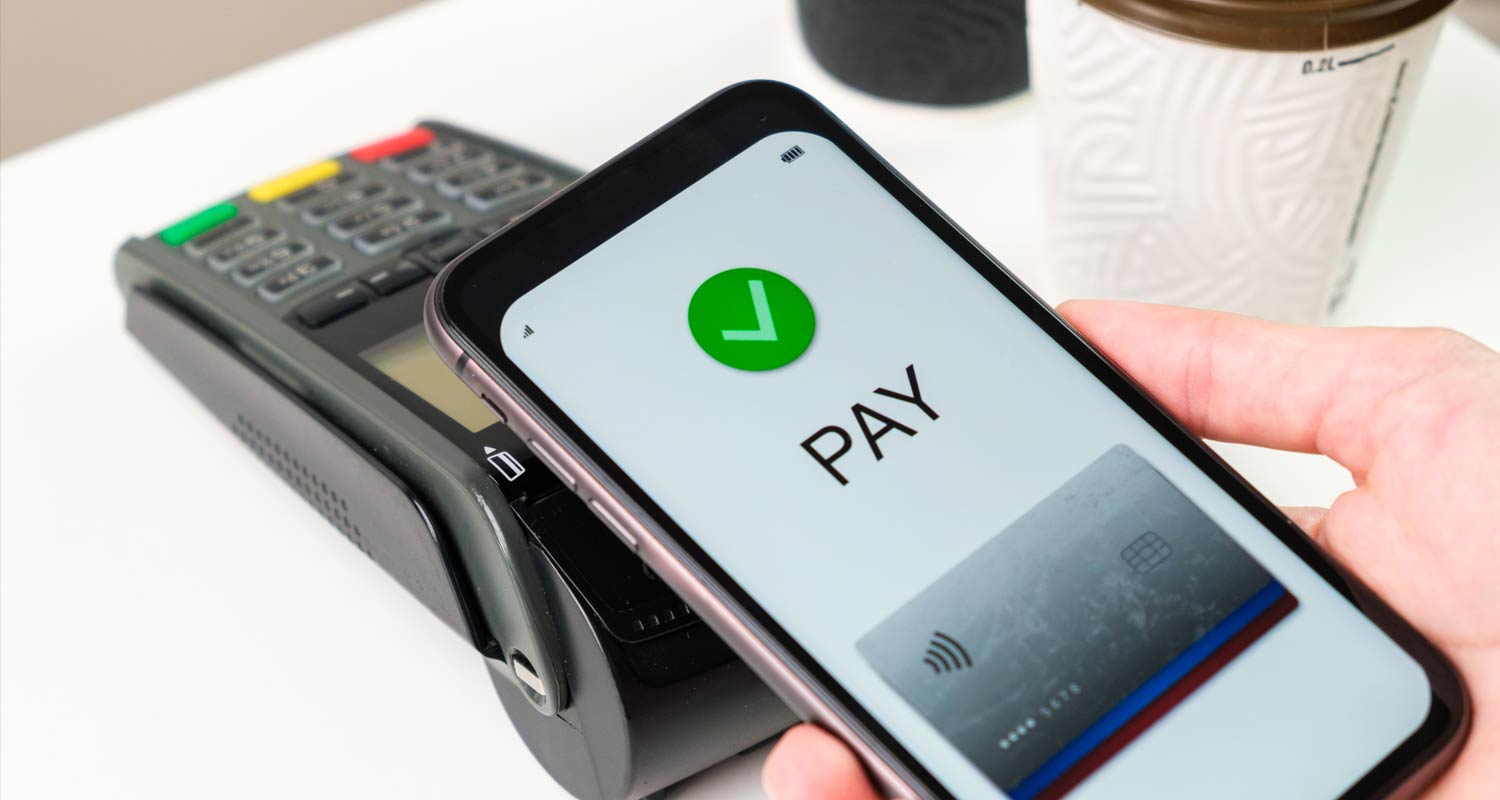
    You might even be a consumer with no cards in your wallet, preferring contactless payments with your smartphone.

    The transition from cash to cashless payments has significantly increased on a global scale, especially in the last five years.

    The lesson for South Africa is that there needs to be a balance between cash and modern cashless payments

    In 2020, cashless payment volumes contributed US$1-trillion to the world economy. This year, digital payments are projected to reach $1.9-trillion. By 2030, estimates are that these numbers will triple.

    In some countries, like Malaysia, the rapid adoption of non-cash payment methods has set a new precedent for everyday transactions. With most Malaysians now using cashless payment methods, the government there is pushing towards becoming a 90% cash-free payment society this year.

    Considering the various societal and economic benefits, it is easy to understand why Malaysia has set this goal. A cashless economy:

    • Is more convenient for consumers and businesses;
    • Reduces the risk of fraud;
    • Makes transactions more traceable;
    • Eliminates the possibility of losing physical cash;
    • Increases the speed of transactions;
    • Improves transparency; and
    • Enables better financial management.

    Malaysia’s adoption of cashless payments is not unique. Several other countries are leading the global shift away from cash. Norway has a cashless transaction share of 97.8%, and the Netherlands and Singapore follow closely behind at 97% each.

    If these growth statistics are evidence of a cashless future, should the South African government be pushing harder for a cashless society here, too?

    Cautionary tale

    Zimbabwe offers a cautionary tale. After adopting the US dollar as the cash of choice to stabilise the economy, a scarcity of physical currency led to Zimbabweans switching to electronic payment platforms out of necessity. This resulted in a 96% electronic transaction rate. However, the forced move to a cashless economy was highly disruptive. Today, most Zimbabweans prefer cash transactions over the electronic alternatives.

    And in Malaysia, the rapid adoption of digital payments led to the exclusion of the unbanked and underbanked.

    Read: Debit cards are rapidly replacing cash in South Africa

    The lesson for South Africa is that there needs to be a balance between traditional cash and modern cashless payments.

    In South Africa, where 11 million people remain unbanked or underbanked and digital access challenges persist, an inclusive payment solution must cater to all payer types. If not, there’s a risk that those with limited digital literacy or unequal access to infrastructure – reliable internet connections, smartphone devices or banking services – could be left behind.

    The author, Pay@'s Clinton Leask
    The author, Pay@’s Clinton Leask

    While these barriers to entry are more prominent in rural areas, network outages and load shedding can disrupt cashless payments in urban centres, too. In a truly cashless society, that would leave customers with no payment alternative.

    In a country as diverse as South Africa, a true payment solution must overcome the imbalance between digital innovation and financial accessibility. Payment solutions services in South Africa need to provide this balance to offer comprehensive payment ecosystems.

    According to data from Pay@, cash payments continue to dominate over card payments across their retail network. According to Pay@, cash usage for bill payments, for example, increased by nearly 20% in the past year. This highlights a sustained consumer preference for cash in retail environments, despite the steady growth of card payments.

    Read: Consumers ditching cash at a rapid rate: FNB

    As payment technology advances, it’s critical that South Africa doesn’t repeat the same mistakes as some other African and Asian countries. Cashless payment options should bridge the digital divide for customers while simultaneously preserving cash transactions – not create a divide between underbanked and banked South Africans.

    Get breaking news from TechCentral on WhatsApp. Sign up here.

    • The author, Clinton Leask, is head of product – banking, telecommunications and digital – at Pay@

    Don’t miss:

    Cash addiction is costing South Africa billions

    Add TechCentral as a preferred source on GoogleFollow TechCentral on Google NewsGet breaking news on WhatsApp


    Clinton Leask Pay@
    WhatsApp YouTube
    Share. Facebook Twitter LinkedIn WhatsApp Telegram Email Copy Link
    Previous ArticleLarry Ellison, 80, is now world’s second richest person
    Next Article TCS+ | Samsung unveils significant new safety feature for Galaxy A-series phones

    Related Posts

    Company News
    Innovex 2026: taking opportunity to where potential lives

    Innovex 2026: taking opportunity to where potential lives

    21 October 2026
    How to choose a .co.za domain without paying more later

    How to choose a .co.za domain without paying more later

    20 October 2026
    Winners, from left: Zandile Monaisa (Rand Refinery), Sibongakonke Kheswa (PSG Capital), Stefan Links (Forestry South Africa), Thabang Modiba (Mondelez International), Charmaine Ncube (Razor PR), Shaun Burger-Smal (Bestmed Medical Scheme), Nandipha Ngcobo (Transnet), Tracy Mulwela (Vodacom), Cheryl-Lynn Freeman (Mzansi Business Services), Yasheen Harrielall (Zutari), Valentine Mabaso (Taonga Business Group) and Thabang Thlaku (African Rainbow Minerals). Image: Rising Star Awards

    Celebrating South Africa’s rising stars: the leaders shaping what comes next

    19 October 2026
    Opinion
    Nonkqubela Thathakahle Jordan-Dyani

    Why cybersecurity is now a national security issue for South Africa

    15 October 2026
    When a machine can choose, who does it become? Fanie van Rooyen

    When a machine can choose, who does it become?

    9 October 2026
    Let South Africans jailbreak their way to digital sovereignty - Dirk de Vos

    Let South Africans jailbreak their way to digital sovereignty

    5 October 2026

    Subscribe to Updates

    Get the best South African technology news and analysis delivered to your e-mail inbox every morning.

    Latest Posts
    Treasury backs down on crypto rules after 'thousands' of comments - Enoch Godongwana

    Treasury backs down on crypto rules after ‘thousands’ of comments

    21 October 2026
    Discovery ranks cybercrime as its top risk, citing frontier AI

    Discovery ranks cybercrime as its top risk, citing frontier AI

    21 October 2026
    Godongwana cuts fuel levy again, with diesel getting the bigger break

    Godongwana cuts fuel levy again, with diesel getting the bigger break

    21 October 2026
    Bolt EVs hit Sandton and the OR Tambo airport run

    Bolt EVs hit Sandton and the OR Tambo airport run

    21 October 2026
    © 2009 - 2026 NewsCentral Media
    Built and maintained by Chronon
    • Cookie policy (ZA)
    • TechCentral – privacy and Popia

    Type above and press Enter to search. Press Esc to cancel.

    Manage consent

    TechCentral uses cookies to enhance its offerings. Consenting to these technologies allows us to serve you better. Not consenting or withdrawing consent may adversely affect certain features and functions of the website.

    Functional Always active
    The technical storage or access is strictly necessary for the legitimate purpose of enabling the use of a specific service explicitly requested by the subscriber or user, or for the sole purpose of carrying out the transmission of a communication over an electronic communications network.
    Preferences
    The technical storage or access is necessary for the legitimate purpose of storing preferences that are not requested by the subscriber or user.
    Statistics
    The technical storage or access that is used exclusively for statistical purposes. The technical storage or access that is used exclusively for anonymous statistical purposes. Without a subpoena, voluntary compliance on the part of your Internet Service Provider, or additional records from a third party, information stored or retrieved for this purpose alone cannot usually be used to identify you.
    Marketing
    The technical storage or access is required to create user profiles to send advertising, or to track the user on a website or across several websites for similar marketing purposes.
    • Manage options
    • Manage services
    • Manage {vendor_count} vendors
    • Read more about these purposes
    View preferences
    • {title}
    • {title}
    • {title}
    🇿🇦 Sign up to the TechCentral newsletter

