Close Menu
TechCentralTechCentral

    Subscribe to the newsletter

    Get the best South African technology news and analysis delivered to your e-mail inbox every morning.

    Facebook X (Twitter) YouTube LinkedIn
    WhatsApp Facebook X (Twitter) LinkedIn YouTube
    TechCentralTechCentral
    • News
      Nedbank hires MTN's former tech chief as group CIO - Nikos Angelopoulos

      Nedbank hires MTN’s former tech chief as group CIO

      31 July 2026
      Eskom's diesel bill falls 86% as breakdowns hit eight-year low

      Eskom’s diesel bill falls 86% as breakdowns hit eight-year low

      31 July 2026
      Ramaphosa signs off on taking the grid away from Eskom

      Ramaphosa signs off on taking the grid away from Eskom

      31 July 2026
      Microsoft just had the biggest day in stock market history

      Microsoft just had the biggest day in stock market history

      31 July 2026
      MTN Nigeria's growth engine stalled in second quarter - Karl Toriola

      MTN Nigeria’s growth engine stalled in second quarter

      31 July 2026
    • World
      Meta AI will now tell parents if their teen is in crisis

      Meta AI will now tell parents if their teen is in crisis

      17 July 2026
      IBM shares crash 25% as AI upends software spending - Arvind Krishna

      IBM shares crash 25% as AI upends software spending

      15 July 2026
      Jony Ive's first OpenAI device: an AI smart speaker - Jony Ive and Sam Altman

      Jony Ive’s first OpenAI device: an AI smart speaker

      15 July 2026
      Stripe, Advent in talks to buy PayPal for $53-billion

      Stripe, Advent in talks to buy PayPal for $53-billion

      15 July 2026
      Memory crisis sends smartphone market into steep decline

      Memory crisis sends smartphone market into steep decline

      13 July 2026
    • In-depth
      The plan to stop AI from breaking the world - Google DeepMind CEO Demis Hassabis. Image: John Sears

      The plan to stop AI from breaking the world

      16 July 2026
      The internet has a Strait of Hormuz problem

      The internet has a Strait of Hormuz problem

      15 July 2026
      AI boom sparks rally, frenzy and fear

      AI boom sparks rally, frenzy and fear

      11 June 2026
      Every plug-in hybrid on sale in South Africa, ranked by price - Lamborghini Temerario

      Every plug-in hybrid on sale in South Africa, ranked by price

      7 June 2026
      What Wi-Fi 8 will mean for wireless networks

      What Wi-Fi 8 will mean for wireless networks

      1 June 2026
    • TCS
      TCS+ | Why South African workers must become supervisors of digital labour - Accelera Digital Group Cliff de Wit

      TCS+ | Why South African workers must become supervisors of digital labour

      31 July 2026
      TCS | Rapid deployment rules can't work without municipalities: ACT - Nomvuyiso Batyi

      TCS | Icasa’s rules skip the real bottleneck: ACT

      30 July 2026
      TCS+ | iStore Business on why Apple makes sense for SMEs - Sudesh Pillay and Tamia Nontsikelelo

      TCS+ | iStore Business on why Apple makes sense for SMEs

      30 July 2026
      TCS+ | A smarter approach to cloud for South African businesses - Joel Chacko and Jonathan Oaker

      TCS+ | A smarter approach to cloud for South African businesses

      28 July 2026
      TCS | How Optasia lends billions to people banks can't see - Salvador Anglada

      TCS | How Optasia lends billions to people banks can’t see

      23 July 2026
    • Opinion
      The author, Jannie van Zyl

      Selling vapour is corporate suicide in slow motion

      16 July 2026
      Brazil's online gambling crackdown is a lesson for South Africa

      How Amazon outmanoeuvred Starlink in South Africa

      15 July 2026
      The Popia problem with agentic AI - Herman Haasbroek

      The Popia problem with agentic AI

      14 July 2026
      The author, Fanie van Rooyen

      South Africa can still catch the AI wave – here’s how

      7 July 2026
      The author, Fanie van Rooyen

      The AI utopia South Africa can’t afford

      1 July 2026
    • Company Hubs
      • 1Stream
      • Africa Data Centres
      • AfriGIS
      • Altron Digital Business
      • Altron Document Solutions
      • Altron Group
      • Arctic Wolf
      • Ascent Technology
      • AvertITD
      • BBD
      • Braintree
      • CallMiner
      • CambriLearn
      • CM Telecom
      • Contactable
      • CYBER1 Solutions
      • Digicloud Africa
      • Digimune
      • Domains.co.za
      • ESET
      • Euphoria Telecom
      • HOSTAFRICA
      • Incredible Business
      • iONLINE
      • IQbusiness
      • Iris Network Systems
      • Kaspersky
      • LSD Open
      • Mitel
      • NEC XON
      • Netstar
      • Network Platforms
      • Next DLP
      • Ovations
      • Paracon
      • Paratus
      • Q-KON
      • SevenC
      • SkyWire
      • Solid8 Technologies
      • Telit Cinterion
      • Telviva
      • Tenable
      • Vertiv
      • Videri Digital
      • Vodacom Business
      • Vox
      • Wipro
      • Workday
      • XLink
    • Sections
      • AI and machine learning
      • Banking
      • Broadcasting and Media
      • Cloud services
      • Contact centres and CX
      • Cryptocurrencies
      • Education and skills
      • Electronics and hardware
      • Energy and sustainability
      • Enterprise software
      • Financial services
      • HealthTech
      • Information security
      • Internet and connectivity
      • Internet of Things
      • Investment
      • IT services
      • Lifestyle
      • Policy and regulation
      • Public sector
      • Retail and e-commerce
      • Satellite communications
      • Science
      • SMEs and start-ups
      • Social media
      • Talent and leadership
      • Telecoms
      • Watts & Wheels
    • Events
    • Advertise
    TechCentralTechCentral
    Home » Sections » Energy and sustainability » There are no short-term fixes to load shedding

    There are no short-term fixes to load shedding

    For many years, critical maintenance was deferred and our power stations were run too hard to keep the lights on. We are now paying the price for these miscalculations.
    By Cyril Ramaphosa23 January 2023
    Twitter LinkedIn Facebook WhatsApp Email Telegram Copy Link
    News Alerts
    WhatsApp
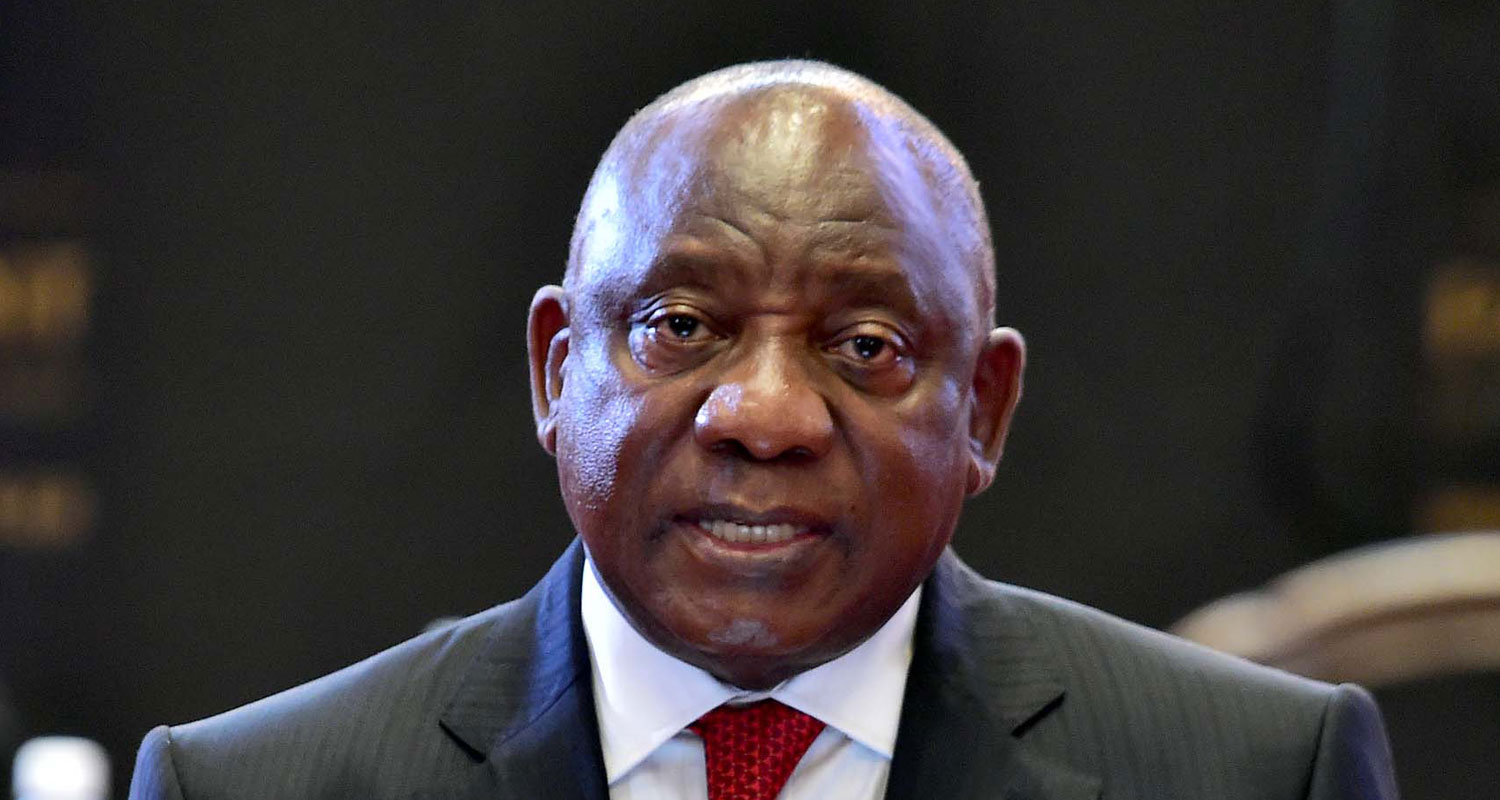
    The author, President Cyril Ramaphosa

    A week ago, the Sowetan newspaper carried a front page headlined, “Unplugged”, listing many small businesses around the country that have been crippled by the electricity crisis. The closure of these businesses shows some of the devastating impact of persistent load shedding on people’s livelihoods and on their dreams for a better life.

    There are many other reports about the effects of load shedding on people’s lives, about the disruption at hospitals, schools, courts and other government services. We hear about the factories that lose precious hours of production, farmers that are unable to keep their produce fresh, and investments that are being held back.

    As load shedding continues to wreak havoc on businesses, households and communities, the last thing South Africans want to hear are excuses or unrealistic promises. The demands for an immediate end to power cuts are wholly understandable. Everyone is fed up.

    For many years, critical maintenance was deferred, and our power stations were run too hard to keep the lights on

    However, we are in the grip of an energy crisis that has been many years in the making.

    Though it may be easy to blame our present woes on dysfunction at Eskom, a combination of factors has contributed to the crisis. It is important to recall the reasons for the current situation so that our response tackles the causes of our crisis, not just the symptoms.

    Lack of investment in new generating capacity, poor power plant maintenance, corruption and criminality, sabotage of infrastructure, rising municipal debt, and a lack of suitable skills at Eskom have all created a perfect storm. There can be no sustainable solution without addressing all these factors in combination.

    We should not make the mistakes of the past. For many years, critical maintenance was deferred, and our power stations were run too hard to keep the lights on. As a country we are now paying the price for these miscalculations.

    We must be realistic about our challenges and about what it is going to take to fix them. While we all desperately want to, we cannot end load shedding overnight.

    Meetings

    Over the last few days, I have held consultative meetings with representatives of labour, business, traditional leaders, religious leaders and the community constituency. I have also met with premiers, metro mayors and leaders of political parties.

    In each of those meetings, I stressed the importance of staying the course, instead of coming up with unsustainable short-term solutions.

    Six months ago, I announced a national energy action plan to improve the performance of Eskom’s power stations and add new generation capacity as quickly as possible. This plan was the result of extensive consultation and was endorsed by energy experts as the most realistic path towards ending load shedding.

    As we know only too well from the experience of the last few weeks, many of the measures in the plan will not be felt in the immediate term.

    That is why we are using every means at our disposal, calling on every resource we have, to get power onto the grid as a matter of extreme urgency.

    A file photo shows the under-construction Kusile power station. Image: JMK/Wikimedia Commons

    Eskom’s fleet of coal-fired power stations supplies the bulk of our energy needs. That is why there is a singular focus in Eskom on improving plant performance. A team of independent experts is conducting a diagnosis of the problems at poorly performing power stations and taking action to improve plant performance. Six power stations have been identified for particular focus over the coming months to recover additional capacity.

    Eskom is also working to connect Kusile unit 5 to the grid by September this year. Every urgent effort is being made to restore other units at Medupi, Kusile and Koeberg with significant capacity.

    Eskom has imported 300MW of capacity from neighbouring countries. There are negotiations under way to secure an additional 1GW. Eskom is also working to buy surplus power from companies with available generation capacity for a period of three years.

    Government has signed agreements for 25 projects from bid windows 5 and 6 of the renewable energy programme, and these projects will soon be proceeding to construction. Collectively they represent 2.8GW of new capacity.

    To increase the overall supply of electricity, in addition to what Eskom provides, we have taken steps to enable substantial investment by private power producers in new generation capacity. The licensing requirement for embedded generation projects has been removed. Since we first raised the licensing threshold to 100MW, the pipeline of private sector projects has grown to more than 100 projects with over 9GW of capacity.

    Read: Ramaphosa urges Eskom to delay big electricity price increase

    We have cut red tape and streamlined regulatory processes, reducing the timeframes for environmental authorisations, registration of new projects and grid connection approvals.

    Another major source of new generating capacity are solar panels on the roofs of houses and businesses. Work will soon be completed on a pricing structure that will allow customers to sell surplus electricity from rooftop solar panels into the grid.

    Read: Continuous load shedding for the next two years: Eskom

    We can all play our part by paying for the electricity that we use. The huge debt owed to Eskom by municipalities badly affects Eskom’s ability to fund critical maintenance.

    All the stakeholders I have met over the last week, without exception, appreciate the seriousness, the depth and the complexity of the challenges we face. They have all expressed their commitment to take whatever measures that are required to restore our electricity supply and get on with the task of improving the lives of the South African people.

    Read: South Africans are building private alternatives to Eskom

    While we cannot end load shedding immediately, what is certain is that if we work together with urgency to implement the energy action plan, load shedding will steadily become less and less severe. Through collective action, we will much sooner reach the point where we have enough power to end load shedding altogether.

    • The author, Cyril Ramaphosa, is president of South Africa

    Get TechCentral’s daily newsletter

    Follow TechCentral on Google News Add TechCentral as your preferred source on Google


    Cyril Ramaphosa Eskom
    WhatsApp YouTube
    Share. Facebook Twitter LinkedIn WhatsApp Telegram Email Copy Link
    Previous ArticleNew crypto rules added to South African advertising code
    Next Article E Cape gets its first submarine broadband cable landing

    Related Posts

    Eskom's diesel bill falls 86% as breakdowns hit eight-year low

    Eskom’s diesel bill falls 86% as breakdowns hit eight-year low

    31 July 2026
    Ramaphosa signs off on taking the grid away from Eskom

    Ramaphosa signs off on taking the grid away from Eskom

    31 July 2026
    Huawei Connect 2026: taking South African AI beyond pilots

    Huawei Connect 2026: taking South African AI beyond pilots

    29 July 2026
    Company News
    Domains.co.za launches self-hosted n8n VPS hosting

    Domains.co.za launches self-hosted n8n VPS hosting

    31 July 2026
    Smarter.tech '26 shows why smarter technology begins with context - Obsidian Systems

    Context is the missing piece in enterprise AI: Obsidian

    31 July 2026
    Huawei launches 12 intelligent transport solutions in South Africa - Sam Tang

    Huawei launches 12 intelligent transport solutions in South Africa

    30 July 2026
    Opinion
    The author, Jannie van Zyl

    Selling vapour is corporate suicide in slow motion

    16 July 2026
    Brazil's online gambling crackdown is a lesson for South Africa

    How Amazon outmanoeuvred Starlink in South Africa

    15 July 2026
    The Popia problem with agentic AI - Herman Haasbroek

    The Popia problem with agentic AI

    14 July 2026

    Subscribe to Updates

    Get the best South African technology news and analysis delivered to your e-mail inbox every morning.

    Latest Posts
    Nedbank hires MTN's former tech chief as group CIO - Nikos Angelopoulos

    Nedbank hires MTN’s former tech chief as group CIO

    31 July 2026
    Eskom's diesel bill falls 86% as breakdowns hit eight-year low

    Eskom’s diesel bill falls 86% as breakdowns hit eight-year low

    31 July 2026
    Ramaphosa signs off on taking the grid away from Eskom

    Ramaphosa signs off on taking the grid away from Eskom

    31 July 2026
    TCS+ | Why South African workers must become supervisors of digital labour - Accelera Digital Group Cliff de Wit

    TCS+ | Why South African workers must become supervisors of digital labour

    31 July 2026
    © 2009 - 2026 NewsCentral Media
    Built and maintained by Chronon
    • Cookie policy (ZA)
    • TechCentral – privacy and Popia

    Type above and press Enter to search. Press Esc to cancel.

    Manage consent

    TechCentral uses cookies to enhance its offerings. Consenting to these technologies allows us to serve you better. Not consenting or withdrawing consent may adversely affect certain features and functions of the website.

    Functional Always active
    The technical storage or access is strictly necessary for the legitimate purpose of enabling the use of a specific service explicitly requested by the subscriber or user, or for the sole purpose of carrying out the transmission of a communication over an electronic communications network.
    Preferences
    The technical storage or access is necessary for the legitimate purpose of storing preferences that are not requested by the subscriber or user.
    Statistics
    The technical storage or access that is used exclusively for statistical purposes. The technical storage or access that is used exclusively for anonymous statistical purposes. Without a subpoena, voluntary compliance on the part of your Internet Service Provider, or additional records from a third party, information stored or retrieved for this purpose alone cannot usually be used to identify you.
    Marketing
    The technical storage or access is required to create user profiles to send advertising, or to track the user on a website or across several websites for similar marketing purposes.
    • Manage options
    • Manage services
    • Manage {vendor_count} vendors
    • Read more about these purposes
    View preferences
    • {title}
    • {title}
    • {title}