Close Menu
TechCentralTechCentral

    Subscribe to the newsletter

    Get the best South African technology news and analysis delivered to your e-mail inbox every morning.

    Facebook X (Twitter) YouTube LinkedIn
    WhatsApp Facebook X (Twitter) LinkedIn YouTube
    TechCentralTechCentral
    • News
      ICT is becoming the centre of gravity at Reunert - Anthonie de Beer and Rob Godlonton

      ICT is becoming the centre of gravity at Reunert

      6 August 2026
      Why Discovery is going slow on AI coding agents - Derek Wilcocks

      Why Discovery is going slow on AI coding agents

      6 August 2026
      Google's Gemini leadership team has left the building - Demis Hassabis

      Google’s Gemini leadership team has left the building

      6 August 2026
      SpaceX shares keep sliding - Elon Musk

      SpaceX shares keep sliding

      6 August 2026
      Solly Malatsi stakes South Africa's AI future on staying neutral

      Solly Malatsi stakes South Africa’s AI future on staying neutral

      5 August 2026
    • World
      Meta AI will now tell parents if their teen is in crisis

      Meta AI will now tell parents if their teen is in crisis

      17 July 2026
      IBM shares crash 25% as AI upends software spending - Arvind Krishna

      IBM shares crash 25% as AI upends software spending

      15 July 2026
      Jony Ive's first OpenAI device: an AI smart speaker - Jony Ive and Sam Altman

      Jony Ive’s first OpenAI device: an AI smart speaker

      15 July 2026
      Stripe, Advent in talks to buy PayPal for $53-billion

      Stripe, Advent in talks to buy PayPal for $53-billion

      15 July 2026
      Memory crisis sends smartphone market into steep decline

      Memory crisis sends smartphone market into steep decline

      13 July 2026
    • In-depth
      The plan to stop AI from breaking the world - Google DeepMind CEO Demis Hassabis. Image: John Sears

      The plan to stop AI from breaking the world

      16 July 2026
      The internet has a Strait of Hormuz problem

      The internet has a Strait of Hormuz problem

      15 July 2026
      AI boom sparks rally, frenzy and fear

      AI boom sparks rally, frenzy and fear

      11 June 2026
      Every plug-in hybrid on sale in South Africa, ranked by price - Lamborghini Temerario

      Every plug-in hybrid on sale in South Africa, ranked by price

      7 June 2026
      What Wi-Fi 8 will mean for wireless networks

      What Wi-Fi 8 will mean for wireless networks

      1 June 2026
    • TCS
      TCS+ | How AI is turning hardware into a subscription service - Shane van der Merwe Merchant West

      TCS+ | How AI is turning hardware into a subscription service

      6 August 2026
      TCS+ | Why South African workers must become supervisors of digital labour - Accelera Digital Group Cliff de Wit

      TCS+ | Why South African workers must become supervisors of digital labour

      31 July 2026
      TCS | Rapid deployment rules can't work without municipalities: ACT - Nomvuyiso Batyi

      TCS | Icasa’s rules skip the real bottleneck: ACT

      30 July 2026
      TCS+ | iStore Business on why Apple makes sense for SMEs - Sudesh Pillay and Tamia Nontsikelelo

      TCS+ | iStore Business on why Apple makes sense for SMEs

      30 July 2026
      TCS+ | A smarter approach to cloud for South African businesses - Joel Chacko and Jonathan Oaker

      TCS+ | A smarter approach to cloud for South African businesses

      28 July 2026
    • Opinion
      The author, Jannie van Zyl

      Selling vapour is corporate suicide in slow motion

      16 July 2026
      Brazil's online gambling crackdown is a lesson for South Africa

      How Amazon outmanoeuvred Starlink in South Africa

      15 July 2026
      The Popia problem with agentic AI - Herman Haasbroek

      The Popia problem with agentic AI

      14 July 2026
      The author, Fanie van Rooyen

      South Africa can still catch the AI wave – here’s how

      7 July 2026
      The author, Fanie van Rooyen

      The AI utopia South Africa can’t afford

      1 July 2026
    • Company Hubs
      • 1Stream
      • Africa Data Centres
      • AfriGIS
      • Altron Digital Business
      • Altron Document Solutions
      • Altron Group
      • Arctic Wolf
      • Ascent Technology
      • AvertITD
      • BBD
      • Braintree
      • CallMiner
      • CambriLearn
      • CM Telecom
      • Contactable
      • CYBER1 Solutions
      • Digicloud Africa
      • Digimune
      • Domains.co.za
      • ESET
      • Euphoria Telecom
      • HOSTAFRICA
      • Incredible Business
      • iONLINE
      • IQbusiness
      • Iris Network Systems
      • Kaspersky
      • LSD Open
      • Mitel
      • NEC XON
      • Netstar
      • Network Platforms
      • Next DLP
      • Ovations
      • Paracon
      • Paratus
      • Q-KON
      • SevenC
      • SkyWire
      • Solid8 Technologies
      • Telit Cinterion
      • Telviva
      • Tenable
      • Vertiv
      • Videri Digital
      • Vodacom Business
      • Vox
      • Wipro
      • Workday
      • XLink
    • Sections
      • AI and machine learning
      • Banking
      • Broadcasting and Media
      • Cloud services
      • Contact centres and CX
      • Cryptocurrencies
      • Education and skills
      • Electronics and hardware
      • Energy and sustainability
      • Enterprise software
      • Financial services
      • HealthTech
      • Information security
      • Internet and connectivity
      • Internet of Things
      • Investment
      • IT services
      • Lifestyle
      • Policy and regulation
      • Public sector
      • Retail and e-commerce
      • Satellite communications
      • Science
      • SMEs and start-ups
      • Social media
      • Talent and leadership
      • Telecoms
      • Watts & Wheels
    • Events
    • Advertise
    TechCentralTechCentral
    Home » World » Trump poised to sign China trade deal, but Huawei uncertainty remains

    Trump poised to sign China trade deal, but Huawei uncertainty remains

    By Agency Staff15 January 2020
    Twitter LinkedIn Facebook WhatsApp Email Telegram Copy Link
    News Alerts
    WhatsApp

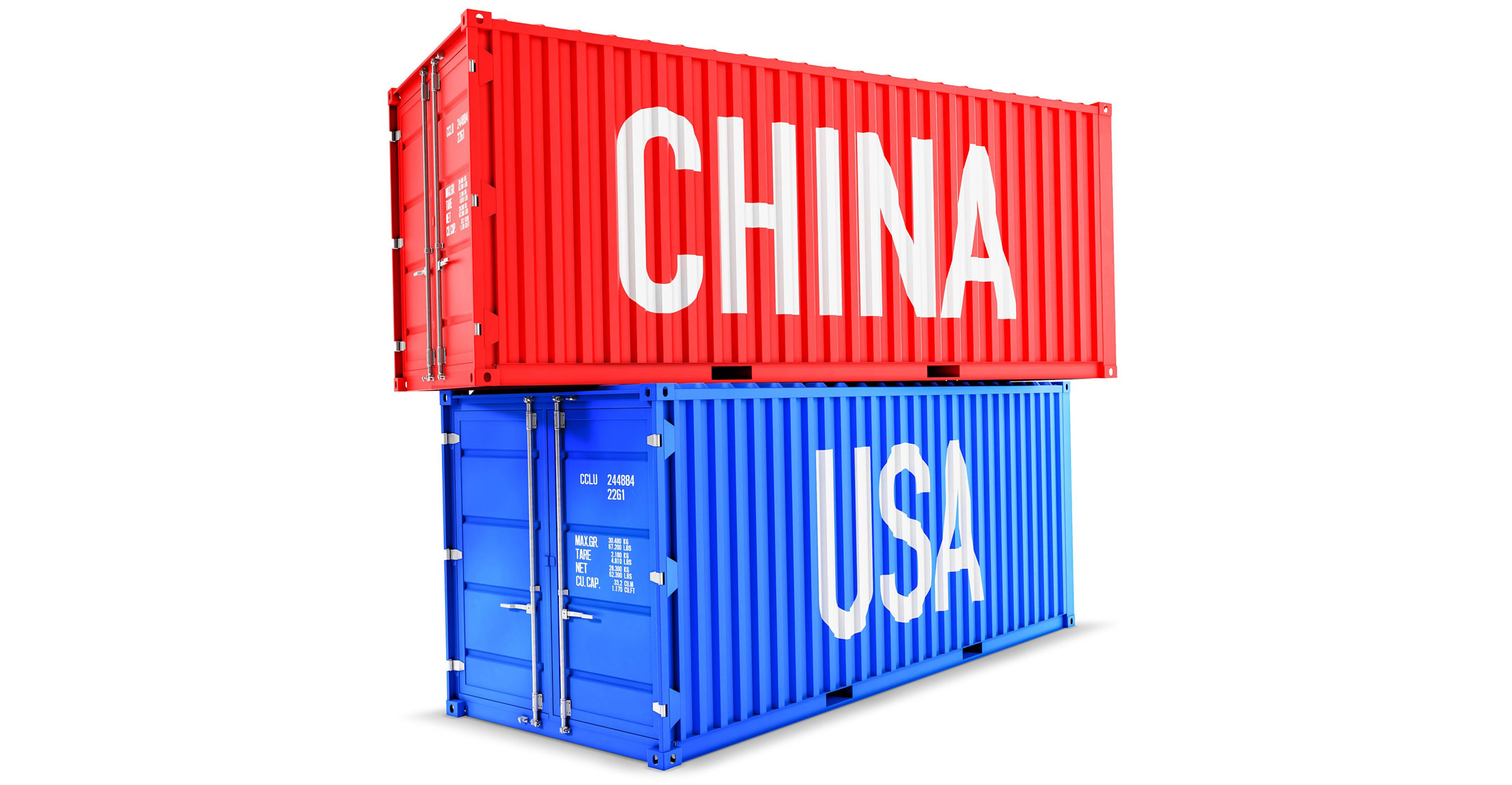
    US President Donald Trump is poised to sign a deal with China on Wednesday that for the first time would punish Beijing if it fails to deliver on pledges related to its currency, intellectual property and the trade balance.

    But the question set to dog Trump the moment the ink dries is whether the pact will rewire the relationship between the world’s biggest economies. For many in Washington, US-China economic ties have become an example of the evils of globalisation, the tensions of 21st century technology and geopolitics, and the missteps of past presidents.

    The “phase one” deal that Trump recently called a “big, beautiful monster” is by no means a standard trade agreement: at 86 pages, it’s thinner than most on substance and commitments. The US agreed to halve 15% duties on US$120-billion of imports and delay others in return for Chinese promises to make structural reforms and purchase an additional $200-billion in American goods and services over the next two years. The full text will be released Wednesday.

    The most likely immediate flash point is the future of 5G and the fate of Huawei Technologies, China’s flagship tech company

    Still, it leaves significant issues at the heart of China’s model of state capitalism, such as restraining industrial subsidies and state-owned companies, to future phases. Punitive tariffs are expected to remain on almost two-thirds of US imports from China — some $360-billion in goods — until at least November’s election: treasury secretary Steven Mnuchin said on Tuesday the US would only consider more tariff relief if China signs a phase-two trade deal.

    “This is an enormous achievement for the president and the economic team,” Mnuchin told reporters in Washington, adding that no firm date was set for phase-two trade talks to begin. Vice Premier Liu He, China’s top trade negotiator and President Xi Jinping’s main economic adviser, will be leading the Chinese delegation at the signing ceremony.

    The deal also embraces a level of socialist-style central planning that would have made past American presidents wince.

    ‘Unfair trade practices’

    While trade pacts traditionally set the rules and leave the details of actual commerce to markets, the one that Trump’s team has negotiated includes a classified annex that details the $200-billion Chinese buying spree. That includes some $32-billion in additional purchases of American farm exports and $50-billion in natural gas and crude oil, according to people briefed on its contents.

    The administration insists the different nature of the deal is by design and that it won’t need the approval of the US congress. “This is not a free-trade agreement,” it told supporters in a memo last month. “Its purpose is to rectify unfair trade practices.”

    Still, its failure to address issues like industrial subsidies prompted some China experts to insist the deal falls short of Trump’s promises and raise questions over whether the economic pain it has yielded in some sectors of the US economy was worth it.
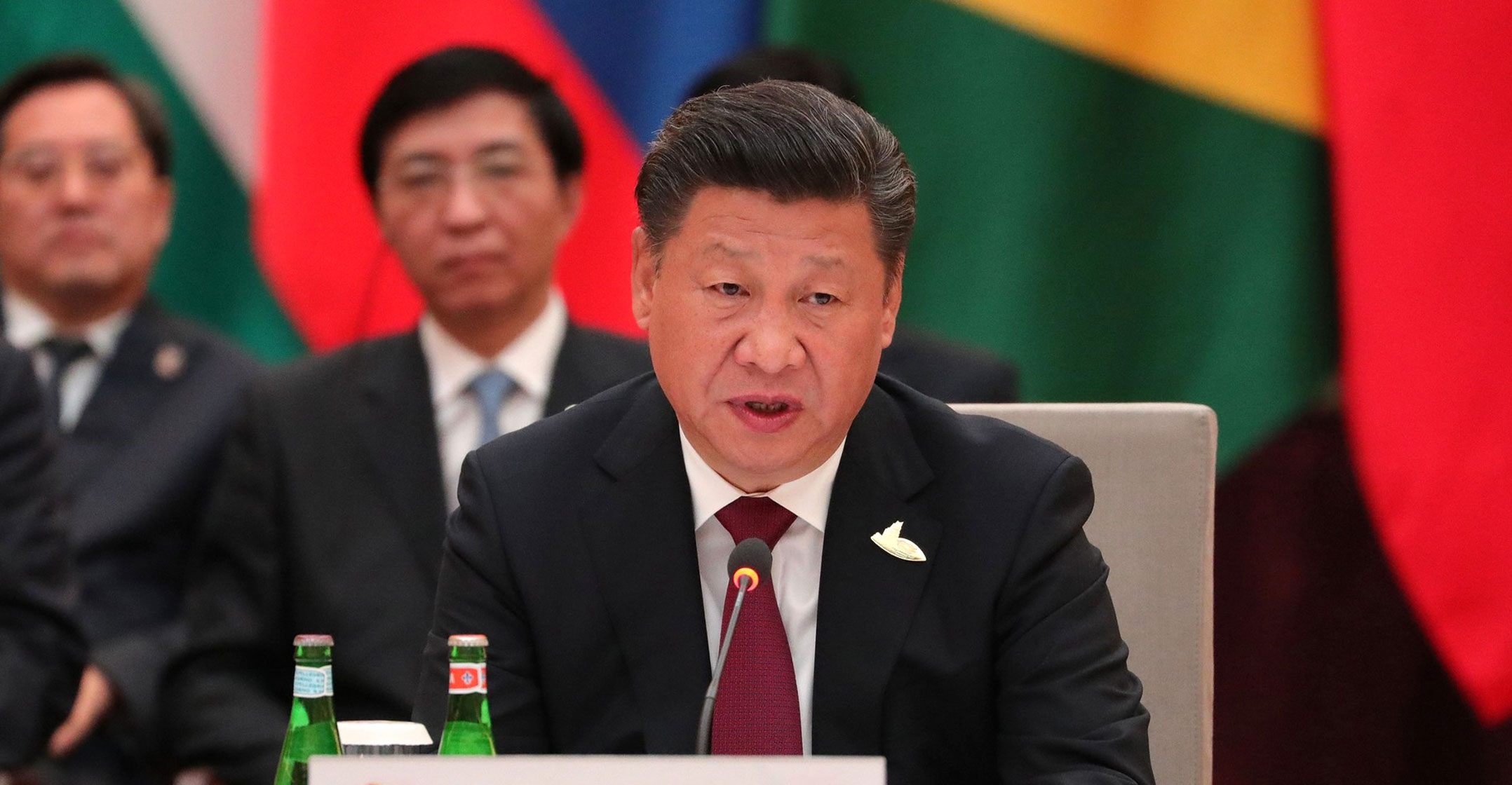
    China’s Xi Jinping

    “I’m prepared to be disappointed by underwhelming details, but I’d love to be surprised with previously unreported major Chinese concessions that would make this long and windy trade conflict feel worth it,” said Scott Kennedy, an expert on US-China economic relations at the Centre for Strategic and International Studies.

    Supporters of the president and former aides argue Trump has been able to accomplish many of the goals he set when he began to push China to embrace a new round of economic reforms in 2017.

    “It’s a major victory for the president,” said Stephen Vaughn, who until last year helped oversee Trump’s trade policies as the general counsel and right-hand man to US trade representative Robert Lighthizer. “He has got China to make stronger commitments than it has made in previous agreements.”

    The deal embraces a level of socialist-style central planning that would have made past American presidents wince

    For Xi, the deal stops the bleeding on a nearly two-year trade war at a time when he’s facing an economy growing at the slowest pace in three decades and unprecedented protests in Hong Kong. He struck an optimistic tone at the start of 2020, touting “extraordinary Chinese splendour and Chinese strength”.

    “In the face of severe and complex domestic and foreign situations and various risks and challenges, we have been able to move forward firmly,” Xi told party leaders last week.

    But a host of complications remain. The US and China are poised for heightened confrontation on industrial policies, geopolitical hot spots like Taiwan and the South China Sea, and Beijing’s detention camps for ethnic Uighur Muslims in China’s far western region of Xinjiang — all areas that Xi’s critics say could’ve been handled better.

    Huawei

    The most likely immediate flash point is the future of 5G and the fate of Huawei Technologies, China’s flagship tech company. The Trump administration is considering steps to further limit the ability of US companies to supply Huawei, in addition to pressuring countries around the world to avoid using its equipment for 5G mobile networks.

    Trump, meanwhile, is marching defiantly into an election year despite his impeachment by focusing on an economy that is continuing to grow robustly, albeit at a slower pace. A majority of Americans — 51% — for the first time credited Trump for having either “strongly” or “somewhat” helped the US economy, according to results of a survey released last week by the Financial Times and the Peter G Peterson Foundation.
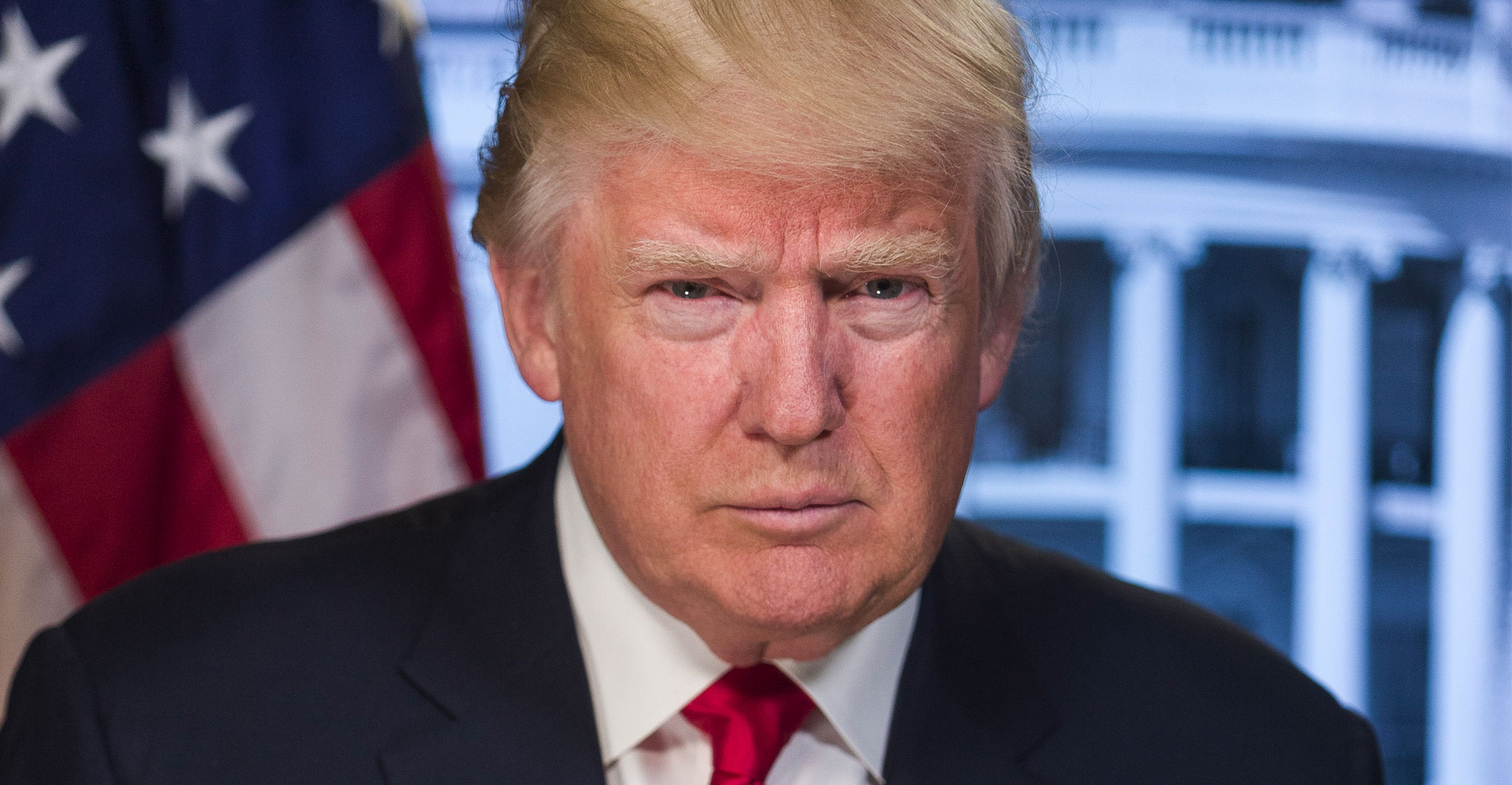
    Donald Trump

    That represents a seven point jump from the same survey conducted in November, ahead of the 13 December announcement of a finalised trade deal. The survey also showed voters were attuned to the trade war, with more than three-quarters of Americans saying it had a “very strong” or “somewhat strong” impact on the economy.

    The president has also used the deal as a cudgel to attack Democratic rivals, frequently arguing that the Chinese got the better of former President Barack Obama when leading Democratic presidential candidate Joe Biden served as his vice president. During the same campaign rally last week in Toledo at which he hailed his “beautiful monster”, Trump mocked South Bend mayor Pete Buttigieg as unable to confront China.

    “Can you believe Mayor Pete? This is going to be the president of the United States? How would he be against negotiating against President Xi of China?” Trump said. “And we just made one hell of a deal.”  — Reported by Shawn Donnan, Jenny Leonard and Justin Sink, (c) 2020 Bloomberg LP

    Follow TechCentral on Google News Add TechCentral as your preferred source on Google


    Donald Trump Huawei top Xi Jinping
    WhatsApp YouTube
    Share. Facebook Twitter LinkedIn WhatsApp Telegram Email Copy Link
    Previous ArticleTrump pressures Apple to unlock iPhones of Florida terrorist
    Next Article What to expect in South Africa’s fintech scene in 2020

    Related Posts

    Solly Malatsi stakes South Africa's AI future on staying neutral

    Solly Malatsi stakes South Africa’s AI future on staying neutral

    5 August 2026
    Huawei launches 12 intelligent transport solutions in South Africa - Sam Tang

    Huawei launches 12 intelligent transport solutions in South Africa

    30 July 2026
    Huawei Connect 2026: taking South African AI beyond pilots

    Huawei Connect 2026: taking South African AI beyond pilots

    29 July 2026
    Company News
    What a cloud review reveals about how a company actually runs - LSD Open

    What a cloud review reveals about how a company actually runs

    6 August 2026
    Manufacturing from a garage is now a realistic business plan - MaxLaser

    Manufacturing from a garage is now a realistic business plan

    6 August 2026
    South Africa agrees on a shared language for location - AfriGIS

    South Africa agrees on a shared language for location

    5 August 2026
    Opinion
    The author, Jannie van Zyl

    Selling vapour is corporate suicide in slow motion

    16 July 2026
    Brazil's online gambling crackdown is a lesson for South Africa

    How Amazon outmanoeuvred Starlink in South Africa

    15 July 2026
    The Popia problem with agentic AI - Herman Haasbroek

    The Popia problem with agentic AI

    14 July 2026

    Subscribe to Updates

    Get the best South African technology news and analysis delivered to your e-mail inbox every morning.

    Latest Posts
    ICT is becoming the centre of gravity at Reunert - Anthonie de Beer and Rob Godlonton

    ICT is becoming the centre of gravity at Reunert

    6 August 2026
    Why Discovery is going slow on AI coding agents - Derek Wilcocks

    Why Discovery is going slow on AI coding agents

    6 August 2026
    Google's Gemini leadership team has left the building - Demis Hassabis

    Google’s Gemini leadership team has left the building

    6 August 2026
    SpaceX shares keep sliding - Elon Musk

    SpaceX shares keep sliding

    6 August 2026
    © 2009 - 2026 NewsCentral Media
    Built and maintained by Chronon
    • Cookie policy (ZA)
    • TechCentral – privacy and Popia

    Type above and press Enter to search. Press Esc to cancel.

    Manage consent

    TechCentral uses cookies to enhance its offerings. Consenting to these technologies allows us to serve you better. Not consenting or withdrawing consent may adversely affect certain features and functions of the website.

    Functional Always active
    The technical storage or access is strictly necessary for the legitimate purpose of enabling the use of a specific service explicitly requested by the subscriber or user, or for the sole purpose of carrying out the transmission of a communication over an electronic communications network.
    Preferences
    The technical storage or access is necessary for the legitimate purpose of storing preferences that are not requested by the subscriber or user.
    Statistics
    The technical storage or access that is used exclusively for statistical purposes. The technical storage or access that is used exclusively for anonymous statistical purposes. Without a subpoena, voluntary compliance on the part of your Internet Service Provider, or additional records from a third party, information stored or retrieved for this purpose alone cannot usually be used to identify you.
    Marketing
    The technical storage or access is required to create user profiles to send advertising, or to track the user on a website or across several websites for similar marketing purposes.
    • Manage options
    • Manage services
    • Manage {vendor_count} vendors
    • Read more about these purposes
    View preferences
    • {title}
    • {title}
    • {title}