
The most important thing Amazon launched in South Africa this week was not Prime. It was the bundle.
When Amazon switched on Prime locally on Tuesday, the obvious headline was the price: R59/month, or R399/year if you pay upfront. That is less than the R79 Amazon used to charge for Prime Video on its own.
For that R59, subscribers now get Prime Video, Luna cloud gaming, a monthly Twitch channel subscription, unlimited same- and next-day delivery, and early access to Prime Day deals. In other words, Amazon is charging less for the whole bundle than it once charged for just one piece of it.
That is not a mistake; it’s the strategy, and it is the same strategy now playing out across almost every consumer technology category in South Africa.
The same shift is visible in telecoms. Vodacom and MTN no longer sell only airtime and data. They sell app ecosystems that combine connectivity, payments, insurance, entertainment, rewards and financial services. Telecoms operators already have one of the most valuable things in the consumer market: a billing relationship with millions of people. Adding content and financial services to that relationship is the logical next step.
Capitec has come at the same problem from the other direction. With its Capitec Connect mobile virtual network operator, it is turning a bank account into a mobile relationship. Takealot saw Amazon coming and responded early with TakealotMore. Across the market, companies are learning the same lesson: the product matters, but the wrapper may matter more.
‘Ecosystem’
The industry has a flattering word for this: ecosystem. Every results presentation now seems to include a slide with concentric circles of services orbiting a loyal customer at the centre. It sounds like innovation. Strip away the jargon, though, and an ecosystem is often just a bundle with better PR – a set of switching costs dressed up as customer love.
These companies are not really competing on the merits of any single product. Prime Video is not better than Netflix. Luna is not about to trouble Sony’s PlayStation. Vodacom’s financial services ambitions have hardly set the world alight. But that is not the point. The real prize is the monthly debit order: the small, recurring line on your bank statement that you set up once and never quite get around to cancelling.
Read: Amazon’s long game in South Africa
That is both the genius and the menace of the bundle. It does not have to win on quality; it wins on inertia. Once you are paying R59/month for delivery you wanted anyway, the video and gaming start to feel free. The question is no longer, “Is Prime Video better than Netflix?” It becomes, “Do I really need Netflix as well?”
Multiply that decision across a few million households and the logic of the bundle becomes obvious.
It is especially powerful in South Africa, where consumers are under enormous financial pressure. Data is expensive, electricity is no longer something anyone takes for granted and discretionary income is thin. Most households are not subscribing to a dozen digital services. They are picking one or two and cutting the rest.
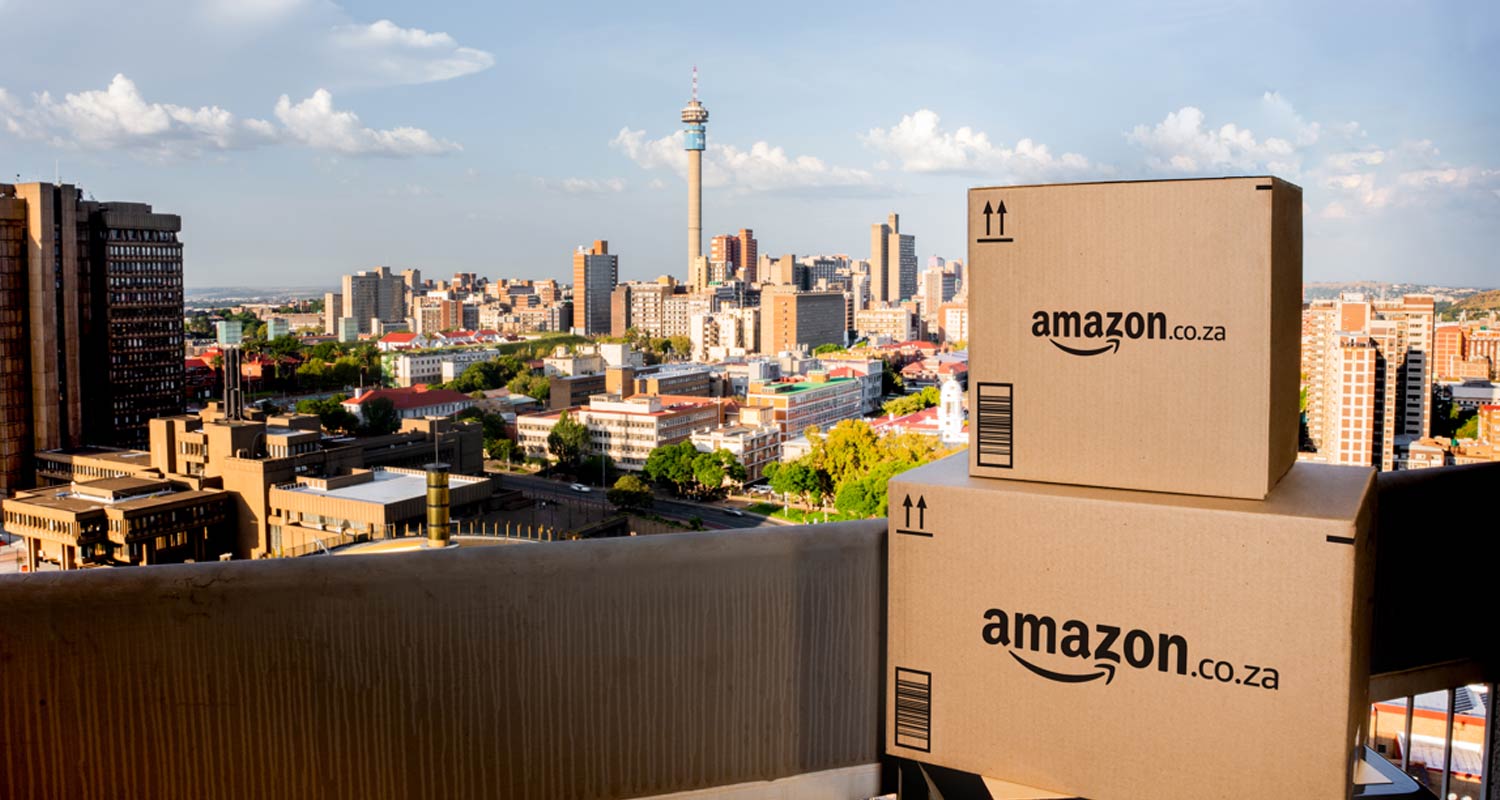
That makes the local contest unusually brutal. In richer markets, bundling is often about upselling. In South Africa, it is closer to winner-takes-most. The service that captures the household’s main entertainment, shopping or digital services subscription has a good chance of pushing the others out.
Consider DStv, the original South African bundle. For three decades it was the one subscription that wrapped sport, movies and series into a single monthly debit order – the very model everyone is now copying.
Yet the original bundler is the one most exposed to the new ones. MultiChoice shed 589 000 DStv subscribers last year, closed Showmax and froze prices to stem the losses.
DStv still holds the one card nobody else has – live sport, from the PSL to the Springboks – but it is now defending a single, pricey subscription against rivals who can bundle video in and all but give it away.
That is why Prime’s price should worry the incumbents more than the launch itself. Amazon can afford to make the bundle look almost absurdly cheap because the bundle is not the whole business. The business is the marketplace, the advertising, the customer data and, ultimately, Amazon Web Services. Prime is the front door to a much larger machine. It is a way to get consumers into Amazon’s orbit and keep them there.
Takealot and the mobile operators do not have quite the same engine room subsidising the storefront. They have to make their bundles pay on more conventional terms, while competing with a company that can treat the bundle as a loss-leading sample tray.
Real value
There is also a regulatory question here. The Competition Commission has spent years looking at pay TV, e-commerce and telecoms as separate markets. Bundles do not respect those neat lines.
When one subscription spans retail, streaming, gaming, payments, cloud services and delivery, the old market definitions start to look a little quaint. By the time regulators decide which market a dominant bundle is actually dominating, the debit orders may already have been captured.
TCS | Takealot CEO Frederik Zietsman on township growth, EVs and the future of online retail
None of this means bundling is inherently bad. Consumers can get real value from it. At R59/month, Prime is, on the face of it, a very good deal. Many households will look at it and quite reasonably conclude that they would be silly not to sign up.
But we should be clear about what is happening. The company that dominates South Africa’s digital household will not necessarily be the one with the best content, the best technology or the most elegant product. It may simply be the one that gets its debit order in first and makes cancelling feel like more effort than it is worth.
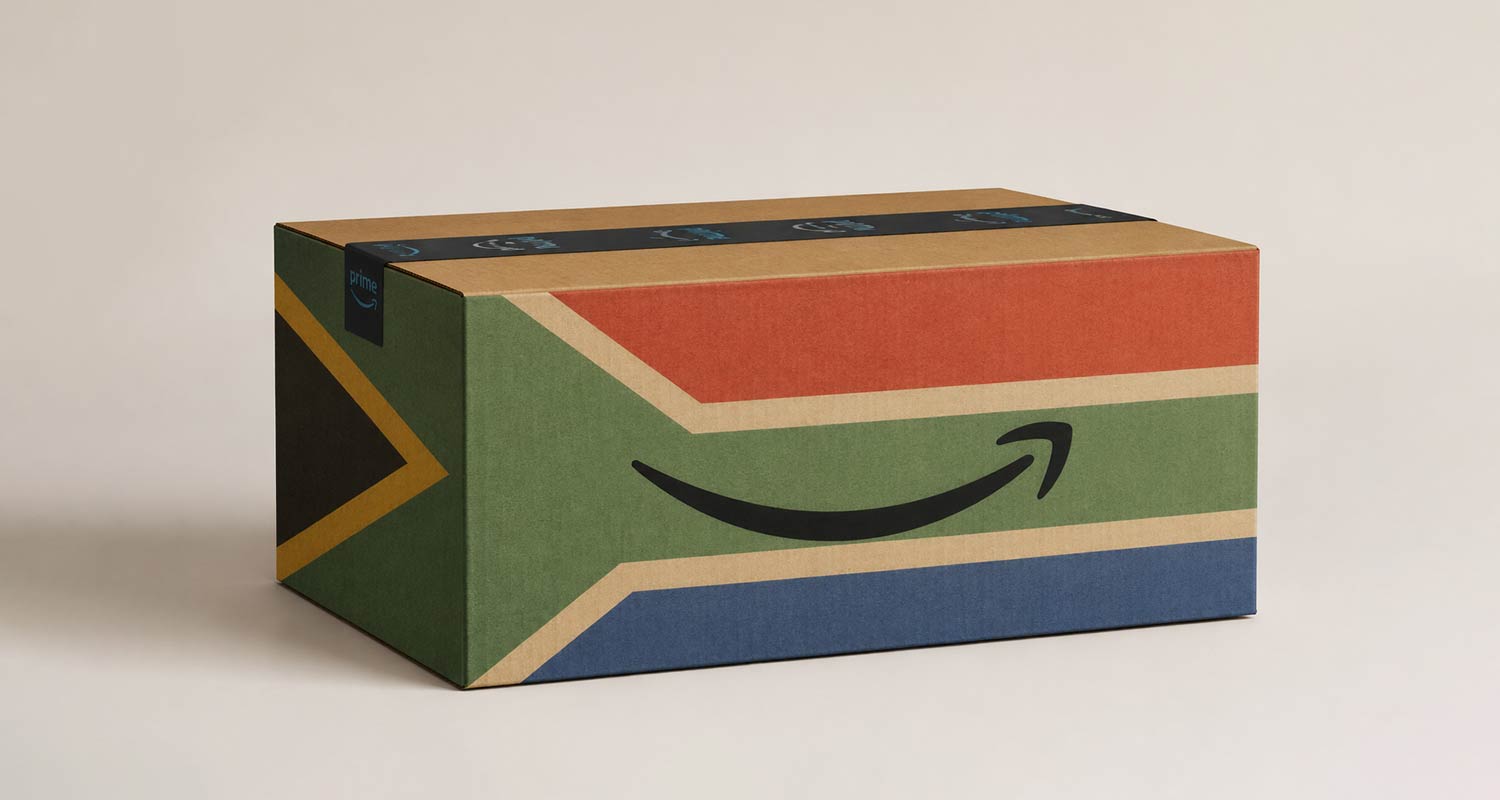
That is the real battleground now: not content, not coverage, not even price on its own. It is the quiet, sticky monthly subscription we forget we are paying. And on current form, the foreign giant that can afford to treat the whole bundle as a free sample may be better placed to win that fight than the local champions still trying to make the wrapper turn a profit. — (c) 2026 NewsCentral Media
- Subscribe to TechCentral’s daily newsletter
- Get breaking news alerts on WhatsApp