Close Menu
TechCentralTechCentral

    Subscribe to the newsletter

    Get the best South African technology news and analysis delivered to your e-mail inbox every morning.

    Facebook X (Twitter) YouTube LinkedIn
    WhatsApp Facebook X (Twitter) LinkedIn YouTube
    TechCentralTechCentral
    • News
      Digital authoritarianism grows as African states normalise internet blackouts

      Digital authoritarianism grows as African states normalise internet blackouts

      19 December 2025
      Starlink satellite anomaly creates debris in rare orbital mishap

      Starlink satellite anomaly creates debris in rare orbital mishap

      19 December 2025
      TechCentral's South African Newsmakers of 2025

      TechCentral’s South African Newsmakers of 2025

      18 December 2025
      Malatsi buries Post Office's long-dead monopoly

      Malatsi buries Post Office monopoly the market ignored

      18 December 2025
      China races to crack EUV as chip war with the West intensifies

      China races to crack EUV lithography as chip war with the West intensifies

      18 December 2025
    • World
      Trump space order puts the moon back at centre of US, China rivalry - US President Donald Trump

      Trump space order puts the moon back at centre of US, China rivalry

      19 December 2025
      Warner Bros slams the door on Paramount

      Warner Bros slams the door on Paramount

      17 December 2025
      X moves to block bid to revive Twitter brand

      X moves to block bid to revive Twitter brand

      17 December 2025
      Oracle’s AI ambitions face scrutiny on earnings miss

      Oracle’s AI ambitions face scrutiny on earnings miss

      11 December 2025
      China will get Nvidia H200 chips - but not without paying Washington first

      China will get Nvidia H200 chips – but not without paying Washington first

      9 December 2025
    • In-depth
      Black Friday goes digital in South Africa as online spending surges to record high

      Black Friday goes digital in South Africa as online spending surges to record high

      4 December 2025
      Canal+ plays hardball - and DStv viewers feel the pain

      Canal+ plays hardball – and DStv viewers feel the pain

      3 December 2025
      Jensen Huang Nvidia

      So, will China really win the AI race?

      14 November 2025
      Valve's Linux console takes aim at Microsoft's gaming empire

      Valve’s Linux console takes aim at Microsoft’s gaming empire

      13 November 2025
      iOCO's extraordinary comeback plan - Rhys Summerton

      iOCO’s extraordinary comeback plan

      28 October 2025
    • TCS
      TCS+ | Africa's digital transformation - unlocking AI through cloud and culture - Cliff de Wit Accelera Digital Group

      TCS+ | Cloud without culture won’t deliver AI: Accelera’s Cliff de Wit

      12 December 2025
      TCS+ | How Cloud on Demand helps partners thrive in the AWS ecosystem - Odwa Ndyaluvane and Xenia Rhode

      TCS+ | How Cloud On Demand helps partners thrive in the AWS ecosystem

      4 December 2025
      TCS | MTN Group CEO Ralph Mupita on competition, AI and the future of mobile

      TCS | Ralph Mupita on competition, AI and the future of mobile

      28 November 2025
      TCS | Dominic Cull on fixing South Africa's ICT policy bottlenecks

      TCS | Dominic Cull on fixing South Africa’s ICT policy bottlenecks

      21 November 2025
      TCS | BMW CEO Peter van Binsbergen on the future of South Africa's automotive industry

      TCS | BMW CEO Peter van Binsbergen on the future of South Africa’s automotive industry

      6 November 2025
    • Opinion
      Netflix, Warner Bros deal raises fresh headaches for MultiChoice - Duncan McLeod

      Netflix, Warner Bros deal raises fresh headaches for MultiChoice

      5 December 2025
      BIN scans, DDoS and the next cybercrime wave hitting South Africa's banks - Entersekt Gerhard Oosthuizen

      BIN scans, DDoS and the next cybercrime wave hitting South Africa’s banks

      3 December 2025
      Your data, your hardware: the DIY AI revolution is coming - Duncan McLeod

      Your data, your hardware: the DIY AI revolution is coming

      20 November 2025
      Zero Carbon Charge founder Joubert Roux

      The energy revolution South Africa can’t afford to miss

      20 November 2025
      It's time for a new approach to government IT spend in South Africa - Richard Firth

      It’s time for a new approach to government IT spend in South Africa

      19 November 2025
    • Company Hubs
      • Africa Data Centres
      • AfriGIS
      • Altron Digital Business
      • Altron Document Solutions
      • Altron Group
      • Arctic Wolf
      • AvertITD
      • Braintree
      • CallMiner
      • CambriLearn
      • CYBER1 Solutions
      • Digicloud Africa
      • Digimune
      • Domains.co.za
      • ESET
      • Euphoria Telecom
      • Incredible Business
      • iONLINE
      • IQbusiness
      • Iris Network Systems
      • LSD Open
      • NEC XON
      • Netstar
      • Network Platforms
      • Next DLP
      • Ovations
      • Paracon
      • Paratus
      • Q-KON
      • SevenC
      • SkyWire
      • Solid8 Technologies
      • Telit Cinterion
      • Tenable
      • Vertiv
      • Videri Digital
      • Vodacom Business
      • Wipro
      • Workday
      • XLink
    • Sections
      • AI and machine learning
      • Banking
      • Broadcasting and Media
      • Cloud services
      • Contact centres and CX
      • Cryptocurrencies
      • Education and skills
      • Electronics and hardware
      • Energy and sustainability
      • Enterprise software
      • Financial services
      • Information security
      • Internet and connectivity
      • Internet of Things
      • Investment
      • IT services
      • Lifestyle
      • Motoring
      • Public sector
      • Retail and e-commerce
      • Satellite communications
      • Science
      • SMEs and start-ups
      • Social media
      • Talent and leadership
      • Telecoms
    • Events
    • Advertise
    TechCentralTechCentral
    Home » World » Apple looks to wean itself off Samsung

    Apple looks to wean itself off Samsung

    By Agency Staff19 March 2018
    Twitter LinkedIn Facebook WhatsApp Email Telegram Copy Link
    News Alerts
    WhatsApp
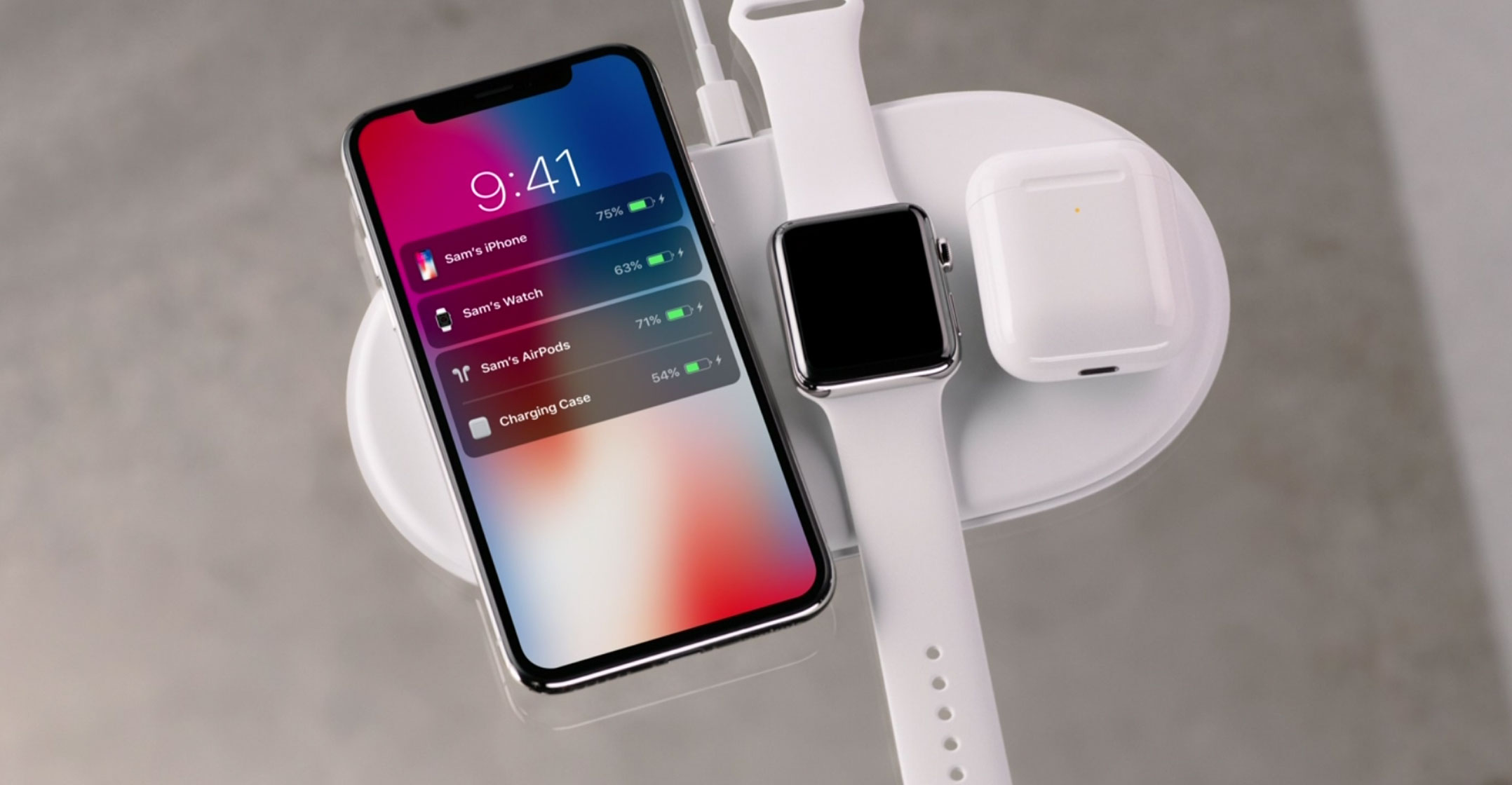
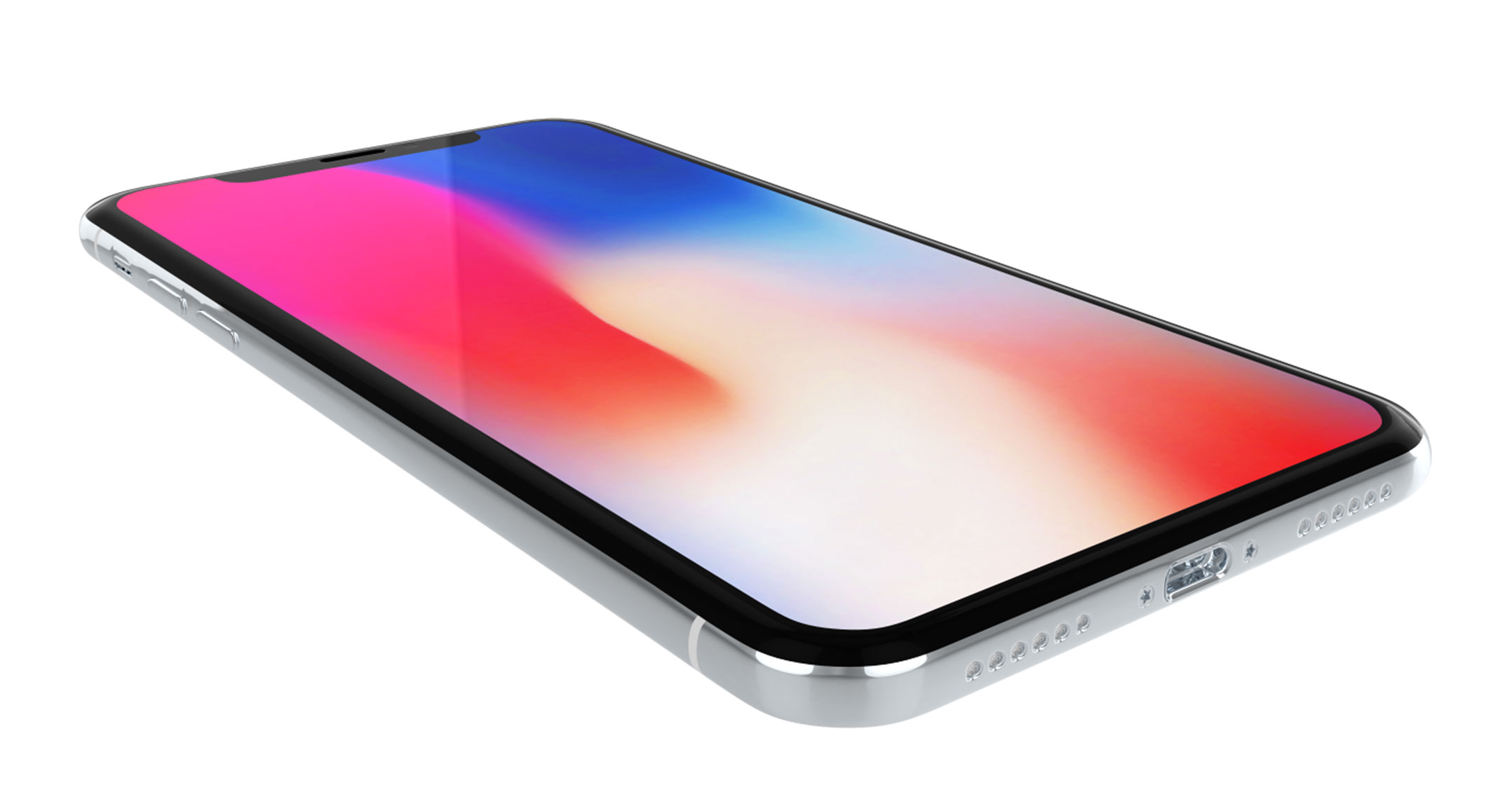
    The iPhone X’s screen is made by Apple arch-rival Samsung

    Apple is designing and producing its own device displays for the first time, using a secret manufacturing facility near its California headquarters to make small numbers of the screens for testing purposes, according to people familiar with the situation.

    The technology giant is making a significant investment in the development of next-generation MicroLED screens, say the people, who requested anonymity to discuss internal planning. MicroLED screens use different light-emitting compounds than the current OLED displays and promise to make future gadgets slimmer, brighter and less power-hungry.

    The screens are far more difficult to produce than OLED displays, and the company almost killed the project a year or so ago, the people say. Engineers have since been making progress and the technology is now at an advanced stage, they say, though consumers will probably have to wait a few years before seeing the results.

    Its move into displays has the long-term potential to hurt a range of suppliers, from screen makers like Samsung Electronics, Japan Display, Sharp and LG Display to companies like Synaptics

    The ambitious undertaking is the latest example of Apple bringing the design of key components in-house. The company has designed chips powering its mobile devices for several years. Its move into displays has the long-term potential to hurt a range of suppliers, from screen makers like Samsung Electronics, Japan Display, Sharp and LG Display to companies like Synaptics that produce chip-screen interfaces. It may also hurt Universal Display, a leading developer of OLED technology.

    Display makers in Asia fell after news of the plans emerged. Japan Display dropped as much as 4.4%, Sharp tumbled as much as 3.3% and Samsung slid 1.4%.

    Controlling MicroLED technology would help Apple stand out in a maturing smartphone market and outgun rivals like Samsung that have been able to tout superior screens. Ray Soneira, who runs screen tester DisplayMate Technologies, says bringing the design in-house is a “golden opportunity” for Apple. “Everyone can buy an OLED or LCD screen,” he says. “But Apple could own MicroLED.”

    None of this will be easy. Mass producing the new screens will require new manufacturing equipment. By the time the technology is ready, something else might have supplanted it. Apple could run into insurmountable hurdles and abandon the project or push it back. It’s also an expensive endeavour.

    In-house

    Ultimately, Apple will likely outsource production of its new screen technology to minimise the risk of hurting its bottom line with manufacturing snafus. The California facility is too small for mass production, but the company wants to keep the proprietary technology away from its partners as long as possible, one of the people says. “We put a lot of money into the facility,” this person says. “It’s big enough to get through the engineering builds (and) lets us keep everything in-house during the development stages.”

    An Apple spokeswoman declined to comment.

    Right now, smartphones and other gadgets essentially use off-the-shelf display technology. The Apple Watch screen is made by LG Display. Ditto for Google’s larger Pixel phone. The iPhone X, Apple’s first OLED phone, uses Samsung technology. Phone manufacturers tweak screens to their specifications, and Apple has for years calibrated iPhone screens for color accuracy. But this marks the first time Apple is designing screens end-to-end itself.

    The secret initiative, code-named T159, is overseen by executive Lynn Youngs, an Apple veteran who helped develop touch screens for the original iPhone and iPad and now oversees iPhone and Apple Watch screen technology.
    The 5 800 square metre manufacturing facility, the first of its kind for Apple, is located on an otherwise unremarkable street in Santa Clara, California, a 15-minute drive from the Apple Park campus in Cupertino and near a few other unmarked Apple offices. There, about 300 engineers are designing and producing MicroLED screens for use in future products. The facility also has a special area for the intricate process of “growing” LEDs.

    Another facility nearby houses technology that handles so-called LED transfers: the process of placing individual pixels into a MicroLED screen. Apple inherited the intellectual property for that process when it purchased start-up LuxVue in 2014.

    About a year after that acquisition, Apple opened a display research lab (described internally as a “Technology Centre”) in Taiwan. In a test to see if the company could pull off in-house display manufacturing, engineers in Taiwan first built a small number of LCD screens using Apple technology. They were assembled at the Santa Clara factory and retrofitted into iPhone 7 prototypes. Apple executives tested them, then gave the display team the go-ahead to move forward with the development of Apple-designed MicroLED screens.

    In late 2017, for the first time, engineers managed to manufacture fully functional MicroLED screens for future Apple Watches

    The complexity of building a screen manufacturing facility meant it took Apple several months to get the California plant operational. Only in recent months have Apple engineers grown confident in their ability to eventually replace screens from Samsung and other suppliers.

    In late 2017, for the first time, engineers managed to manufacture fully functional MicroLED screens for future Apple Watches; the company aims to make the new technology available first in its wearable computers. While still at least a couple of years away from reaching consumers — assuming the company decides to proceed — producing a functional MicroLED Apple Watch prototype is a significant milestone for a company that in the past designed hardware to be produced by others.

    The latest MicroLED Apple Watch prototypes aren’t fully functioning wearables; instead the screen portion is connected to an external computer board. The screens are notably brighter than the current OLED Watch displays, and engineers have a finer level of control over individual colours, according to a person who has seen them. Executives recently approved continued development for the next two years, with the aim of shipping MicroLED screens in products.

    Watch first

    It’s unlikely that the technology will reach an iPhone for at least three to five years, the people say. While the smartphone is Apple’s cash cow, there is precedent for new screen technologies showing up in the Apple Watch first. When it was introduced in 2014, the Apple Watch had an OLED screen. The technology finally migrated to the iPhone X last year.

    Creating MicroLED screens is extraordinarily complex. Depending on screen size, they can contain millions of individual pixels. Each has three sub-pixels: red, green and blue LEDs. Each of these tiny LEDs must be individually created and calibrated. Each piece comes from what is known as a “donor wafer” and then are mass-transferred to the MicroLED screen. Early in the process, Apple bought these wafers from third-party manufacturers like Epistar and Osram Licht but has since begun “growing” its own LEDs to make in-house donor wafers. The growing process is done inside a clean room at the Santa Clara facility.

    Engineers at the facility are also assembling prototype MicroLED screens, right down to attaching the screen to the glass. The backplanes, an underlying component that electronically powers the displays, are developed at the Taiwan facility. Apple is also designing its own thin-film transistors and screen drivers, key components in display assemblies. Currently, the Santa Clara facility is capable of manufacturing a handful of fully operational Apple Watch-sized (under two inches diagonally) MicroLED screens at a time.

    Until MicroLED is ready for the world to see, Apple will still — at least publicly — be all-in on OLED. The company plans to release a second OLED iPhone in the fall, a giant, 6.5-inch model, and is working to expand OLED production from Samsung to also include LG.  — Reported by Mark Gurman, with assistance from Debby Wu and Ian King, (c) 2018 Bloomberg LP



    Apple Samsung top
    Subscribe to TechCentral Subscribe to TechCentral
    Share. Facebook Twitter LinkedIn WhatsApp Telegram Email Copy Link
    Previous ArticleCrypto assets ‘could threaten’ financial system
    Next Article Use your brain: AI won’t soon replace it

    Related Posts

    The best seat in the house? It's behind your Samsung Galaxy smartphone

    The best seat in the house? It’s behind your Samsung Galaxy smartphone

    9 December 2025
    Samsung Galaxy Tab A11: a smarter, sharper companion for work and play

    Samsung Galaxy Tab A11: a smarter, sharper companion for work and play

    8 December 2025
    Beat the summer heat with Samsung's WindFree air conditioners

    Beat the summer heat with Samsung’s WindFree air conditioners

    5 December 2025
    Company News
    Why TechCentral is the most powerful platform for reaching IT decision makers

    Why TechCentral is the most powerful platform for reaching IT decision makers

    17 December 2025
    Business trends to watch in 2026 - Domains.co.za

    Business trends to watch in 2026

    17 December 2025
    MTN Zambia launches world's first 4G cloud smartphone solution - Huawei

    MTN Zambia launches world’s first 4G cloud smartphone solution

    17 December 2025
    Opinion
    Netflix, Warner Bros deal raises fresh headaches for MultiChoice - Duncan McLeod

    Netflix, Warner Bros deal raises fresh headaches for MultiChoice

    5 December 2025
    BIN scans, DDoS and the next cybercrime wave hitting South Africa's banks - Entersekt Gerhard Oosthuizen

    BIN scans, DDoS and the next cybercrime wave hitting South Africa’s banks

    3 December 2025
    Your data, your hardware: the DIY AI revolution is coming - Duncan McLeod

    Your data, your hardware: the DIY AI revolution is coming

    20 November 2025

    Subscribe to Updates

    Get the best South African technology news and analysis delivered to your e-mail inbox every morning.

    Latest Posts
    Digital authoritarianism grows as African states normalise internet blackouts

    Digital authoritarianism grows as African states normalise internet blackouts

    19 December 2025
    Starlink satellite anomaly creates debris in rare orbital mishap

    Starlink satellite anomaly creates debris in rare orbital mishap

    19 December 2025
    Trump space order puts the moon back at centre of US, China rivalry - US President Donald Trump

    Trump space order puts the moon back at centre of US, China rivalry

    19 December 2025
    TechCentral's South African Newsmakers of 2025

    TechCentral’s South African Newsmakers of 2025

    18 December 2025
    © 2009 - 2025 NewsCentral Media
    • Cookie policy (ZA)
    • TechCentral – privacy and Popia

    Type above and press Enter to search. Press Esc to cancel.

    Manage consent

    TechCentral uses cookies to enhance its offerings. Consenting to these technologies allows us to serve you better. Not consenting or withdrawing consent may adversely affect certain features and functions of the website.

    Functional Always active
    The technical storage or access is strictly necessary for the legitimate purpose of enabling the use of a specific service explicitly requested by the subscriber or user, or for the sole purpose of carrying out the transmission of a communication over an electronic communications network.
    Preferences
    The technical storage or access is necessary for the legitimate purpose of storing preferences that are not requested by the subscriber or user.
    Statistics
    The technical storage or access that is used exclusively for statistical purposes. The technical storage or access that is used exclusively for anonymous statistical purposes. Without a subpoena, voluntary compliance on the part of your Internet Service Provider, or additional records from a third party, information stored or retrieved for this purpose alone cannot usually be used to identify you.
    Marketing
    The technical storage or access is required to create user profiles to send advertising, or to track the user on a website or across several websites for similar marketing purposes.
    • Manage options
    • Manage services
    • Manage {vendor_count} vendors
    • Read more about these purposes
    View preferences
    • {title}
    • {title}
    • {title}