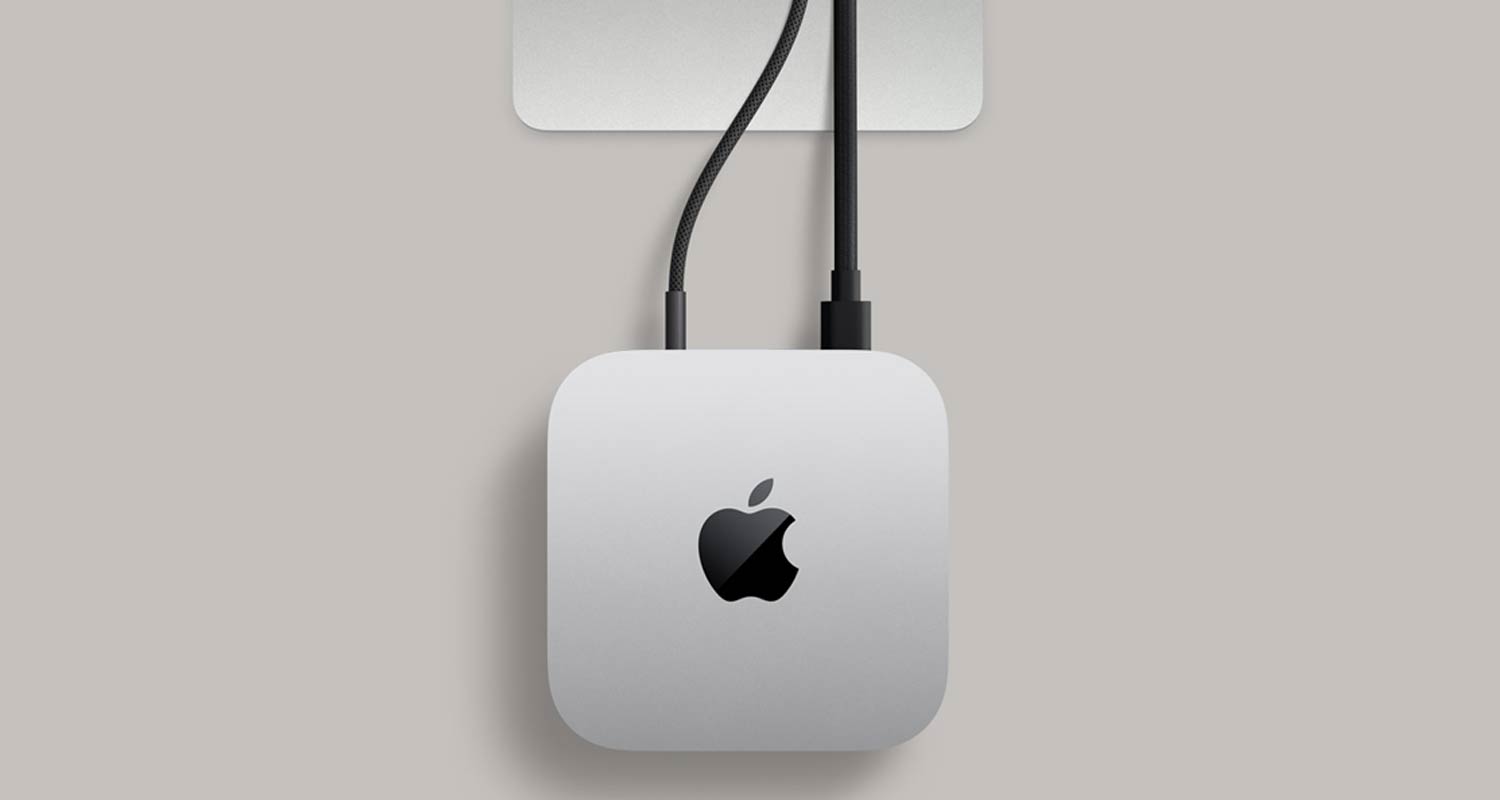
Apple on Tuesday unveiled a more powerful Mac mini aimed at consumers looking to host AI agents remotely, marking what is likely the final product launch of Tim Cook’s tenure as CEO.
The new mini, unveiled alongside a beefed-up Mac Studio, starts at US$899 and comes with either Apple’s new M6 chip or the M5 Pro. It is US$100 more expensive than its predecessor.
Both devices have become popular with consumers looking to run autonomous AI agents locally, with high demand depleting inventories at several Apple stores.
“Whether it’s being used as a home computer, powering a professional studio or as an always-on agentic device, it’s the little Mac that can do it all,” the company’s hardware boss Johny Srouji said.
The unveiling is likely Apple’s last major launch before Cook hands over the reins to hardware veteran John Ternus. Srouji fronting it is itself a marker of the transition: he was promoted to chief hardware officer in April, taking over hardware engineering from Ternus, who becomes Apple’s eighth chief executive on 1 September. Cook, 65, moves to executive chairman after 15 years in the job, retaining a role in the company’s dealings with policymakers.
The launch also highlights mounting cost pressures as memory chip prices climb on strong demand from AI data centres, which prompted Apple to raise prices on some Mac and iPad models in June.
‘100-year flood’
Cook said on Apple’s third-quarter earnings call on 30 July that the company had raised prices reluctantly and described the memory shortage as a “100-year flood”.
The squeeze is structural rather than seasonal. Samsung, SK Hynix and Micron, which between them control almost all global DRAM output, have shifted wafer capacity towards the high-bandwidth memory used in AI accelerators, leaving conventional DRAM and NAND flash short.
TechCentral reported in November that Samsung had raised prices on some memory chips by as much as 60% in just two months. JP Morgan estimates DRAM prices will have risen more than 400% between the start of 2024 and the end of this year.
Read: Apple’s next CEO plants his flag in Hollywood
South African pricing for the new machines has not yet been published.
The software driving much of the demand is not Apple’s. OpenClaw, released in November 2025 by Austrian developer Peter Steinberger under the name Clawdbot and renamed twice since, runs as a persistent process on hardware the user owns. It connects a large language model to the messaging apps people already use — WhatsApp, Telegram, Slack, Signal, iMessage — and acts on instructions sent to it, running shell commands, driving a browser, moving files and sending e-mail on a schedule rather than only when prompted.
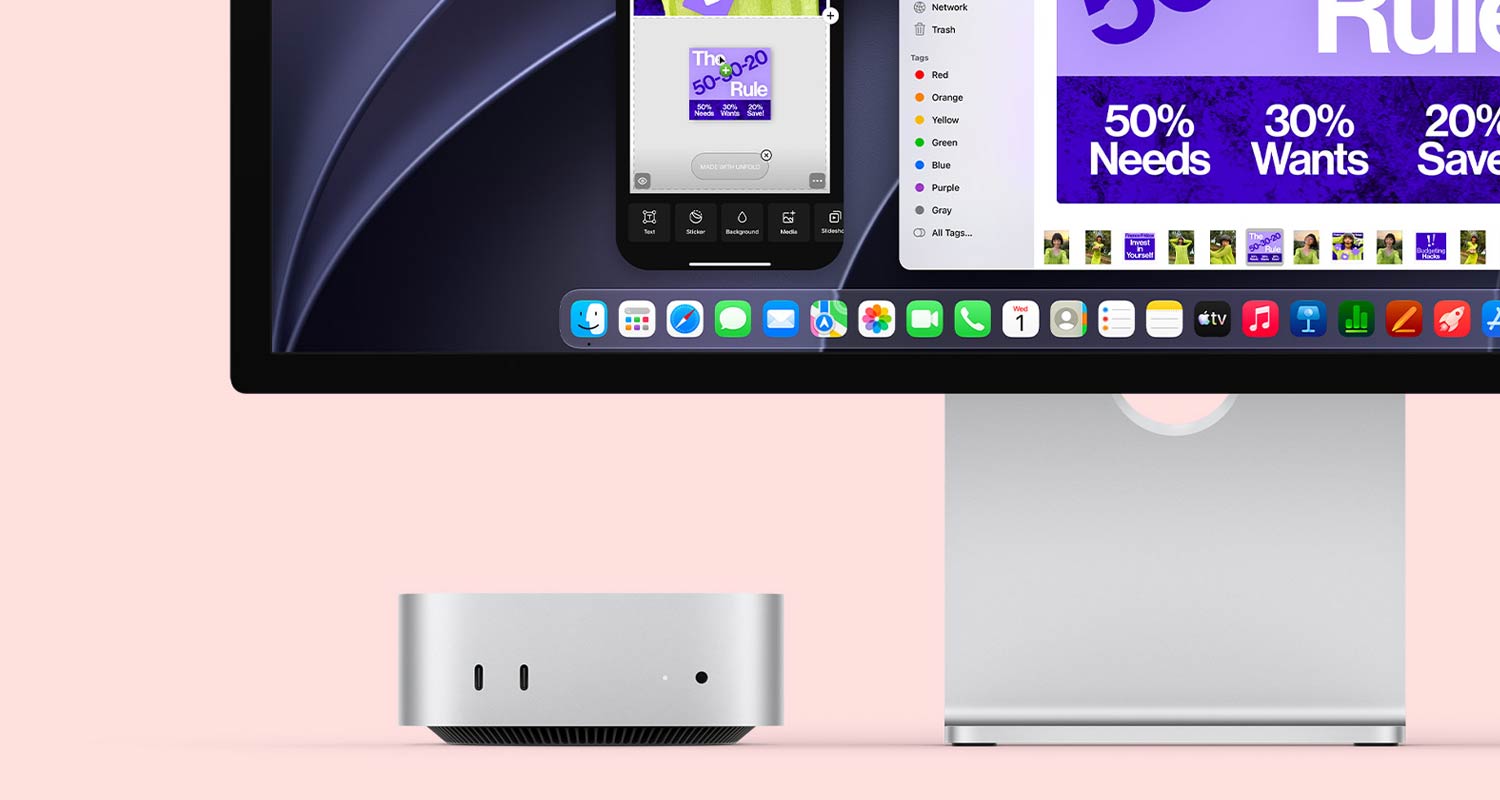
Apple silicon suits that workload for an unglamorous reason: the CPU and GPU share a single pool of unified memory, so a model loaded into it is available to both without being copied across a bus. That, plus a low idle power draw and near-silent operation, is why a small desktop that spends most of its life doing nothing has become the hardware of choice for people running agents around the clock.
One variant of the new mini is powered by Apple’s 2nm M6 chip, which the company said delivers up to four times faster AI performance and double the graphics and storage speeds compared with the previous M4-powered model.
The higher-end variant, powered by its M5 Pro chip, offers up to an 18-core central processor and 20-core graphics processor, targeting professional users working on tasks such as visual effects.
Apple also refreshed its Mac Studio desktop line-up, introducing versions powered by its M5 Max and new M5 Ultra chips. Aimed at developers and other professional users, the machines can run large models on-device and combine the computing power of multiple systems for more intensive AI tasks.
Pricing starts at $2 499 for the M5 Max version and $5 499 for the M5 Ultra model, up from $1 999 for the previous generation — a 25% increase at the entry point, and the clearest sign yet of how much of the memory crunch Apple is passing on. — © 2026 NewsCentral Media, with additional reporting by Anhata Rooprai, (c) 2026 Reuters
- Subscribe to TechCentral’s daily newsletter
- Get breaking news alerts on WhatsApp